
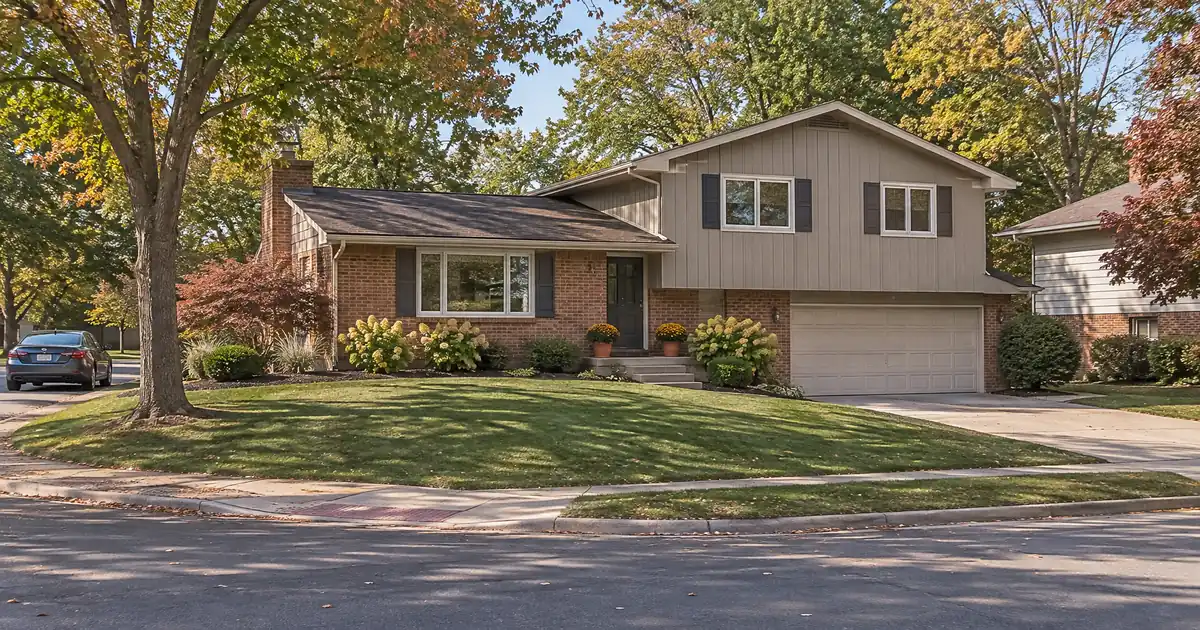
The Quick Read: Usually yes, because a DSCR cash-out refinance is a business-purpose loan on a non-owner-occupied rental, and putting the proceeds into a private loan to another investor is an investment-business use, but it works only if the lender’s use-of-proceeds terms allow it, the rental still covers the larger payment, and your state’s lending rules are satisfied. Treat it as an equity-recycling move with real credit risk, not free money.
- Use-of-proceeds terms differ by lender, so confirm yours before you commit to a lending deal.
- On a cash-out refinance of a non-owner-occupied rental, leverage tops out around 75% LTV across most of the network, and you receive net proceeds, not the full ceiling.
- Rent coverage must still clear after the bigger payment, and stronger ratios open better terms.
- Your payment is due every month whether or not your private borrower pays you.
- Lending your own money is a separate legal activity from the refinance. Pooling other people’s money raises securities questions. Every figure here varies by lender and program — guidelines, property type, leverage, and credit profile all apply.
How Does the Money Move From Refinance to Private Loan?
The money moves in eight steps: pick the rental, run the two tests, wait out seasoning, get the appraisal and rent schedule, sign the business-purpose papers, receive net proceeds, fund the note from a documented account, and keep records. The refinance and the private loan are two separate transactions linked by a paper trail.
DSCR Cash-Out Calculator
Run the cash-out numbers in your market
Rate source: Freddie Mac 30-yr average via FRED® — Federal Reserve Bank of St. Louis · effective Nov 5, 2026
Prefilled with starting assumptions — enter your property’s value, balance, taxes, and insurance for a more accurate picture.
Program parameters update from Lendmire’s centralized guideline source. Taxes and insurance are editable estimates.
As of Nov 5, 2026 · General Freddie Mac market benchmark, not a Lendmire loan offer. Property value, balance, taxes, and insurance are editable estimates. Maximum loan-to-value varies by lender, program, property type, and seasoning. Not a Loan Estimate, approval, or commitment to lend. Program availability and eligibility are subject to lender guidelines, credit approval, property review, and underwriting.
1. Pick the collateral. It must be a non-owner-occupied investment rental. Manufactured homes (single- and double-wide), log homes, and barndominiums are not offered in the network’s DSCR programs.
2. Run both tests. The lender checks equity (LTV) and rent coverage (DSCR) side by side. The tighter one caps your cash.
3. Check seasoning. Most programs in the network expect about 6 months of ownership, measured from title recording, before a cash-out. Inside that window, sizing often leans on your cost basis rather than the appraised value. A few lenders make exceptions for documented cash buyers, and that varies by lender.
4. Order the appraisal and rent schedule. The appraiser uses a rent schedule (form 1007) for a single-family rental or a small income-property report (form 1025) for 2-4 units.
5. Sign the business-purpose documents. Expect a business-purpose statement and, where an entity owns the property, an entity or guarantor package.
6. Receive net proceeds. Net cash is the new loan minus the old payoff, closing costs, required reserves, and any prepayment charge on the old loan.
7. Fund the private loan. Send the money from a documented account, secured by a note and a recorded lien on the borrower’s property.
8. Keep records. Tie the proceeds from the refinance to the funding of the note, wire to wire.
A prepayment penalty is a fee some business-purpose loans charge if you pay them off early. Check the old loan before you refinance out of it.
Key Terms Defined
DSCR (debt service coverage ratio): The property’s monthly rent divided by its monthly housing obligation: principal, interest, taxes, insurance, and any HOA dues. The lender qualifies the file primarily on property-level rental income covering the payment, subject to lender guidelines.
Cash-out refinance: A new loan that pays off the old one and hands you the extra equity as cash.
LTV (loan-to-value): The loan balance as a percentage of the property’s value.
Seasoning: The waiting period a lender wants between buying a property and pulling cash out of it.
PITIA: Principal, interest, taxes, insurance, and association dues. It is the payment side of the DSCR math.
Private lending: Lending your own money, secured by a lien on real estate, to another investor.
Reserves: Cash you keep on hand after closing so the lender knows you can cover the payments.
What Limits How Much Cash You Actually Get?
Two tests limit your cash, and the tighter one wins. Equity sets a ceiling of about 75% LTV on a cash-out refinance of a standard non-owner-occupied rental. Rent coverage sets the second ceiling, because pulling more equity means a bigger loan and a bigger payment. Final terms depend on lender guidelines, property type, leverage, and the borrower’s complete credit picture.
That second test surprises people. A rental that covers its payment at a comfortable ratio today can drop sharply once you borrow up to the LTV ceiling. Your usable cash is whatever sits under both limits, minus payoff, costs, and reserves.
Here are the other levers that move the file:
- Credit: A 620 floor exists in parts of the network, most programs want around 660, and 700+ unlocks the strongest leverage tiers.
- Reserves: These commonly run about 6 months of PITIA and step up to about 9 months on loans above $1,500,000. They vary by lender, leverage, and loan size.
- Loan size: Standard programs go up to $3,000,000.
- Property type: Only eligible rental property counts, which rules out the three types listed above.
A separate path through select lenders in the network takes coverage below 1.00, with leverage and terms adjusted. Both paths are subject to lender guidelines and credit review.
A bigger down payment on the original purchase can lower the payment and lift coverage. It never erases leverage caps, credit floors, or reserve rules.
Will the Lender Care What You Do With the Cash?
Some lenders do, and the rules differ across the network. DSCR loans are designed for non-owner-occupied investment properties. Because they are business-purpose investor loans, they are reviewed differently from a standard owner-occupied mortgage.
The federal commentary treats credit to acquire, improve, or maintain a non-owner-occupied rental as business purpose, as the CFPB’s commentary on business-purpose credit explains. That covers the rental loan itself. Many lenders also add their own business-purpose affidavit and use-of-funds language on top.
Lending proceeds to another investor for interest is an income-producing activity, so it sits comfortably on the business side of that line. Personal use does not. Doss Law’s business-purpose explainer uses a cash-out refinance of a single-family rental to pay personal income taxes as its example of a consumer-purpose loan. The proceeds drive the characterization.
Answer the lender’s use-of-funds questions honestly, and keep the note, the lien record, and the wire trail. Don’t treat marketing claims of no restrictions as a promise. The lender’s written terms for your specific file govern.
Does the Math Work? A Worked Example
The math works only when the note’s yield beats the all-in cost of the cash-out debt, and when the rental’s coverage survives the larger payment. These figures are modeled assumptions, not market data.
Picture a rental with a modest loan balance, around 40% of its value, covering its payment at roughly 1.6x. You refinance up to the 75% LTV ceiling on that non-owner-occupied rental. The balance nearly doubles, so coverage could land near 1.0x, or below it. If it lands below 1.00, a select-lender path may apply, with leverage and terms adjusted. A lender would review it subject to its guidelines. These specifics are subject to lender guidelines and a full review of property, leverage, and credit.
Now the spread. Your all-in cost includes the cash-out debt, closing costs, any prepayment charge on the old loan, and reserves you must hold. Your all-in income is the interest the private note actually pays you. Idle cash costs you and earns nothing.
| Option for the same equity | Income type | Main risk |
|---|---|---|
| Fund a private loan | Interest on a note | Borrower default, lien position |
| Buy another rental | Rent plus appreciation | Vacancy, repairs, capex |
| Sell and hold cash | None until reinvested | Gives up the asset |
The more passive option, private lending, carries credit risk with no operating upside. A rental purchase has more work attached but gives you ownership.
This one is a genuine toss-up for many investors. Lending is simpler day to day. A rental purchase can compound through ownership. The right call depends on how much collateral risk you will accept.
(One more thing: clearing 1.00 on DSCR does not mean positive cash flow. Repairs, vacancy, management, utilities, and capex all sit outside the calculation.)
DSCR vs. conventional financing
There are two common ways to finance an investment property, and they qualify you differently — here’s how investors weigh them.
Why investors choose it
- Qualifies on the property’s rental income — no personal tax returns, W-2s, or pay stubs needed to document income.
- No personal debt-to-income ceiling to clear, so existing mortgages and obligations don’t cap your borrowing the same way.
- Can be closed in an LLC, keeping the property inside a business entity.
- Built for scaling — not held to the limit on number of financed properties that conventional financing applies.
- Underwriting centers on the deal: generally qualifies when the rent covers the payment, a 1.00x coverage ratio being a common baseline (confirmed in underwriting).
- Designed specifically for investment property, including long-term and, where the program allows, short-term rentals.
Where it’s strong
- Often the lowest ongoing financing cost for a buyer who fully qualifies on personal income — a fit for a first property or a cost-first purchase.
Trade-offs for investors
- Requires full personal income documentation and must fit within a debt-to-income limit — salary, existing debts, and other mortgages all count.
- Typically held in your personal name rather than a business entity.
- Caps how many financed properties you can carry, which can become a ceiling as a portfolio grows.
- Evaluates you as a borrower as much as the property, which usually means more paperwork.
How investors usually choose: a first or single property often optimizes for the lowest financing cost; portfolio builders often optimize for leverage, vesting in an LLC, and scaling past conventional caps. The right answer depends on your goals, the property, and current guidelines — both paths run through select lenders in Lendmire’s wholesale network, with eligibility and terms confirmed in underwriting.
What Happens When Your Private Borrower Stops Paying?
Your DSCR payment keeps running. The lender on your rental does not care that your private borrower is late. A default or delay can strain cash flow fast, and the collateral behind your note may take a long time to turn into cash.
Protect yourself before you fund:
- Know your lien position. A first lien is very different from a second lien behind another lender.
- Get title and insurance in order. A recorded lien with title coverage is the basis of the whole deal.
- Size the loan conservatively. Lend well under the borrower’s collateral value.
- Plan for the end of the note. Private loans are often short, with a balloon payment due at the finish, so your cash may not return on a fixed schedule.
- Hold reserves. Keep cash beyond what the lender requires, so a late payment on your note does not become a late payment on your mortgage.
Also consider that the refinance raises your payment and lowers your coverage. That could limit your options on a later refinance.
Do You Need a License to Make Private Loans?
Lending your own money against real estate is the straightforward case, and Real Estate Skills reports it is legal in all 50 states. The same source warns that pooling other people’s money brings securities law into play, and that you should get securities counsel before you do it.
State rules are the part that varies. CrowdfundedWealth’s state-law overview notes that many exemptions are written for people lending their own money on their own account, and it advises verifying state by state, especially for 1-4 unit residential collateral. Some states require a license even for business-purpose lending.
A single loan of your own funds is typically the simpler case. Repeated lending, brokering loans, or lending money that belongs to others raises more licensing questions. Talk to a lawyer in your state before you do any of those.
Can an LLC Take the Cash-Out and Lend It?
It can in many cases, subject to lender program eligibility. Credit to an entity is also exempt from consumer-credit rules separately from the property-use test, so the two exemptions are different tests. An LLC alone does not make a loan business purpose. The property’s use does.
Owner-occupied rentals are treated differently. Compliance Alliance notes the commentary sets thresholds for them: more than 2 units to acquire and more than 4 units to improve or maintain. A DSCR file is a non-owner-occupied rental, so those thresholds are not the test here.
Many investors also lend through an entity separate from the one holding the rental, to keep the lending activity apart from the property. That is a structuring and legal question, so involve counsel and a tax professional. Tax treatment can depend on how the funds are used and how the property is held; investors should keep clear records and speak with a qualified tax professional before relying on any deduction.
When Is This a Bad Idea?
This is a bad idea when any of these is true:
- Coverage is thin before you start. Cash-out would push the rental near or under 1.00.
- You need the cash back on a date. Private notes can run late or end in a balloon.
- Your reserves are thin. You may be one late payment from stress.
- You plan to pool others’ money. That is a securities-law conversation, not a refinance one.
- The old loan has a heavy prepayment charge. It may eat the spread.
- Some of the cash is for personal use. That puts the business-purpose framing at risk.
If you are weighing other uses of the same equity, Lendmire’s guide How to Plan and Use a Short-Term Rental Cash-Out Refinance to Fund a Renovation covers another. The complete DSCR loans guide walks through how these programs work from the start.
Frequently Asked Questions
Does a DSCR lender let me use the cash-out proceeds to make a private loan?
It depends on the lender’s use-of-proceeds terms and business-purpose certification. Lending for interest is an investment activity, so it generally fits a business-purpose story, but programs differ. Ask before you apply, and answer the use-of-funds questions truthfully.
How much cash will I actually receive?
Less than the LTV ceiling suggests. Cash-out tops out around 75% LTV on a standard non-owner-occupied rental across most of the network. Your net comes after the old payoff, closing costs, reserves, and any prepayment charge. Rent coverage can cap the loan below the equity limit. Terms depend on the lender’s guidelines, the property type, the leverage, and a full review of the credit profile.
Do I need to wait before I can pull cash out?
Most programs in the network expect about 6 months of ownership, measured from title recording. Seasoning is lender policy, not law. Inside that window, sizing often uses cost basis, and a few lenders make exceptions for documented cash buyers.
What credit score do I need?
A 620 floor exists in parts of the network. Most programs want around 660, and 700+ unlocks the strongest leverage tiers. Each file is underwritten individually, subject to lender guidelines.
Do I need a license to lend the money?
Often not for a single loan of your own funds, but state rules differ. Repeated lending, brokering, or using other people’s money raises licensing and securities questions. Consult counsel in your state first.
The Next Step
If you are buying or refinancing a rental property and want to see how the numbers work, Lendmire can help you compare DSCR loan options based on the property income, credit profile, leverage, and investor goals. Lendmire is a mortgage broker arranging DSCR financing through select lenders in its wholesale network across 41 markets, including Washington, D.C. Call 828-256-2183 to talk through your file. This is general information, not a commitment to lend.
Private lending only pays when the note’s yield clears the full cost of the debt that funded it, so run that spread before you wire a dollar.
A deeper walk-through of investment-property equity extraction lives in Lendmire’s guide to cash-out refinance on an investment property.
About Lendmire
Lendmire, NMLS# 2371349, is a mortgage brokerage focused on investor financing, arranging DSCR loans in 40 states plus Washington, D.C. — 41 markets total. Qualification is based on the property’s income rather than personal income documentation, subject to lender guidelines, making it a fit for LLC-held rentals and scaling portfolios. Scotsman Guide named Lendmire a Top Mortgage Workplace in both 2025 and 2026.
Get Started
Ready to find the right loan for you?
See your offer in seconds. No credit pull, no obligation.
Informational only. Not a Loan Estimate, approval, or commitment to lend. Program availability and eligibility are subject to lender guidelines, credit approval, property review, and underwriting.
References
1. CFPB commentary on business-purpose credit
2. Doss Law’s business-purpose explainer
3. Real Estate Skills, private money lenders
4. CrowdfundedWealth, private money lender state overview
5. Compliance Alliance, owner-occupied rental thresholds
This article is part of Lendmire’s investment property cash-out refinance program — full qualification details, guidelines, and scenarios live on the program page.
Related reading: How to Get a DSCR Cash-Out Refinance on a San Marcos TX Rental · How Lenders Underwrite a DSCR Cash-Out Refinance With a Blanket Loan · Best DSCR Cash-Out Refinance Program to Fund a House Flip
Brandon Miller
Founder & CEO, Mortgage Loan Originator, Lendmire LLC
- Mortgage Loan Originator · NMLS# 1129696 · Verify on NMLS Consumer Access
- North Carolina Real Estate Broker · License# 343312 · Verify on NCREC
- North Carolina Insurance Producer · License# 19053198 · Property, Casualty, Life, Health · Verify on NAIC SBS
- Lendmire LLC · Firm NMLS# 2371349 · Verify firm licensure
Compliance and disclosures. Lendmire (NMLS# 2371349) is a licensed mortgage broker and is not a direct lender, depository institution, financial advisor, or tax professional. Content in this article is general market analysis and educational information — not financial, legal, or tax advice for any specific situation. Lendmire does not guarantee loan approval; every transaction is subject to underwriting by the funding lender. Mortgage pricing and loan program guidelines are subject to change at any time without notice and vary by borrower characteristics, property type, and state regulations. Lendmire complies with Equal Housing Opportunity. Licensure verification: NMLS Consumer Access.