
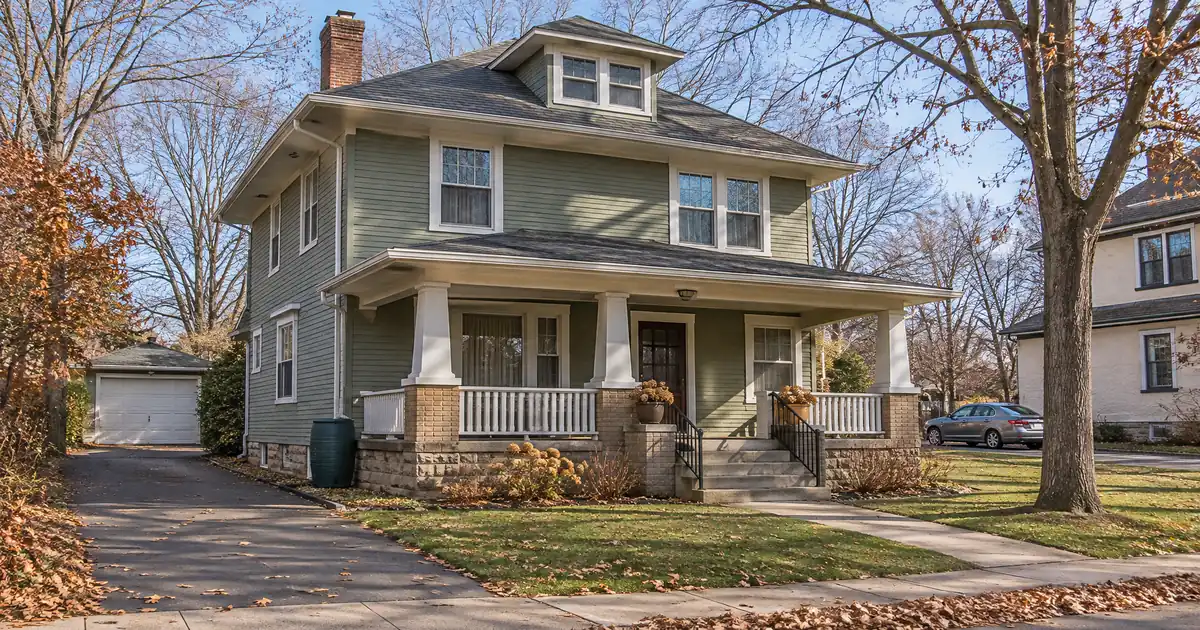
The Quick Read: Neither project wins automatically for a cash-out refinance. A bedroom add creates above-grade space that counts toward living area and bedroom count, while a finished basement is reported on its own line and never counts as living area. Basements can still earn their keep when local rents reward the extra room.
- A bedroom add is normally above-grade, so it counts toward gross living area and room count.
- A finished basement is below-grade area, reported separately and adjusted on its own line.
- A basement bedroom only counts as a bedroom if it meets code, starting with a proper egress opening.
- The appraisal sets both the value cap and the market-rent opinion, so both projects feed the loan size.
- Leverage on a cash-out refinance is capped by the lender, and that cap applies whichever project you pick.
The bedroom add suits the investor who needs the appraiser to see more house: more counted square feet, a higher bedroom count, and a rental comp set to match. The finished basement suits the investor with a cheaper project, a house that already has strong bedroom count, and a rental market that pays for extra space. Neither one is a guaranteed lift. Local comps decide.
DSCR Cash-Out Calculator
Run the cash-out numbers in your market
Rate source: Freddie Mac 30-yr average via FRED® — Federal Reserve Bank of St. Louis · effective Nov 5, 2026
Prefilled with starting assumptions — enter your property’s value, balance, taxes, and insurance for a more accurate picture.
Program parameters update from Lendmire’s centralized guideline source. Taxes and insurance are editable estimates.
As of Nov 5, 2026 · General Freddie Mac market benchmark, not a Lendmire loan offer. Property value, balance, taxes, and insurance are editable estimates. Maximum loan-to-value varies by lender, program, property type, and seasoning. Not a Loan Estimate, approval, or commitment to lend. Program availability and eligibility are subject to lender guidelines, credit approval, property review, and underwriting.
Side-by-Side
The table below shows how each project is typically treated on the appraisal. It describes published industry norms for appraisal practice. Your lender’s reviewer and your local appraiser can read a file differently.
| Factor | Finished Basement | Bedroom Add |
|---|---|---|
| Space classification | Below-grade, separate line | Above-grade, counts in GLA |
| Bedroom count | Only if code-legal with egress | Counts when permitted and legal |
| Rent opinion | Helps if local comps pay for it | Feeds bedroom-based rent comps |
| Documentation | Permits, egress specs, photos | Permits, final sign-off, invoices |
| Timeline | Often a shorter build | Often a longer build |
On the lender side, the project you choose does not change the program rules. Across the wholesale network, cash-out refinances top out around 75% LTV on standard rentals, with about 6 months of seasoning as the common expectation. The minimum DSCR is 1.00, which means the rent used for lender review must at least equal PITIA. Reserves are commonly around 6 months of PITIA (principal, interest, taxes, insurance, and any HOA dues), stepping up to about 9 months on loans above $1,500,000. Those ranges move with credit, leverage, and loan size.
How the Appraisal Treats Each Space
A bedroom add is above-grade finished area. A finished basement is below-grade finished area. That difference drives almost everything else.
Appraisers follow standard reporting conventions for how to report space. Under those conventions, only finished above-grade areas count toward gross living area and above-grade room count. A level also counts as below-grade if any portion of it is below-grade, regardless of finish quality or window area. That is agency-style material, and DSCR programs do not follow agency loan rules. It matters here only because it shows how appraisers are trained to measure.
So a walkout basement is still below-grade for reporting purposes. The nicest finish in the world does not move it into living area. Appraisers adjust below-grade space on its own line in the sales-comparison grid, and practitioners generally describe it as worth meaningfully less per square foot than above-grade space. Local market data sets the actual adjustment.
Why Bedroom Count Matters for the Rent Side
The appraisal does two jobs on a DSCR cash-out. It sets the value that caps the loan, and it gives a market-rent opinion. For a single-family home the rent form is a 1007. For a two-to-four unit property it is a 1025.
The Form 1007 adjustment grid includes above-grade room count and gross living area. That means a legal added bedroom flows straight into the rent opinion. A basement finish does not add living area, so its rent effect depends on whether nearby rentals actually command more for that space.
DSCR compares monthly rent to PITIA. Clearing 1.00 is not the same as positive cash flow, because repairs, vacancy, management, utilities, and capex sit outside the calculation. A project that lifts the ratio but costs more than it returns is still a bad project.
What Makes a Bedroom a Bedroom
Finish alone does not make a bedroom. One appraiser practitioner blog notes the space generally needs to meet local building code. A closet and drywall do not settle it.
The model code is the starting point. Under IRC R310, basements and every sleeping room need at least one operable emergency escape and rescue opening, and a basement with sleeping rooms needs an opening in each one. The ICC text sets the minimum net clear opening at 5.7 square feet, with a 5-square-foot exception for grade-floor openings. Adopted codes vary by jurisdiction, so check the local version before you cut a window.
Two traps catch investors. First, minimum width and height do not add up to enough area on their own. A 20-by-24-inch opening yields only about 3.3 square feet, well short of 5.7. Second, a basement bedroom without egress is typically reported as finished below-grade area, not as a bedroom.
When a Finished Basement Is the Better Fit
A finished basement is the better fit when the house already has strong bedroom count for its neighborhood and the missing piece is usable space. It also fits when the budget is tight and an addition is out of reach.
Picture a three-bedroom rental in a neighborhood where most comps are three-bedroom. A finished basement with a family room or flex space may support a higher rent opinion if nearby rentals show a premium for it, while a fourth bedroom would add cost without matching what those comps show. It may support a higher appraised value too, depending on comps and underwriter review.
The basement also makes sense when egress is realistic. A basement bedroom built to code, with a proper opening, can be reported as a true bedroom. Appraisers generally treat that as a value contributor, though less than an equivalent above-grade room. The practical move is to ask a local appraiser how they would treat the finish before you spend. If the answer is lukewarm, skip it.
Keep the cap in mind. Cash-out is sized on the smaller of two loan amounts: one from appraised value at the leverage cap, the other from the rent the property can support. A basement that helps value modestly but not rent only helps one of those limits.
When a Bedroom Add Is the Better Fit
A bedroom add is the better fit when the house is under-bedroomed against its comps and the lot and layout can take the work. Above-grade area counts toward living area and room count, so it supports both the value side and the rent side.
Run the numbers on a two-bedroom house in a market where nearby rentals are mostly three-bedroom. Moving into the three-bedroom comp set can change which rentals the appraiser compares against. That is the strongest case for the add: it changes the comp tier, not just the square footage.
Two cautions apply. Over-bedrooming is real. Adding a fifth bedroom in a neighborhood of three- and four-bedroom homes may add little. And permits matter. For unpermitted work, the Fannie Mae appraisal FAQ addresses whether such square footage belongs in living area, and many lenders instruct appraisers to exclude it. A DSCR lender can set its own rule. Treat a permit and final sign-off as part of the project cost.
Multi-unit properties add one more layer. On a 2-4 unit building, a basement unit or added bedroom becomes a unit-count and legality question, not just a room count. An accessory unit’s living area is generally not folded into the main dwelling’s living area either. Confirm legal status before you underwrite rent from it.
Which Fits Your Refinance Timeline?
Seasoning is the waiting period before a cash-out, and across most of the network it is about 6 months of ownership, measured from title recording. Both projects need to be finished, permitted, and documented before the appraisal. A longer build eats into the window. A shorter build leaves room to adjust.
Gather the paper trail as you go: permits and final inspection, egress specs and photos, contractor invoices, a dated scope of work, and receipts. The appraiser and lender also expect the usual file: lease, entity documents, payoff statement, and insurance declarations.
Property type matters before any of this. DSCR programs in the network do not offer manufactured homes (single- and double-wide), log homes, or barndominiums, so no basement or bedroom project changes that. The complete DSCR loans guide covers eligibility in more detail.
Reading Both Projects Against the Loan Math
Coverage works the same either way. Many select programs start at 1.00, and stronger ratios open better leverage. A separate select-lender path takes coverage below 1.00, with leverage and terms adjusted. Credit shapes the leverage tiers too: a 620 floor exists in parts of the network, most programs want around 660, and 700 or higher unlocks the strongest tiers. Equity available is not a guaranteed figure. It depends on rent used for lender review, PITIA, reserves, and the 75% cap on a cash-out refinance of a standard rental.
On a typical house, the choice is close to a toss-up. The add wins on counted size and comp tier, while the basement wins on cost and build time. The deciding question is not which adds more square feet. It is which one raises the rent and the appraised value in your local comp set by more than it costs.
The Verdict
Choose the bedroom add when the house is short on bedrooms against its comps and you can permit it. Choose the finished basement when bedroom count is already right, the budget is tight, and rental comps reward extra space. Choose neither when a local appraiser tells you the lift will not cover the spend.
If you are buying or refinancing a rental property and want to see how the numbers work, Lendmire can help you compare DSCR loan options based on the property income, credit profile, leverage, and investor goals. Short-term rental rules can vary by city, county, HOA, and property type, so investors should confirm local rules before relying on projected rental income. Tax treatment varies; consult a qualified professional.
Frequently Asked Questions
Does a finished basement count as square footage on an appraisal?
Not as gross living area. Appraisers report finished below-grade space on a separate line and adjust it on its own, so it never adds to living area however good the finish. It may still support value, depending on comps and underwriter review.
Can I turn a basement room into a legal bedroom?
Often yes, if it meets local code. The central requirement is an emergency escape opening in each basement sleeping room, with a net clear opening of at least 5.7 square feet under the model code.
Does a walkout basement count as above-grade?
No. Under the any-portion rule used in appraisal practice, a level with any part below grade is below-grade, so a walkout is still reported as below-grade area. The market may still pay more for it than for a fully buried level.
Will an unpermitted addition hurt my cash-out?
Yes, it can. The appraiser may note the work and comment on its quality and market effect, while many lenders tell appraisers to exclude unpermitted space. Treat permits as part of the budget, and expect individual lenders in the network to apply their own rules.
Does adding a bedroom guarantee a higher DSCR?
No. It helps only if the appraiser’s market-rent opinion rises with the added room. DSCR compares rent to PITIA and nothing else, so cost overruns and local comps can leave the ratio flat.
About Lendmire
Lendmire (NMLS# 2371349) is a DSCR-focused mortgage brokerage placing investor loans across 41 markets, including Washington, D.C. DSCR loans qualify primarily on property-level rental income covering the payment, subject to lender guidelines, which fits LLC-held rentals (subject to program terms), self-employed investors, and portfolios scaling past conventional financed-property limits. Scotsman Guide named Lendmire a Top Mortgage Workplace in both 2025 and 2026.
Investors weighing their equity options can start with Lendmire’s guide to cash-out refinance on an investment property.
Get Started
Ready to find the right loan for you?
See your offer in seconds. No credit pull, no obligation.
Informational only. Not a Loan Estimate, approval, or commitment to lend. Program availability and eligibility are subject to lender guidelines, credit approval, property review, and underwriting.
References
1. Choice Appraisals (appraiser blog)
This article is part of Lendmire’s investment property cash-out refinance program — full qualification details, guidelines, and scenarios live on the program page.
Related reading: How Much a Cash-Out Refinance Lends on a Vacant Rental · How Much a Finished Basement Adds to a BRRRR Cash-Out Refinance
Brandon Miller
Founder & CEO, Mortgage Loan Originator, Lendmire LLC
- Mortgage Loan Originator · NMLS# 1129696 · Verify on NMLS Consumer Access
- North Carolina Real Estate Broker · License# 343312 · Verify on NCREC
- North Carolina Insurance Producer · License# 19053198 · Property, Casualty, Life, Health · Verify on NAIC SBS
- Lendmire LLC · Firm NMLS# 2371349 · Verify firm licensure
Compliance and disclosures. Lendmire (NMLS# 2371349) is a licensed mortgage broker and is not a direct lender, depository institution, financial advisor, or tax professional. Content in this article is general market analysis and educational information — not financial, legal, or tax advice for any specific situation. Lendmire does not guarantee loan approval; every transaction is subject to underwriting by the funding lender. Mortgage pricing and loan program guidelines are subject to change at any time without notice and vary by borrower characteristics, property type, and state regulations. Lendmire complies with Equal Housing Opportunity. Licensure verification: NMLS Consumer Access.