
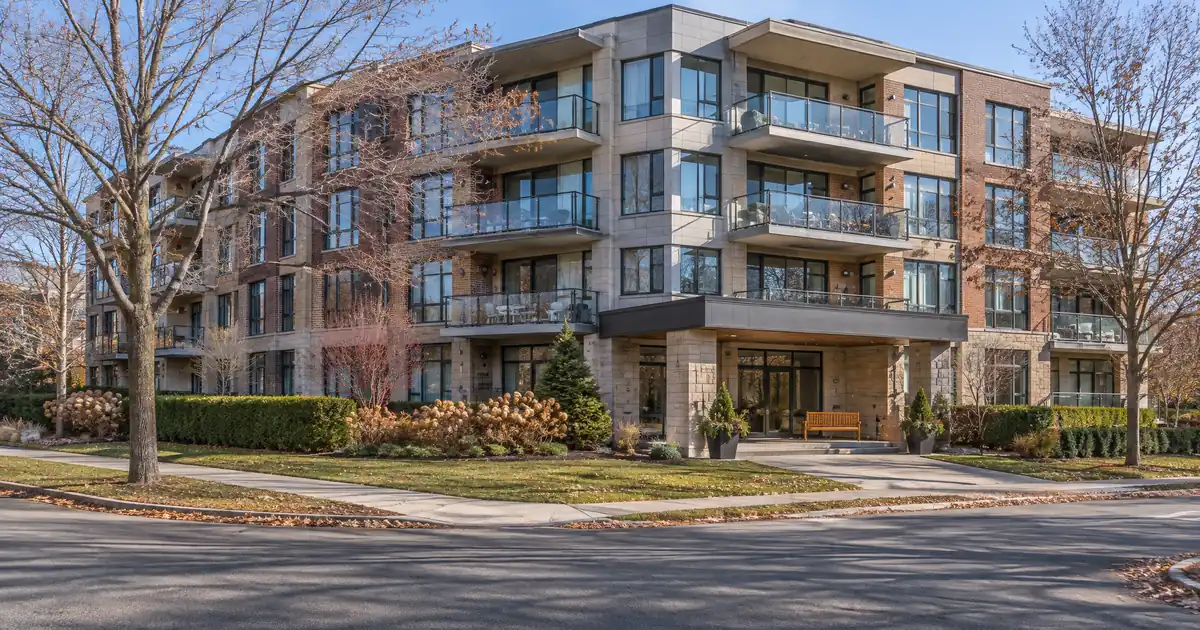
The Quick Read: A DSCR HELOC is a revolving line secured by a rental you already own, and it is reviewed on the rent rather than your personal income. It is never closed together with a purchase, so it cannot lower the down payment on the condo itself. A small down payment also leaves a large first mortgage, which often leaves little combined-leverage room for the line until the balance falls or the value rises.
- The line is a standalone second lien behind your first mortgage, or a first lien on a rental with no mortgage.
- Rent must cover a stress payment on the whole credit limit at 1.10x or better, subject to underwriting.
- A second lien tops out at 70% CLTV (combined loan-to-value) at a 720 score or better.
- The condo and its building are reviewed separately from the rent test.
- Two six-month seasoning clocks apply, so a brand-new purchase waits.
You found a condo and put little money down. Now you want to pull equity out of it, or use it to fund the next deal. That is a reasonable plan. The order of events matters, though, and most of this article is about that order.
What Is a DSCR HELOC (and What Is It Not)?
A DSCR HELOC is a home equity line of credit on a non-owner-occupied rental, written as a standalone second lien behind the first mortgage you keep, or as a standalone first lien on a rental with no mortgage. DSCR stands for debt service coverage ratio, which is the rent compared to the payment. The rent qualifies the line, and your personal income is never calculated.
The word “HELOC” covers more than one structure in the market. Some lenders offer a revolving line and others offer a lump-sum second. Across the wholesale network Lendmire works with, the DSCR version is a revolving line with a 5-year interest-only draw period, then a 25-year repayment period and a 30-year maturity. The rate is variable.
A consumer HELOC works the same way in broad strokes. The CFPB describes a draw period, then a repayment period, with a variable rate that can change your payment month to month. That product sits on a home you live in. This one is for investment property only. It is never offered on your own home or a second home. DSCR loans are designed for non-owner-occupied investment properties. Because they are business-purpose investor loans, they are reviewed differently from a standard owner-occupied mortgage.
The LLC can stay on title, subject to program terms. The members sign as guarantors. The borrowers on the line do not have to be the borrowers on the first mortgage.
For the bigger picture on how rent-qualified lending works, see the complete DSCR loans guide.
Can the Line Help Me Buy the Condo With Less Down?
No. The line is never closed together with a purchase, and it is never a third lien. The condo must already be owned, with its purchase financing in place, before the line can be added.
This is the point that trips people up. Investors do use equity lines to fund down payments, but those lines sit on other property they already own. A DSCR HELOC on the condo itself comes after the purchase.
So the small down payment is a decision you make at purchase. The line is a decision you make later. The link between them is equity.
Why a Small Down Payment Limits the Line
A small down payment means a large first mortgage, and the line has to fit underneath a combined-leverage cap. Combined loan-to-value (CLTV) is the first mortgage balance plus the full line limit, divided by the property’s value. The test uses the whole limit, not just what you draw.
On a second lien, the cap is 70% CLTV at a 720 score or better, on lines from $50,000 to $500,000, subject to underwriting. Run it like this:
1. Take the value of the condo.
2. Add your first mortgage balance and the line limit you want.
3. Divide by the value. If the result is above 70%, the line does not fit.
Here is a modeled illustration, not a market figure. Say the first mortgage is 85% of the value. A 70% cap leaves no room at all. Say instead the first mortgage is 50% of the value. The same cap leaves about 20% of value for the line.
A purchase with little down sits nearer the first picture on day one. Three things move you toward the second:
- Principal paydown on the first mortgage.
- Appreciation in the condo’s value.
- A new valuation that reflects both.
What counts is the appraised value, not the price you paid. Closing costs and any special assessment do not build equity on paper.
A downside is worth stating plainly. Thin equity can mean a long wait. Some investors accept that trade because the small down payment let them buy sooner and keep cash for other deals. That is a legitimate choice, but it delays the line.
How Underwriting Treats the Line, Step by Step
Underwriting runs in a set order. Each step is its own gate.
Step 1: Ownership and seasoning. A rental bought or refinanced inside the last 6 months is not eligible (that clock runs from the last note date to the new note date), and the owner must have held title for 6 months (settlement date to note date). A brand-new condo purchase waits.
Step 2: Leverage. The CLTV test above applies, using the full line limit.
Step 3: Rent coverage. The minimum is 1.10x. That is gross monthly rent divided by a qualifying payment. The qualifying payment is a fully amortizing payment on the entire credit limit at the start rate plus 2 percentage points. It is a stress payment, so it is higher than what you would pay on a partly drawn line.
Rent is the lesser of the appraisal’s market rent and the lease, unless three months of receipts support a lease above market. A lease in place is required.
On a second lien, confirm on the file how the lender treats the first-mortgage payment in its coverage calculation. The lender’s own calculation governs.
Step 4: Credit. A second lien needs a 720 score. A first lien needs 700. There must be no 30-day mortgage late in the last 12 months. The program wants 48 months since a bankruptcy, foreclosure, short sale or deed-in-lieu. No reserves are required.
Step 5: Valuation and title. Lines to $400,000 use an automated valuation with a property inspection report, or a full interior appraisal. Larger lines need a full interior appraisal, and a condo uses Form 1073. Appraisal waivers are not accepted. Title work is lighter on smaller second liens and fuller above $400,000.
Step 6: Draw rules. At least 80% of the line is drawn at closing, and the closing draw is never less than $50,000. Later draws are at least $5,000 each. Interest-only payments run on the drawn balance during the first 5 years.
The Four Gates: Rent and the Building
Passing the rent test does not rescue a failed building review, and the reverse is also true. A condo faces both.
| Gate | What it checks | What can sink it |
|---|---|---|
| Rent coverage | Rent vs. stress payment | Low rent, big line |
| Building review | HOA health, rental rules | Litigation, bad reserves |
| Leverage | CLTV vs. cap | Small down payment |
| Property type | Eligible condo type | Condotel, leasehold |
The lender sends a condo questionnaire to the HOA or its manager. It typically covers litigation, delinquent dues, reserves, investor concentration and rental restrictions. Missing HOA paperwork can stall the file. If the building bans rentals, DSCR cannot override that.
HOA dues matter for the ratio too. In this program the qualifying payment on the line is principal and interest on the full limit. Dues still affect how the lender views a condo’s overall carry, so a condo is a tighter fit than an identical house. Ask how the lender treats dues on your file.
Both warrantable and non-warrantable condos are eligible property types here. A warrantable condo meets agency project standards. A non-warrantable one does not. Condotels are not eligible, and neither are row homes or leaseholds. Leverage tiers apply to every property type, and a non-warrantable building can narrow your options.
Seasoning Versus Equity: Which Clock Blocks You?
Two different things can hold up a recent buyer. They are not the same thing.
Seasoning is a waiting period. The six-month rules above are lender policy, not law. Equity is a math problem. You can clear seasoning and still fail the CLTV test.
Waiting six months fixes only one of the two. Appreciation is never guaranteed, so do not plan around it alone.
What to Do If You Bought With Little Down
Match your situation to a next step.
| Your situation | Likely next step |
|---|---|
| Just bought, thin equity | Wait; let paydown and value build |
| Owned 6+ months, some equity | Test CLTV against the 70% cap |
| Rental owned with no mortgage | First lien, up to 75% LTV at 740+ |
| Equity fits, but score under 720 | Second lien is out; consider other routes |
| Need a lump sum, not a line | A closed-end DSCR second or cash-out refinance |
A few notes on these paths.
First lien on a free-and-clear rental. At 740 or better the cap is 75% LTV on lines up to $500,000. From 700 to 739 it is 70%. Lines above $500,000, to $1,000,000, run at 65% LTV at 720 or better. Terms vary by lender guidelines, property type, leverage, credit profile, and full file review.
Cash-out refinance. A DSCR cash-out refinance replaces your first mortgage rather than sitting behind it. It makes sense when the existing first mortgage is not worth keeping. It also carries its own seasoning rules. The Lendmire piece on HELOC versus a home equity loan on a condo bought with a small down payment compares the structures.
Owner-occupied condo. If you live in the condo, this line is not available. A primary-residence HELOC is a different, owner-occupied product.
The upside of waiting is that a good first mortgage stays untouched. Each line also attaches to one property, so equity in one condo does not pool with another.
Using the Line to Buy the Next Property
Once a line exists on a seasoned rental, it can fund the next purchase. The line has to be in place before you go under contract on the next property. Draw rules still apply, so plan around the 80% closing draw.
Bank lines are harder to find. NerdWallet notes that not all lenders offer HELOCs on investment property and that requirements can be strict. Some investors get turned away at a bank for an LLC-held rental. A rent-qualified line avoids that obstacle, subject to program terms. For a closer look at the investor path, read Lendmire’s piece Can You Get an Investment Property HELOC on a Condo Bought With a Small Down Payment?.
The variable rate deserves respect. Payments can change, so test your coverage with a cushion before you commit.
Common Mistakes
- Shopping for the line before the building passes review.
- Assuming the down payment equals equity.
- Planning to close the line with the purchase.
- Counting only the drawn amount when running CLTV.
- Ignoring the 6-month clocks.
- Assuming a high score lifts the second-lien cap above 70%.
Key Terms Defined
DSCR: The monthly rent divided by the qualifying payment. It shows whether the rent covers the debt.
CLTV: The first mortgage balance plus the full line, divided by property value.
Second lien: A loan that sits behind the first mortgage and is paid second if the property is sold.
Draw period: The 5 years when you can borrow from the line and pay interest only on the drawn balance.
Seasoning: The waiting period between buying or refinancing a property and adding new financing.
Non-warrantable condo: A condo project that does not meet agency standards, often because of litigation, investor concentration or reserve issues.
Frequently Asked Questions
Can I get a DSCR HELOC on a condo I just bought?
Two six-month clocks apply: the line is not available on a rental bought or refinanced in the last 6 months (last note date to new note date), and title must have been held for 6 months (settlement date to note date). Even after that, a small down payment can leave too little CLTV room. Subject to underwriting.
Can the line fund my down payment on that same condo?
No. The line is never closed with a purchase. It can fund a down payment on a different property once it exists on a seasoned rental.
Do HOA dues and building problems hurt qualification?
They can, because the condo questionnaire covers litigation, delinquent dues, reserves and rental restrictions, and a building that fails review can stop the file. A rental ban is a hard stop.
Do non-warrantable condos qualify?
Non-warrantable condominiums are eligible property types on this program, but condotels are not. Non-warrantable status can narrow options, so confirm with the lender on your file.
Can an LLC hold title?
Yes, subject to program terms. The members sign as guarantors, and a title holder who is not a borrower signs an acknowledgment. The program is offered in 15 of Lendmire’s 16 licensed states, every licensed state except Tennessee.
Next Step
If you are considering a home equity line on a rental property and want to see how the numbers work, Lendmire can help you compare DSCR HELOC options based on the property, the rent, the equity available, credit profile, combined leverage, and your goals. Lendmire is a mortgage broker, and all programs are subject to underwriting and lender guidelines. This is not a commitment to lend.
About Lendmire
Lendmire is a mortgage brokerage (NMLS# 2371349) arranging DSCR home equity lines of credit — standalone first or second liens on non-owner-occupied one-to-four-unit rentals, qualified on rent — through a wholesale lending network in 15 of its 16 licensed states (every licensed state except Tennessee). Eligibility is determined by the lender on each file. Scotsman Guide named Lendmire a Top Mortgage Workplace in both 2025 and 2026.
Get Started
Ready to find the right loan for you?
See your offer in seconds. No credit pull, no obligation.
Informational only. Not a Loan Estimate, approval, or commitment to lend. Program availability and eligibility are subject to lender guidelines, credit approval, property review, and underwriting.
References
1. CFPB
2. NerdWallet – HELOC on an investment property
This article is part of Lendmire’s DSCR HELOC program — full qualification details, guidelines, and scenarios live on the program page.
Related reading: How a DSCR HELOC Works to Refinance an Existing HELOC Into a DSCR Loan · How a DSCR HELOC Works After a Final Decree Before Title Changes · DSCR HELOC Requirements on Little Income
Brandon Miller
Founder & CEO, Mortgage Loan Originator, Lendmire LLC
- Mortgage Loan Originator · NMLS# 1129696 · Verify on NMLS Consumer Access
- North Carolina Real Estate Broker · License# 343312 · Verify on NCREC
- North Carolina Insurance Producer · License# 19053198 · Property, Casualty, Life, Health · Verify on NAIC SBS
- Lendmire LLC · Firm NMLS# 2371349 · Verify firm licensure
Disclosure information. Lendmire is a state-licensed mortgage brokerage under NMLS# 2371349. Lendmire is not a depository institution, direct lender, or financial advisor — all loans referenced are placed through wholesale lender partners and are subject to each lender's underwriting standards. This article is provided for general informational purposes and is not a commitment to lend, nor does it constitute financial, legal, or tax advice. Loan programs, terms, rates, and qualification standards change without notice and depend on borrower profile, property type, and the state in which the subject property is located. Equal Housing Opportunity provider. NMLS Consumer Access: nmlsconsumeraccess.org.