
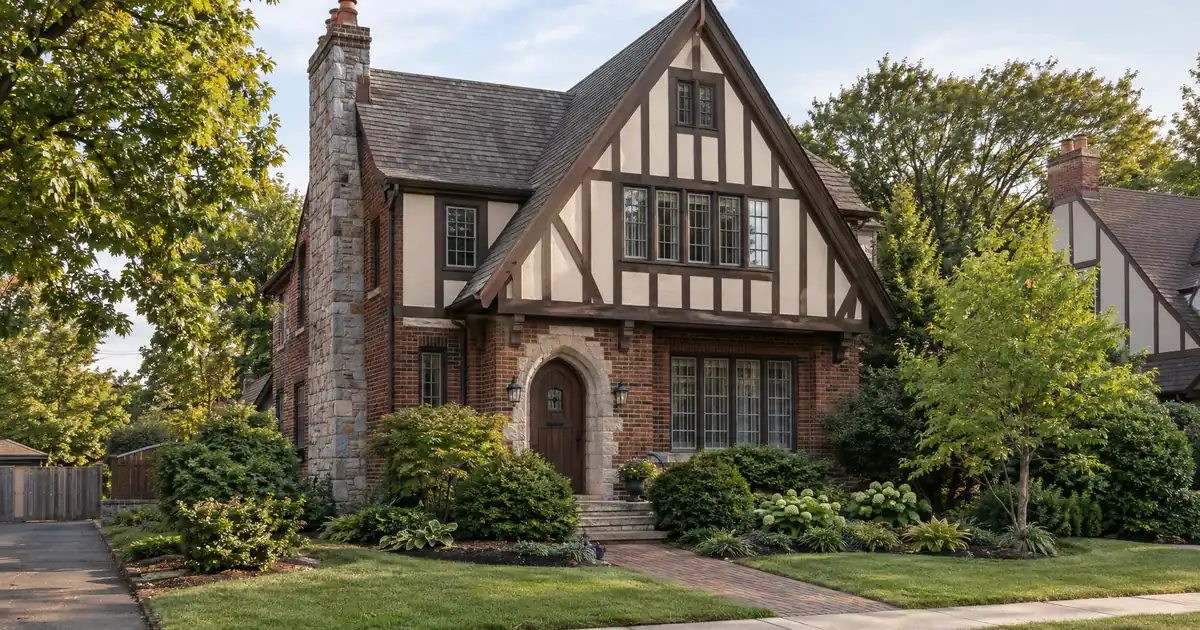
Can I Refinance My Rental Home — The Quick Read: Yes. You can refinance a rental property through a rate-and-term or a cash-out structure. But the file underwrites differently than a refinance on your own house. Most programs in Lendmire’s wholesale network qualify the loan on the property’s rental income. They cap cash-out refinances around 75% loan-to-value. And they expect the loan to season on title before releasing cash-out proceeds.
That’s the short version. The longer version covers how the rent gets calculated, what a lender actually checks, and where investors trip up. This is where a rental refinance starts to look very different from the one most people already know from their own house.
DSCR Calculator
Run the numbers in your market
Rate source: Freddie Mac 30-yr average via FRED® — Federal Reserve Bank of St. Louis · effective Sep 10, 2026
Prefilled with local estimates — enter your own rent or nightly figures, taxes, insurance, and HOA for a more accurate picture.
Program parameters update from Lendmire’s centralized guideline source. Taxes and insurance are editable estimates.
As of Sep 10, 2026 · General Freddie Mac market benchmark, not a Lendmire loan offer. Rent, nightly rate, occupancy, taxes, and insurance are editable estimates. Short-term rental figures are estimates only and vary significantly by season, property type, management approach, and local short-term-rental rules — confirm local regulations before relying on them. Qualifying income for short-term rentals varies by program — some use appraisal market rent, others use documented STR history or projections — and is confirmed in underwriting. Not a Loan Estimate, approval, or commitment to lend. Program availability and eligibility are subject to lender guidelines, credit approval, property review, and underwriting.
Key Terms Defined
A handful of terms show up in almost every conversation about refinancing a rental. Learn them before the file gets built. It saves a round of confused phone calls later.
DSCR (Debt Service Coverage Ratio): the ratio of a property’s gross monthly rent to its total monthly housing obligation — a ratio at or above 1.00 means the rent covers that payment.
PITIA: principal, interest, taxes, insurance, and association dues combined — the full monthly carrying cost a lender measures rent against.
Rate-and-term refinance: a new loan that pays off the existing mortgage and adjusts its structure without pulling extra equity out.
Cash-out refinance: a larger new loan that pays off the existing mortgage and disburses the remaining proceeds to the owner or the owning entity.
Seasoning: the minimum stretch of ownership a lender wants to see on title before it will allow a cash-out refinance.
Business-purpose loan: financing made against a non-owner-occupied rental property, underwritten as an investment transaction rather than a personal-residence mortgage.
Want the full walkthrough of how the ratio gets built? Lendmire’s complete DSCR loans guide covers the calculation end to end.
Rate-and-Term, Cash-Out, or HELOC — Which One Fits?
Three structures cover almost every rental refinance scenario. Each one solves a different problem.
| Structure | What It Does | Typical Ceiling |
|---|---|---|
| Rate-and-term | Replaces the existing loan without extracting equity | 75%-80% LTV |
| Cash-out | Replaces the loan and disburses remaining proceeds | 75% LTV on standard rentals |
| Investment HELOC | Revolving line, first mortgage stays in place | Caps at $500,000 total across the network |
Rate-and-term refinances tend to be the cleaner file. No equity is coming out, so the coverage math usually has more room to breathe. Want to restructure the existing loan instead of pulling cash? A rate-and-term investment property refinance is the right tool for that.
Cash-out is a different animal. The new loan amount is bigger, so the coverage ratio has to hold up against that larger payment. On short-term-rental collateral specifically, cash-out refinances generally cap closer to 70% loan-to-value. That’s lower than the 75% ceiling that applies on standard long-term rental cash-out refinances. The STR income methodology behind that lower ceiling gets covered further down. If you’re weighing a DSCR cash-out refinance against a HELOC, note the HELOC’s hard $500,000 total cap. There’s no higher investment-property tier above that in the network right now.
What Lenders Actually Check
Four numbers decide most rental refinance files: coverage ratio, credit score, leverage, and reserves. They move together, not independently.
| Factor | Typical Range |
|---|---|
| Coverage ratio | 1.00 floor on select programs; stronger ratios open better terms |
| Credit score | 620 floor in parts of the network; 660 common; 700+ unlocks top leverage |
| Cash-out LTV | Up to 75% on standard rentals |
| Reserves | Roughly 6 months of PITIA; roughly 9 months above $1,500,000 |
Coverage below 1.00 is worth understanding, because it’s not an automatic no. A property that clears 1.00 has rent that exactly matches its payment. Anything below that means the rent falls short. That doesn’t rule the file out. Sub-1.00 coverage is available through select lenders in the network, with leverage and terms adjusted to compensate. Separately, a small number of lenders offer no-ratio qualification that skips the rent-to-payment test entirely. This is generally reserved for borrowers who already own a primary residence. That’s a narrower path than the sub-1.00 option, not a substitute for it.
Reserves aren’t a flat number either. They vary by lender, leverage, loan size, and transaction type. A conservative rate-and-term file at modest leverage under $1,500,000 can sometimes see reserves waived. A larger loan above that threshold typically steps up to roughly nine months of PITIA in reserve. Want to see how a specific property’s numbers land against these ranges? Investors can request a quote or call 828-256-2183.
How the Rent Number Actually Gets Decided
Here’s a key point: your own rent estimate isn’t what a lender underwrites against. An appraiser’s comparable-rent analysis is. For a one-unit rental, that analysis runs through Fannie Mae’s Single-Family Comparable Rent Schedule (Form 1007). This form documents an estimate of monthly market rent by comparing the subject property to similar rented units in the area. A comparable form covers 2-4 unit properties. Most files run on one simple rule: the lender uses whichever number is lower — the actual rent under a signed lease, or the appraiser’s market-rent estimate. If the unit is vacant or being bought without a tenant in place, the appraiser’s number is the only figure on the table.
That mechanic matters more than it sounds. Say you’re collecting above-market rent on a legacy lease. You don’t get to use that higher number if the appraisal comes in lower — the file underwrites to the smaller of the two. Now say you’re collecting under-market rent because a good tenant has been in place for years. You might actually benefit from the appraiser’s higher market-rent estimate once that lease turns over.
Short-term rentals break this model. Form 1007 is built around monthly comparable rent, not nightly bookings. An appraiser can’t take a nightly rate and multiply it by thirty to manufacture a monthly figure, according to appraisal-industry education from McKissock Learning. STR files in the network instead lean on documented booking history and platform income statements. That’s part of why STR purchases generally want around twelve months of hosting history behind them, along with a 640+ credit score and a coverage floor around 1.00 on that purchase.
The Seasoning Question on Cash-Out Refinances
Cash-out refinances almost always come with a seasoning clock. Rate-and-term refinances usually don’t. About six months of ownership is the common expectation across the network before cash-out proceeds get released. This rule shows up most often for investors trying to pull equity right after a rehab or a fast-appreciating purchase.
That seasoning requirement is exactly where the BRRRR-style refinance gets complicated. Buy, renovate, refinance, repeat only works on the timeline the seasoning clock allows. An investor refinancing too early is generally routed into a rate-and-term structure instead, or asked to wait out the remaining months before cash-out proceeds get approved. Lendmire’s coverage of refinancing without owning a home first walks through a related version of this timing question for investors buying their first rental.
Special Situations Worth Knowing About
A vacant unit. Most refinance files assume an active lease. A property sitting empty is a harder file. When a lender does allow it, the loan-to-value ceiling usually comes down to offset the missing rent history.
A tenant-occupied lease at closing. This one is routine, not an obstacle. The current lease simply feeds into the rent-versus-appraisal comparison described above. The tenant doesn’t need to sign off on the refinance itself, since the lease continues under new ownership of the debt, not new ownership of the unit.
Title held in an LLC. These loans are structured as business-purpose credit. So holding title in an LLC or similar entity is common, not unusual, subject to lender program eligibility. First-time entity-title investors sometimes assume this complicates the refinance. In practice, it’s one of the more routine file types in the network.
A first refinance on a first rental. Younger or first-time investors doing this for the first time often have less of a track record with lenders. That’s where credit score and reserves carry more weight in the file. Lendmire’s piece on a young investor’s first cash-out refinance walks through how that specific profile tends to structure.
Scotsmanguide.com/news/investors-anchor-housing-market-as-non-qm-loans-surge/) — rental-property refinancing through property-income underwriting is a mainstream lane at this point, not a workaround.
Why This Is a Business-Purpose Loan, Not a Consumer Refinance
DSCR loans are designed for non-owner-occupied investment properties. Because they are business-purpose investor loans, they get reviewed differently than a standard owner-occupied mortgage. The Consumer Financial Protection Bureau draws this distinction directly in its commentary on what counts as a business-purpose extension of credit. That classification is also why these refinances fall outside the TRID consumer-disclosure timeline. There’s no Loan Estimate or three-day waiting period built into the process, because the loan isn’t financing a personal residence.
One wrinkle worth flagging for house-hackers: take a duplex where the owner lives in one unit and rents out the other. A property like this doesn’t automatically get the same business-purpose treatment as a fully rented property. That’s a fact-specific question tied to unit count and occupancy, not a blanket rule. It’s worth confirming before you assume a house-hack refinance will run on the same track as a pure rental.
Tax treatment can depend on how refinance funds are used and how the property is held. Keep clear records and speak with a qualified tax professional before relying on any deduction assumption.
Common Mistakes That Sink a Rental Refinance
A few patterns show up again and again across files that get delayed or restructured mid-process:
Assuming the investor’s own rent estimate will carry the file — it won’t, once the appraiser’s comparable-rent number lands on the desk.
Applying for cash-out before the seasoning clock has run, especially on a recently rehabbed or recently purchased property.
Treating a 1.00 coverage ratio as “positive cash flow.” It isn’t. DSCR compares rent to PITIA only. Repairs, vacancy, management fees, utilities, and capital expenses all sit outside that ratio. So a 1.00 file can still run a real cash shortfall once those costs hit.
Assuming a larger down payment fixes every problem. More equity lowers the payment and can lift the coverage ratio. But it doesn’t waive a credit floor, a reserve requirement, or an ineligible property type. Manufactured homes (single- and double-wide), log homes, and barndominiums fall outside these programs regardless of leverage. Exact terms depend on the lender’s guidelines, property type, leverage, and a full review of the borrower’s file.
Underestimating reserves on a larger loan. A file crossing the $1,500,000 mark should expect the reserve bar to move up, not stay flat.
Thinking about selling instead of refinancing? Investors weighing whether to refinance at all versus simply sell the asset and redeploy capital elsewhere should look at Lendmire’s comparison of refinancing versus selling a rental property before locking into either path.
Frequently Asked Questions
Can I refinance a rental home that currently has a tenant in it?
Yes. A signed lease in place is normal for a rental refinance. It typically strengthens the file rather than complicating it. The lease’s rent figure gets compared against the appraiser’s market-rent estimate, and the lender underwrites to whichever is lower.
How much equity do I need to refinance a rental property?
Enough to clear the applicable loan-to-value ceiling. That ceiling runs up to about 75%-80% on rate-and-term refinances and up to about 75% on cash-out refinances for standard rentals — generally lower on short-term-rental collateral. The exact ceiling depends on credit score, coverage ratio, and the specific lender program.
Do I have to wait before I can cash-out refinance a rental I just bought?
Most files in the network expect around six months of ownership before releasing cash-out proceeds. A rate-and-term refinance that isn’t pulling equity out typically doesn’t carry that same seasoning expectation.
Can I refinance a rental home that’s titled in an LLC?
Yes, subject to lender program eligibility. Entity-titled rentals are common in business-purpose lending. Many DSCR programs are built specifically to accommodate LLC or similar entity ownership rather than requiring the title sit in an individual’s name.
What happens if my rental’s rent doesn’t cover the new payment?
There are still paths worth reviewing rather than an automatic decline. Coverage below 1.00 is available through select lenders in the network with adjusted leverage and terms. A narrower no-ratio option also exists through select lenders, generally for borrowers who already own a primary residence. Qualification for either ultimately depends on lender guidelines, credit profile, and the specific property.
If a rental refinance is on the table, compare structures side by side against the property’s actual rent, credit profile, and equity position. That’s the fastest way to see which one fits. Lendmire can help line those options up based on the numbers a specific property and borrower profile actually produce.
For current guidelines and terms, see Lendmire’s DSCR loan programs page.
About Lendmire
Lendmire (NMLS# 2371349) is a mortgage brokerage focused on DSCR investor financing. It helps arrange programs through wholesale and investor-lending channels in 40 markets, including Washington, D.C. DSCR loans are evaluated by the lender on property cash flow rather than personal income, subject to lender guidelines. These programs support LLC closings and accommodate investors with four or more financed properties. Lendmire was named a Scotsman Guide Top Mortgage Workplace in both 2025 and 2026.
Get Started
Ready to find the right loan for you?
In about 30 seconds you can review financing options available for your home or investment property. No commitment required.
Informational only. Not a Loan Estimate, approval, or commitment to lend. Program availability and eligibility are subject to lender guidelines, credit approval, property review, and underwriting.
References
1. Fannie Mae — Single-Family Comparable Rent Schedule (Form 1007)
2. McKissock Learning — Form 1007 and Its Impact on Short-Term Rental Appraisals
3. Consumer Financial Protection Bureau — Regulation Z, Comment 3(a)
Brandon Miller
Founder & CEO, Mortgage Loan Originator, Lendmire LLC
- Mortgage Loan Originator · NMLS# 1129696 · Verify on NMLS Consumer Access
- North Carolina Real Estate Broker · License# 343312 · Verify on NCREC
- North Carolina Insurance Producer · License# 19053198 · Property, Casualty, Life, Health · Verify on NAIC SBS
- Lendmire LLC · Firm NMLS# 2371349 · Verify firm licensure
Legal disclosures. Lendmire (NMLS# 2371349) is a state-licensed mortgage brokerage that arranges financing through wholesale lender relationships. Lendmire is not a direct lender, depository institution, or registered financial advisor. The discussion above is general informational content about real estate financing — it is not financial, legal, or tax advice, and readers should consult licensed professionals for guidance on their individual circumstances. Loan inquiries are subject to lender underwriting; this article does not represent a commitment to lend. Loan terms, rates, and qualification standards vary by borrower, property, and state, and are subject to change at any time. Equal Housing Opportunity. NMLS Consumer Access: nmlsconsumeraccess.org.


