
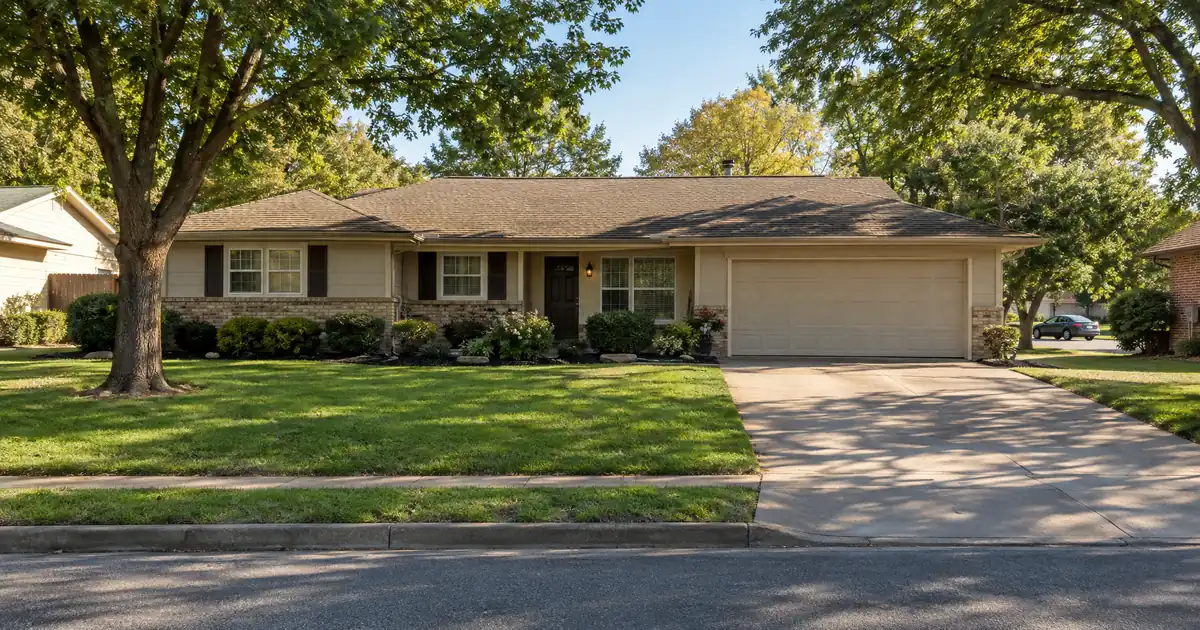
The Quick Read: A below-price appraisal does not automatically end a rental HELOC; it shrinks the line, because the lender sizes it on the lower valuation minus existing liens, so your job is to find out what produced the number, challenge it with evidence if it is wrong, and resize or fund the gap. The fix depends on which of two situations you are in.
- Owned rental: the line is sized on the lender’s value today, not on what you paid.
- Rental purchase: a HELOC does not buy the property. The acquisition loan is sized on the lower of price or value, and the HELOC can supply the extra cash.
- Leverage magnifies misses: on a rental with a first mortgage, a 10% low valuation can cut your drawable room by roughly 28%.
- Credit does not rescue leverage: on an investment line, a 700 score and a 720 score reach the same 70% CLTV ceiling.
- First step: learn whether a model or a human appraiser set the number, because the remedy differs.
Two Problems Hide Inside This Title
The words “appraisal below the purchase price” describe two different situations, and mixing them causes most of the confusion. Each has its own rules and its own fix.
How large a line the equity supports.
An equity line is sized by combined loan-to-value, occupancy, and credit — not by rental coverage. Switch the occupancy or the credit band and the ceiling moves with it.
Investment-property lines require a 700 minimum credit score; second-home lines start at a 640 minimum and primary-residence lines at 600, and the combined-LTV ceiling steps down as the credit band drops on primary-residence and second-home lines and holds on investment-property lines; the line cap steps down on primary-residence lines and holds at every tier on investment-property and second-home lines.
A debt-to-income ratio above 45% requires 680+ credit. Profiles under 640 are limited to single-family homes. At least 75% of the approved line is drawn at closing. Ceilings, floors, and caps update from Lendmire’s centralized guideline source.
Line estimate
Illustrative estimate only — not a quote, Loan Estimate, approval, or commitment to lend. The rate is an editable assumption; equity-line pricing is variable through both the draw and repayment periods and never converts to fixed. Occupancy and credit drive the ceiling together: an investment property tops out at 70% combined LTV (minimum credit 700, line cap $500,000); a second home tops out at 90% combined LTV (minimum credit 640, line cap $500,000), with the ceiling stepping down as the credit band drops (the cap holds at every tier); a primary residence tops out at 90% combined LTV (minimum credit 600), and its $750,000 maximum line is available only at 75% combined LTV or below with a 700-or-better credit profile (720 on the longer-runway program) and a full appraisal. Lines above $500,000 require a full appraisal. Credit, debt-to-income, property type, and full underwriting review all affect the final line.
Situation A: you already own the rental. You want a home equity line of credit (a HELOC, a revolving credit line secured by a property you own) against it. Nobody is checking the price you paid. The lender checks what the property is worth today, then subtracts what you owe. If that value is lower than you expected, or lower than your purchase price, the line shrinks.
Situation B: you are buying a rental. The appraisal lands under the contract price, and you planned to use a HELOC for part of the cash. A HELOC is not the purchase loan. The acquisition loan, often a DSCR loan, is sized on the lower of price or appraised value. The low appraisal raises the cash you must bring, and a HELOC on another property can be one source of it.
This article covers Situation A in depth first, because that is where the underwriting is least understood. Situation B follows as the bridge-the-gap use case.
How Underwriting Treats a Low Number, Step by Step
Lenders turn the valuation into a line size through a short, mechanical sequence. Here is how it runs on an investment-property HELOC across Lendmire’s wholesale network.
1. The lender sets value. On an investment line, this is usually an automated valuation, which is a computer estimate built from property records and nearby sales. Investment lines cap at $500,000, and full appraisals begin only above that size. So these lines sit in the automated lane. You can still ask for a full appraisal.
2. The lender runs the combined-leverage test. CLTV, or combined loan-to-value, adds every loan on the property and divides by value. The investment ceiling is 70% CLTV. The lender multiplies value by 70%, subtracts the first mortgage and any other liens, and caps the result at the dollar maximum.
3. The lender counts the whole line. The full credit limit goes into CLTV, not just the amount you draw. A line you leave undrawn still uses up leverage.
4. The lender checks you, not the rent. Credit, debt-to-income (DTI, your monthly debts divided by your monthly income), and title all gate eligibility. They do not raise the leverage ceiling. DTI tops out at 50%, and the lender reviews your file on the interest-only payment at the maximum draw.
An investment HELOC reads the borrower. A DSCR loan reads the rent. That difference matters later when we look at edge cases.
The program basics: a 700 minimum credit profile, a line from $25,000 to $500,000, and a 5-year draw period followed by a 25-year repayment period. Pricing floats and never converts to fixed. At least 75% of the line is drawn at closing. All of this is subject to lender guidelines and full file review.
Why a Small Miss Becomes a Big Cut
The valuation error lands on your equity, not on the first mortgage. The first mortgage does not shrink when the value does. So the entire miss comes out of the room between your existing debt and the 70% ceiling.
Run the numbers on a modeled example, with every figure shown as a percentage of the value you expected:
| Valuation vs. expected | Value | First mortgage | 70% ceiling | Room for the line |
|---|---|---|---|---|
| On target | 100% | 45% | 70% | 25% |
| 5% low | 95% | 45% | 66.5% | 21.5% (about 14% smaller) |
| 10% low | 90% | 45% | 63% | 18% (about 28% smaller) |
| 20% low | 80% | 45% | 56% | 11% (about 56% smaller) |
These inputs are modeled assumptions, not market data. The pattern is what matters. A 10% valuation miss costs far more than 10% of your line.
The consumer-facing CFPB HELOC booklet shows the same sizing logic: take a percentage of appraised value, subtract the existing mortgage balance, and the remainder is the line. It also says plans generally let a lender freeze or reduce a credit line if home value declines significantly. The booklet is written for borrowers using their own home and carries older text, so treat it as an illustration of mechanics rather than a rulebook for investor lines.
Find Out Who Set the Number
Start by asking one question: did a model or an appraiser produce the value? The answer decides everything that follows.
NerdWallet’s explainer on HELOCs for investment properties notes that rental lines tend to carry stricter requirements, that some lenders require multiple appraisals, and that others let a computer estimate stand in for an in-person visit. That matches what brokers see: valuation practice varies by lender.
If a model set the number, you have a clean remedy. Request a full appraisal. A model can miss a renovation, a finished basement, an added unit, or thin sale data in your area. A human appraiser can see what the data cannot.
If an appraiser set the number, you need a different tool. You ask for a reconsideration of value, which is a formal request that the appraiser review specific evidence. It runs through the lender, and the lender decides whether to pass it along. It is a request, not a right.
Diagnose the Miss Before You Act
Different causes call for different moves. Match yours before spending money.
Bad data. The record shows the wrong square footage, unit count, or condition. Gather permits, floor plans, and photos. Ask for a corrected valuation or a full appraisal.
Missing improvements. You renovated and the model never saw it. Document the work with receipts, permits, and before-and-after photos. A full appraisal is the usual route, and the work may support a higher value depending on comps and underwriter review.
Thin or mismatched comps. The appraiser used sales that do not resemble your property. A reconsideration request works best here. Own Luxury Homes notes that a reconsideration typically needs specific comparable sales the appraiser missed, not opinions or asking prices. Send recent closed sales of similar properties, with the reason each one fits.
Real softness. The market moved and the number is simply right. No evidence packet fixes this. Resize the request, add equity, or choose a different product.
One preparation habit helps in every case. Before you apply, check that the public record describes your property accurately, and keep your renovation paperwork in one folder. It is cheap, and it prevents the most avoidable misses.
Your Options, Ranked by Cost and Odds
| Option | Works best when | Main risk |
|---|---|---|
| Correct the record | Data errors, wrong unit count | Little downside |
| Request a full appraisal | A model set the value | Paid appraisal can come in lower |
| Ask for reconsideration | An appraiser missed strong comps | Lender may decline to forward it |
| Resize the request | The number is accurate | Smaller line than planned |
| Add equity or pay down the first lien | You are close to the ceiling | Ties up cash |
| Switch to a rent-based loan | DTI is tight or title is an LLC | Different underwriting and cost |
A second appraisal is independent, so it can land higher, the same, or lower than the first. Weigh it before you pay the fee.
If You Are Buying: Using a HELOC to Fill the Gap
Here the HELOC has a supporting role. The purchase loan does the heavy lifting.
Across Lendmire’s network, most DSCR purchase files land at 75% to 80% LTV, which means 20% to 25% down. Select programs reach 85% LTV with roughly a 700 or better credit profile. The lender applies that percentage to the lower of price or appraised value. Final terms depend on the lender’s guidelines, the property type, and the borrower’s complete credit picture.
Consider a scenario where a rental under contract appraises 10% below the price. At 75% LTV on a purchase, the loan drops by 7.5% of the price. You bring that much extra cash, or you change the deal. Those inputs are modeled, but the logic holds on any file. Each figure is subject to lender guidelines and a complete review of property type, leverage, and credit.
Redfin’s guide to low appraisals lists the usual buyer options: renegotiate the price, split the gap with the seller, pay the gap in cash, challenge the appraisal, or walk away. A HELOC draw supplies the cash option. Funds from a secured line are also easier for the next lender to document than an unexplained deposit.
There is a catch. A HELOC draw adds a payment to your DTI, and the purchase lender may count it. That matters if your DTI is already near the 50% limit on the HELOC side or tight on any other loan you are carrying. Sequence matters too, and Lendmire’s article How to Time a Rental HELOC Draw for a Purchase Closing covers the order of operations.
Your appraisal contingency, the contract clause that lets you cancel or renegotiate if value falls short, is your protection here. If you waived it, a low appraisal leaves you to cover the gap or risk your deposit. Check your contract before you count on a HELOC to rescue the deal.
Where the General Rule Breaks
The basic logic is simple: lower value, smaller line. These edge cases bend it.
The DSCR appraisal does two jobs. On a DSCR loan, the appraisal sets value for the LTV test. It also carries a rent opinion, usually on the 1007 rent schedule form or the 1025 operating income form for small multifamily. A low value and a low rent opinion are separate failures. A HELOC ignores the rent opinion, so a weak rent estimate hurts a DSCR loan but not a personally underwritten HELOC.
DSCR measures rent against PITIA only. PITIA is principal, interest, taxes, insurance, and association dues. Clearing 1.00 does not mean positive cash flow. Repairs, vacancy, management, and utilities sit outside the calculation. Many select programs start at 1.00, and a separate select-lender path takes coverage below 1.00, with leverage and terms adjusted. Our complete DSCR loans guide explains how the ratio works.
Credit does not buy leverage on an investment line. A 700 score and a 720 score both reach 70% CLTV, and 700 is a hard floor. Better credit buys eligibility, not extra room. A line on a primary residence sits in a different tier: its ceiling reaches 90% CLTV, but only at a 720-or-better profile.
Title can block you. The individual borrower or a revocable living trust must hold title. An LLC cannot. That is a lender policy, and it separates a HELOC from a DSCR loan. A rental already deeded to an LLC needs a vesting change or a DSCR cash-out instead. Where an LLC is acceptable on the DSCR side, that depends on program terms.
Valuation rules may not protect rentals. The interagency automated valuation quality-control rule shows that regulators now scrutinize computer valuations. But its text covers collateral that is a consumer’s principal dwelling. An investment property is not one. Do not assume the rule gives you rights on a rental valuation.
Each rental is its own collateral. A low value on one property does not change the value of another. But the lender counts every financed property in your exposure. You can hold up to three lines, and an investor with more than 15 financed properties is not eligible.
A first rental rarely has room. A typical purchase already uses most of the allowed leverage. A below-price appraisal makes that worse. Many investors need to build equity through paydown or appreciation before a line makes sense.
One more point: this HELOC product is available in Lendmire’s 16 full-service states only, which is narrower than the DSCR footprint of 40 states plus Washington, D.C.
HELOC or Cash-Out Refinance: The Real Decision
A low valuation often forces the question of which tool fits.
A HELOC keeps your existing first mortgage in place. It floats and never turns into a fixed loan. It is underwritten on your personal DTI, which competes with the DTI you need for your next purchase.
A DSCR cash-out refinance replaces the first mortgage and is underwritten on the property’s rent. It tops out around 75% LTV on standard rentals, with about 6 months of seasoning as the common expectation. It can suit LLC-held rentals and investors with tight DTI. The tradeoff is that you give up your current first mortgage. Leverage, reserves, and pricing vary by lender and program; the final terms follow the full file review.
Lower leverage also helps in both cases. A larger down payment or smaller draw lowers the monthly obligation and can lift coverage. It never erases leverage caps, credit floors, reserve rules, or property eligibility. The strongest files clear both tests: enough equity and enough rental coverage.
Tax treatment can depend on how the funds are used and how the property is held; investors should keep clear records and speak with a qualified tax professional before relying on any deduction.
Key Terms Defined
CLTV (combined loan-to-value): All loans on a property added together and divided by its value.
Automated valuation: A computer estimate of value built from property records and nearby sales, with no in-person visit.
Reconsideration of value: A formal request that an appraiser review specific comparable sales the first report missed.
Appraisal contingency: A contract clause that lets a buyer renegotiate or cancel if the appraisal falls short of the price.
DSCR (debt service coverage ratio): Monthly rent divided by the full monthly property payment, which shows whether the rent covers the loan.
Frequently Asked Questions
Will a low valuation get my rental HELOC denied?
Not automatically. The usual result is a smaller line, because room equals value times the ceiling minus your liens. If the room falls to zero or below the $25,000 minimum line, the request cannot move forward as submitted. Credit, DTI, and title are reviewed separately.
Can I appeal an automated valuation?
You cannot argue with a model, but you can request a full appraisal, and a borrower may ask for one in any case. If a human appraiser then misses strong comps, a reconsideration request is the next step. The lender decides whether to forward it, and approval remains subject to lender guidelines.
Who pays the gap when a purchase appraisal comes in low?
The buyer covers it unless the seller agrees to cut the price or share the shortfall. Sellers can refuse. If you kept your contingency, you can renegotiate or cancel. If you waived it, you may need to pay the difference in cash, and a HELOC draw is one source.
Can a second appraisal come in lower than the first?
Yes. It is an independent opinion, so it can land higher, equal, or lower. Order one only when you hold concrete evidence the first missed something, such as undocumented improvements or comps that do not match your property.
Does a low value on one rental affect my other rentals?
Not their values. Each property is separate collateral. Your overall exposure still counts, though: up to three lines, and no more than 15 financed properties.
Next Step
If you are considering a home equity line and want to see how the numbers work, Lendmire can help you compare HELOC options based on the property, the equity available, credit profile, combined leverage, and your goals. Call 828-256-2183 or request a quote at Lendmire’s quote page. Lendmire is a broker that arranges financing through select lenders in its wholesale network, and every outcome is subject to lender guidelines. This is not a commitment to lend.
A valuation is an opinion with evidence behind it, and the investors who recover the most room are the ones who can show the appraiser what the data missed.
About Lendmire
Lendmire is a mortgage brokerage (NMLS# 2371349) arranging home equity lines of credit — primary-residence, second-home and investment-property lines — through a wholesale lending network in its 16 full-service states. Eligibility is determined by the lender on each file. Scotsman Guide named Lendmire a Top Mortgage Workplace in both 2025 and 2026.
Get Started
Ready to find the right loan for you?
In about 30 seconds you can review financing options available for your home or investment property. No commitment required.
Informational only. Not a Loan Estimate, approval, or commitment to lend. Program availability and eligibility are subject to lender guidelines, credit approval, property review, and underwriting.
References
1. CFPB – What You Should Know About HELOCs (booklet)
2. NerdWallet – Can You Get a HELOC on an Investment Property?
3. Own Luxury Homes – Negotiating After a Low Appraisal
4. Redfin – What to Do When an Appraisal Comes in Low
5. Federal Register – Quality Control Standards for Automated Valuation Models
This article is part of Lendmire’s investment property HELOC program — full qualification details, guidelines, and scenarios live on the program page.
Related reading: How to Get an Investment Property HELOC Vested in an LLC · How to Get a HELOC Behind a DSCR Loan When Banks Decline · Can an LLC-Owned Rental DSCR Cash-Out With No Seasoning?
Brandon Miller
Founder & CEO, Mortgage Loan Originator, Lendmire LLC
- Mortgage Loan Originator · NMLS# 1129696 · Verify on NMLS Consumer Access
- North Carolina Real Estate Broker · License# 343312 · Verify on NCREC
- North Carolina Insurance Producer · License# 19053198 · Property, Casualty, Life, Health · Verify on NAIC SBS
- Lendmire LLC · Firm NMLS# 2371349 · Verify firm licensure
Compliance and disclosures. Lendmire (NMLS# 2371349) is a licensed mortgage broker and is not a direct lender, depository institution, financial advisor, or tax professional. Content in this article is general market analysis and educational information — not financial, legal, or tax advice for any specific situation. Lendmire does not guarantee loan approval; every transaction is subject to underwriting by the funding lender. Mortgage pricing and loan program guidelines are subject to change at any time without notice and vary by borrower characteristics, property type, and state regulations. Lendmire complies with Equal Housing Opportunity. Licensure verification: NMLS Consumer Access.