Investment Property HELOC Requirements for a Small Landlord
Across Lendmire’s wholesale network, an investment-property line needs a 700 credit score and caps at 70% combined loan-to-value (CLTV) and $500,000.

 Lendmire Research
Across Lendmire’s wholesale network, an investment-property line needs a 700 credit score and caps at 70% combined loan-to-value (CLTV) and $500,000.
Get a HELOC on a Rental Property — Yes, but usually not from the large retail bank that just turned you down.
Each rental is its own loan file with its own seasoning clock, appraisal, and coverage test.
Across our wholesale network, most programs measure seasoning (the waiting period) from the date the deed was recorded in your name.
No special product is needed, and most programs don’t count how many rentals you already own.
How Much a DSCR Cash-Out Releases on a Fourplex Versus a House — It depends on which test binds first.
Across most programs in Lendmire’s wholesale network, about six months of ownership is expected, measured from the recorded deed.
A business-purpose loan, such as a DSCR loan, qualifies the property on whether its rent covers its own payment.
DSCR Second Lien Qualification Gates Every Rental Investor — A DSCR second lien is a loan recorded behind your existing first mortgage.
Is a Rental Cash-Out Refinance Harder Than Refinancing a Home — Usually, yes on leverage, reserves and credit, but not on income paperwork.
The bridge fits a property that is not yet financeable long-term. The refinance fits a property that is already leased and stable.
How Much A Rental HELOC Releases At The Combined Loan-To-Value Cap — Usually less than the equity you picture.
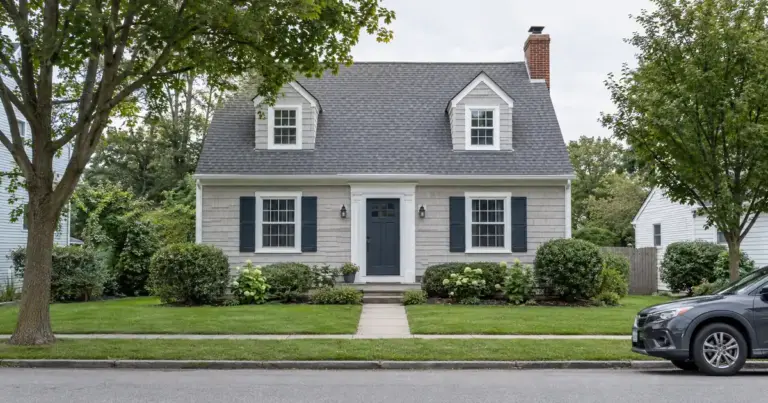
The individual signs the note and takes title personally.
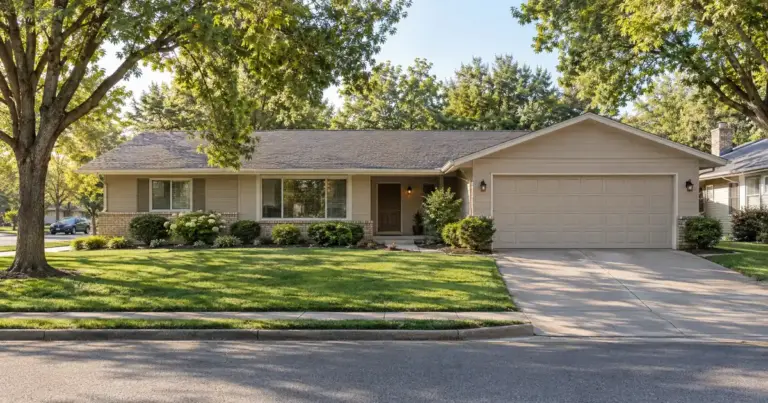
HELOC vs DSCR Cash-Out for a Rental — The choice usually comes down to one question: do you want to move the deed or keep the entity?
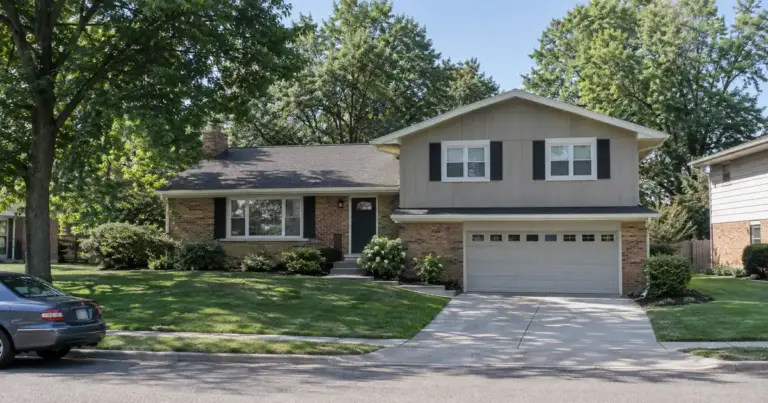
Two tests run at once on a rental cash-out: the leverage cap and the rent-coverage floor. Whichever test gives the smaller loan wins.