Does Statement Length Affect A Second Home Bank Statement Loan?

Statement Length Affect A Second Home Bank Statement — Yes.

 Lendmire Research
Statement Length Affect A Second Home Bank Statement — Yes.

Select lenders in Lendmire’s wholesale network run that asset math on its own schedule — separate from, and stricter than, the loan-sizing test itself.

Above $4,000,000 every file goes to case-by-case review before it’s even submitted.

There’s no federal law forcing two valuations on a large investment loan.

A defined three-to-seven-year hold usually points toward an adjustable structure with a shorter prepayment window.

Gift funds are widely accepted on primary residence and second home bank statement loans.

What actually paces the file is the appraisal and, above certain loan sizes, deeper reserve and entity documentation.
If you close in your personal name and deed the property to an LLC later, you are relying on the lender’s goodwill, not federal protection — the Garn-St.
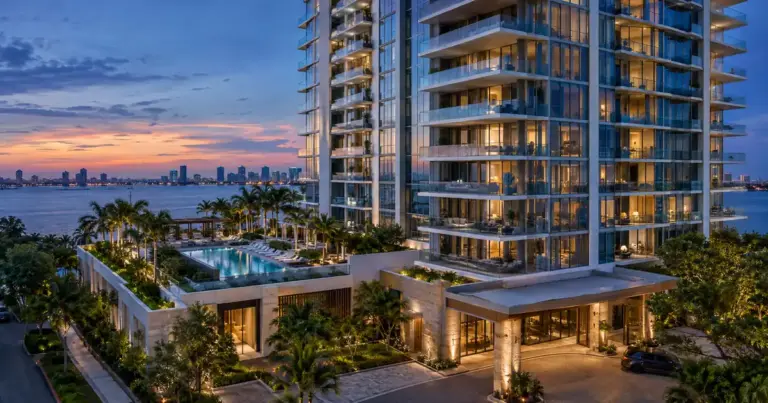
Investors chasing waterfront or resort units often assume that once their bank statements qualify them for a large loan, the building type is a formality.

Loan sizes in this space run from roughly $300,000 to $30,000,000 across two wholesale-side programs, with leverage stepping down as the balance climbs.

Above $2M, leverage bands step down fast, credit-score floors rise, and every file above $4,000,000 gets reviewed case by case before it’s even submitted.

That’s the whole tension in one line. During the interest-only window, qualification runs on interest, taxes, insurance, and dues.

The refinance is capped at the lesser of the appraised value or what the buyer actually spent to close — not a bigger number based on appreciation.

A $1 million primary residence purchase might clear 85% leverage on most files.

This piece walks through the mechanics step by step and where files stall.