How To Qualify For A P&L Loan On Your Ownership Share Of Business Deposits

Underwriters compare that ownership-adjusted figure against what you disclosed on your loan application and use whichever number is lower.

 Lendmire Research
Underwriters compare that ownership-adjusted figure against what you disclosed on your loan application and use whichever number is lower.

The exact mix depends on whether you’re buying a home to live in or a rental property, since those two paths use completely different underwriting math.

A primary residence has more room to run before overlays tighten.

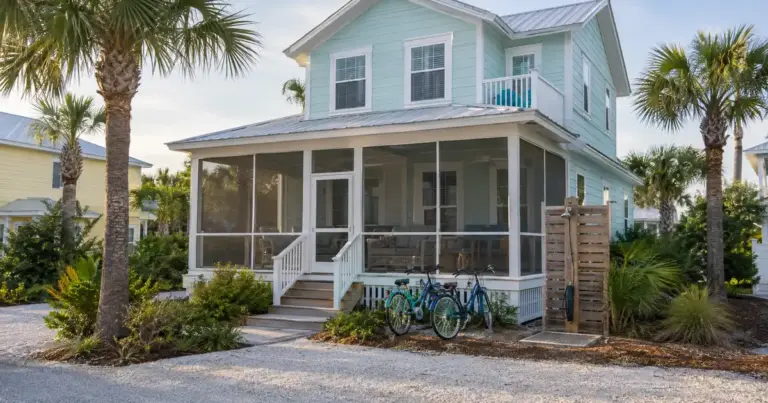
Resort real estate creates a documentation problem that ordinary suburban purchases don’t.

Super Jumbo Bank Statement Loan Checklist For Equity-paid Founders — what borrowers need to know, from Lendmire.

STR DSCR Vs Bank Statement Loan For The Self-employed — These solve two different problems.
The right answer depends on portfolio size, existing financing, and how much administrative overhead an investor wants to carry.

Below that line, underwriting is comparatively flexible. Above it, several rules tighten together, all at once. This is not one dial turning.

The upside: a profitable business owner whose tax returns understate real cash flow can still pull equity based on what actually lands in the bank.

A primary residence still sits below the overlay line, typically topping out near 75-80% loan-to-value with a 9-month PITIA reserve floor.

Lenders in the wholesale network treat it as an exception item, reviewed file by file, not as a guaranteed income line.

Neither option is “better” on paper.

Booking history usually wins when the property already runs and has a full trailing year of platform data.

Across select wholesale programs, that path stretches from $300,000 to $30,000,000, with leverage stepping down as the loan size climbs.

Sizes run $300,000 to $30,000,000 through two different wholesale ladders, each with its own leverage schedule.