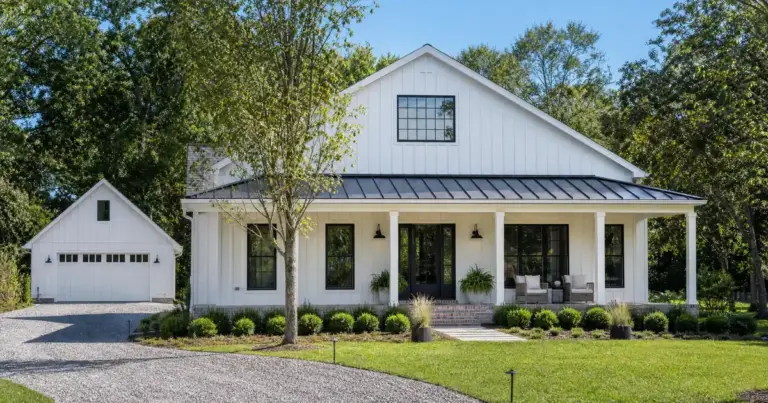
Fix And Flip Hard Money Loans
Across the wholesale network Lendmire works with, leverage typically runs 85% to 93% of project cost, always capped at 75% of ARV.

 Lendmire Research
Across the wholesale network Lendmire works with, leverage typically runs 85% to 93% of project cost, always capped at 75% of ARV.
Investors whose rentals are titled in an LLC hit a title wall, not a documentation wall, and typically pivot to a DSCR-based cash-out refinance instead.

Instead, they qualify the file on credit history, home equity, and debt-to-income using an interest-only payment estimate.
Using Home Equity To Invest In Stocks A Good Idea — For most people, no.
Both are business-purpose loans, which changes how they’re reviewed, priced, and documented compared to an owner-occupied mortgage.
Investment-property HELOCs exist, but they carry lower leverage, higher credit floors, and far fewer available lenders than a HELOC on a primary home.
Big banks, credit unions, and community banks typically sit in the first camp, capped by how many financed properties a borrower can carry.

Most sponsors who pool money from more than a few people rely on a Regulation D exemption, usually Rule 506(b) or 506(c).
– The lenders most likely to say yes are credit unions, portfolio lenders, and non-QM wholesale shops.

Using Home Equity To Invest — Homeowners tap built-up equity through a home equity line of credit, a home equity loan, or a cash-out
– “First-lien” or “first-position” describes where the loan sits on title — it isn’t a named program you shop by brand.
The lender sizes it on the deal (purchase price, rehab budget, and finished value), not on your paycheck.
None of this is “no documentation.” It’s a different documentation path, built around cash flow and assets instead of a tax return.

When Should You Cash Out Refinance: what borrowers need to know about cash-out refinancing — eligibility, documentation, and loan structure, from Lendmire.