Can Self Employed Get Mortgage?

Yes — self-employed borrowers get mortgages every day, and the “self-employed can’t qualify” line is mostly outdated.

 Lendmire Research
Yes — self-employed borrowers get mortgages every day, and the “self-employed can’t qualify” line is mostly outdated.

The “best” hard money lender isn’t the one with the lowest advertised terms — it’s the one whose leverage metric (LTV, ARV, or LTC), documentation
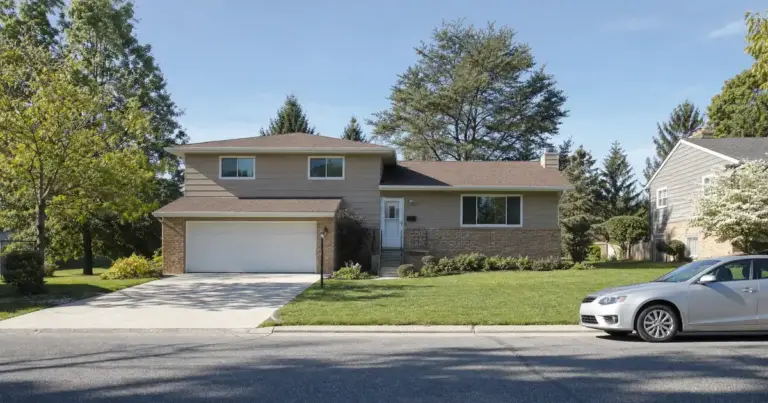
Searching for the “best bank” to refinance a rental property usually leads nowhere fast, because most banks don’t originate this loan type at any real

Yes, a cash-out refinance is a real and common way to turn built-up equity into usable cash — the new loan pays off the old one and the difference gets

There’s no legal or federal limit on the number of HELOCs an investor can hold — nothing in banking law caps the count.
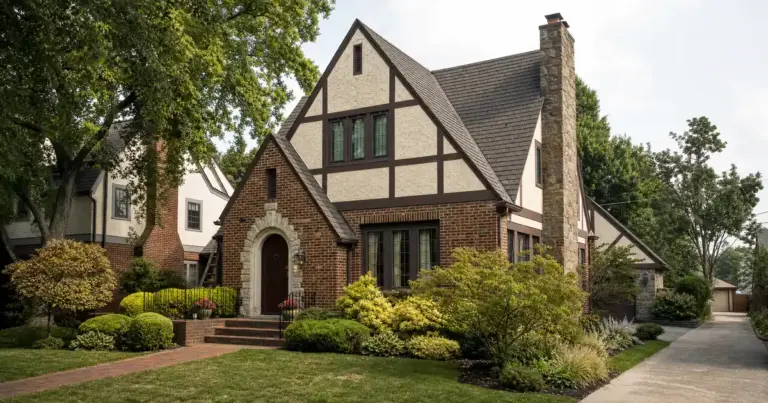
Yes, home equity can fund the purchase of another property, but two separate loans are doing two separate jobs.
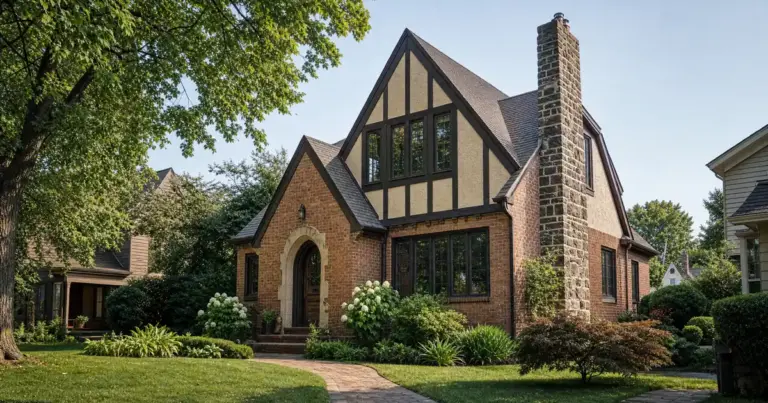
An FHA cash-out refinance isn’t inherently bad — it’s just unavailable to almost every rental-property investor.
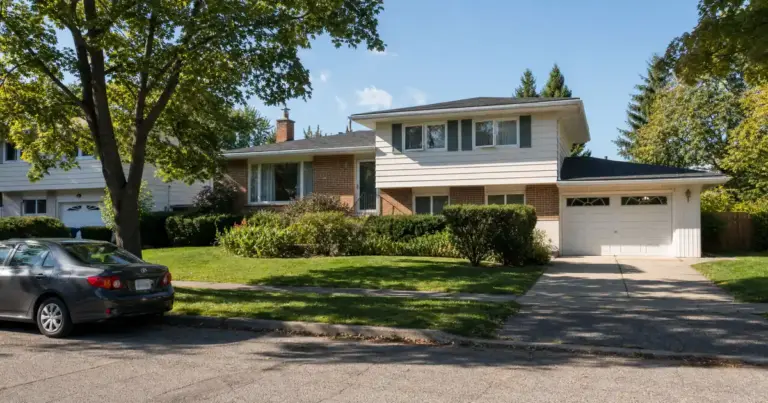
Hard Money Vs Private Money: what investors need to know about DSCR financing — eligibility, coverage, and loan structure, from Lendmire.
Yes. 1099 income is legitimate, documentable income, and lenders work with it every day.

Self-employment doesn’t block a HELOC application — it changes which income-documentation lane fits.
Self-employed borrowers can refinance, but the file works differently than a W-2 file.
Self-employed borrowers get approved for HELOCs regularly — the qualification path just runs through bank statements, profit-and-loss review, and asset
A true zero-documentation home equity line doesn’t exist, even on a rental property.

A self-employed borrower can qualify for a HELOC — what changes is the qualifying document, not the product.

There is no fixed net-income number self-employed borrowers must clear to qualify for a mortgage — the figure depends entirely on which underwriting lane