
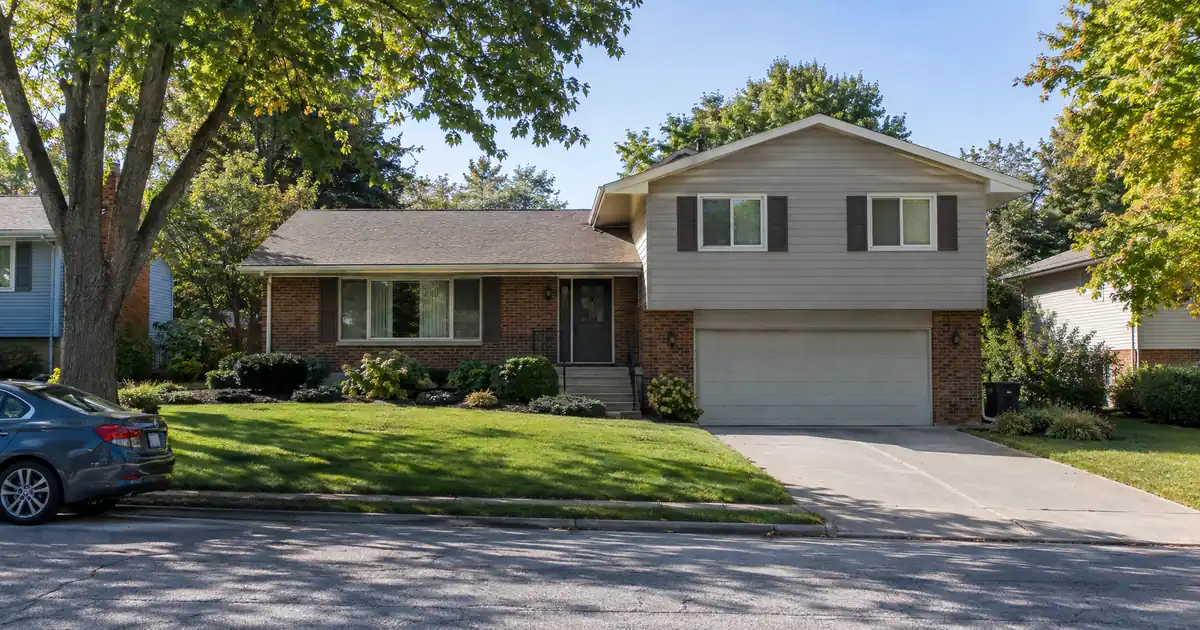
The Quick Read: A digital HELOC and a bank HELOC are the same product sold through different channels, so the better pick depends less on the label than on which property secures the line, how it is titled, and whether your purchase lender will accept borrowed down-payment funds.
- A HELOC (home equity line of credit) is a revolving line secured by a property you own. It is underwritten on you, not on the new rental’s income.
- Digital lenders tend to run more automated, standardized workflows. Banks tend to run more manual ones, often with a person you can call.
- Title matters more than branding. Most home-equity lines lend to individuals or revocable trusts, not LLCs.
- Borrowed down-payment money has to pass your purchase lender’s rules separately. Confirm that before you draw.
Here is the honest answer on who each option is for. A digital line suits an investor with clean personal credit, an individually titled property in a standard category, and a purchase that has a deadline. A bank line suits an investor who values a relationship, has a less standard file, or wants a loan officer to work through the details. Neither fixes a weak down-payment plan. Lendmire is a broker, not a lender, so it sees both kinds of files through its wholesale network, and the pattern holds: the file’s structure decides the outcome, not the logo on the line.
How large a line the equity supports.
An equity line is sized by combined loan-to-value, occupancy, and credit — not by rental coverage. Switch the occupancy or the credit band and the ceiling moves with it.
Investment-property lines require a 700 minimum credit score; second-home lines start at a 640 minimum and primary-residence lines at 600, and the combined-LTV ceiling steps down as the credit band drops on primary-residence and second-home lines and holds on investment-property lines; the line cap steps down on primary-residence lines and holds at every tier on investment-property and second-home lines.
A debt-to-income ratio above 45% requires 680+ credit. Profiles under 640 are limited to single-family homes. At least 75% of the approved line is drawn at closing. Ceilings, floors, and caps update from Lendmire’s centralized guideline source.
Line estimate
Illustrative estimate only — not a quote, Loan Estimate, approval, or commitment to lend. The rate is an editable assumption; equity-line pricing is variable through both the draw and repayment periods and never converts to fixed. Occupancy and credit drive the ceiling together: an investment property tops out at 70% combined LTV (minimum credit 700, line cap $500,000); a second home tops out at 90% combined LTV (minimum credit 640, line cap $500,000), with the ceiling stepping down as the credit band drops (the cap holds at every tier); a primary residence tops out at 90% combined LTV (minimum credit 600), and its $750,000 maximum line is available only at 75% combined LTV or below with a 700-or-better credit profile (720 on the longer-runway program) and a full appraisal. Lines above $500,000 require a full appraisal. Credit, debt-to-income, property type, and full underwriting review all affect the final line.
Side-by-Side
The columns below reflect published industry norms, with qualifiers. Individual lenders vary on every row.
| Factor | Digital HELOC | Bank HELOC |
|---|---|---|
| Review basis | Borrower credit, equity, DTI | Borrower credit, equity, DTI |
| Documentation | Often digital, standardized uploads | Often more manual, extra paper |
| Valuation | Often automated (AVM) | Often a full appraisal |
| Workflow timeline | Typically more automated, shorter review | Typically more manual, longer review |
| Property types | Often narrower, some primary-only | Often broader, more case-by-case |
| Entity vesting | Usually individual or trust | Usually individual or trust |
| Reserve expectations | Lender-specific, often asked on rentals | Lender-specific, often asked on rentals |
| Support | Mostly remote, few branches | Branches and relationship officers |
An AVM is an automated valuation model, a software estimate of value in place of a full appraisal. DTI is debt-to-income, your monthly debts measured against your income.
Notice what does not change from column to column. Both lines look at you, both usually want title in your own name, and both sit behind the same purchase-lender test. Pricing is not compared here. Pricing is the one thing that belongs only in the calculator, which gives an illustrative estimate rather than a quote.
What Decides the Outcome More Than the Label
Three things decide the outcome: which property secures the line, how that property is titled, and what the purchase lender accepts. The digital-or-bank question comes after those.
Start with collateral. Homeowners can use equity in a primary residence toward the down payment on an investment property, as Yahoo Finance explains. A line secured by the rental itself is a narrower product. NerdWallet notes that investment-property lines come from a smaller pool of lenders, with stricter requirements and lower borrowing limits, because lenders see higher default risk on rentals.
NerdWallet also reports that market-wide, investment lines can reach up to 80% combined loan-to-value (CLTV, meaning all liens added together against the property’s value), though many lenders sit lower. It reports a typical credit score of 720 or higher. Those are market surveys, not network figures. In Lendmire’s wholesale network, an investment-property line tops out at 70% CLTV with a 700 minimum credit score. The line size runs up to $500,000. Credit above 700 does not buy more leverage on an investment line.
On a primary residence or second home, the network ceiling reaches 90% CLTV, but only at a 720-or-better credit profile. That is a sharp step down from primary to investment collateral, and it shapes most portfolio plans.
Several network details matter for an investor:
- Investment lines run a 5-year interest-only draw followed by a 25-year repayment period.
- At least 75% of the line is drawn at closing.
- Because investment lines cap at $500,000, they are ordinarily valued with an automated model and commonly close with no traditional appraisal.
- The maximum DTI is 50%, and the lender reviews your file on the interest-only payment calculated on the maximum draw.
- These lines are available through the brokerage in 16 states, which is narrower than its 41-market DSCR footprint, including Washington, D.C.
Property type is the other filter. Single-family homes, 2-4 units, townhomes, PUDs, and condominiums (including non-warrantable ones) are eligible. Manufactured homes, co-ops, condotels, log homes, commercial, and mixed-use properties are not offered. Programs change, and every file is reviewed individually.
When a Digital HELOC Is the Better Fit
A digital HELOC fits best when the file is clean, the timeline is tight, and you do not need a person to translate your situation. Digital lenders usually run standardized workflows, and a typical online platform is a fintech or a bank-backed digital arm with few or no branches. That standardization helps when your file matches the template.
It tends to fit if most of these are true:
- You hold title individually, or in a revocable living trust, with no LLC in the chain.
- The property is a standard single-family home or similar, in a standard location.
- Your income and credit are straightforward, so automated review has little to question.
- A purchase has a deadline, and a more automated workflow reduces the number of steps you manage.
- You are comfortable with remote document upload and little face-to-face contact.
Know the trade-offs. Automated valuation can undervalue a unique, rural, or freshly renovated property, because software leans on comparable sales and can miss recent work. Some digital products are available only on primary residences. State availability can also be narrower. If your equity sits in a rental, a digital line may simply not exist for you.
When a Bank HELOC Is the Better Fit
A bank HELOC fits better when your file needs judgment, not a template. A bank or credit union may take a full appraisal, review more paperwork, and let a loan officer weigh details a form cannot capture. The cost is a longer, more manual process.
It tends to fit if you:
- Own property that does not fit a standard box, such as an unusual layout or a recently renovated home an automated model would misread.
- Already hold deposits and a relationship at the institution, which can help on a borderline file.
- Want a person to explain draw terms, reserves, and the payoff plan before you sign.
- Have variable or self-employed income that a standardized workflow handles awkwardly.
- Are not racing a purchase contract and can absorb a slower process.
The same catch applies here. Banks commonly decline or restrict non-owner-occupied collateral and may limit loan size. A bank line does not rescue a plan that fails the purchase lender’s test.
Will the Purchase Lender Accept the Money?
Not automatically. The HELOC lender cares that you can repay the line. The DSCR lender cares where your down payment came from and whether the property carries itself.
Here is how a DSCR purchase works. DSCR stands for debt service coverage ratio, which compares a property’s monthly rent to its full monthly payment of principal, interest, taxes, insurance, and any HOA dues (PITIA). Across the network, most purchase files land at 75%-80% LTV on the purchase of an investment property, which means 20%-25% down. Select programs reach 85% LTV on a purchase, with roughly a 700-plus score. A cash-out refinance tops out around 75% LTV on standard rentals (70% on short-term-rental collateral), with about six months of seasoning commonly expected.
Coverage of 1.00 is where select programs start. It is a floor for those programs, not a universal standard. A separate select-lender path takes coverage below 1.00, with leverage and terms adjusted. Credit floors also vary: 620 exists in parts of the network, most programs want about 660, and 700-plus opens the strongest leverage tiers.
The HELOC payment generally sits outside the DSCR calculation, because DSCR measures only the property’s own PITIA. It still comes out of your pocket every month. On a DTI-based loan, by contrast, the new HELOC payment lands in your debt ratio and can block approval.
Reserves are a separate pot. They commonly run around six months of PITIA, though conservative files at modest leverage under $1,500,000 can see reserves waived, and larger loans typically step up to about nine months. Borrowed money may satisfy one test and fail another. Some programs limit borrowed funds or want a minimum from your own savings. Treatment varies by program, so ask the broker before you draw, not after.
One caution on language. Clearing 1.00 is not the same as positive cash flow. Repairs, vacancy, management, utilities, and capital expenses all sit outside the ratio.
How Far the Line Stretches Across a Portfolio
A HELOC is a finite, revolving resource, while DSCR loans are written property by property. That difference decides how many deals one line can feed.
The sizing formula is simple: property value times the lender’s CLTV cap, minus what you already owe. The cap is lender-specific. On an investment property in the network, it is 70% CLTV.
Picture an investor with a free-and-clear primary home and a rental with a mortgage. Run the numbers on each:
- The primary home has the most room, because primary-residence ceilings reach 90% CLTV at a 720-or-better profile. On a primary residence, a line above $500,000 caps at 75% CLTV and requires a full appraisal.
- The rental has far less room. At 70% CLTV on an investment property, existing mortgage debt consumes most of the allowance before the line starts.
- After the first purchase, the next one has less to work with. Each new draw reduces the equity that supports the following line.
Network limits also apply. A borrower is limited to three lines, with combined exposure capped at $2,000,000 on the higher-leverage program, and a borrower owning more than 15 financed properties is not eligible. These limits are why many investors run the HELOC for one or two deals, then shift to property-based financing.
Carrying Both Payments
The stacked-payment test is the one that catches people. You will owe the purchase loan and the HELOC at the same time, and at least 75% of an investment line is drawn at closing. That means interest accrues on most of the line from day one, whether or not you need all of it.
A line may also be frozen. The CFPB explains that a lender can freeze or limit further draws if the home’s value falls significantly or your finances change. It also notes that a HELOC on a home with a mortgage is a second mortgage payable in addition to the first. If your plan for deal three depends on line capacity, a frozen line can end it.
Stress-test the plan in three ways:
1. Run the property at its expected rent and then with an extended vacancy.
2. Add the line’s full payment on the amount drawn, not just on the portion you intend to use.
3. Confirm that your reserves cover the property and the line, not one or the other.
If the coverage ratio works only when the rent is perfect, the structure is too tight.
Title, LLCs, and the Tax Question
If a rental is already in an LLC, a standard home-equity line usually will not work. In the network, a line must be held by the individual borrower or a revocable living trust. LLCs, corporations, partnerships, and irrevocable, blind, or land trusts cannot hold title. A property already deeded to an LLC needs a vesting change or a DSCR cash-out instead. DSCR loans to LLC-titled properties are available subject to lender program eligibility.
Do not move a mortgaged rental into an LLC just to qualify for a line. Federal law at 12 U.S.C. § 1701j-3 makes due-on-sale clauses generally enforceable and lists specific protected transfers. Law-firm explainers generally read transfers into an LLC as not among the protected ones. Enforcement varies in practice, so talk to counsel and the servicer first.
Tax treatment can depend on how the funds are used and how the property is held; investors should keep clear records and speak with a qualified tax professional before relying on any deduction.
For a practical next step on the equity side, Lendmire’s piece How to Size a Bank Statement HELOC to Cover a Rental Down Payment walks through the arithmetic. For the alternative path, see its piece Rental HELOC vs DSCR Cash-Out for Raising the Next Down Payment.
Key Terms Defined
HELOC: A revolving line of credit secured by a property, with a draw period followed by a repayment period.
CLTV: Combined loan-to-value, the total of all liens on a property divided by its value.
AVM: An automated valuation model, a software estimate of value used in place of a full appraisal.
PITIA: Principal, interest, taxes, insurance, and association dues, the full monthly payment on a property.
DSCR: Debt service coverage ratio, a property’s rent divided by its PITIA.
Seasoning: The waiting period a lender wants between events, such as owning a property before a cash-out refinance.
The Balanced Verdict
Choose by file, not by brand. If your equity sits in a primary home you hold individually, your credit is strong, and the file is standard, a digital line is a reasonable pick. If your property or income needs judgment, a bank line is the better conversation. If your equity sits in an LLC-titled rental, neither is likely to work, and a DSCR cash-out is the path to price. The complete DSCR loans guide covers how the property-based side of that decision works.
Whichever line you pick, test the whole plan: the down-payment rules, the reserves, the combined payments, and the exit. The strongest files clear both tests, enough equity and enough rental coverage.
If you are considering a home equity line and want to see how the numbers work, Lendmire can help you compare HELOC options based on the property, the equity available, credit profile, combined leverage, and your goals. Reach the team at 828-256-2183.
Frequently Asked Questions
Can I use a HELOC as the whole down payment on a DSCR purchase?
It depends on the program. Some DSCR programs limit borrowed funds or want a minimum from your own savings, and reserves are a separate test. Ask the broker how the specific program treats borrowed funds before you draw. A plan built entirely on borrowed money is the version most likely to fail.
Does the HELOC payment lower my DSCR?
No. DSCR counts the new property’s own PITIA against its rent. The HELOC payment still comes out of your monthly cash flow, and on a DTI-based loan it counts against your debt ratio. That is why a ratio above 1.00 can still leave you short each month.
Can I get a HELOC on a rental that has a mortgage?
Sometimes, but the pool of lenders is smaller, as NerdWallet notes. In the network, an investment-property line tops out at 70% CLTV with a 700 minimum credit score. Existing mortgage debt counts toward that CLTV, so a heavily financed rental often leaves little room.
What if my rental is held in an LLC?
A standard home-equity line generally cannot be placed on a property titled in an LLC. A vesting change or a DSCR cash-out is the usual alternative. Talk to counsel before changing title on a mortgaged property, because of due-on-sale clauses.
Is a digital HELOC cheaper or easier than a bank HELOC?
Not always. Digital lenders often use automated valuation and standardized workflows, but that is typical, not universal, and some products are limited to primary residences. Compare eligibility first, because a line you cannot use costs nothing and helps nothing.
About Lendmire
Lendmire, NMLS# 2371349, is a mortgage brokerage that arranges home equity lines of credit through wholesale lending partners in its 16 full-service states. Lines on primary residences, second homes and investment properties are each reviewed individually by the lender under the program’s occupancy, credit and combined-loan-to-value guidelines. Scotsman Guide named Lendmire a Top Mortgage Workplace in both 2025 and 2026.
Get Started
Ready to find the right loan for you?
In about 30 seconds you can review financing options available for your home or investment property. No commitment required.
Informational only. Not a Loan Estimate, approval, or commitment to lend. Program availability and eligibility are subject to lender guidelines, credit approval, property review, and underwriting.
References
1. Yahoo Finance – Using a HELOC for a down payment
2. NerdWallet – Can you get a HELOC on an investment property?
3. CFPB – What is a home equity line of credit (HELOC)?
4. Cornell LII – 12 U.S.C. § 1701j-3
This article is part of Lendmire’s investment property HELOC program — full qualification details, guidelines, and scenarios live on the program page.
Related reading: Do Fintech Rental HELOCs Allow LLC-Owned Properties? · Cross-Collateral Line vs Super Jumbo DSCR Cash-Out: Equity and Risk · Can You Get a DSCR Cash-Out Refinance When the Ratio Falls Below 1.0?
Brandon Miller
Founder & CEO, Mortgage Loan Originator, Lendmire LLC
- Mortgage Loan Originator · NMLS# 1129696 · Verify on NMLS Consumer Access
- North Carolina Real Estate Broker · License# 343312 · Verify on NCREC
- North Carolina Insurance Producer · License# 19053198 · Property, Casualty, Life, Health · Verify on NAIC SBS
- Lendmire LLC · Firm NMLS# 2371349 · Verify firm licensure
Legal disclosures. Lendmire (NMLS# 2371349) is a state-licensed mortgage brokerage that arranges financing through wholesale lender relationships. Lendmire is not a direct lender, depository institution, or registered financial advisor. The discussion above is general informational content about real estate financing — it is not financial, legal, or tax advice, and readers should consult licensed professionals for guidance on their individual circumstances. Loan inquiries are subject to lender underwriting; this article does not represent a commitment to lend. Loan terms, rates, and qualification standards vary by borrower, property, and state, and are subject to change at any time. Equal Housing Opportunity. NMLS Consumer Access: nmlsconsumeraccess.org.