
The Quick Read: The best program for your condotel depends on whether you need a short-term bridge or a loan you can hold. Hard money is an asset-based loan that is sized to the property’s value and your exit plan. On a condotel it works as a short bridge, not a permanent home. Most investors who use it plan to move into long-term DSCR financing, which qualifies primarily on property-level rental income covering the payment, subject to lender guidelines.
- Hard money cash-out and refinance files typically run up to 65% of value, with 6 to 18 month interest-only terms. Details vary by lender, property, and experience.
- Condotel eligibility is decided property by property, because the hotel-style operation is what lenders examine first.
- The exit loan is the real bottleneck. Plan it before you sign the bridge.
- On a vacation-rental condotel, a DSCR cash-out refinance on short-term-rental collateral generally tops out around 70% of value across the network.
- Nothing here is a commitment to lend. Every file is underwritten individually.
What Does “Hard Money Cash-Out Refinance” Mean on a Condotel?
The phrase gets used two ways, and they lead to different decisions.
Route A is the bridge exit. You hold a short-term asset-based loan on the unit. You pay it off with a permanent loan and pull out the difference as cash. Here the hard money is the old loan, and the cash-out happens on the long-term loan.
Route B is a hard money cash-out. A private lender gives you a new short-term loan against a condotel you already own. You take cash at closing and plan to refinance out later.
Both are real. Route B costs you a second set of closing costs, because you still need the exit loan afterward. Route A is cleaner when the unit already has a rental history. Route B fits when the unit cannot yet qualify for long-term financing and you need the cash now.
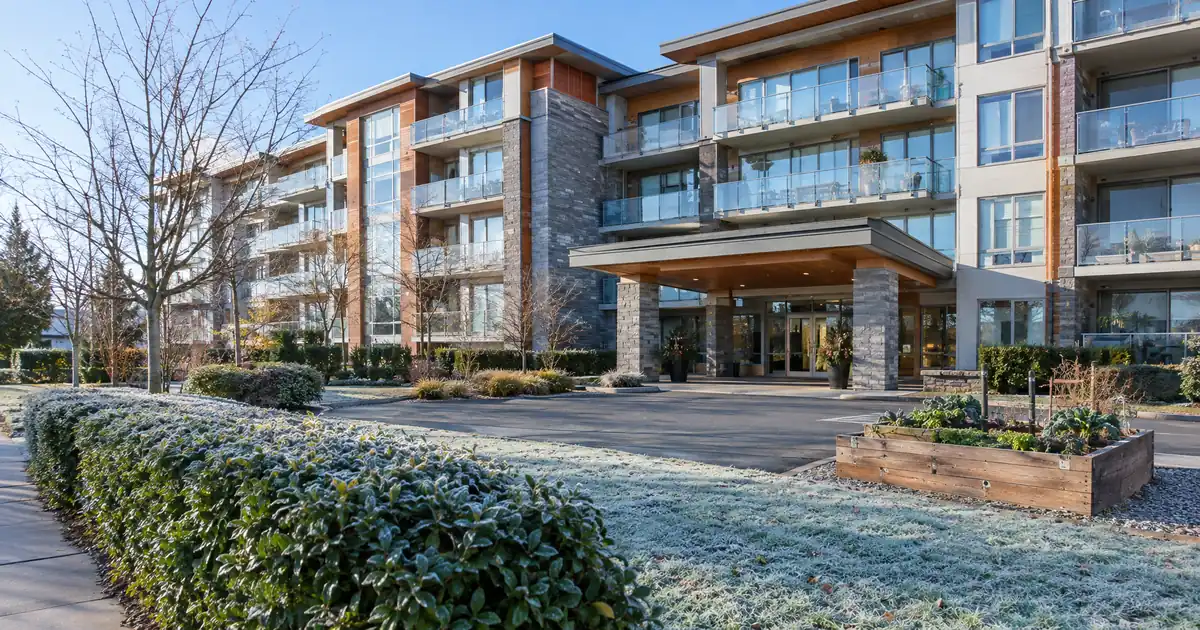
A condotel is a condominium operated like a hotel, with a front desk, cleaning service, and often a rental program. Units are individually owned, and owners may place them in that program (Investopedia). Because you hold a deeded unit, a lender can treat it as investment real estate. A timeshare is a different animal and is not underwritten this way.
Why Condotels Land Outside Standard Lending
Condotels sit outside agency lending for a plain reason: the building behaves like a hotel. Fannie Mae’s guide makes a project ineligible when hotel or resort professionals manage it and arrange short-term rentals for owners, or when it holds a hospitality license, carries hotel, motel, or resort in its name, or is marketed as an investment (Fannie Mae Selling Guide B4-2.1-03). The agency’s own condo Q&A names condotel characteristics as a test of project eligibility (Fannie Mae condo Q&A).
That rulebook does not govern investor loans. It explains why the lender pool is narrow. A condotel refinance usually runs through non-QM, DSCR, or portfolio lenders, or through private money. A lender-side post on BiggerPockets describes condotels as fundable but unattractive to many lenders, citing income uncertainty, dependence on the hotel manager, and HOA finances (BiggerPockets).
Those are the same risks a hard money lender weighs, only in a shorter window.
How Underwriting Actually Treats a Condotel, Step by Step
Across the wholesale network, the same sequence shows up on almost every file.
1. Classify the building. An ordinary condo, a non-warrantable condo, and a condotel are three different things. A condotel is one kind of non-warrantable project, but the terms are not synonyms. A building can also be tagged a condotel because of its operations, even when your unit is self-managed. The label drives which lenders will look at it.
2. Read the rental-pool or management agreement. Lenders check whether pool participation is mandatory or voluntary, how revenue is split, whether owner-use is capped, and how you exit the program. A mandatory pool with no opt-out narrows the field the most. A voluntary pool is often workable with the right paperwork.
3. Document income as the owner’s share. Lenders count what lands in your account after the operator’s cut, not gross bookings. Expect trailing operator or pool statements, the management agreement, and bank or platform statements. Operators often keep a large share of gross revenue, so a plan built on gross bookings falls short.
4. Handle the appraisal carefully. The appraiser’s standard rent schedule targets long-term market rent, and it was not designed for nightly income. Do not multiply a nightly rate by 30 and call it rent. Ask whether a short-term-rental income analysis can be ordered with the appraisal. Without one, the figure can default to long-term rent. Comparable sales are also thin for many condotels, so the valuation itself is a risk.
5. Assemble the project package. Expect a project questionnaire, the building budget, master insurance, and HOA documents that allow short-term rental. Pending litigation and special assessments get a hard look.
6. Check ownership history. A hard money exit is almost always treated as cash-out, not rate-and-term. About six months of recorded ownership is the common seasoning expectation on the long-term side.
Hard money skips much of this chain. The lender focuses on value, plan, and exit rather than your personal income or a stabilized rent history. That is why it is available when a long-term lender will not yet look at the file. It is also why the bill comes due in the exit.
What Hard Money Looks Like on These Files
Here are the program mechanics, all subject to lender guidelines and varying by lender, property, and experience.
- Leverage: Cash-out and rate-and-term refinances run up to 65% of value. Bridge purchases without rehab run up to 80% of purchase price.
- Term: 6 to 18 months, interest-only, with no prepayment penalty.
- Loan size: Up to $5,000,000, larger by exception. Smaller balances vary by lender.
- Credit: A 620 minimum score, with additional conditions below 660. Underwriting stays asset-based.
- Collateral: Non-owner-occupied residential property, one to four units.
Hospitality, commercial, and land collateral are not on the sheet. A condotel that is a deeded residential unit may fit. A unit whose project functions primarily as a hotel may not. That decision comes from a lender’s review of the building, not from a general rule. A broker can screen the project before you pay for an appraisal.
Costs are real too. Short-term private money carries heavier fees than long-term financing. Ask for every cost, and the full terms, in writing before you compare.
Hard Money vs. DSCR Cash-Out: Which Path Fits?
DSCR stands for debt service coverage ratio. It compares the property’s rent to the monthly housing payment (principal, interest, taxes, insurance, and association dues). It does not measure what is left after repairs, vacancy, management, utilities, and capital spending. A unit can clear the ratio and still squeeze you on condotel dues.
| Situation | Better fit | Why |
|---|---|---|
| Unit has a year of hosting history | DSCR cash-out | Income can be documented |
| Unit is new or recently acquired | Hard money bridge | History is not there yet |
| Rent coverage is thin | Hard money, short plan | Value drives sizing |
| Mandatory rental pool, no opt-out | Narrow lane, either path | Few lenders look at it |
| Need long-term hold | DSCR cash-out | No maturity clock |
On the DSCR side, short-term-rental collateral generally runs about 70% cash-out and 70% on refinances, against roughly 75% for standard-rental cash-out. Expect a 640+ score, about 12 months of hosting history, and a 1.00 coverage floor, which is where select programs start rather than a universal standard. Condotels can be priced more conservatively than a plain short-term rental, depending on the lender and the project. Coverage below 1.00 is available through select lenders in the network, with leverage and terms adjusted. Any rule that sets a leverage ceiling beyond these figures has to come from the actual program.
Brokers see this in comparative form. Some lenders in the network will review a condotel with a voluntary pool and strong statements. Others will not touch the building at all. The right lender is whichever one has an appetite for your specific project. That is the practical meaning of the best program for your situation.
For more detail on the permanent side, see Lendmire’s piece Best DSCR Cash-Out Refinance Program on a Condotel Used as a Vacation Rental. The broader mechanics are in the complete DSCR loans guide.
A Hypothetical Walk-Through
Run the numbers on a condotel valued at 100 units of value. These are modeled assumptions, not a market quote.
You carry a hard money bridge on it at 55% of value. A hard money cash-out refinance tops out around 65% of value. That leaves roughly 10 points of value as gross cash-out, before payoff costs, closing costs, and fees. The gap can disappear fast once costs come out.
Now the DSCR exit. Say the unit has a year of documented hosting income and clears coverage at roughly 1.2x on the owner’s share. A short-term-rental cash-out at up to 70% of value would leave about 15 points over the same 55% payoff. That is before costs. If the lender prices the condotel more conservatively, the figure shrinks.
The takeaway is simple. A hard money cash-out on a condotel often gives you thin net proceeds. The bigger cash usually comes from the permanent loan.
Where the General Rule Breaks
- The label does not match the reality. Files stall when a condotel is really a self-managed short-term rental with no formal hotel program behind it. The label matters less than how the building actually operates.
- Mandatory pool with no opt-out. This is often a decline and the narrowest lane.
- Cash-purchased condotel. It can be refinanced after the seasoning period, with leverage still below the standard cash-out ceiling.
- Larger balances. These can add a second appraisal, cash-in-hand documentation, and the 12-month hosting-history requirement.
- Timeshares and fractional rental-pool structures. These are not deeded condotel units and are not underwritten the same way.
- Rules that change the revenue. Short-term rental rules can vary by city, county, HOA, and property type, so confirm local rules before relying on projected rental income.
Dated investor commentary on BiggerPockets calls condotels a weak cash-flow play compared with ordinary rentals, citing revenue sharing and recapitalization costs (BiggerPockets). Treat that as one investor’s view, not a market measurement. The point worth keeping is that fees and dues can eat the margin your coverage ratio never shows.
Plan the Exit Before You Sign the Bridge
Hard money has no long-term refinance built in. Its term is 6 to 18 months and it ends in a maturity date. A hard money exit that depends on a thin pool of permanent lenders is the biggest single risk on a condotel.
Many investors refinance out of hard money into long-term DSCR financing once the property is stabilized. Lendmire, a mortgage broker that arranges loans through select lenders in a wholesale network across 41 markets, including Washington, D.C., places that path. Whether your unit qualifies for it depends on the project, the rental agreement, and your history.
Work backward from the exit:
1. Get the project reviewed first.
2. Confirm whether the pool is voluntary.
3. Start your hosting history as early as the rules allow.
4. Count the months of ownership and income you will have when the bridge ends.
5. Keep a fallback in mind, such as a sale or a cash-in extension, in case the exit slips.
Who This Fits and Who Should Skip It
Hard money on a condotel suits an investor who has a defined exit, reasonable equity, and a unit that will soon have the paperwork a permanent lender wants. It also suits someone who needs time to resolve a project issue.
Skip it if the exit depends on a lender who has not looked at your building. Skip it if the proceeds barely clear the payoff and fees. Skip it if the only plan is to refinance later and hope.
If you want the cash and plan to hold, the permanent loan is usually the one worth optimizing.
Key Terms Defined
Condotel: A deeded condo unit in a project run like a hotel, often with a rental program.
Non-warrantable condo: A condo project that fails standard agency eligibility rules, for reasons such as investor concentration or litigation.
Asset-based lending: A loan sized mainly to the property’s value and the exit plan, not to personal income.
Seasoning: The period you must own, or have operated, a property before a lender will refinance it.
Rental pool: A program where the operator rents owners’ units and splits the revenue.
Exit strategy: The plan, and the loan, that pays off a short-term loan at maturity.
Frequently Asked Questions
Can a condotel be refinanced with hard money?
Sometimes. It depends on whether the lender will accept the project and the rental structure. Hard money cash-out and refinance files typically run up to 65% of value on non-owner-occupied one-to-four-unit residential collateral, subject to lender guidelines. Hotel-style projects may not fit, so screen the building first.
Is hard money better than a DSCR loan for a condotel cash-out?
Neither wins every time. DSCR suits a unit with documented hosting income and a long hold. Hard money suits a unit that cannot yet qualify, paired with a clear exit.
Do I need a rental history to use hard money?
Not necessarily, since underwriting centers on property value, plan, and exit. A DSCR exit on short-term-rental collateral generally wants about 12 months of hosting history.
Does a mandatory rental pool stop a refinance?
It narrows the lender pool the most, and many lenders will decline it. A voluntary pool is more workable with the right documents.
What happens if the hard money note matures before I can refinance?
You have to extend, sell, or pay off. Extensions usually cost more, so build the exit into your timeline from the start.
Next Step
If you are buying, rehabbing or refinancing an investment property on a short timeline and want to see how the numbers work, Lendmire can help you compare hard money options based on the project, the exit plan, leverage, and your goals. Nothing here is a commitment to lend, and every file is underwritten individually.
About Lendmire
Lendmire, NMLS# 2371349, is a non-QM mortgage broker serving real estate investors in 41 markets, including Washington, D.C., through DSCR investor loan programs. Qualification is generally reviewed around the subject property’s rental income, not the borrower’s W-2 history — a practical fit for LLC-titled portfolios and self-employed investors. All scenarios remain subject to lender review and program guidelines. Two consecutive Scotsman Guide Top Mortgage Workplace recognitions (2025, 2026).
Get Started
Ready to find the right loan for you?
See your offer in seconds. No credit pull, no obligation.
Informational only. Not a Loan Estimate, approval, or commitment to lend. Program availability and eligibility are subject to lender guidelines, credit approval, property review, and underwriting.
References
2. Fannie Mae Selling Guide B4-2.1-03
4. BiggerPockets: Why condotels are difficult to fund
5. BiggerPockets: Buy and hold condotel units
This article is part of Lendmire’s hard money loan program — full qualification details, guidelines, and scenarios live on the program page.
Related reading: Short-Term Rental Cash-Out Refinance Requirements When Your Mortgage Is Almost Paid Off · How a Lender Counts Reserves on a BRRRR Cash-Out Refinance · Top Hard Money Cash-Out Refinance Providers to Tap Equity From a Rental Property
Brandon Miller
Founder & CEO, Mortgage Loan Originator, Lendmire LLC
- Mortgage Loan Originator · NMLS# 1129696 · Verify on NMLS Consumer Access
- North Carolina Real Estate Broker · License# 343312 · Verify on NCREC
- North Carolina Insurance Producer · License# 19053198 · Property, Casualty, Life, Health · Verify on NAIC SBS
- Lendmire LLC · Firm NMLS# 2371349 · Verify firm licensure
Compliance and disclosures. Lendmire (NMLS# 2371349) is a licensed mortgage broker and is not a direct lender, depository institution, financial advisor, or tax professional. Content in this article is general market analysis and educational information — not financial, legal, or tax advice for any specific situation. Lendmire does not guarantee loan approval; every transaction is subject to underwriting by the funding lender. Mortgage pricing and loan program guidelines are subject to change at any time without notice and vary by borrower characteristics, property type, and state regulations. Lendmire complies with Equal Housing Opportunity. Licensure verification: NMLS Consumer Access.