
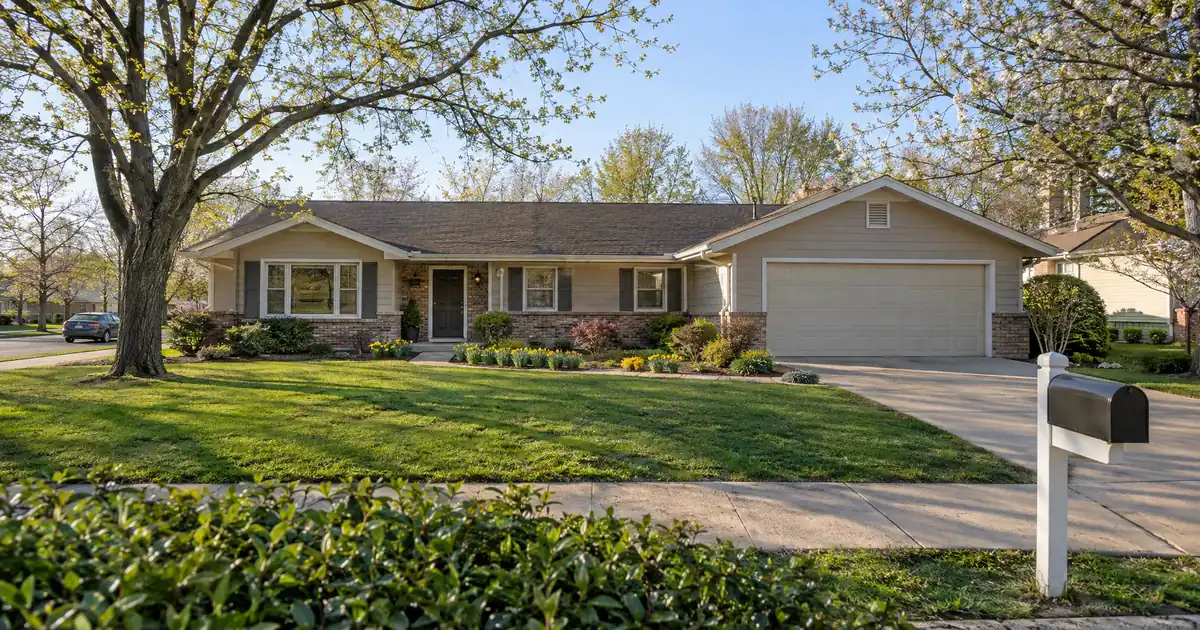
The Quick Read: The best program depends on how many rentals you hold, how much equity sits in them, and whether the pool can cover its combined payment. A portfolio DSCR cash-out puts one note on several rentals and pays you one lump sum at closing, which you then spend on renovations yourself.
- It is a permanent loan, not a construction loan. There are no draws.
- Cash-out never exceeds 75% of pooled value on standard rentals, subject to lender guidelines.
- Coverage is tested on the pool: combined rent against combined PITIA, with a 1.00 floor on the 30-year structure.
- Seasoning is about 6 months from title recording.
- Net cash is lower than the headline number once payoff and closing costs come out.
Lendmire is a mortgage broker. It works with a wholesale network of DSCR lenders and matches the file to the program that fits. It does not lend, and no one can name a single best program without seeing the scenario.
What a Portfolio DSCR Cash-Out Actually Is
A portfolio DSCR loan is one note secured by two or more rentals. “Blanket loan” and “cross-collateralized loan” mean the same thing. (A bank’s “portfolio loan,” meaning a loan the bank keeps on its own books, is a different use of the word.)
DSCR describes how the file qualifies: on property-level rental income covering the payment, subject to lender guidelines. It says nothing about how many properties secure the note. Cash-out means the new loan is larger than the payoff and the difference comes to you at closing.
Two structures exist in the network:
| Feature | 30-year portfolio DSCR loan | Rental portfolio term loan |
|---|---|---|
| Properties | 2 to 20 | 5 or more properties or units |
| Loan size | $300,000 to $5,000,000 | $500,000 to $50,000,000 |
| Purchase / rate-term leverage | Up to 80% | Up to 75% |
| Term | 30-year, interest-only available | Fixed 3, 5, 7 or 10 years, balloon |
| Recourse | Personal guarantee on recourse loans | Recourse or non-recourse |
Larger balances are reviewed case by case. Small multifamily of five or more units is eligible only inside the rental portfolio term loan. Owner-occupied property, co-ops, mixed-use and commercial property are not eligible in either pool. Manufactured and mobile homes are not reviewable on these programs.
For the full picture of how DSCR loans work, see the complete DSCR loans guide.
Why Renovation Money Is Different Here
A DSCR cash-out is not a rehab loan. It pays once, at closing. You spend the cash afterward, on your schedule, across whichever properties need work.
That has two practical effects. First, nobody inspects draws or releases funds by milestone. Second, the lender values each property as it stands at appraisal, not as it will look after the work. Your after-repair estimate is not an underwriting input. An improvement may support a higher appraised value, depending on comps and underwriter review. Plan the budget so the loan still works if the appraisal comes in light.
Because renovation proceeds on a rental are business-purpose funds, occupancy and purpose certifications matter in the file. DSCR loans are designed for non-owner-occupied investment properties, and they are reviewed differently from a standard owner-occupied mortgage.
How Underwriting Treats the File, Step by Step
1. Classify the request. A refinance that returns meaningful cash at closing is cash-out. Seasoning, loan-size and leverage limits hit cash-out files hardest. A rate-and-term refinance returns no cash.
2. Pick the structure. The pool can be one note, or each property can sit on its own note. Most investors with uneven properties are better served by separate cash-out loans. A blanket suits a uniformly strong, long-hold portfolio with acceptable release terms.
3. The lender orders its own appraisal. Values are run per property and summed. Cash-out is capped against the pooled value. The appraiser also supplies market rent, using the rent-schedule form for one-unit properties (Form 1007) and the small-income-property report for two to four units (Form 1025), as listed on the Fannie Mae forms page. Those are only the appraisal form names. They do not govern DSCR loan terms.
4. The coverage test. DSCR is rent divided by PITIA: principal, interest, taxes, insurance and association dues. It runs on the new, larger payment. On the 30-year portfolio structure the test is pooled rent over pooled debt service, so stronger properties can offset weaker ones. A rental below 1.00 coverage can sit in the pool, but underwriting tests the pooled coverage, the leverage and the terms.
5. The leverage test. The loan is the smaller of the value-based amount and the rent-based amount. Payoff and costs come out of that number.
6. Seasoning sets the value basis. About 6 months from title recording is the common expectation. Inside the first six months, the loan is also capped at 90% of total cost (purchase price plus documented improvements), and at 100% of total cost from six to twelve months. The leverage ceiling still applies, and the loan is the lower of the two. After twelve months, appraised value alone is the basis. A rate-and-term refinance is not subject to the cost-basis cap.
7. Documents. Expect an entity package with identical legal names across every document, subject to lender program eligibility. Expect leases and proof of rent payments, plus an itemized renovation scope of work. The file needs three proofs: ownership, signing authority and real rent.
8. Release terms. Several properties secure one note, so the loan documents must say how one property leaves the pool. Partial releases and substitutions follow the lender’s release terms. The release price runs above the property’s allocated balance, and the remaining pool must still cover its debt service. Weak release language is the quiet problem that turns a flexible-looking pool into a trap.
Passing Coverage Is Not Positive Cash Flow
A cash-out raises the balance and the payment. Monthly cash flow falls. That is mechanical, not a flaw.
DSCR compares rent to PITIA only. Repairs, vacancy, management, utilities and capex all sit outside the calculation. A file at 1.05x can clear underwriting and still run thin once a roof fails. Run your own reserve cushion in addition to the lender’s.
Here is a modeled illustration. Say a three-property pool has two rentals at comfortable coverage and one just under 1.00 on its own. Pooled, the combined number may land near 1.10x. The weak property is carried by the others on paper. In practice, if the weak one sits vacant during renovation, the pool’s real cash flow drops while the loan payment stays the same.
Where the General Rule Breaks
Delayed financing for all-cash buyers. It waives only the seasoning wait. Coverage, reserves, appraisal and leverage still apply. Proceeds are generally capped near documented cost, so a rehab or high appraisal does not raise the check. Financing recorded at purchase, including a hard-money lien, generally breaks it.
Bridge or hard-money exit. If seasoning is not met, a payoff-only DSCR refinance now with cash-out later is common. It costs a second closing. If the payoff exceeds proceeds, you may need to bring cash.
Inheritance and divorce awards. Some guidelines allow cash-out with six months of seasoning or less.
Short-term rental collateral. A 70% cash-out ceiling applies to short-term rental collateral, against 75% on standard rentals. Expect a 640+ score and about 12 months of hosting history. Short-term rental rules can vary by city, county, HOA, and property type, so investors should confirm local rules before relying on projected rental income. Lendmire’s piece Best Short-Term Rental Cash-Out Refinance Program to Pay for Renovations covers that collateral in depth. Exact terms depend on the lender’s guidelines, property type, leverage, and a full review of the borrower’s file.
Multi-market pools. The rental portfolio term loan allows properties in several markets under one loan.
A property that isn’t rentable. A unit needing material work may be ineligible or appraise below expectations. A short-term rehab loan followed by a DSCR refinance is the other path. If the renovation is short and you plan to recycle capital soon, a bridge loan may fit better than a long prepayment schedule.
Loans above $5,000,000. Large pools move toward the rental portfolio term loan.
Which Program Fits Which Investor?
“Best” is a fit question. These are the criteria that decide it:
| Your situation | Likely fit |
|---|---|
| 2 to 20 rentals, one-to-four units, mixed strength | 30-year portfolio DSCR loan |
| 5+ properties or units, long hold, uniform quality | Rental portfolio term loan |
| One property carries most of the equity | Single-property cash-out may beat a pool |
| Plan to sell a property within a few years | Separate loans, or confirm release terms first |
| Renovation is small and short | Bridge or rehab loan, then refinance |
The rental portfolio term loan carries a balloon at maturity and yield-maintenance prepayment. Know the exit before you sign. The 30-year structure amortizes over the full term and offers an interest-only period, but pooled coverage must still clear 1.00 across the whole portfolio.
Credit matters too. The portfolio programs set a floor around 640, with 680 or 720 on some structures. Reserves vary by lender, leverage and loan size, commonly around 6 months of PITIA, stepping up to about 9 months above $1,500,000. Reserves held for taxes, insurance and capex apply on the term loan. All of this is subject to lender guidelines and varies by borrower, property and loan scenario.
A larger equity cushion helps. It can lift coverage and lower the payment. It never erases leverage caps, credit floors, reserve rules or property eligibility. The strongest files clear both tests: enough equity and enough rental coverage.
What Goes Wrong on These Files
- Entity names that don’t match. One document says “LLC,” another omits the suffix. Fix it before submission.
- No lease evidence. A property without a lease needs an appraiser-supported market rent. Missing both stalls the pool.
- Renovation budget built on ARV. The appraisal controls the cash, not your estimate.
- Ignoring net cash. Payoff, closing costs, prepaids and any prepayment penalty come out of the headline figure.
- Skipping release terms. You find out they matter when you try to sell one property.
- Seasoning assumed away. Seasoning is lender policy, not federal law, but it still binds the file.
Key Terms Defined
Blanket loan. One note secured by two or more rentals; also called a portfolio or cross-collateralized loan.
Pooled coverage. Combined rent of the whole portfolio divided by its combined PITIA.
Seasoning. The ownership period, measured from title recording, before cash-out is available at full appraised value.
Partial release. The loan-document right to take one property out of the pool without paying off the whole note.
Delayed financing. A cash-out on a recent all-cash purchase that waives the seasoning wait but generally caps proceeds near cost.
Cost-basis cap. The limit on loan amount tied to purchase price plus documented improvements during the first year.
Frequently Asked Questions
Can I refinance several rentals in one cash-out?
Yes, through a blanket structure. One note secures two or more properties, and cash-out is capped at 75% of pooled value on standard rentals. Whether it beats separate loans depends on release terms and how uniform the properties are.
Is coverage tested on the old payment or the new one?
The new one. Cash-out raises the balance, so coverage is measured against the larger payment. On the 30-year portfolio structure it is pooled rent over pooled PITIA, with a 1.00 floor.
Does a DSCR cash-out fund renovations in stages?
No. It pays one lump sum at closing. You control when and where the money is spent, which is both the flexibility and the discipline problem.
Can a rental below 1.00 coverage sit inside the pool?
It can, because the pool is tested as a whole. Underwriting tests the pooled coverage, the leverage and the terms. Single-property loans below 1.00 are available through select lenders in the network, with leverage and terms adjusted.
What if I bought the property recently?
About six months of seasoning is the common expectation. Inside that window the loan is also capped by total cost, and delayed financing is a narrow exception for all-cash purchases.
The Next Step
If you are buying or refinancing a rental property and want to see how the numbers work, Lendmire can help you compare DSCR loan options based on the property income, credit profile, leverage, and investor goals. Request a quote at Lendmire or call 828-256-2183. Programs are subject to lender guidelines and credit approval. This is not a commitment to lend.
For the mechanics of pulling equity out of a rental property, see Lendmire’s guide to cash-out refinance on an investment property.
About Lendmire
Lendmire (NMLS# 2371349) is a DSCR-focused mortgage broker that helps arrange investor financing across 41 markets, including Washington, D.C., through wholesale and investor-lending channels. DSCR eligibility is generally reviewed by the lender around the property’s rental income rather than personal income documentation, subject to lender guidelines — which works for self-employed investors, LLC operators, and portfolios above four financed properties. Scotsman Guide named Lendmire a Top Mortgage Workplace in both 2025 and 2026.
Get Started
Ready to find the right loan for you?
See your offer in seconds. No credit pull, no obligation.
Informational only. Not a Loan Estimate, approval, or commitment to lend. Program availability and eligibility are subject to lender guidelines, credit approval, property review, and underwriting.
References
1. Fannie Mae selling and servicing guide forms
This article is part of Lendmire’s investment property cash-out refinance program — full qualification details, guidelines, and scenarios live on the program page.
Related reading: How Lenders Underwrite a DSCR Cash-Out Refinance in Your LLC’s Name · How to Qualify and Apply for a Super Jumbo DSCR Cash-Out Refinance on Ten Rentals · DSCR vs. Conventional Cash-Out Refinance for a St. Charles MO Rental
Brandon Miller
Founder & CEO, Mortgage Loan Originator, Lendmire LLC
- Mortgage Loan Originator · NMLS# 1129696 · Verify on NMLS Consumer Access
- North Carolina Real Estate Broker · License# 343312 · Verify on NCREC
- North Carolina Insurance Producer · License# 19053198 · Property, Casualty, Life, Health · Verify on NAIC SBS
- Lendmire LLC · Firm NMLS# 2371349 · Verify firm licensure
Important disclosures. Lendmire (NMLS# 2371349) is a licensed mortgage brokerage. Lendmire is not a direct lender, depository institution, or financial advisor. All loan inquiries are subject to lender underwriting; this article does not constitute a commitment to lend. Rates, terms, and program guidelines are subject to change without notice and vary by borrower profile, property type, and state. Information in this article is general in nature and is not financial, legal, or tax advice. Equal Housing Opportunity. NMLS Consumer Access: nmlsconsumeraccess.org.