
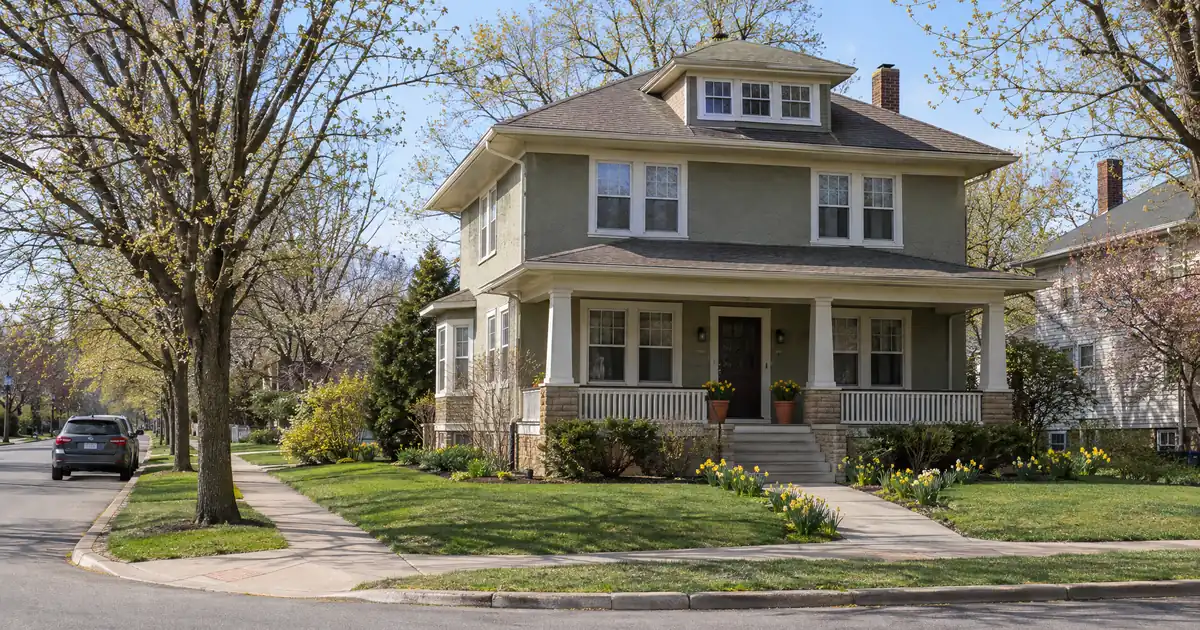
The Quick Read: A blanket loan trims the lender-side work of closing twenty houses, but it does not erase the per-property costs, so the real savings are narrower than the headline pitch suggests. The decision should rest on exit plans and risk concentration more than on closing-cost savings.
- Appraisal, title, and recording tie to each house, so they largely remain under either structure.
- A blanket usually means one application, one credit review, and one note instead of twenty.
- Individual loans let each house stand alone, with a clean payoff when you sell or refinance one.
- A blanket pools the risk: one note, one default trigger, and release terms for every sale.
- Splitting twenty houses into two or three pools is a real middle path.
Here is the honest answer on who each option is for. A blanket loan suits an investor who plans to hold a stabilized set of houses for years, values one payment and one servicer, and accepts that every sale runs through a release process. Individual loans suit the investor who expects to sell, refinance, or swap houses one at a time, or whose houses are at different stages. Twenty houses is well past what conventional lending handles for most borrowers, which is why this choice shows up in DSCR lending at all. Both structures qualify primarily on property-level rental income covering the payment, subject to lender guidelines. The full mechanics sit in Lendmire’s complete DSCR loans guide.
DSCR Calculator
Run the numbers in your market
Rate source: Freddie Mac 30-yr average via FRED® — Federal Reserve Bank of St. Louis · effective Oct 15, 2026
Prefilled with starting assumptions — enter your own rent or nightly figures, taxes, insurance, and HOA for a more accurate picture.
Program parameters update from Lendmire’s centralized guideline source. Taxes and insurance are editable estimates.
As of Oct 15, 2026 · General Freddie Mac market benchmark, not a Lendmire loan offer. Rent, nightly rate, occupancy, taxes, and insurance are editable estimates. Short-term rental figures are estimates only and vary significantly by season, property type, management approach, and local short-term-rental rules — confirm local regulations before relying on them. Qualifying income for short-term rentals varies by program — some use appraisal market rent, others use documented STR history or projections — and is confirmed in underwriting. Not a Loan Estimate, approval, or commitment to lend. Program availability and eligibility are subject to lender guidelines, credit approval, property review, and underwriting.
Side-by-Side
The table below describes published industry norms for the blanket column and typical network guidance for the individual column. Lendmire’s wholesale network places both structures, and terms vary by lender and file.
| Factor | Blanket (one note) | Individual (twenty notes) |
|---|---|---|
| Review basis | Pooled rent vs. pooled debt service | Each house on its own coverage |
| Weak-house tolerance | Stronger houses can carry weaker ones | Each house must stand alone |
| Documentation | One application, one credit review | Twenty files, same borrower |
| Appraisals | One per house | One per house |
| Title and recording | Per parcel, sometimes separate policies | Per parcel, per loan |
| Entity vesting | One borrowing entity is typical | Can spread across several LLCs |
| Selling one house | Needs a release clause and release terms | Simple payoff of that note |
| Default exposure | Whole pool is collateral | Limited to that house’s lien |
| Servicing | One payment, one servicer | Twenty payments and accounts |
| Reserve expectations | Often sized to the whole loan | Sized loan by loan |
| Timeline | Depends on slowest property | Houses can proceed separately |
Entity vesting, as in an LLC borrower, is workable on both paths, subject to lender program eligibility.
Where Closing Costs Actually Go
Closing costs split into per-loan items and per-property items, and only the first group consolidates. Zillow Learn lists the appraisal fee, lender’s title policy, title search, origination fee, and underwriting fee as distinct line items. Appraisal, title search, and recording follow each house’s own value, parcel, and county. Origination, underwriting, and administrative steps follow the loan.
That means a blanket can cut repeated lender-side work: one application, one credit pull, one underwriting review. It cannot make twenty appraisals or twenty title searches disappear. There is also a counterweight. Fees that scale as a percentage of the loan balance apply to a bigger combined balance, so one large fee can rival the sum of smaller ones. Legal and diligence work on a blanket can also run heavier, because someone has to draft the release terms and review the whole pool.
No neutral source publishes a dollar comparison of twenty individual closings against one blanket closing, and the figures that circulate come from firms selling the product. Treat any promised savings number with suspicion. A lender should put the full fee schedule in writing for both paths so the comparison is yours to run.
When a Blanket Is the Better Fit
A blanket works best for the long-term holder of a seasoned, stabilized portfolio. It fits when several things line up.
- You plan to keep most houses. If few or none will sell soon, the release process rarely gets tested.
- Coverage is uneven. A pooled test lets a thin house ride with stronger ones. That helps qualification, though it also puts the stronger houses behind the weaker one.
- Administration matters to you. One note and one payment beat twenty of each, especially when insurance renewals, escrows, and servicer portals multiply across twenty doors.
- The houses are in similar condition. Stabilized, leased properties with clean titles move through together more smoothly than a mixed batch.
Here is the catch. A blanket is built on cross-collateralization, meaning every property secures the one loan. Nav describes a blanket mortgage as one loan secured by multiple properties and advises securing a release clause up front, because selling a single property gets much harder without one. The release clause is a contract term, not an automatic right. Federal law makes due-on-sale clauses enforceable under 12 U.S.C. § 1701j-3, and nothing in it gives a borrower a right to partial release, so the terms you negotiate at the start are the terms you live with.
Two details to pin down before choosing a blanket:
1. How each release is priced against the allocated loan balance.
2. Whether limits cap how many houses can be released, or when.
One more caution. “Portfolio loan” is a loose term. Sometimes it means one cross-collateralized note. Sometimes it means several separate notes closed together, which are separate liens and not a blanket at all. Confirm one note versus many before you compare anything.
When Individual Loans Are the Better Fit
Individual loans win when flexibility matters more than administrative convenience. Think of an investor running a buy, renovate, rent, refinance cycle, with houses at different stages. Each house can be refinanced when it stabilizes, sold when the numbers say so, and paid off without touching the others. Houses in different counties or states, or held in different LLCs, also tend to fit individual notes more naturally.
The risk profile is cleaner as well. A missed payment on one house stays attached to that house’s lien. In a blanket, trouble on one property can put the whole pool in play, depending on the cross-default language.
The cost is repetition. Twenty files mean twenty rounds of collateral review, coverage testing, and closing statements. Across Lendmire’s wholesale network, most programs place purchases at 75%–80% LTV on investment property, with select high-leverage programs reaching 85% for stronger credit (typically around 700+). Cash-out refinances top out around 75% LTV on standard rentals, with about six months of seasoning common. Each house is tested against those limits on its own.
Think about how the pieces interact. A lower coverage house may have to come in with more cash down or lower leverage, while a stronger house moves forward without friction. Under a blanket, that variation gets averaged. Under individual notes, it shows up house by house, which is more work but also more transparent.
The Middle Path: Two or Three Pools
You are not forced into twenty notes or one. Splitting the houses into two or three pools of six to ten each is a legitimate structure. It keeps much of the administrative savings while limiting how much collateral rides on any single note. If one pool hits trouble, the others stay clean. A sale also only has to clear a smaller pool’s release terms. Lendmire’s piece One Blanket Loan vs Two Smaller DSCR Portfolio Loans for 10 Houses walks through that tradeoff in detail.
Grouping logic matters. Pools built around hold horizon (keep-forever houses together, likely-to-sell houses apart) make future exits cleaner than pools built around geography alone.
What the Network Looks Like on Twenty Houses
Practitioner view on files this size: the bottleneck is rarely the loan product. It is coordination. Twenty appraisals, twenty title searches, entity documents, and per-property insurance all have to land in order, and one slow appraisal or one clouded title can hold up a blanket in a way it would not hold up nineteen individual closings. Under individual notes, the clean houses can move ahead while the problem house is fixed. Under a blanket, the slowest house sets the pace for the whole pool.
A few reality checks that apply to both paths:
- Standard programs in the network run up to $3,000,000, and above $2,500,000 the network generally holds to 30-year fixed structures. A twenty-house pool can cross those lines faster than you expect.
- Reserves commonly run around six months of PITIA, stepping up to about nine months on loans above $1,500,000. Pooled loans can push you into the higher tier, and reserves vary by lender, leverage, loan size, and transaction type.
- Credit floors start at 620 in parts of the network, with most programs wanting around 660 and 700+ unlocking the strongest leverage.
- Coverage of 1.00 is where select programs start, with stronger ratios opening better leverage and terms. Coverage below 1.00 is available through select lenders in the network, with leverage and terms adjusted.
- Clearing 1.00 is not the same as positive cash flow. Coverage compares rent to PITIA only, so repairs, vacancy, management, and capex sit outside it.
Property type also matters. DSCR programs in the network do not cover manufactured homes (single- and double-wide), log homes, or barndominiums. If any of the twenty houses falls in those categories, it is not offered through these programs and would need to be handled separately.
For the agency comparison, conventional lending caps the number of financed properties a borrower can hold, and twenty houses blows past those limits for most borrowers. That is the reason DSCR is the relevant lane here, not a reason to model conventional rules.
Which One Fits Your Exit Plan?
| Your plan | Usually fits |
|---|---|
| Hold all twenty for the long term | Blanket or two large pools |
| Sell a few houses over time | Individual loans or smaller pools |
| Refinance houses as they stabilize | Individual loans |
| Mixed stages, such as renovation batches | Individual loans |
| Want one payment and one servicer | Blanket |
If your plan changes midway, unwinding costs money in either direction. Leaving a blanket means releases or a full refinance of the pool. Consolidating individual loans later means a new round of closing costs. For that reason, deciding on your most likely hold horizon matters more than the first-year fee comparison.
Questions to Ask Before You Choose
Get these answers in writing for both structures, for the same twenty houses:
1. The full fee schedule, split into per-loan and per-property items.
2. The release price, any release limits, and whether the pool must re-qualify after each sale.
3. The cross-default language: what exactly triggers action on the whole pool.
4. Prepayment terms, on the whole balance versus per loan.
5. How pooled coverage is calculated and what happens if one house goes vacant.
6. Whether title for non-adjacent parcels requires separate policies.
7. Whether houses can be added to the pool later.
DSCR vs. conventional financing
There are two common ways to finance an investment property, and they qualify you differently — here’s how investors weigh them.
Why investors choose it
- Qualifies on the property’s rental income — no personal tax returns, W-2s, or pay stubs needed to document income.
- No personal debt-to-income ceiling to clear, so existing mortgages and obligations don’t cap your borrowing the same way.
- Can be closed in an LLC, keeping the property inside a business entity.
- Built for scaling — not held to the limit on number of financed properties that conventional financing applies.
- Underwriting centers on the deal: generally qualifies when the rent covers the payment, a 1.00x coverage ratio being a common baseline (confirmed in underwriting).
- Designed specifically for investment property, including long-term and, where the program allows, short-term rentals.
Where it’s strong
- Often the lowest ongoing financing cost for a buyer who fully qualifies on personal income — a fit for a first property or a cost-first purchase.
Trade-offs for investors
- Requires full personal income documentation and must fit within a debt-to-income limit — salary, existing debts, and other mortgages all count.
- Typically held in your personal name rather than a business entity.
- Caps how many financed properties you can carry, which can become a ceiling as a portfolio grows.
- Evaluates you as a borrower as much as the property, which usually means more paperwork.
How investors usually choose: a first or single property often optimizes for the lowest financing cost; portfolio builders often optimize for leverage, vesting in an LLC, and scaling past conventional caps. The right answer depends on your goals, the property, and current guidelines — both paths run through select lenders in Lendmire’s wholesale network, with eligibility and terms confirmed in underwriting.
Key Terms Defined
Blanket loan: One loan secured by more than one property, so every house backs the same note.
Cross-collateralization: The structure where each property in a pool secures the whole debt, not just its share.
Release clause: A contract term that lets a property leave the pool once stated conditions are met.
Cross-default: Language that lets a problem on one property put the entire pool at risk.
PITIA: Principal, interest, taxes, insurance, and any association dues, the monthly obligation that rent is measured against.
DSCR: Debt service coverage ratio, monthly rent divided by PITIA.
The Verdict
A blanket is the right call for a patient holder of a seasoned, stabilized set who wants administrative simplicity and accepts that every sale runs through release terms. Individual loans are the right call for an investor who values clean exits, mixed stages, or isolating risk house by house. For many twenty-house owners, the two-or-three-pool structure splits the difference. Closing savings on a blanket are real but narrower than advertised, so let your exit plan make the call and use the fee schedules to confirm it, not to decide it.
If you are buying or refinancing rental houses and want to see how the numbers work, Lendmire can help you compare DSCR loan options based on property income, credit profile, leverage, and investor goals. For a related look at multiple-house structures, see Lendmire’s article Blanket DSCR Loan vs Individual Loans on Fifteen Houses. Tax treatment varies; consult a qualified professional before relying on any deduction.
Frequently Asked Questions
Does one blanket loan mean one set of closing costs?
No. Lender-side items such as the application and underwriting can consolidate, but appraisal, title, and recording still follow each house. A fee based on a percentage of the larger combined balance can also offset part of the savings.
Can one vacant house sink a blanket loan?
Usually not on its own, since qualification generally looks at pooled rent against pooled debt service. A vacancy lowers the pool’s coverage, though, and the cross-default and coverage terms decide how much room you have. Ask how the lender treats a vacant house before you sign.
How do I sell one house out of a blanket?
Through the release clause, if the loan has one. Without a release clause, a single sale can be very difficult.
Are twenty appraisals still needed under a blanket?
Generally yes, because each property carries its own collateral value. Rent schedules use forms such as the 1007 for single-family houses, per Fannie Mae’s Single-Family site, which hosts the form names. Any bulk appraisal arrangement depends on the lender.
Can I do something between twenty loans and one?
Yes. Two or three pools of several houses each keep some administrative benefit while limiting how much collateral sits behind any one note. Group houses by hold horizon so later sales stay clean.
For current guidelines and terms, see Lendmire’s DSCR loan programs page.
About Lendmire
Lendmire — NMLS# 2371349 — is a DSCR and non-QM mortgage brokerage with investor loan programs in 41 markets, including Washington, D.C. DSCR eligibility is commonly reviewed by the lender around property-level rent rather than personal income documentation, subject to lender guidelines, and the brokerage helps arrange financing for LLC-owned portfolios beyond conventional financed-property limits. Recognized by Scotsman Guide as a Top Mortgage Workplace in 2025 and 2026.
Get Started
Ready to find the right loan for you?
In about 30 seconds you can review financing options available for your investment property. No commitment required.
Informational only. Not a Loan Estimate, approval, or commitment to lend. Program availability and eligibility are subject to lender guidelines, credit approval, property review, and underwriting.
References
1. Zillow Learn – Closing costs
2. Nav – Cross collateralization
3. Cornell LII – 12 U.S.C. § 1701j-3
This article is part of Lendmire’s DSCR loan program — full qualification details, guidelines, and scenarios live on the program page.
Related reading: Does a DSCR Loan Change If the Lender Closes Mid-File or After Closing? · Can You Get Cash From a 2-4 Unit Rental With a DSCR Loan? · Can a Blanket DSCR Loan Refinance Two Investment Properties?
Brandon Miller
Founder & CEO, Mortgage Loan Originator, Lendmire LLC
- Mortgage Loan Originator · NMLS# 1129696 · Verify on NMLS Consumer Access
- North Carolina Real Estate Broker · License# 343312 · Verify on NCREC
- North Carolina Insurance Producer · License# 19053198 · Property, Casualty, Life, Health · Verify on NAIC SBS
- Lendmire LLC · Firm NMLS# 2371349 · Verify firm licensure
Legal disclosures. Lendmire (NMLS# 2371349) is a state-licensed mortgage brokerage that arranges financing through wholesale lender relationships. Lendmire is not a direct lender, depository institution, or registered financial advisor. The discussion above is general informational content about real estate financing — it is not financial, legal, or tax advice, and readers should consult licensed professionals for guidance on their individual circumstances. Loan inquiries are subject to lender underwriting; this article does not represent a commitment to lend. Loan terms, rates, and qualification standards vary by borrower, property, and state, and are subject to change at any time. Equal Housing Opportunity. NMLS Consumer Access: nmlsconsumeraccess.org.