
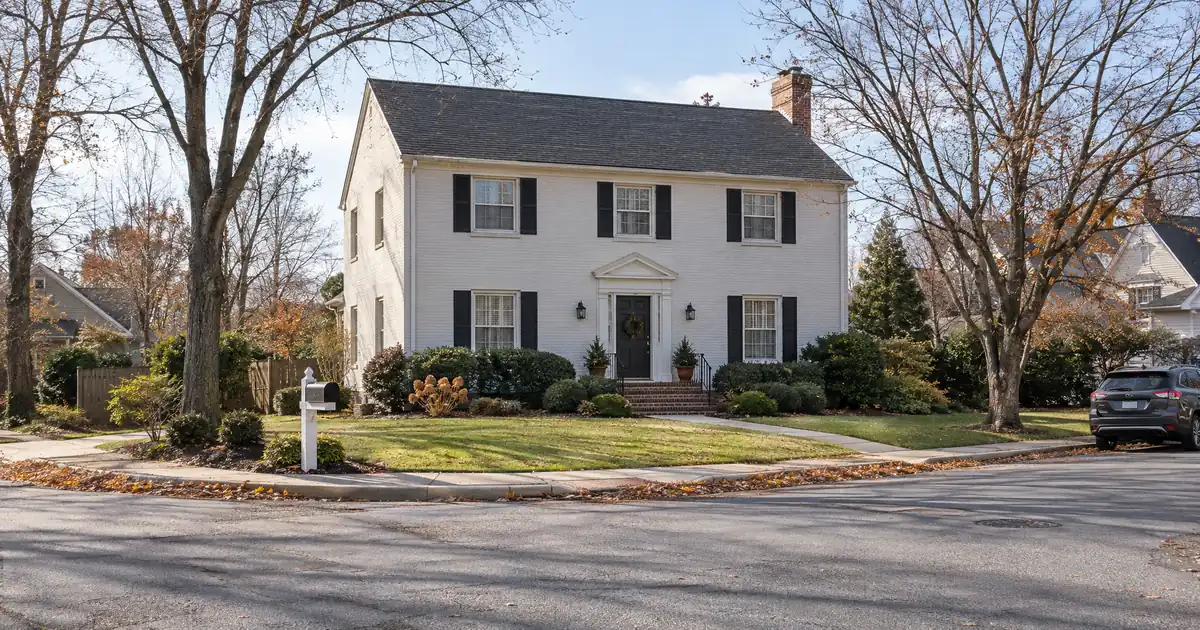
The Quick Read: Replacing a blanket loan means paying off one note that secures several rentals and putting DSCR financing in its place, either one loan per property or one pooled loan. Qualification rests primarily on property-level rental income covering the payment, subject to lender guidelines. Two years out gives you time to fix problems before the deadline does it for you.
- Read the note first. The maturity date, prepayment terms, release clause, and release price shape every other decision.
- Pick a structure. Separate loans test each property alone. A pooled loan tests the portfolio as a whole, so strong rentals can offset weak ones.
- Expect new appraisals and new rent opinions. Every property gets re-tested, and the weak ones show up early.
- Start 18 to 24 months out. Clearing 1.00 on the coverage ratio is not the same as positive cash flow.
Why Two Years Out Is the Right Time to Plan
Two years out is the best moment to plan because every problem is still fixable. A balloon loan ends with one large payment, and the lender has no duty to roll it over. Appraisals, rents, credit, and the note’s own terms can all be improved while the deadline is far away.
Waiting changes the picture. A property that appraises low with six months left leaves you only bad options: a forced paydown, a rushed sale, or a costly extension. The same property found 20 months out can get a rent increase, a lease-up, or a planned sale instead.
A blanket loan also hides weakness. Strong properties carry weak ones inside the pool, and nobody tests each rental on its own. DSCR Investor Loans usually ends that cushion. Each property, or the pool, has to show that rent covers the payment. Finding out which properties are thin is the real work of this project.
Key Terms Defined
Blanket loan: One note secured by several properties at once.
Cross-collateralization: Every property in the pool backs the whole loan, so trouble on one can affect the others.
Release clause: A provision that lets you sell or free one property by paying an agreed amount of principal.
Release price: The amount the note requires you to pay to free one property. It typically runs above that property’s share of the balance.
Balloon: A single large payment due at the end of the term, bigger than the regular payments.
DSCR (debt service coverage ratio): Monthly rent divided by the monthly payment. Lenders call that payment PITIA: principal, interest, taxes, insurance, and any association dues.
Pooled coverage: The same ratio measured across a whole portfolio, using total rent against total debt service.
Seasoning: The waiting period a lender wants after you buy a property before it will let you pull cash out.
What to Read in Your Existing Note
Start with the note itself, not with a lender. Pull the full loan agreement and find six items. Ask the current lender to confirm each in writing.
| What to find | Why it matters |
|---|---|
| Maturity date and extension language | Sets the deadline and any fallback |
| Prepayment or exit fee | Can change the total cost of leaving early |
| Release clause | Decides whether you can unbundle one property |
| Release price | Often above the allocated balance |
| Cross-default and consent terms | Shows how one problem can spread |
| Written payoff statement | Gives the exact number to refinance |
The release price is where investors get surprised. People assume freeing one property costs only its share of the debt. Many notes require more than that, and the remaining pool may be re-tested afterward. Lendmire’s piece on release prices and paydowns on a two-property DSCR blanket loan takes a closer look at that mechanic.
Without a release clause, any release happens at the blanket lender’s discretion. Get that consent in writing. A verbal yes from a loan officer will not hold up at closing.
How Underwriting Treats Each Property, Step by Step
Underwriting breaks the blanket apart and looks at each rental on its own. This is the step that surprises people most, so walk through it in order. For the general mechanics behind these loans, the complete DSCR loans guide covers the basics.
Step 1: A new appraisal and rent opinion. Each property is appraised again. For a single-family rental, the appraiser adds a market rent schedule, Fannie Mae Form 1007. For a two-to-four-unit property, the appraiser reconciles rent unit by unit on Form 1025. Fannie Mae lists both on its appraiser forms page. Those are only form names that DSCR appraisals borrow. They do not set DSCR program rules.
Step 2: The coverage ratio. Take the rent used for lender review and divide it by that property’s own PITIA. A blanket sized on pooled numbers has to be re-tested here, because each new payment depends on its own balance.
Step 3: Size the payoff. Add the property’s share of the payoff (or the release price, if the note demands it) to closing costs. That total must fit under the leverage cap. A payoff-only refinance is generally tested differently from one that returns cash.
Step 4: Credit and reserves. Across our wholesale network, a 620 credit floor exists in parts of the network. Most programs want around 660, and 700 or higher opens the strongest leverage tiers. Reserves vary by lender, leverage, loan size, and transaction type. About six months of PITIA is common. Conservative rate-and-term files at modest leverage under $1,500,000 can see reserves waived. Loans above that size typically step up to about nine months.
Step 5: Closing. Title or escrow wires the payoff to the blanket lender, the old lien releases, and the new first lien records. Several properties mean several closings or one coordinated closing day.
Notice what is missing. Your traditional personal-income documentation is not the center of this file. A larger down payment or paydown can lift coverage, but it never erases leverage caps, credit floors, reserve rules, or property eligibility. The strongest files clear both tests: enough equity and enough rental coverage.
One caution on the number itself. DSCR compares rent to PITIA only. Clearing 1.00 does not mean the property cash flows, because repairs, vacancy, management, utilities, and capital expenses sit outside the ratio.
Separate Loans or One Pooled Loan?
Choose separate loans when you want each property independent. Choose a pooled loan when you want to keep one note and let strong rentals support weaker ones. The right answer depends on how uneven your portfolio is and whether you plan to sell something soon.
| Situation | Best path | Main risk | First move |
|---|---|---|---|
| Uniform, strong rentals | Whole-pool refinance | One weak asset drags the pool | Run pooled coverage |
| Mixed quality, sales planned | Separate DSCR loans | Thin rentals fail alone | Test each property |
| Release clause, one sale soon | Partial release | Release price exceeds allocation | Get the price in writing |
| One chronic underperformer | Sell it | Timing and sale costs | Get a value opinion |
| Everything else slips | Negotiated extension | Cost and consent | Ask early, from strength |
A pooled DSCR loan comes in two shapes across our network. Label them carefully, because they work differently.
Structure A, the 30-year portfolio loan. It covers two to twenty properties under one note. Loan size typically runs from $300,000 to $5,000,000, with larger balances on review. Leverage goes up to 80% of value on a purchase or rate-and-term refinance. The coverage floor of 1.00 is measured on the pool, so pooled rent is set against pooled debt service. It is fixed or adjustable, has a 30-year term, and an interest-only period is available. Property types include single-family, two-to-four-unit, condo, and townhome.
Structure B, the rental portfolio term loan. It is built for five or more rentals or units under one loan, typically from $500,000 to $50,000,000. Leverage runs up to 75% of value. Terms are fixed at 3, 5, 7, or 10 years with a balloon at maturity. Both recourse and non-recourse versions exist. A non-recourse loan looks to the real estate, with recourse limited to carve-outs such as fraud and bankruptcy. Prepayment follows a yield-maintenance structure, and reserves are held for taxes, insurance, and capital expenses. Properties in several markets can sit under one loan.
A balloon term loan can replace a balloon with another balloon. That may suit an investor with a clear plan for the next exit. It does not remove the problem. Structure A, with its 30-year schedule, does.
On a pooled cash-out, the ceiling is never above 75% of the pooled value. A cash-out on a single standard rental also tops out around 75%.
Separate loans for each rental are the other route. Single-property DSCR loans typically run 75% to 80% on a purchase. The spine is the 30-year fixed, with 40-year terms and interest-only periods available through select lenders in the network. Every pooled loan also needs each rental to carry a lease or an appraiser-supported market rent.
A Worked Example: One Pool, Two Outcomes
These figures are modeled assumptions, not market data. Picture five rentals with similar monthly debt service. Four rent at about 1.25x coverage on their own. The fifth sits at about 0.85x. Pooled together, coverage lands near 1.17x, which clears a 1.00 pooled floor. A rental below 1.00 can sit in that pool only to the extent that pooled coverage, leverage, and terms pass underwriting, subject to underwriting.
Now test the same five as separate loans. Four properties pass alone. The fifth fails on its own numbers. Its options include a paydown to raise coverage, a different term structure such as interest-only, or a sale. Coverage below 1.00 is also available through select lenders in the network, with leverage and terms adjusted. Each option still depends on lender guidelines and property review.
Now the failing case. New appraisals come back with softer rent opinions on two properties, and pooled coverage slips to about 0.97x. The pool no longer clears 1.00. Three fixes are common: pay down the balance, move to an interest-only period to lower the payment, or sell the weakest rental and re-test the smaller pool. Each fix is easier at month 18 than at month 3.
Across our wholesale network, the pattern is steady. Files that were sized on a blended number tend to show their weak spots only when each property is re-tested. The investors who do best order rent opinions early, before they commit to a path. They then pick the structure that matches what the numbers actually show.
The 24-Month Runway
This timeline is practitioner planning guidance, not a rule. Adjust it to your note’s own dates.
| Months before maturity | Milestone |
|---|---|
| 24 | Read the note, request payoff and release figures in writing |
| 21 | Build the rent roll, check credit and mortgage history |
| 18 | Review structures with a broker, choose a path |
| 15 | Order appraisals and rent schedules, fix weak spots |
| 12 | Apply, with a fallback priced in parallel |
| 6 | Finalize the payoff and coordinate closing |
Do not skip the fallback line. Price an extension or a sale before you need either one. You negotiate from strength when the clock is not yet your enemy.
Weak Properties and Low Appraisals
A low appraisal is not the end of the plan. When value comes in under what you expected, the leverage cap binds and the payoff has to fit under it. Common responses are a paydown, waiting while rents or value improve, moving to a different structure, or selling that property.
Weak properties follow the same triage:
- Cure it. Raise rent at lease renewal, finish a renovation, or lease up a vacant unit.
- Pay it down. A larger down payment or paydown lowers the payment and can lift coverage.
- Move it to a different program. Coverage below 1.00 is available through select lenders in the network, with leverage and terms adjusted.
- Sell it. Often the cleanest option when the property is thin and the sale costs are tolerable.
Vacant or under-renovated units have no lease to rely on, so the rent opinion on Form 1007 or 1025 carries the file. Short-term rentals are different. Form 1007 reflects long-term market rent, so STR properties follow a separate income method. Cash-out on STR collateral tops out around 70% versus 75% on standard rentals, and lenders typically want about 12 months of hosting history. Short-term rental rules can vary by city, county, HOA, and property type, so investors should confirm local rules before relying on projected rental income.
Some property types simply do not fit. Manufactured homes, log homes, and barndominiums are not offered through the network’s DSCR programs. Owner-occupied property, mobile homes, co-ops, mixed-use property, and commercial property are also ineligible in the pool. If one of those sits in your blanket, plan a sale or a different exit for it.
Sequencing a Mixed Portfolio
Sequencing matters when your properties differ in entity, market, or ownership age. A first cash-out can fund the release price on the next property. Cash-out follows the 75% pooled ceiling, and about six months of seasoning is the common expectation. Inside the first six months of ownership, portfolio leverage is limited to 90% of total cost. From six to twelve months it is limited to 100%. A rate-and-term refinance carries no cost restriction.
Entities deserve attention too. Some pooled structures require a special-purpose entity, typically an LLC, per lender program requirements. Retitling takes time and can slow a closing, so start it early. Properties in several markets can sit under one loan on the rental portfolio term loan, which helps when your blanket spans more than one area.
If the refinance returns cash, the lender may classify the file as a cash-out, and the cash-out ceiling applies. Tax treatment can depend on how the funds are used and how the property is held; investors should keep clear records and speak with a qualified tax professional before relying on any deduction.
What If Timing Slips?
Missing the window narrows your choices fast. The Consumer Financial Protection Bureau notes that a borrower who cannot pay a balloon may have to refinance, sell, or face foreclosure. It also warns that falling property values or weaker finances can block a refinance. Those pages are written for owner-occupied mortgages, so use them for the concept of balloon risk rather than as the rule governing your loan.
DSCR loans are designed for non-owner-occupied investment properties. Because they are business-purpose investor loans, they are reviewed differently from a standard owner-occupied mortgage.
Your fallback ladder looks like this:
1. Negotiate an extension. Ask while the file is healthy. Expect the lender to want a fee or tighter terms.
2. Sell one or two properties. This shrinks the balance and can ease the rest of the exit.
3. Bridge or short-term financing. This buys time but adds cost and a second exit to plan.
4. Default and acceleration. This is where the lender can demand the full balance and, in the worst case, force a sale.
The phrase I will just refinance is not an exit plan by itself. It is a plan that depends on value, rent, credit, and the market all cooperating on one date.
When Staying Put Beats Refinancing
Staying put is the right call in a few cases. If the blanket lender offers a fair extension and the pool performs well, extending may cost less than several new closings. If prepayment terms on the current note are steep, waiting for the maturity date can beat paying them.
Separate loans also trade one set of costs for another. Several appraisals and closings replace one, and the pool’s cushion disappears. A balloon term loan that only swaps one maturity for another may not solve anything. Ask whether the new structure removes the deadline or just moves it.
Readiness Checklist
Before applying, gather these items:
- Current rent roll and signed leases for each property
- Property insurance declarations for every rental
- Entity documents and operating agreements
- Written payoff statement and release terms from the current lender
- Credit and mortgage history
- Reserve account statements
- Estimated value for each property
Frequently Asked Questions
Can you refinance out of a blanket loan into DSCR?
Yes, in most cases. The payoff comes from new DSCR loans, either one per property or one pooled loan. Each is reviewed on property rent against the payment, subject to lender guidelines, credit approval, and property review.
Do I need a release clause to move properties one at a time?
No, but it makes the job simpler. Without one, release is up to the blanket lender, so get any consent in writing. Another route is refinancing the whole pool in one coordinated closing.
What happens if one rental has weak coverage?
On separate loans, that rental stands alone and may need a paydown, a different term structure, or a sale. In a pooled loan, stronger properties can offset it. Underwriting still tests pooled coverage, leverage, and terms, subject to lender guidelines.
Does clearing 1.00 mean the rental cash flows?
No. The ratio compares rent to PITIA only. Repairs, vacancy, management, utilities, and capital expenses sit outside it, so a property can clear 1.00 and still leave little real cash.
What credit score and reserves do I need?
It depends on the structure. Pools typically need a score around 640 or higher, with 680 or 720 on some structures. Single-property programs start near 620 in parts of the network, and most want about 660. Reserves commonly run around six months of PITIA, with variations by loan size and leverage.
Next Step
If you are buying or refinancing a rental property and want to see how the numbers work, Lendmire can help you compare DSCR loan options based on the property income, credit profile, leverage, and investor goals. Lendmire is a broker that arranges financing through select lenders in its wholesale network across 41 markets, including Washington, D.C. Programs change, and every file is underwritten individually. The most useful call is the one that happens while your maturity date is still two years away.
About Lendmire
Lendmire, NMLS# 2371349, is a non-QM mortgage broker serving real estate investors in 41 markets, including Washington, D.C., through DSCR investor loan programs. Qualification is generally reviewed around the subject property’s rental income, not the borrower’s W-2 history — a practical fit for LLC-titled portfolios and self-employed investors. All scenarios remain subject to lender review and program guidelines. Two consecutive Scotsman Guide Top Mortgage Workplace recognitions (2025, 2026).
Get Started
Ready to find the right loan for you?
In about 30 seconds you can review financing options available for your investment property. No commitment required.
Informational only. Not a Loan Estimate, approval, or commitment to lend. Program availability and eligibility are subject to lender guidelines, credit approval, property review, and underwriting.
References
1. Fannie Mae: Appraiser forms and property underwriting
2. Consumer Financial Protection Bureau: What is a balloon payment? When is one allowed?
This article is part of Lendmire’s DSCR loan program — full qualification details, guidelines, and scenarios live on the program page.
Related reading: Can You Get a DSCR Loan for an Airbnb in Tennessee? · Can You Get a DSCR Loan for an Airbnb in Washington, DC? · Can You Get a DSCR Loan for an Airbnb in Montana?
Brandon Miller
Founder & CEO, Mortgage Loan Originator, Lendmire LLC
- Mortgage Loan Originator · NMLS# 1129696 · Verify on NMLS Consumer Access
- North Carolina Real Estate Broker · License# 343312 · Verify on NCREC
- North Carolina Insurance Producer · License# 19053198 · Property, Casualty, Life, Health · Verify on NAIC SBS
- Lendmire LLC · Firm NMLS# 2371349 · Verify firm licensure
Important disclosures. Lendmire (NMLS# 2371349) is a licensed mortgage brokerage. Lendmire is not a direct lender, depository institution, or financial advisor. All loan inquiries are subject to lender underwriting; this article does not constitute a commitment to lend. Rates, terms, and program guidelines are subject to change without notice and vary by borrower profile, property type, and state. Information in this article is general in nature and is not financial, legal, or tax advice. Equal Housing Opportunity. NMLS Consumer Access: nmlsconsumeraccess.org.