
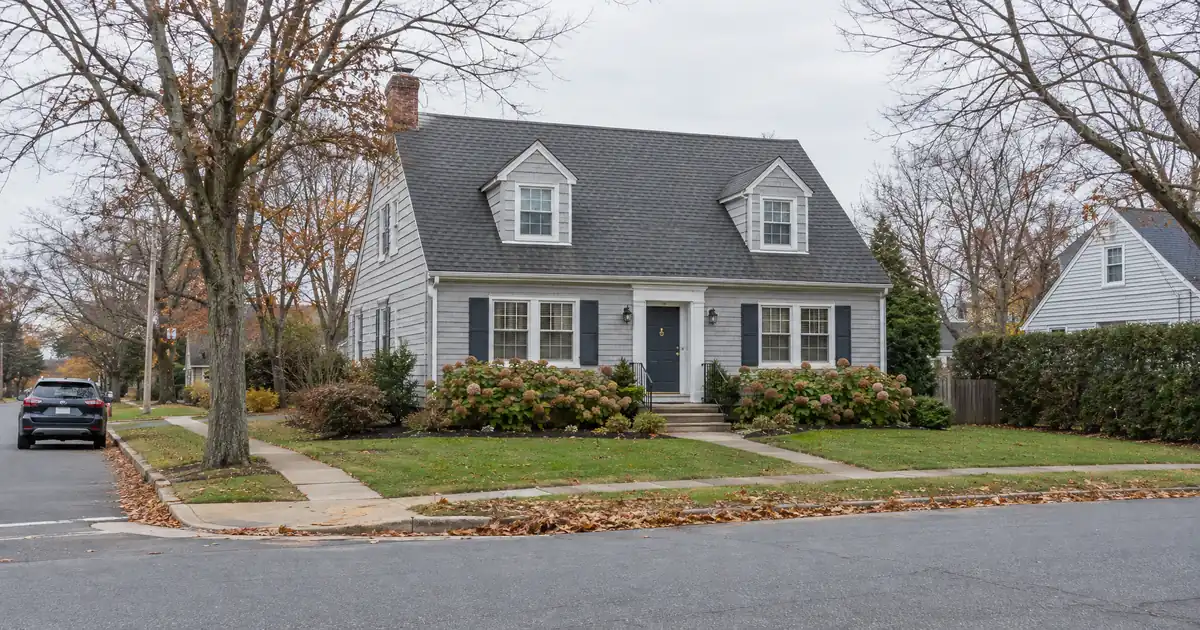
The Quick Read: Business-purpose lending means the loan is made for an investment or business use, such as buying, improving, or maintaining a rental, and the purpose of the proceeds decides the classification, not the type of property. For investors, that classification is the gate that lets a lender qualify the loan primarily on the property’s rental income, subject to lender guidelines.
- The borrower declares the purpose and signs an affidavit that the property will not be a home for them or their family.
- DSCR is the underwriting method used inside that gate. It compares rent to the full housing payment (PITIA).
- Across most programs in the wholesale network, purchases land at 75%–80% LTV and cash-out refinances top out around 75% LTV.
- Credit floors vary by program, with most wanting a score around 660.
- Mixed personal use of proceeds or personal occupancy can break the classification, so the paperwork matters.
What Does “Business Purpose” Actually Mean?
The test is why the money is borrowed. A loan to buy, fix, or hold a rental property for profit is business purpose. A loan whose proceeds pay for a family vacation or a personal tax bill is not, even if the collateral is a rental.
Two things drive the label. The first is the stated use of proceeds. The second is occupancy: the borrower lives elsewhere, and no family member lives there either. Brokers see both documented on nearly every investor file.
DSCR loans are designed for non-owner-occupied investment properties. Because they are business-purpose investor loans, they are reviewed differently from a standard owner-occupied mortgage.
Business Purpose vs. DSCR: Label and Method
These get confused constantly. Business purpose is the label on the loan. DSCR is how the lender measures whether the property supports it.
| Term | What it describes | Example |
|---|---|---|
| Business purpose | Why the money is borrowed | Buying a rental |
| DSCR | How the file is qualified | Rent vs. PITIA |
| Entity vesting | Who holds title | An LLC |
| Cash-out | What the proceeds do | Funding the next purchase |
A loan can be business purpose and use other underwriting methods. DSCR is the one built around the property’s own rent. It qualifies primarily on property-level rental income covering the payment, subject to lender guidelines. Credit, assets, and reserves still support the file.
How the deal works, Step by Step
Here is the sequence on a typical business-purpose DSCR file placed through the network.
1. Purpose is declared at application. The borrower states that the loan is for acquiring, improving, or maintaining a rental.
2. The business purpose and occupancy affidavit is signed. This is the core document. It says the proceeds are for business use, the borrower intends to operate the property as a rental, no one in the borrower’s family will occupy it, and the borrower lives elsewhere. If there is no lease at closing, the borrower typically commits to finding a tenant. False statements carry real civil and criminal exposure. This is a sworn statement, not a formality.
3. Entity documents are gathered if the property is vested in an LLC. Expect articles, the operating agreement, a borrowing resolution or certificate, an EIN letter, and a good standing certificate. Members commonly guarantee the loan. LLC borrowing is common on these files, subject to lender program eligibility.
4. The property is underwritten on its rent. The appraiser’s rent schedule supports the income figure. The lender divides it by PITIA (principal, interest, taxes, insurance, and any HOA dues). Select programs start at 1.00 coverage, and stronger ratios open better pricing and leverage. A separate select-lender path takes coverage below 1.00, with leverage and terms adjusted.
5. Credit, reserves, and equity are checked. Most programs want a score around 660, a 620 floor exists in parts of the network, and 700+ unlocks the strongest leverage tiers. Reserves commonly run about 6 months of PITIA, stepping up to about 9 months on loans above $1,500,000. Reserves vary by lender, leverage, loan size, and transaction type.
6. Title and settlement close the file. Business-purpose DSCR loans are exempt from the consumer disclosure regime, so the consumer Loan Estimate and Closing Disclosure timing rules do not apply to them.
Where the Classification Comes From
The federal rule sits in Regulation Z, as interpreted by the CFPB. Credit to acquire, improve, or maintain rental property is deemed business purpose when the property is not owner-occupied, whatever the number of units. RESPA’s Regulation X follows the same test, as 12 CFR 1024.5 shows. That exemption is why the borrower’s personal income is not run through a consumer ability-to-repay analysis, and why qualification can center on the property.
Business-purpose status does not remove every consumer law, and state rules vary. Investors with questions about their structure should talk to counsel.
The Edge Cases That Derail Files
Most failed classifications come from a handful of fact patterns.
Personal stays. The CFPB comment says that if an owner expects to occupy the property for more than 14 days in the coming year, it cannot be treated as non-owner-occupied. Its example is a beach house used for a month and rented the rest of the year. Short-term rental owners who plan personal stays should read that carefully. Lendmire’s piece How a Short-Term Rental DSCR Loan Treats a Beach House as Business Purpose covers that file type.
House-hacking. When the owner lives in the building, the bright line only applies above certain unit counts. Under the CFPB comment, credit to acquire is deemed business purpose only with more than 2 units, and credit to improve or maintain only with more than 4 units. Below those counts, the lender weighs facts like the borrower’s stated purpose and how the property is managed. A DSCR program is built for non-owner-occupied rentals, so an owner-occupied small building usually belongs in a different product.
Mixed-use cash-out. The word that matters is “primarily.” Cash-out proceeds that go to personal expenses can push the loan toward consumer purpose. Lenders commonly ask for a stated use of proceeds. Lendmire’s article How a W-2 Investor Documents Business-Purpose DSCR Cash-Out walks through that paperwork.
Entity vesting. Reg Z also exempts credit to someone other than a natural person, per the eCFR text of 12 CFR 1026.3. An LLC does not make any loan business purpose by itself. Purpose and occupancy still get documented.
Where Investors Get It Wrong
- “Any investment property is automatically business purpose.” The loan’s purpose and the occupancy facts decide it, not the label.
- “Owner-occupied 2–4 unit buildings are always business purpose.” Only above the unit thresholds is there a bright line.
- “Business purpose means no rules.” Some consumer protections can still reach these loans.
- “DSCR means commercial.” DSCR loans cover residential 1–4 unit rentals. Manufactured homes (single- and double-wide), log homes, and barndominiums are not offered in the network’s DSCR programs.
- “Clearing 1.00 means positive cash flow.” DSCR compares rent to PITIA only. Repairs, vacancy, management, utilities, and capex sit outside the calculation.
- “A bigger down payment fixes everything.” More equity lowers the payment and can lift coverage. It never erases leverage caps, credit floors, reserve rules, or property eligibility. The strongest files clear both tests: enough equity and enough rental coverage.
What the Numbers Look Like Across the Network
Most programs place purchases at 75%–80% LTV, which means 20%–25% down. Select high-leverage programs reach 85% LTV on a purchase with roughly a 700+ score. Cash-out refinances top out around 75% LTV, and about 6 months of seasoning is the common expectation. Standard loan sizes run up to $3,000,000, and above $2,500,000 the network generally holds to 30-year fixed structures. Smaller balances route through select lenders.
Short-term rentals run tighter. Purchases go to 75% LTV, refinances sit around 70%, and cash-out is 70% on short-term-rental collateral, versus 75% on standard rentals. Expect a 640+ score and about 12 months of hosting history, with a 1.00 coverage floor on both purchases and refinances. Short-term rental rules vary by city, county, HOA, and property type, so investors should confirm local rules before relying on projected rental income. Final terms depend on the lender’s guidelines, the property type, and the borrower’s complete credit picture.
The spine on term structure is the 30-year fixed. Select lenders add 40-year terms and interest-only periods, and ARM structures exist for investors who want them. No-ratio qualification is available only through select lenders, generally for borrowers who already own a primary residence. All of this is subject to lender guidelines, and programs change.
What Strong Files Have in Common
Across the lenders in the network, clean files share a pattern.
- A signed purpose and occupancy affidavit that matches the application.
- Entity documents that agree with each other, with names, EIN, and signing authority aligned.
- Lease evidence, or a clear plan and rent schedule if the unit is vacant.
- Reserves documented in liquid accounts, not assumed.
- A stated use of proceeds on any cash-out.
Gaps in these items cause more delays than a thin coverage ratio does. For the full picture, see Lendmire’s complete DSCR loans guide.
Tax treatment can depend on how the funds are used and how the property is held; investors should keep clear records and speak with a qualified tax professional before relying on any deduction.
If you are buying or refinancing a rental property and want to see how the numbers work, Lendmire can help you compare DSCR loan options based on the property income, credit profile, leverage, and investor goals. Lendmire is a broker arranging financing through select lenders in its wholesale network across 41 markets, including Washington, D.C., and nothing here is a commitment to lend.
Key Terms Defined
Business purpose: A loan made primarily to buy, improve, or maintain property for profit rather than personal use.
Occupancy affidavit: A sworn statement that the borrower will not live in the property and no family member will either.
PITIA: Principal, interest, taxes, insurance, and association dues, the full monthly housing obligation.
DSCR: The ratio of a property’s rent to its PITIA.
Vesting: How title to the property is held, such as an individual or an LLC.
Seasoning: The ownership period a lender expects before it will treat a cash-out as available.
Frequently Asked Questions
Is a DSCR loan the same thing as a business-purpose loan?
No. Business purpose is the classification based on why the money is borrowed. DSCR is the method used to qualify the property, based primarily on rental income covering the payment, subject to lender guidelines. Other investor products can also be business purpose.
Do I need an LLC to get a business-purpose loan?
No. Many programs allow individual or LLC vesting. If you use an LLC, expect entity documents and member guarantees, subject to program terms. Liability and tax questions belong with an attorney or CPA.
What if I take cash-out and spend some of it personally?
That can undercut the business-purpose classification, because the primary purpose of the proceeds matters. Lenders commonly require a stated use of proceeds, and the affidavit is a sworn statement. Cash-out on a standard rental tops out around 75% LTV across most of the network.
Can I stay in the property for a few weeks a year?
Only briefly. The CFPB comment draws the line at more than 14 days of expected owner occupancy in the coming year. Individual lender affidavits are often stricter and some allow no personal occupancy at all.
Does a business-purpose loan mean fewer protections for me?
Yes, fewer consumer protections generally apply, and the affidavits say so. That is why the declaration should be accurate and why investors should keep clean records.
About Lendmire
As a DSCR and non-QM mortgage broker, Lendmire — NMLS# 2371349 — connects investors with wholesale lending channels across 41 markets, including Washington, D.C. The property’s rental income, not the borrower’s tax returns, is central to lender review, which works for self-employed operators and portfolios beyond four financed properties. Scotsman Guide named Lendmire a Top Mortgage Workplace in both 2025 and 2026.
Get Started
Ready to find the right loan for you?
In about 30 seconds you can review financing options available for your investment property. No commitment required.
Informational only. Not a Loan Estimate, approval, or commitment to lend. Program availability and eligibility are subject to lender guidelines, credit approval, property review, and underwriting.
References
2. Cornell LII – 12 CFR 1024.5
This article is part of Lendmire’s DSCR loan program — full qualification details, guidelines, and scenarios live on the program page.
Related reading: How Refinancing a Short-Term Rental Works With 12 Months of Bookings · How the 14-Day Owner-Use Rule Works on a Short-Term Rental Loan · How K-1 Income Works on a Mortgage Application
Brandon Miller
Founder & CEO, Mortgage Loan Originator, Lendmire LLC
- Mortgage Loan Originator · NMLS# 1129696 · Verify on NMLS Consumer Access
- North Carolina Real Estate Broker · License# 343312 · Verify on NCREC
- North Carolina Insurance Producer · License# 19053198 · Property, Casualty, Life, Health · Verify on NAIC SBS
- Lendmire LLC · Firm NMLS# 2371349 · Verify firm licensure
Compliance and disclosures. Lendmire (NMLS# 2371349) is a licensed mortgage broker and is not a direct lender, depository institution, financial advisor, or tax professional. Content in this article is general market analysis and educational information — not financial, legal, or tax advice for any specific situation. Lendmire does not guarantee loan approval; every transaction is subject to underwriting by the funding lender. Mortgage pricing and loan program guidelines are subject to change at any time without notice and vary by borrower characteristics, property type, and state regulations. Lendmire complies with Equal Housing Opportunity. Licensure verification: NMLS Consumer Access.