
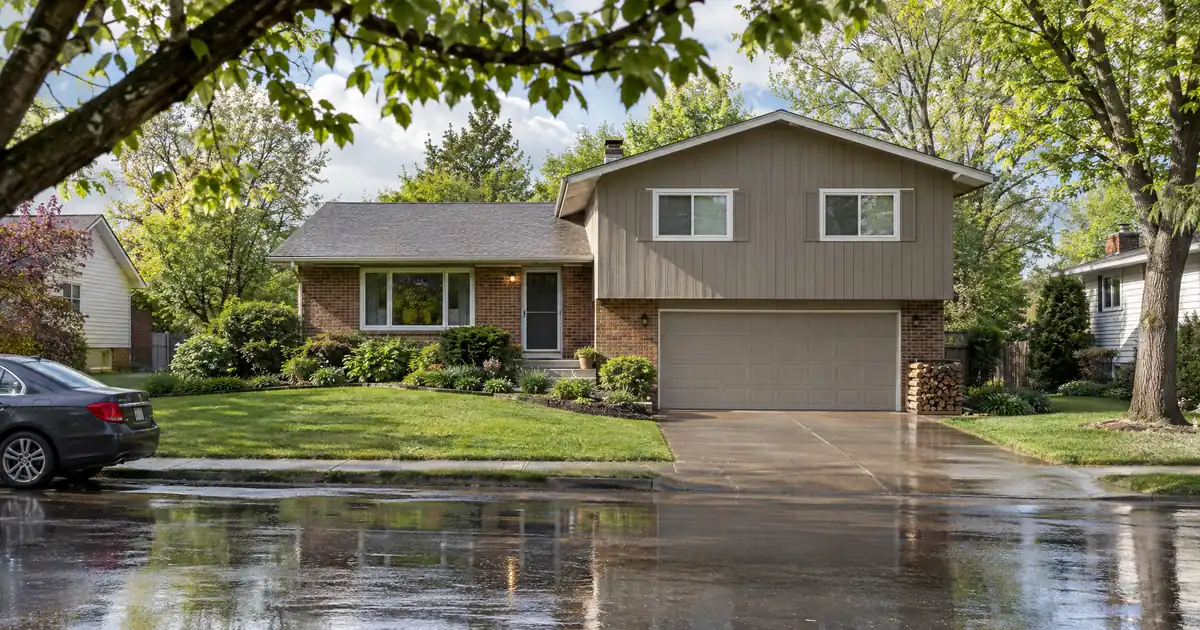
The Quick Read: Several bank-owned houses sold in one lot can be financed under a single portfolio DSCR note, which qualifies primarily on the pooled rent covering the pooled debt, subject to lender guidelines, so you win by lining up the bank’s contract terms, each property’s appraised rent, and the loan’s release terms before you sign. The loan is only half the job. The other half is making the bank’s contract and the lender’s process fit together.
- A bank can sell several foreclosed houses as one lot, and the sale is usually as-is, so every house needs its own due diligence.
- The 30-year portfolio structure typically covers 2 to 20 properties under one note, with loans from $300,000 to $5,000,000, up to 80% of value on a purchase of investment property, and a 1.00 coverage floor measured on the pool.
- Five or more properties can move to a rental portfolio term loan, typically up to 75% of value, with fixed terms and a balloon at maturity.
- Pooled coverage lets stronger houses carry weaker ones, but one note also means shared risk.
- Clearing 1.00 on the pool is not the same as positive cash flow.
Key Terms Defined
Skim these first. The rest of the article uses them freely.
- REO (real estate owned): a property the lender took back because it did not sell at foreclosure auction.
- Package (bulk or bundled sale): several REO properties sold together as one lot, with price and terms negotiated with the seller.
- DSCR (debt service coverage ratio): monthly rent divided by the monthly PITIA, which is principal, interest, taxes, insurance, and any HOA dues.
- Pooled coverage: the DSCR measured on all properties together, using combined rent over combined debt service.
- Portfolio (blanket) loan: one loan secured by several properties instead of one loan per property.
- Cross-collateralization: every property in the pool backs the whole note, so trouble on one house can reach the others.
- Partial release: a loan-document right to sell one property out of the pool by paying down the note by an agreed amount.
- As-is sale: the seller makes no repair promises, and the buyer carries condition risk.
- Balloon: a lump sum due at the end of a shorter loan term.
What Is a Bank-Owned Rental Package?
It is a lot of foreclosed houses that one lender wants to move in a single deal. According to Real Estate Skills, banks often prefer selling REO in bulk because it cuts marketing and legal costs and draws institutional buyers who can negotiate larger discounts. That tells you who you are bidding against.
Bulk sales usually come with negotiated pricing and as-is terms. You inspect and underwrite every house, not just the best one in the lot.
The rental side adds a second set of questions. Does each house rent today? Does it need work before a tenant would sign? Would the rents cover the debt if the lot were financed as a group? A lender answers those on the rent side. The bank answers none of them for you.
How Do You Find and Win a Package?
Start with the bank’s side of the table. DealRun describes offers going to a listing agent, who passes them to the bank’s asset manager. That manager judges offers by net proceeds to the bank. A cleaner offer that is likely to close can beat a higher offer that comes with conditions.
Banks use their own addenda, and those override the standard contract. Expect as-is clauses, shortened inspection periods, earnest-money requirements, and limits on assigning the contract. Response times vary widely from bank to bank.
That is why financing has to be arranged before you offer. A strong offer package typically includes:
- proof of funds for the down payment and reserves
- a written financing plan, with the loan type named
- an earnest deposit sized to the lot
- a realistic closing date that matches the lender’s appraisal and review steps
- the entity that will take title, if you are buying through an LLC
Be realistic about access. Packages come to market irregularly, and direct access to the decision-maker is limited. Brokers, asset-manager relationships, and local agents who work bank inventory are the usual routes. Discount levels differ by seller and lot, so price the lot on what each house is worth, not on the word “bulk.”
One Note or Separate Loans?
This choice decides most of what follows. A portfolio loan puts the lot under one note. Separate DSCR loans finance each house on its own.
Across our wholesale network, three structures cover most package deals. The figures below are program ceilings and floors, never quotes, and they are subject to lender guidelines.
| Factor | Separate loans | 30-year portfolio note | Rental portfolio term loan |
|---|---|---|---|
| Properties | One per loan | 2 to 20 under one note | 5 or more properties or units |
| Loan size | Up to $3,000,000 each | $300,000 to $5,000,000 | $500,000 to $50,000,000 |
| Leverage, investment property | 75%–80% on a purchase | Up to 80% on a purchase | Up to 75% of value |
| Coverage test | Each house alone | Pooled, 1.00 floor | Pooled on the whole portfolio |
| Term | 30-year fixed spine | 30-year; fixed or adjustable | Fixed 3, 5, 7, 10-year; balloon |
| Exit | Sell any house on its own | Per loan documents | Per loan documents |
Larger balances on the portfolio structures are reviewed case by case. Property types on both pooled structures include single-family, 2-4 unit, condo, and townhome, and the term loan also takes small multifamily.
The 30-year portfolio note offers a 30-year schedule with an interest-only period available. The term loan can be recourse or non-recourse. A non-recourse loan looks to the real estate, with recourse limited to carve-outs such as fraud and bankruptcy. A recourse loan carries a personal guarantee. Prepayment on the term loan runs on yield maintenance, so paying it off early carries a cost for much of the life of the 5-year and 10-year notes.
The term loan can also hold properties in several markets under one loan. A lot rarely arrives from one neighborhood, so that matters.
Single-property DSCR loans, by comparison, carry different credit floors: 620 in parts of the network, around 660 on most programs, and 700+ for the strongest leverage tiers. The pooled structures start at a 640 floor, and some want 680 or 720. Do not carry the single-property credit numbers over to the pool.
How Does Pooled Coverage Work?
The lender adds up the rent on every house, adds up the debt service on every house, and divides. That is the pooled number. Strong houses can offset weak ones, which is the main reason investors choose a portfolio note for a mixed lot.
Run the numbers on a modeled five-house lot. These are modeled assumptions, not market data. Three houses cover their own debt at about 1.2x. One covers at about 1.0x. One vacant house, rated on the appraiser’s market rent, comes in near 0.8x. If the five carry similar debt service, pooled coverage lands near 1.08x. That clears a pooled 1.00 floor on paper, subject to underwriting.
The vacant house still has to be accounted for. A rental below 1.00 inside the pool is a pooled-coverage fact, and underwriting tests the pooled coverage, the leverage, and the terms. Financed alone, that same house would need a separate select-lender path for coverage below 1.00 with leverage and terms adjusted.
Two cautions belong here.
First, a ratio is a rent-to-PITIA test and nothing else. Repairs, vacancy, management, utilities, and capital expenditures sit outside it. A pool at 1.08x can still lose money each month.
Second, blending hides weakness. A single house that would never qualify alone can ride inside a strong pool, and then you own the problem for the life of the note.
A bigger down payment lowers the monthly debt and can lift coverage. It does not erase leverage caps, credit floors, reserve rules, or property eligibility. The strongest files clear both tests: enough equity and enough rental coverage. For the broader mechanics, see the complete DSCR loans guide.
How Does Underwriting Treat Each House?
Every property still needs either a lease or an appraiser-supported market rent. For a vacant house, the market rent becomes the qualifying income.
On single-family rentals, the appraiser documents that rent on a comparable rent schedule. The Freddie Mac rent schedule form, which is the same document Fannie Mae numbers Form 1007, is prepared by the appraiser as an attachment to the appraisal so the lender can see market rent. Small 2-4 unit properties use a companion income report. These are agency appraisal forms that DSCR files borrow. Agency lending rules do not govern DSCR loans.
For a package, expect an appraisal and a rent schedule for each property. Your lender’s appraisal management process confirms the exact set.
A lease does not override a low appraised rent. The lender looks at what the appraiser supports, and a lease above that figure does not lift the number.
Short-term rental income needs a different method. Fannie Mae’s appraiser guidance states that Form 1007 documents monthly market rent and cannot estimate a short-term rental’s nightly fee. Short-term rental rules can vary by city, county, HOA, and property type, so investors should confirm local rules before relying on projected rental income.
DSCR loans are designed for non-owner-occupied investment properties. Because they are business-purpose investor loans, they are reviewed differently from a standard owner-occupied mortgage.
The lender also looks beyond the property. Typical files review credit against the tiers above and cash reserves. Reserves vary by lender, leverage, loan size, and transaction type. Single-property files commonly want about 6 months of PITIA, and loans above $1,500,000 typically step up to about 9 months. The term loan holds reserves for taxes, insurance, and capital expenditures. Buying through an LLC works on many files, and some structures require a special-purpose entity, subject to program terms.
Where Do the Rules Break?
Package deals have edge cases that single purchases do not. These are the ones that cost investors money.
Condition and eligibility. Most REO sells as-is, so repair risk is yours. A DSCR lender may limit leverage or pass on a house that cannot be rented as it stands. Some property types are not offered at all. Manufactured homes (single- and double-wide), log homes, and barndominiums are outside these programs. Owner-occupied property, mobile homes, co-ops, mixed-use, and commercial property are ineligible in the pool.
One asset fails. If one house fails inspection, title, or appraisal, you have two choices: drop or swap it with the seller, or close without it. Raise this in the offer. A bank will not always agree to carve a house out, and the pool’s math changes when you do.
Title is not automatically clean. Banks typically clear title before a sale, but run your own insured title search on every house in the lot.
Cross-collateral risk. One note secured by every house means shared fate. ConsumerAffairs notes that defaulting on one cross-collateralized loan can affect all loans tied to the asset. That is the price of blending.
Release terms are not automatic. Partial releases, substitutions, and selling one house out of the pool follow the loan documents and the lender’s release terms. The release price runs above the property’s allocated balance, and the remaining pool must still cover its debt service. Read those terms before you sign, not when you want to sell.
Balloons. Fixed terms of 3 to 10 years on the term loan end in a balloon. Plan the exit or the refinance before you pick a shorter term.
Fees on one big loan. One close can mean fewer transactions and fewer fee events. A larger combined balance can still cost more in total, so compare the full cost.
How Do You Sequence the Loan Against the Bank’s Contract?
The bank sets the pace. Your job is to make sure the lender’s steps fit inside the contract before the earnest money goes hard. Use this order:
| Stage | Bank side | Loan side |
|---|---|---|
| Offer | Asset manager reviews net proceeds | Financing plan and proof of funds ready |
| Contract | Bank addendum overrides standard terms | Check the financing contingency and appraisal window |
| Diligence | Short inspection window, as-is | Appraisal and rent schedule per house |
| Underwriting | Seller waits on deadlines | Pooled coverage, credit, reserves, entity |
| Closing | Bank’s closing requirements apply | Title, liens, release terms recorded |
Do not sign until the contract’s deadlines and the lender’s process can both be met. If they cannot, negotiate before you sign, not after.
Can You Refinance the Package Later?
Yes, and many investors plan for it. A common play is to buy a lot of discounted houses, put them to work, and refinance once rents show on paper.
Cash-out on a portfolio loan never exceeds 75% of the pooled value, and the structure’s own ceiling still applies. Inside the first six months of ownership, the loan is also capped at 90% of total cost (purchase price plus documented improvements), and at 100% of total cost from six to twelve months. The leverage ceiling still applies, so the loan is the lower of the two. After twelve months, the appraised value alone is the basis. A rate-and-term refinance is not subject to the cost-basis cap. Single-property cash-out across most of the network also tops out around 75%, with about six months of seasoning as the common expectation.
What Does the Decision Look Like in Practice?
Pick one note when the lot is mixed, you want a single close, and you plan to hold. Pick separate loans when you expect to sell houses individually and want each one free of the others. Pick the term loan when the lot is large, you want longer-dated fixed terms, and you can plan for the balloon.
Before you offer, confirm:
- the pool’s modeled coverage, run house by house and in total
- credit against the portfolio floor, not the single-property floor
- reserves and the entity that will hold title
- release, substitution, and cross-collateral terms in writing
- which houses are as-is problems, and what a failed house does to the pool
Frequently Asked Questions
Can one loan buy several bank-owned houses at once?
Yes, on a portfolio structure. The 30-year portfolio note typically covers 2 to 20 properties under one note. The term loan covers five or more properties or units. Both are subject to lender guidelines and property eligibility.
What happens if one house fails inspection or title?
You have to drop it, swap it, or close without it, and the pool’s coverage is recalculated. The bank’s addendum decides whether a carve-out is allowed. Raise the issue in the offer, not after diligence has started.
Do I need an LLC to buy a package?
Not always. Some structures require a special-purpose entity, typically an LLC, and others do not. Subject to program terms, decide the vesting before you offer, because entity setup takes time and the contract will not wait.
Does a vacant house count in the coverage ratio?
Yes, using the appraiser’s market rent. A house below 1.00 inside the pool is a pooled-coverage fact, and underwriting tests the pooled coverage, the leverage, and the terms.
Can I sell one house later?
Only through the loan’s release terms. Partial releases, substitutions, and single-property sales follow the loan documents, and the release price runs above the property’s allocated balance. Read them first, since a pool without a release right can force the whole note to be paid off.
Next Step
If you are buying or refinancing a rental property and want to see how the numbers work, Lendmire can help you compare DSCR loan options based on the property income, credit profile, leverage, and investor goals. Lendmire is a broker arranging financing through select lenders in its wholesale network, across 41 markets including Washington, D.C. It is not a commitment to lend.
About Lendmire
Lendmire, NMLS# 2371349, is a mortgage brokerage focused on investor financing, arranging DSCR loans in 40 states plus Washington, D.C. — 41 markets total. Qualification is based on the property’s income rather than personal income documentation, subject to lender guidelines, making it a fit for LLC-held rentals and scaling portfolios. Scotsman Guide named Lendmire a Top Mortgage Workplace in both 2025 and 2026.
Get Started
Ready to find the right loan for you?
In about 30 seconds you can review financing options available for your investment property. No commitment required.
Informational only. Not a Loan Estimate, approval, or commitment to lend. Program availability and eligibility are subject to lender guidelines, credit approval, property review, and underwriting.
References
1. Real Estate Skills — REO Properties
2. DealRun — Wholesaling Bank-Owned REO
3. Freddie Mac — Form 1000 / Fannie Mae Form 1007 Comparable Rent Schedule
4. Fannie Mae — Appraiser Update
5. ConsumerAffairs — What Is Cross-Collateralization
This article is part of Lendmire’s DSCR loan program — full qualification details, guidelines, and scenarios live on the program page.
Related reading: How a 30-Year Portfolio DSCR Loan Releases One Rental Before Payoff · Portfolio DSCR Loan vs Bank Portfolio Loan on What Each Verifies · How to Handle a Claim on One Rental in a DSCR Portfolio Loan
Brandon Miller
Founder & CEO, Mortgage Loan Originator, Lendmire LLC
- Mortgage Loan Originator · NMLS# 1129696 · Verify on NMLS Consumer Access
- North Carolina Real Estate Broker · License# 343312 · Verify on NCREC
- North Carolina Insurance Producer · License# 19053198 · Property, Casualty, Life, Health · Verify on NAIC SBS
- Lendmire LLC · Firm NMLS# 2371349 · Verify firm licensure
Disclosure information. Lendmire is a state-licensed mortgage brokerage under NMLS# 2371349. Lendmire is not a depository institution, direct lender, or financial advisor — all loans referenced are placed through wholesale lender partners and are subject to each lender's underwriting standards. This article is provided for general informational purposes and is not a commitment to lend, nor does it constitute financial, legal, or tax advice. Loan programs, terms, rates, and qualification standards change without notice and depend on borrower profile, property type, and the state in which the subject property is located. Equal Housing Opportunity provider. NMLS Consumer Access: nmlsconsumeraccess.org.