
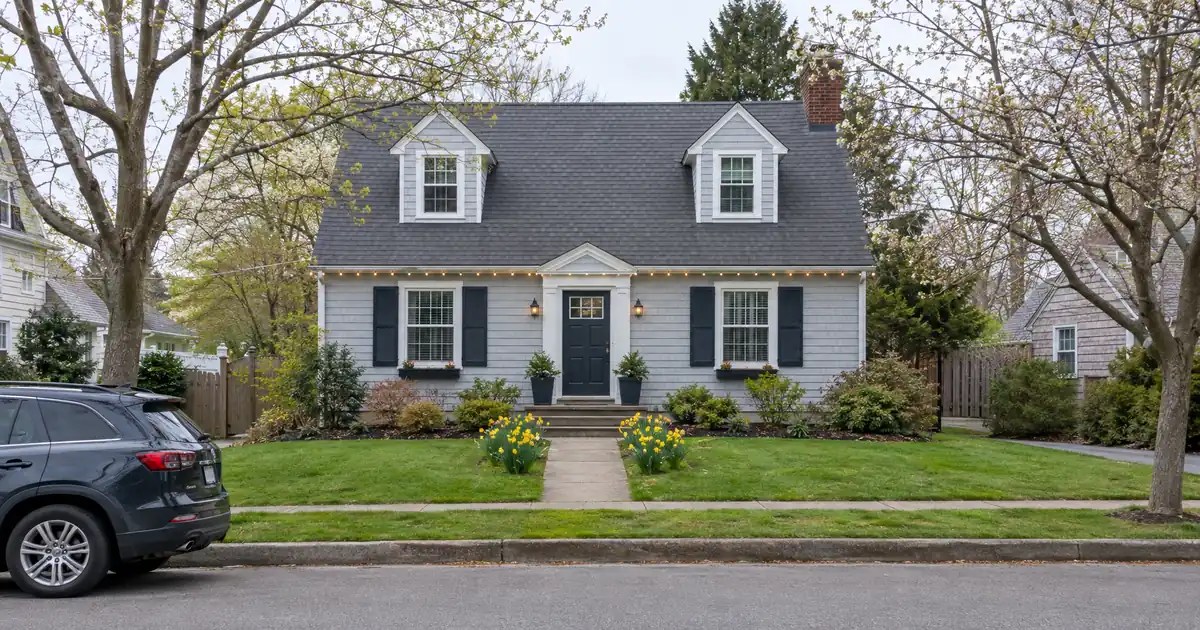
The Quick Read: A DSCR loan does not buy the business itself. It can finance the building only when that building is a true non-owner-occupied rental, and the cleanest case is a tenant unrelated to you. The usual structure splits the deal in two: the business is bought with cash, a seller note, or SBA-style financing, and the real estate is financed on its own merits, with a DSCR loan only if the building qualifies as a rental.
- A DSCR loan finances real estate, never goodwill, inventory, equipment, or working capital.
- A building your own operating company will occupy is generally an owner-occupied commercial deal, not a DSCR deal.
- A building leased to an unrelated tenant is the clean DSCR candidate, subject to property type and lender guidelines.
- A lease between your property entity and your own operating company is a gray zone that each program decides for itself.
- Purchase leverage on investment property varies by program, and coverage requirements differ by lender, with some select programs allowing lower coverage thresholds.
Business buyers often assume one loan can cover everything. It can’t. This article walks through how the pieces separate, how a lender looks at the building, where the rule bends, and how to decide which track fits your deal.
DSCR Calculator
Run the numbers in your market
Rate source: Freddie Mac 30-yr average via FRED® — Federal Reserve Bank of St. Louis · effective Oct 29, 2026
Prefilled with starting assumptions — enter your own rent or nightly figures, taxes, insurance, and HOA for a more accurate picture.
Program parameters update from Lendmire’s centralized guideline source. Taxes and insurance are editable estimates.
As of Oct 29, 2026 · General Freddie Mac market benchmark, not a Lendmire loan offer. Rent, nightly rate, occupancy, taxes, and insurance are editable estimates. Short-term rental figures are estimates only and vary significantly by season, property type, management approach, and local short-term-rental rules — confirm local regulations before relying on them. Qualifying income for short-term rentals varies by program — some use appraisal market rent, others use documented STR history or projections — and is confirmed in underwriting. Not a Loan Estimate, approval, or commitment to lend. Program availability and eligibility are subject to lender guidelines, credit approval, property review, and underwriting.
What Can a DSCR Loan Actually Finance in a Business Purchase?
A DSCR loan finances the real estate and only the real estate. It does not fund the operating company’s goodwill, equipment, inventory, payroll, or working capital. Those pieces need another source of money, and that source competes with your real estate down payment for the same cash.
A business acquisition has three separable pieces:
- The going concern. The customers, contracts, people, equipment, and goodwill.
- The real estate. The building the business operates from.
- The lease. The agreement that connects the two.
Splitting them is standard practice. Commercial brokers call it an OpCo/PropCo structure: the operating company runs the business, and a separate property company owns the building and leases it to the operator. Separating them lets the real estate be financed or sold apart from the business, and TAG Commercial’s overview of sale-leasebacks for PE-backed companies describes the same operating-company and property-company split in a corporate setting.
One trap deserves a warning. The word DSCR means two different things in this conversation. In a Lendmire file, it is the property’s rent divided by the property’s monthly obligation (principal, interest, taxes, insurance, and any HOA dues). Business lenders also use a coverage ratio built on the operating company’s cash flow. They are not interchangeable. A DSCR loan never looks at how profitable your business is.
How Does Underwriting Treat the Building?
The lender asks one gate question first: who occupies the building? Everything else follows from the answer.
DSCR loans are designed for non-owner-occupied investment properties. Because they are business-purpose investor loans, they are reviewed differently from a standard owner-occupied mortgage. The file qualifies primarily on property-level rental income covering the payment, subject to lender guidelines, rather than on your personal income or on how your business performs.
Here is how the gate plays out in practice:
| Who occupies the building | Likely financing track | DSCR fit |
|---|---|---|
| Unrelated tenant under a market lease | DSCR or commercial investor loan | Possible, by property type |
| Your own operating company | SBA, bank, or owner-occupied commercial loan | Generally no |
| Your property LLC leasing to your own company | Program-specific | Gray zone |
| You live in a unit above the shop | Owner-occupied rules | No |
| Seller keeps the building and leases to you | No building loan needed yet | Not applicable |
Underwriting logic explains why. Owner-occupied commercial lending leans on the business’s cash flow, because the business is what pays the debt. Investment lending leans on the lease. That contrast is laid out in the Wikipedia overview of owner-occupied commercial real estate lending, which is background reading rather than program guidance. A DSCR file resting on a lease from your own company carries a different risk than one resting on an unrelated tenant, because the building’s income depends on your new business surviving.
Property type matters too. Across the wholesale network, DSCR programs are built mostly around residential rentals and small multifamily. Mixed-use and commercial buildings are reviewed case by case, and eligibility varies by lender. Manufactured homes (single- and double-wide), log homes, and barndominiums are not offered through the network’s DSCR programs at all.
Why Is the Occupancy Rule So Firm?
Because the loan’s legal character depends on it. A loan for a rental the borrower will not occupy is treated as a business-purpose loan. Under the CFPB’s Regulation Z commentary on exempt transactions, credit to acquire, improve, or maintain rental property that is not owner-occupied is deemed business purpose regardless of the number of housing units. When the owner lives in the rental, the commentary adds unit-count tests, and the facts of the deal control over any label.
Two practical consequences follow. First, a signed occupancy and business-purpose certification carries real weight, and the actual facts have to match it. Second, “business purpose” describes the character of the loan. It is not permission to borrow for a business. Many buyers read the phrase and assume a business-purpose loan can fund a business. It cannot.
Those residential unit tests apply to dwellings. A storefront building is not a housing-unit rental, so a commercial-only building turns on other factors, and the lender’s own program scope usually decides.
Step by Step: How the Combined Deal Gets Built
Think of this as a sequence of decisions, not a single application.
1. Value each asset separately. Get a price for the business and a price for the real estate, or an allocation of the total price between them. Real estate and business can be worth very different amounts, and double-counting value is a common error.
2. Decide who occupies the building. This answer picks your loan track. Make it before you sign anything.
3. Finance the business side outside DSCR. Cash, a seller note, or SBA-style acquisition financing are the usual routes. The lender for that piece sets its own rules.
4. Write a real lease. If rent from a related company will support any loan, it needs to be written, at market rate, and arm’s length. Guarantees from the operating company and the owner strengthen it.
5. Order the right appraisal. A commercial or mixed-use property gets a commercial appraisal. The 1007 rent schedule and 1025 operating income statement forms apply to 1-4 unit residential rentals.
6. Assemble the documents. Separate purchase agreements or an allocation, entity papers for both companies, the lease, and the signed occupancy certification.
7. Sequence the closings. Decide whether the business and building close together or one after the other, and what happens if one financing falls through. That risk is real, so build a contingency into both contracts.
A sound plan also works backward from the cash. The business purchase and the building down payment draw on the same pool. A typical purchase on a DSCR rental runs 75%-80% LTV on an investment property, which means roughly 20%-25% down, subject to lender guidelines. Select high-leverage programs reach 85% LTV on a purchase with about a 700+ score. Reserves commonly run around 6 months of PITIA, stepping up to about 9 months above $1,500,000.
What Do Lenders Look at in the Lease and Rent?
For a rental building, the lease is the whole file. Two things matter most.
- Market rent versus contract rent. The appraiser estimates what the space should rent for. If your contract rent sits well above market, expect the lender to underwrite to the lower figure.
- Who the tenant is. An unrelated tenant is simple. A tenant owned by the buyer draws disclosure requirements and, on many programs, an outright exclusion.
Coverage sets the leverage. A ratio of 1.00 is where many select programs start, and stronger ratios open better pricing and leverage. A separate select-lender path takes coverage below 1.00, with leverage and terms adjusted. Clearing 1.00 does not mean positive cash flow. Repairs, vacancy, management, utilities, and capital expenses all sit outside the calculation, and a single-tenant commercial building can sit vacant for a long stretch when the tenant leaves.
A larger down payment lowers the monthly obligation and can lift the ratio. It never overrides leverage caps, credit floors, reserve rules, or property eligibility. The strongest files clear both tests: enough equity and enough rental coverage. Credit floors start at 620 in parts of the network, most programs want around 660, and 700+ unlocks the strongest leverage tiers. Standard programs run up to $3,000,000.
Where the Rule Bends: Edge Cases
The related-party lease. This is the gray zone, and honesty matters here. Say your property LLC buys the building and leases it to your newly acquired operating company. Some programs will look at the lease as rental income; many will not, because the tenant is you. Nothing in this area is universal, and each program decides under its own guidelines. Treat any yes as program-specific.
SBA rules treat this same structure differently, which is instructive. Under 13 CFR § 120.111, a separate property company, called an eligible passive company, can borrow when it leases to the operating company, and the operating company must guarantee or co-borrow. The structure is treated as owner-occupied, not as an arm’s-length rental. A law-firm guide from Starfield & Smith calls it a narrowly construed exception, requiring the passive company to lease the entire property to the operator. Those pieces describe the older version of SBA procedures, so use them to understand the structure and confirm current rules with the SBA lender.
Mixed-use buildings. Apartments above a storefront can work as an investment property when the tenants are unrelated to you, but lenders weigh the residential and commercial share, and eligibility depends on the program. If you live in one unit, the owner-occupied rules take over.
Seller-retained real estate. Sellers sometimes keep the building in their own entity and lease it to the company you buy. You may buy the building later, separately. This often simplifies the first closing and defers the real estate decision.
Sale-leaseback after closing. Some buyers purchase the business and building together, then sell the building to an investor and lease it back. That moves the real estate off your balance sheet but creates a long-term rent obligation for the business.
Converting later. Another path: buy the business now and rent the building from the seller, then move the operation out of the building later and release it to an unrelated tenant. At that point the property may become a DSCR candidate, depending on the property type and program. A cash-out or refinance on a stabilized rental caps at about 75% LTV across most of the network, and roughly 6 months of seasoning is the common expectation. Final terms depend on the lender’s guidelines, the property type, and the borrower’s complete credit picture.
DSCR vs. conventional financing
There are two common ways to finance an investment property, and they qualify you differently — here’s how investors weigh them.
Why investors choose it
- Qualifies on the property’s rental income — no personal tax returns, W-2s, or pay stubs needed to document income.
- No personal debt-to-income ceiling to clear, so existing mortgages and obligations don’t cap your borrowing the same way.
- Can be closed in an LLC, keeping the property inside a business entity.
- Built for scaling — not held to the limit on number of financed properties that conventional financing applies.
- Underwriting centers on the deal: generally qualifies when the rent covers the payment, a 1.00x coverage ratio being a common baseline (confirmed in underwriting).
- Designed specifically for investment property, including long-term and, where the program allows, short-term rentals.
Where it’s strong
- Often the lowest ongoing financing cost for a buyer who fully qualifies on personal income — a fit for a first property or a cost-first purchase.
Trade-offs for investors
- Requires full personal income documentation and must fit within a debt-to-income limit — salary, existing debts, and other mortgages all count.
- Typically held in your personal name rather than a business entity.
- Caps how many financed properties you can carry, which can become a ceiling as a portfolio grows.
- Evaluates you as a borrower as much as the property, which usually means more paperwork.
How investors usually choose: a first or single property often optimizes for the lowest financing cost; portfolio builders often optimize for leverage, vesting in an LLC, and scaling past conventional caps. The right answer depends on your goals, the property, and current guidelines — both paths run through select lenders in Lendmire’s wholesale network, with eligibility and terms confirmed in underwriting.
Which Loan Track Fits Your Situation?
| Your situation | Track that usually fits | Why |
|---|---|---|
| Buying only a business, no building | Cash, seller note, SBA-style acquisition loan | No real estate to finance |
| Buying business plus building you will occupy | SBA or owner-occupied commercial loan | Business cash flow drives the debt |
| Buying a building rented to an unrelated tenant | DSCR, if the property type fits | Rent covers the payment |
| Buying a building your own company will rent | Program-specific; often SBA/commercial | Related-party lease |
| Seller keeps the building | Lease now, decide later | No real estate loan yet |
The decision that matters: an investor who already owns rentals and is adding a business should treat the real estate as a separate asset class. Someone buying a single business and needing the building to operate it is, in most cases, on the owner-occupied track.
Risks and Mistakes Worth Avoiding
- Calling a building a rental when you occupy it. The certification is signed, and the facts have to match it.
- Assuming a lease from yourself counts. Confirm the program accepts related-party leases before you build a plan around one.
- Under-counting cash. The business purchase and the building down payment draw on the same funds, and reserves come on top.
- Ignoring vacancy. If the business fails, a single-tenant building has to be re-leased on its own merits.
- Reading 1.00 as a profit guarantee. Coverage only measures rent against the monthly obligation.
Tax treatment varies; consult a qualified professional.
Key Terms Defined
DSCR (property version): The property’s monthly rent divided by its monthly principal, interest, taxes, insurance, and any HOA dues.
Non-owner-occupied: A property the borrower does not live in and does not expect to occupy.
Business-purpose loan: A loan made to acquire or carry an investment, such as a rental, rather than a home you live in; it does not fund an operating company.
OpCo: The operating company that runs the business and pays rent.
PropCo: The entity that owns the building and leases it to the operator.
Related-party lease: A lease between entities controlled by the same owner.
Eligible passive company: The SBA term for a property entity that leases its building to an operating company under that program.
Frequently Asked Questions
Can a DSCR loan pay for the business itself?
No. It finances real estate. Goodwill, inventory, equipment, payroll, and working capital all need another source, such as cash, a seller note, or SBA-style acquisition financing. Plan the real estate down payment and reserves around that, since both draw on the same cash.
Can I buy the building through an LLC and lease it to my own company?
Sometimes, but not on every program. Many DSCR programs exclude a building the borrower’s own business occupies, and each lender decides related-party leases under its own guidelines. Subject to program terms, an entity-held purchase may be possible, and the lease should be written, at market rent, and guaranteed. Confirm eligibility before you go under contract.
What if the building has apartments above a storefront?
It can work as an investment property when the tenants are unrelated to you. Lenders weigh the residential versus commercial share, and eligibility varies by lender and program. If you live in one of the units, the deal moves to owner-occupied rules.
Does a strong business help me qualify for the building loan?
Not on a DSCR file. The loan is reviewed primarily on property-level rental income covering the payment, subject to lender guidelines. Your credit profile and reserves still count, with most programs wanting around 660 and 700+ unlocking the strongest leverage.
Can I buy the building later instead of with the business?
Yes, and it is a common approach. If the seller keeps the building and leases it to you, you can defer the real estate purchase. Once the building is a true rental to an unrelated tenant, or you refinance a stabilized property, DSCR becomes a candidate again, with cash-out topping out around 75% LTV on standard rentals. Each figure is subject to lender guidelines and a complete review of property type, leverage, and credit.
If you are buying or refinancing a rental property and want to see how the numbers work, Lendmire can help you compare DSCR loan options based on the property income, credit profile, leverage, and investor goals. The brokerage’s complete DSCR loans guide covers the program basics, and its piece Can a Business Owner Buy a Rental on a DSCR Loan as the Sole Borrower? goes further on entity-level questions. Lendmire arranges DSCR financing through select lenders in its wholesale network across 41 markets, including Washington, D.C., and nothing here is a commitment to lend.
About Lendmire
A non-QM mortgage broker (NMLS# 2371349), Lendmire arranges DSCR financing for real estate investors in 41 markets — 40 states plus Washington, D.C. Because deals are underwritten primarily on property cash flow rather than personal income documentation, the structure suits self-employed buyers and entity-owned portfolios. Lendmire places loans through wholesale investor lenders; it is not a direct lender. Scotsman Guide named Lendmire a Top Mortgage Workplace in both 2025 and 2026.
Get Started
Ready to find the right loan for you?
See your offer in seconds. No credit pull, no obligation.
Informational only. Not a Loan Estimate, approval, or commitment to lend. Program availability and eligibility are subject to lender guidelines, credit approval, property review, and underwriting.
References
1. TAG Commercial, Sale-Leasebacks for PE-Backed Companies
3. CFPB Regulation Z, comment for 1026.3 (exempt transactions)
4. 13 CFR § 120.111 Eligible Passive Company
5. Starfield & Smith, A Refresher on EPC/OC Transactions
This article is part of Lendmire’s DSCR loan program — full qualification details, guidelines, and scenarios live on the program page.
Related reading: Can You Get a DSCR Loan on a Vacant Rental With No Lease? · DSCR Loan vs Conventional Loan for a Landlord With No Rental History · How to Buy a Rental With a DSCR Loan While Living With Parents
Brandon Miller
Founder & CEO, Mortgage Loan Originator, Lendmire LLC
- Mortgage Loan Originator · NMLS# 1129696 · Verify on NMLS Consumer Access
- North Carolina Real Estate Broker · License# 343312 · Verify on NCREC
- North Carolina Insurance Producer · License# 19053198 · Property, Casualty, Life, Health · Verify on NAIC SBS
- Lendmire LLC · Firm NMLS# 2371349 · Verify firm licensure
Legal disclosures. Lendmire (NMLS# 2371349) is a state-licensed mortgage brokerage that arranges financing through wholesale lender relationships. Lendmire is not a direct lender, depository institution, or registered financial advisor. The discussion above is general informational content about real estate financing — it is not financial, legal, or tax advice, and readers should consult licensed professionals for guidance on their individual circumstances. Loan inquiries are subject to lender underwriting; this article does not represent a commitment to lend. Loan terms, rates, and qualification standards vary by borrower, property, and state, and are subject to change at any time. Equal Housing Opportunity. NMLS Consumer Access: nmlsconsumeraccess.org.