
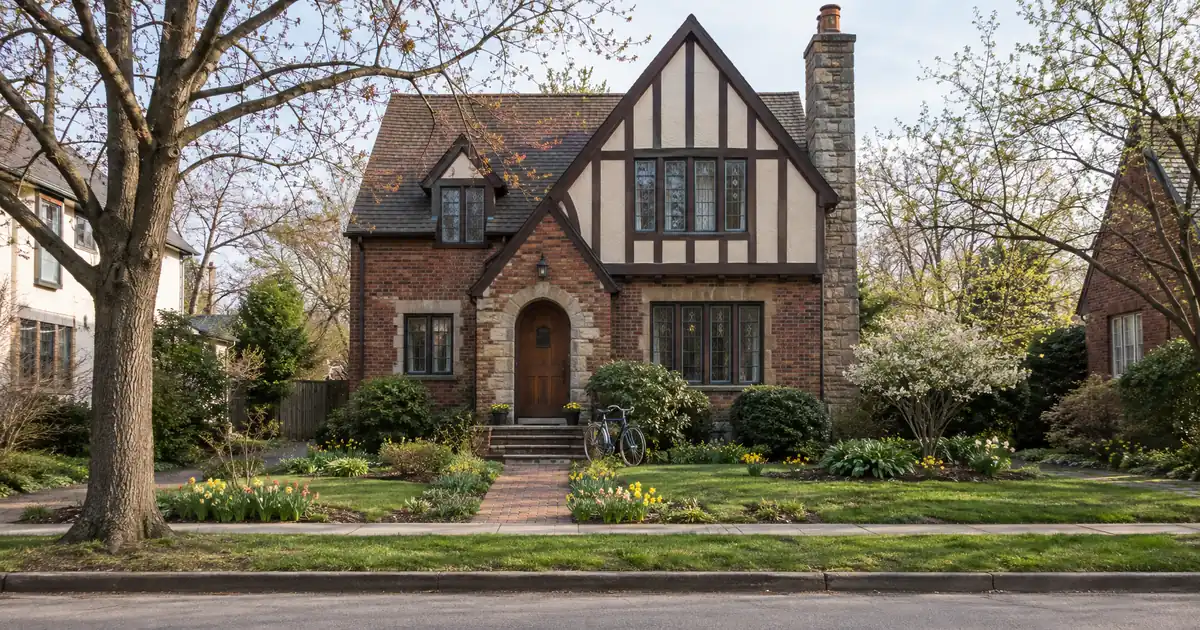
The Quick Read: Yes, a tenant already in place does not block a DSCR purchase, because the loan is reviewed primarily on property-level rental income covering the payment, subject to lender guidelines, and a paying tenant is the cleanest proof that income exists, so the real limit on pace is the file, not the occupant.
- The tenant is not the problem. Documented rent is what the loan is built on.
- The paperwork sets the pace. Leases, a rent roll, an estoppel, entity documents and reserve proof need to be ready early.
- The appraisal is the usual bottleneck. The appraiser needs entry to an occupied home, and the tenant needs notice.
- Lease rent and market rent both matter. Most programs use the lower of the two.
- More than one house changes the deal. Several rentals from one seller means several appraisals, or a portfolio loan, which is a different product.
No broker can promise a closing date. This article walks through what moves a file along and what stalls it.
Key Terms Defined
You will see these terms throughout, so here they are once.
- DSCR (debt service coverage ratio): monthly rent divided by the monthly housing obligation. A 1.20x ratio means the rent is 120% of that obligation.
- PITIA: principal, interest, taxes, insurance and any association dues. It is the obligation the rent is measured against.
- LTV (loan-to-value): the loan amount as a percentage of the property’s value or price.
- Estoppel certificate: a statement the tenant completes and the landlord confirms, listing the rent, deposit, lease term and any side agreements.
- Rent roll: the seller’s schedule of every unit, tenant, rent amount and lease end date.
- In-place rent versus market rent: in-place rent is what the tenant pays today. Market rent is what an appraiser says the home would rent for.
- Blanket (portfolio) loan: one loan secured by several properties instead of one loan per property.
Why a Tenant in Place Helps the File
An occupied rental is the normal situation for this loan. The lender wants evidence that the property earns enough to carry its own debt. A tenant with a lease and a payment history supplies exactly that.
A vacant house asks the lender to trust a projection. An occupied one shows a real lease, real deposits and a real rent amount. That is why a paying tenant is the cleanest version of this deal.
Still, DSCR is a different kind of underwriting, not an absence of it. Credit, reserves, the appraisal, title and property condition all still apply. Across our wholesale network, most purchase programs land at 75% to 80% LTV on an investment property purchase, which means 20% to 25% down. Select high-leverage programs reach 85% LTV on a purchase with roughly a 700+ score. Most programs want a score near 660, a 620 floor exists in parts of the network, and 700+ opens the strongest leverage tiers. Reserves commonly run around 6 months of PITIA, stepping up to about 9 months on larger loans. Terms vary by lender, leverage and loan size, and every file is underwritten individually.
DSCR loans are designed for non-owner-occupied investment properties. Because they are business-purpose investor loans, they are reviewed differently from a standard owner-occupied mortgage. If you plan to live in the property, this is the wrong product.
What Changes When You Buy Tenant-Occupied Rentals From a Landlord?
A landlord-seller is a different counterparty from a homeowner. They have records, and they may have opinions about price. That helps if the records are clean. Here is what you need from the seller, and why:
| Document | Why it matters | If it is missing |
|---|---|---|
| Signed leases | Proves rent amount and term | Rely on market rent alone |
| Rent roll | Shows every unit at a glance | Build one from leases |
| Payment ledgers | Proves the tenant actually pays | Bank deposits or receipts |
| Deposit records | Tells you what liability you inherit | Estoppel confirms amount |
| Tenant estoppel | Locks in rent, deposit and side deals | Negotiate a price adjustment |
Write these deliveries into the purchase contract. Do not ask for them after you are under contract and the clock is running.
A law-firm guide on purchasing a property with existing tenants points out that a tenant is not obligated to sign an estoppel. So the contract should require the seller to request one and to make a good-faith effort to get it. Build that into the timeline from the start. A tenant who ignores the request can stall the file.
The security deposit is the other money item. A landlord-education resource on the tenant estoppel certificate says deposits are typically transferred to the buyer at sale.
How Rent Gets Measured: Lease Versus Appraisal
This is where occupied deals get decided. The appraiser gives a market-rent opinion on the property, and the lender weighs it against the lease. On most files, the lender generally uses the lower of the two.
The appraisal form behind that opinion has a name. A single-family rental uses a comparable rent schedule, which the Fannie Mae Selling Guide identifies as Form 1007. Freddie Mac’s matching Form 1000 describes the same purpose: market rent from the appraiser for a single-family investment property. Those are shared appraisal tools. DSCR loans are not agency loans, and the program terms here come from the lenders in our network. Two-to-four unit buildings use a different appraisal form.
Run two illustrative scenarios, using modeled coverage ratios rather than market data.
Lease above market. The seller’s lease supports about 1.30x coverage. The appraiser’s market rent supports about 1.10x. The file uses roughly 1.10x. The higher lease did not help.
Lease below market. The old lease supports about 0.95x. The lower number caps the file at about 0.95x, even though the property could earn more.
1.00 is where many select programs start. Coverage below 1.00 is a separate path, available through select lenders in the network, with leverage and terms adjusted. So that 0.95x file is not dead. It is a different conversation, with different terms.
Test your offer on the lower number before you go under contract. Run the deal on the appraiser’s number, not the seller’s pro forma. A landlord who has held old, below-market leases will advertise rents “with upside.” Upside does not count toward the ratio today.
One caution on language. Clearing 1.00 does not mean positive cash flow. DSCR compares rent to PITIA only. Repairs, vacancy, management, utilities and capital spending all sit outside the calculation. Size those separately.
Can It Be Done in a Month?
Sometimes. A single clean purchase with a complete file can aim at a tight schedule. But no lender promises a closing date, and this article does not either. What you can control is how many things can go wrong.
The work runs on parallel tracks:
| Track | What happens | What can slip it |
|---|---|---|
| Lender file | Credit, entity papers, reserve proof | Missing LLC documents, thin reserves |
| Appraisal | Market rent and value opinion | Tenant access, notice, scheduling |
| Seller documents | Leases, rent roll, ledgers | Seller cannot produce records |
| Tenant coordination | Estoppel, access, deposit confirmation | Tenant does not respond |
| Title and insurance | Title work, insurance binder | Liens, coverage questions |
The appraisal is the item to watch. The appraiser needs entry to an occupied home. Depending on the lease and local rules, the tenant needs notice, and the tenant may or may not welcome a stranger. Ask the seller to arrange access before the appraiser is ordered.
The documents you control keep a file on pace: entity papers, insurance and reserve proof, prepared up front. If you buy in an LLC, the entity paperwork should be complete before the file goes in, subject to lender program eligibility. Do those items late and you will be asking for extensions.
A tight contract also raises a negotiation risk. If the appraisal slips and the contract expires, the seller may ask for a better price or walk. Build in a realistic window and keep the contingencies honest.
When the Lease Is Messy
Occupied does not always mean tidy. Here is how common situations usually play out. Treat these as how files tend to go, not as approvals, since each program reviews them differently.
- Month-to-month tenant. The evidence is weaker. Expect the lender to want the expired lease plus proof of payments, such as rent receipts or bank deposits, or signed holdover terms.
- No written lease. The appraiser’s market rent stands alone, with weaker documentation behind it.
- Vacant units in a small group. The market-rent opinion carries those units. Some programs add a leasing condition after closing, so confirm program by program.
- A lease that lets the seller terminate on sale. Read the lease clause before you rely on the rent.
- Lease below market. Ask whether the tenant will renew at market before the purchase. You cannot force a seller’s tenant to sign, so settle this before contract.
Not ideal, but common. The fix is nearly always earlier paperwork, not a different loan.
Several Rentals From One Landlord
The title says “rentals,” plural. That changes the structure.
Buying several houses from one seller is not one transaction. On a standard DSCR loan, each property is its own loan with its own appraisal, rent schedule and title work. Individual loans isolate the debt, so you can sell one house without touching the others. The cost is more paperwork. Several appraisals in one stretch is the practical bottleneck.
The alternative is a portfolio (blanket) DSCR loan. Through our network’s portfolio lenders, there are two main structures, and the figures differ from the single-property loan above.
| Feature | 30-year portfolio DSCR loan | Rental portfolio term loan |
|---|---|---|
| Properties | 2 to 20 under one note | 5 or more rentals or units |
| Loan size | $300,000 to $5,000,000 | $500,000 to $50,000,000 |
| Leverage | Up to 80% on a purchase | Up to 75% |
| Term | 30-year, interest-only available | 3, 5, 7 or 10 years, balloon at maturity |
| Coverage test | 1.00 floor on the whole pool | Reviewed on the portfolio |
Larger balances are reviewed individually, and every figure is a program ceiling or floor, subject to lender guidelines. The term loan offers recourse and non-recourse versions. A non-recourse loan looks to the real estate, with recourse limited to carve-outs such as fraud and bankruptcy. A recourse loan carries a personal guarantee. It also carries a prepayment structure called yield maintenance, so ask for the terms before you commit.
Pool coverage is the part many buyers miss. Coverage is measured on pooled rent against pooled debt service, so stronger properties can offset weaker ones. A rental below 1.00 can sit in the pool, but pooled coverage, leverage and terms are what underwriting tests, subject to underwriting. Every property still needs a lease or an appraiser-supported market rent. Credit floors are typically around 640, and some structures want 680 or 720. Some structures also require a special-purpose entity, typically an LLC.
The tradeoff is flexibility. When you sell one property out of the pool, the loan documents govern the release. The release price runs above that property’s allocated balance, and the remaining portfolio must still cover its debt service. Multi-market portfolios can sit under one loan. Owner-occupied property, mobile homes, co-ops, mixed-use and commercial property are ineligible in the pool.
Think about your exit before you sign. An investor who plans to hold everything for years may value a single loan. One who expects to sell the weakest house in two years may prefer separate loans. It is a genuine toss-up, and the answer depends on how much flexibility you want. For a closer look at this scenario, see Lendmire’s guide How to Buy Three Rentals From One Seller With DSCR Financing.
Short-Term Rentals Are a Different Path
If the seller runs the houses as Airbnb-style rentals, the lease logic above does not apply directly. The standard rent form is built around monthly-lease comparables. Short-term rental purchases follow a separate income path.
On the programs we place, a short-term rental purchase tops out at 75% LTV, with a 640+ score expected and about 12 months of hosting history. Coverage starts at 1.00 on purchases. Every figure here varies by lender and program — guidelines, property type, leverage, and credit profile all apply.
Occupancy Rules and When DSCR Is the Wrong Tool
Use this as a quick filter on your plan:
| Your plan | DSCR fit? | Better path |
|---|---|---|
| Hold as a rental | Yes | Standard DSCR purchase |
| Live in one unit of a 2-4 unit | No | Owner-occupant financing |
| Move in later | Not as stated | Disclose plans; pick the right product |
| Need the property delivered vacant | Possible | Negotiate vacant delivery in the contract |
| Manufactured or log home | Not offered | Not available in these programs |
Misrepresenting occupancy on a loan application is a serious problem. Be honest about the plan at the start.
If you need the house empty, negotiate that explicitly. Delivery vacant puts the burden on the seller to end the tenancy, and it can cost you leverage on price. Accepting the property occupied often earns you a better negotiating position.
Closing and After
At the closing table, expect the deposit and any prorated rent to move from seller to buyer. Settle these on the settlement statement, not by handshake. DSCR loans are business-purpose loans, and they are exempt from the consumer-mortgage disclosure rules, though a lender may still provide its own closing documents.
After closing, send the tenant a short letter introducing the new owner, with payment instructions and contact details. If you hire a property manager, hand over the leases and ledgers the same week. Do not raise rent or change terms until you have read the lease. A lease generally survives the sale, so the existing terms usually stay in place.
Tax treatment varies; consult a qualified professional before relying on any deduction.
Common Mistakes
- Pricing the deal on the seller’s pro forma. Use the lower of lease rent and market rent.
- Skipping the estoppel. The lease may not tell the whole story about deposits and side deals.
- Ordering the appraisal before arranging access. The tenant needs notice.
- Treating a clean ratio as cash flow. Budget the costs DSCR ignores.
- Assuming one loan covers five houses. It usually does not.
For a broader walk through the process, Lendmire’s article How to Buy a Tenant-Occupied Rental With a DSCR Portfolio Loan covers the single-property version. The complete DSCR loans guide covers the program basics.
Next Step
If you are buying a rental property and want to see how the numbers work, Lendmire can help you compare DSCR loan options based on the property income, credit profile, leverage and investor goals. Lendmire is a broker that arranges financing through select lenders in its wholesale network across 41 markets, including Washington, D.C. Qualification is subject to lender guidelines. This is not a commitment to lend.
Frequently Asked Questions
Does a tenant in place make a DSCR purchase harder?
No. A paying tenant usually makes the file cleaner, because the rent is documented. What adds friction is missing paperwork or an uncooperative tenant at appraisal time.
What if the seller’s lease is above the appraiser’s market rent?
The higher lease does not lift your ratio. Most programs generally use the lower of the lease rent and the appraiser’s market rent, so an above-market lease gains you nothing.
What if the tenant is month-to-month or there is no lease?
Expect weaker documentation. For a month-to-month tenant, lenders typically want the prior lease plus proof of payments. With no lease at all, the appraiser’s market rent stands alone. Terms depend on the program.
Can I buy several rentals from the same landlord with one loan?
Yes, through a portfolio structure, which is a different product from a standard DSCR loan. One structure covers 2 to 20 properties under one note, and another covers five or more. Individual loans give you more flexibility to sell one property later.
Can I move into the property later?
Not under a DSCR loan. It is for non-owner-occupied rentals, and your occupancy plan should be stated honestly at application.
About Lendmire
As a DSCR and non-QM mortgage broker, Lendmire — NMLS# 2371349 — connects investors with wholesale lending channels across 41 markets, including Washington, D.C. The property’s rental income, not the borrower’s tax returns, is central to lender review, which works for self-employed operators and portfolios beyond four financed properties. Scotsman Guide named Lendmire a Top Mortgage Workplace in both 2025 and 2026.
Get Started
Ready to find the right loan for you?
In about 30 seconds you can review financing options available for your investment property. No commitment required.
Informational only. Not a Loan Estimate, approval, or commitment to lend. Program availability and eligibility are subject to lender guidelines, credit approval, property review, and underwriting.
References
1. Canner Law: Tips for Purchasing a Property With Existing Tenants
2. TurboTenant: Tenant Estoppel Certificate
4. Freddie Mac Form 1000: Single-Family Comparable Rent Schedule
This article is part of Lendmire’s DSCR loan program — full qualification details, guidelines, and scenarios live on the program page.
Related reading: Can You Get a DSCR Loan for an Airbnb in Illinois? · Can You Get a DSCR Loan for an Airbnb in Kentucky? · Can You Buy an Airbnb With Less Than 20% Down on a DSCR Loan?
Brandon Miller
Founder & CEO, Mortgage Loan Originator, Lendmire LLC
- Mortgage Loan Originator · NMLS# 1129696 · Verify on NMLS Consumer Access
- North Carolina Real Estate Broker · License# 343312 · Verify on NCREC
- North Carolina Insurance Producer · License# 19053198 · Property, Casualty, Life, Health · Verify on NAIC SBS
- Lendmire LLC · Firm NMLS# 2371349 · Verify firm licensure
Important disclosures. Lendmire (NMLS# 2371349) is a licensed mortgage brokerage. Lendmire is not a direct lender, depository institution, or financial advisor. All loan inquiries are subject to lender underwriting; this article does not constitute a commitment to lend. Rates, terms, and program guidelines are subject to change without notice and vary by borrower profile, property type, and state. Information in this article is general in nature and is not financial, legal, or tax advice. Equal Housing Opportunity. NMLS Consumer Access: nmlsconsumeraccess.org.