
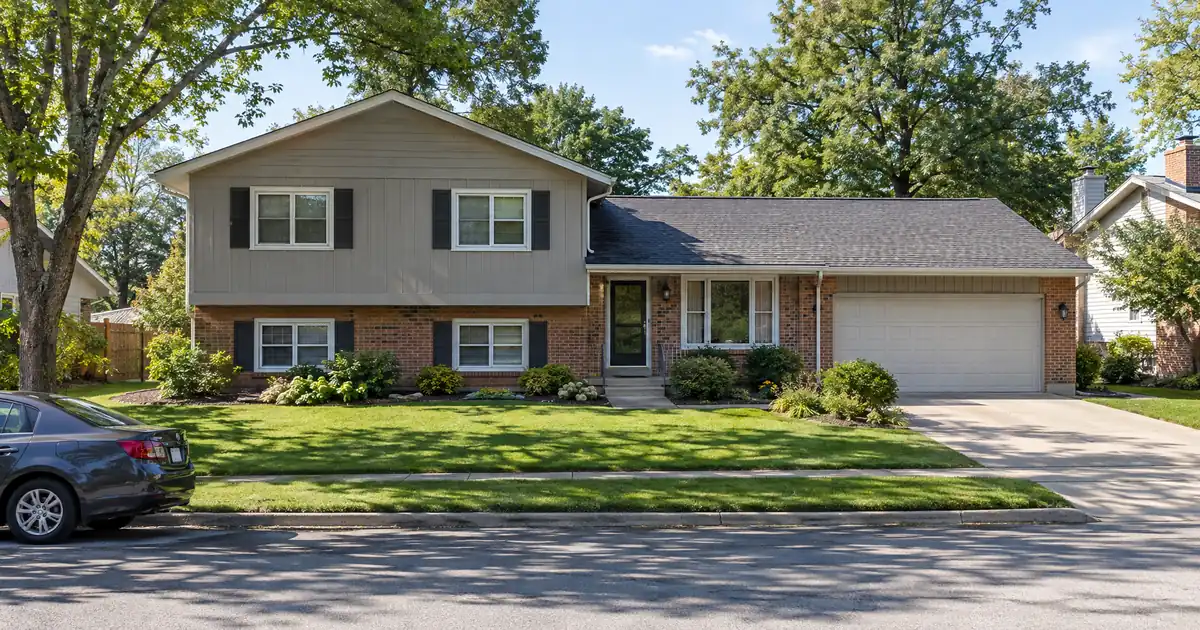
Calculating Rental Income On A Refinance Fannie Mae — The Quick Read: Fannie Mae doesn’t underwrite DSCR investment-property refinances, but its appraisal forms still do most of the work behind the scenes. Lenders across the DSCR space routinely order Form 1007 for one-unit properties or Form 1025 for two-to-four-unit properties, then compare the appraiser’s market-rent opinion against any existing lease. Whichever number is lower typically becomes the rent figure used in the debt-service-coverage ratio. Vacant units, short-term rentals, and recently converted properties each get treated differently, and the differences matter more than most borrowers expect.
Key Takeaways
- DSCR refinances qualify on the property’s rental income rather than traditional personal-income documentation or W-2s, subject to lender guidelines.
- The rent figure usually traces back to Fannie Mae’s own appraisal forms — Form 1007 for single units, Form 1025 for two-to-four unit buildings — even though the loan itself isn’t sold to Fannie Mae.
- On a refinance with a tenant already in place, underwriters generally use the lower of the signed lease rent or the appraiser’s market-rent opinion.
- Coverage compares gross rent to the full monthly housing payment (PITIA). Clearing 1.00 is not the same as positive cash flow once repairs, vacancy, and management costs enter the picture.
- Vacant properties, short-term rentals, and properties recently converted from a primary residence each require different documentation than a straightforward tenant-occupied refinance.
Why a DSCR Refinance Still Uses a Fannie Mae Form
DSCR loans aren’t Fannie Mae products, but they borrowed Fannie Mae’s paperwork. Fannie Mae built Form 1007 (the Single-Family Comparable Rent Schedule) and Form 1025 (the Small Residential Income Property Appraisal Report) for its own conventional investment-property loans. The non-QM industry adopted the same forms because they already do the job well: they give an appraiser a structured way to survey comparable rentals and land on a defensible market-rent figure.
DSCR Calculator
Run the numbers in your market
Rate source: Freddie Mac 30-yr average via FRED® — Federal Reserve Bank of St. Louis · effective Sep 17, 2026
Prefilled with local estimates — enter your own rent or nightly figures, taxes, insurance, and HOA for a more accurate picture.
Program parameters update from Lendmire’s centralized guideline source. Taxes and insurance are editable estimates.
As of Sep 17, 2026 · General Freddie Mac market benchmark, not a Lendmire loan offer. Rent, nightly rate, occupancy, taxes, and insurance are editable estimates. Short-term rental figures are estimates only and vary significantly by season, property type, management approach, and local short-term-rental rules — confirm local regulations before relying on them. Qualifying income for short-term rentals varies by program — some use appraisal market rent, others use documented STR history or projections — and is confirmed in underwriting. Not a Loan Estimate, approval, or commitment to lend. Program availability and eligibility are subject to lender guidelines, credit approval, property review, and underwriting.
That’s a practical distinction, not a regulatory one. A DSCR refinance qualifies primarily on property-level rental income covering the payment, subject to lender guidelines — not on the borrower’s debt-to-income ratio and not on Fannie Mae’s Selling Guide. The forms carried over because appraisers already know how to fill them out and lenders already trust the output.
Key Terms Defined
DSCR (debt-service coverage ratio): the property’s monthly rent divided by its full monthly housing payment, used to decide whether the rent covers the loan obligation.
PITIA: principal, interest, taxes, insurance, and association dues combined — the full monthly cost the rent has to cover.
Form 1007: the appraisal addendum used on one-unit rental properties to document an opinion of market rent, built from comparable rental listings in the area.
Form 1025: the appraisal report used on two-to-four unit rental properties, similar in purpose to Form 1007 but built for small multifamily income analysis.
Market rent: the rent a property could reasonably command based on comparable properties nearby, as opposed to whatever rent a tenant happens to be paying under an existing lease.
How Underwriting Actually Builds the Rent Number
The lender orders an appraisal, and that single report does two jobs at once. It sets the property’s value, which caps the loan amount, and it produces the rent figure used to calculate coverage. The appraiser doesn’t rely on the owner’s word about rent. Instead, the appraiser pulls recently leased comparable properties nearby and adjusts for size, condition, and amenities to land on an independent number, consistent with how Fannie Mae’s Selling Guide directs lenders to document monthly gross rent using the appraisal report or Form 1007, in order of preference, when a lease is present or absent.
Once that market-rent figure exists, the underwriter builds the other side of the ratio: the full PITIA payment. Gross rent gets divided by that full payment, not by whatever’s left after repairs or a property manager’s cut. That’s a distinction worth sitting with, because it means a property that clears 1.00 on paper can still run negative once real operating costs show up. Coverage measures rent against the loan payment. It doesn’t measure profit.
From there, underwriting layers in the rest of the file: credit profile, reserve balances, and an overall risk review before the loan moves forward.
What Happens When a Lease Already Exists?
If a tenant already occupies the property, the appraiser’s market-rent opinion doesn’t stand alone — it gets compared against the actual lease. The common approach across the DSCR world is to use whichever figure is lower, since that produces a more conservative coverage figure. If the appraiser’s market-rent estimate comes in above the signed lease, the lease rent generally wins. If the lease rent is unusually high relative to the neighborhood, the appraiser’s lower market figure typically controls instead.
This matters for an investor who raised rent aggressively right before refinancing, expecting the higher number to carry the file. It usually won’t. The appraisal exists specifically to catch that kind of mismatch and keep the coverage figure grounded in what similar units actually rent for nearby.
What About a Vacant Property?
With no lease to check against, the appraiser’s market-rent opinion becomes the only number on the table. There’s no second figure to reconcile it with, which raises the stakes on getting good comparables. Fannie Mae’s own guidance for the vacant scenario — cited here only because it shows how the underlying form was designed — directs lenders to an appraiser’s opinion of market rents when the property isn’t currently occupied.
For an investor refinancing a property between tenants, or one that’s been sitting vacant during a renovation, this is where the appraisal report carries the full weight of the income determination. It’s worth requesting the appraisal early enough to review the comparables before the deal works forward, since a thin set of comps in a soft rental pocket can pull the number down further than expected.
How Short-Term Rentals Change the Math
Form 1007 wasn’t built for nightly rental income, and that gap shows up fast on a short-term-rental refinance. The form produces a single monthly figure for a conventional long-term tenancy, which doesn’t map cleanly onto a property earning variable nightly rates through a booking platform. McKissock’s appraisal continuing-education material makes this point directly, noting that the form documents monthly rent, not nightly rate or business income.
Across the DSCR lenders in Lendmire’s wholesale network, short-term rental files are usually judged on trailing rental history, not a simple nightly-rate multiplication. Expect a credit score around 700 or higher, roughly 12 months of hosting history, and a coverage floor around 1.00 on purchase transactions. That same 1.00 coverage floor generally applies to refinances too, but lenders evaluate purchase and refinance files separately rather than using one blended standard. Leverage runs lower than on a standard long-term rental. Purchases on short-term-rental collateral typically top out near 75% loan-to-value. Cash-out refinances on that same collateral generally cap around 70% loan-to-value, compared with roughly 75% on a standard long-term rental cash-out refinance.
An investor who converts a long-term rental into a short-term listing right before refinancing should expect the file to get scrutinized on that hosting-history requirement specifically. Twelve months of platform data is a common ask. A property with three months of listings behind it usually gets qualified on long-term market rent instead, at least for now.
Refinance Edge Cases Fannie Mae’s Forms Weren’t Built For
Most refinances are straightforward: a tenant is in place, the lease is current, and the appraisal confirms a reasonable market rent. A few scenarios break that pattern.
Interrupted Rental History
A property that sat vacant for several months, or changed tenants mid-year, might not show clean rental income on the most recent tax return. Fannie Mae’s Selling Guide flags this exact situation for its own conventional loans — cited here only to illustrate how common the problem is — as a case requiring extra documentation when rental interruptions kept income off the return. In the DSCR world, the appraiser’s independent market-rent opinion effectively fills that gap, since the file isn’t relying on a tax return in the first place.
Properties Placed in Service Mid-Year
An investor who converts a primary residence into a rental, then refinances shortly after, faces a similar documentation hole. There’s no full year of rental history to point to. Again, the appraisal-based market-rent figure works as the workaround. That’s one reason DSCR files often move faster through this specific scenario than a conventional refinance would.
Mixed-Use Small Multifamily
Form 1025 covers residential units only. If a two-to-four unit building includes ground-floor commercial space, that commercial income sits entirely outside the residential rent schedule and doesn’t factor into the DSCR gross-rent figure the form produces. Investors evaluating a small multifamily property with a retail tenant on the first floor need to separate the residential rent roll from the commercial lease before assuming both streams will count toward coverage. In most files across the network, they won’t.
The Business-Purpose Reason DSCR Skips Personal Income Docs
DSCR loans are made for non-owner-occupied investment properties. They’re business-purpose investor loans, not owner-occupied mortgages. That’s why lenders review them differently, and the difference comes from a specific legal distinction. Federal consumer-lending protections generally apply to loans used for personal, family, or household purposes. Loans made to buy or keep a rental property fall outside that category. The CFPB’s official commentary to Regulation Z lists the borrower’s stated purpose among the factors that separate business-purpose credit from consumer credit. That’s the underlying reason a DSCR refinance can qualify a borrower on property income alone, rather than a full personal debt-to-income calculation.
Where Coverage Falls Short of 1.00
A property that doesn’t quite clear 1.00 on the appraiser’s rent figure isn’t automatically out of options. Coverage below 1.00 is available through select lenders in Lendmire’s network, though leverage and terms adjust to make up for the thinner margin — typically less loan-to-value and closer attention to reserves and credit. There’s also a separate path, no-ratio qualification, available only through select lenders. It’s generally reserved for borrowers who already own a primary residence and can support the file without leaning on the subject property’s rent coverage at all.
Neither path is a workaround for a property that simply doesn’t rent for enough in its market. They’re structural adjustments for investors with strong compensating factors elsewhere in the file — more equity, stronger credit, or deeper reserves.
What This Means for an Investor Refinancing Today
Program parameters vary lender to lender, but a few patterns hold across most of the wholesale network Lendmire places files through. Cash-out refinances on standard long-term rentals generally cap around 75% loan-to-value, with roughly six months of seasoning expected before a cash-out request gets considered. Credit requirements run flexible: a 620 floor exists on parts of the network, most programs prefer something closer to 660, and a score of 700 or above tends to unlock the strongest leverage tiers. Reserve requirements typically land around six months of PITIA, stepping up toward nine months on loan amounts above roughly $1,500,000; a straightforward rate-and-term file at modest leverage can sometimes see reserves waived entirely, while a larger cash-out request usually won’t. Loan amounts on standard programs reach up to $3,000,000, with smaller balances routed through select lenders that specialize in that range.
Property type matters as much as the rent number. Manufactured homes, both single- and double-wide, along with log homes and barndominiums, fall outside these DSCR programs entirely — regardless of how strong the rental comparables look on paper. An investor holding one of those property types will need a different financing path altogether.
A bigger down payment lowers the monthly obligation and can lift the coverage ratio, but it never overrides a leverage cap, a credit floor, or a reserve requirement. The strongest files clear both tests at once: enough equity to satisfy the loan-to-value limit, and enough rent to satisfy the coverage floor. One without the other still stalls the file. For a fuller walk-through of how these ratios get built and priced, Lendmire’s complete DSCR loans guide covers the mechanics in more depth, and investors weighing a cash-out request specifically may find it useful to compare structures using Lendmire’s Fannie Mae-style cash-out refinance calculator before running the numbers on an actual file. These specifics are subject to lender guidelines and a full review of property, leverage, and credit.
If you’re buying or refinancing a rental property and want to see how the numbers work, Lendmire can help. We compare DSCR loan options based on the property’s income, the borrower’s credit profile, available leverage, and the investor’s goals for the property.
Tax treatment can depend on how refinance proceeds get used and how title is held; investors should keep clear records and speak with a qualified tax professional before relying on any deduction.
Frequently Asked Questions
Does a DSCR refinance require traditional personal-income documentation to prove rental income? Generally, no. Most DSCR programs qualify the property on an appraiser’s market-rent opinion or the current lease rather than a tax return, since the loan is qualifying on the property’s income rather than the borrower’s personal income documentation.
What happens if my property is vacant when I refinance? The appraiser’s market-rent opinion becomes the primary income figure, since there’s no lease to compare it against. That makes the appraisal comparables especially important on a vacant-property refinance, and it’s worth reviewing them before the deal works forward.
Can short-term rental income qualify me for a DSCR refinance? Yes, through select lenders in the network, though the file typically looks different than a long-term rental refinance. Expect a credit score around 700 or above, roughly 12 months of hosting history, and coverage measured against the property’s trailing rental performance rather than a simple nightly-rate calculation.
What if the appraiser’s rent estimate is higher than my actual lease? The lower of the two figures generally controls. Underwriters lean conservative on purpose, so an above-market lease usually won’t lift the rent used for lender review number above what comparable properties are actually renting for.
Is a 1.00 DSCR always required to refinance a rental property? No. A 1.00 coverage ratio is a floor on some programs, not a universal standard across the industry. Coverage below 1.00 is available through select lenders, generally with adjusted leverage and terms to offset the thinner margin.
About Lendmire
Lendmire (NMLS# 2371349) is a mortgage brokerage built around DSCR investor lending, with programs available in 40 markets, including Washington, D.C. DSCR lenders commonly evaluate rental-income coverage instead of personal income paperwork — a practical fit for LLC-owned and multi-property investors. Terms vary by lender, property, leverage, and program. Scotsman Guide named Lendmire a Top Mortgage Workplace in both 2025 and 2026.
Get Started
Ready to find the right loan for you?
In about 30 seconds you can review financing options available for your home or investment property. No commitment required.
Informational only. Not a Loan Estimate, approval, or commitment to lend. Program availability and eligibility are subject to lender guidelines, credit approval, property review, and underwriting.
References
1. Fannie Mae Selling Guide — Rental Income (B3-3.1-08)
2. McKissock — Form 1007’s Impact on Short-Term Rental Appraisals
3. Consumer Financial Protection Bureau — Regulation Z Official Commentary
Brandon Miller
Founder & CEO, Mortgage Loan Originator, Lendmire LLC
- Mortgage Loan Originator · NMLS# 1129696 · Verify on NMLS Consumer Access
- North Carolina Real Estate Broker · License# 343312 · Verify on NCREC
- North Carolina Insurance Producer · License# 19053198 · Property, Casualty, Life, Health · Verify on NAIC SBS
- Lendmire LLC · Firm NMLS# 2371349 · Verify firm licensure
Disclosure information. Lendmire is a state-licensed mortgage brokerage under NMLS# 2371349. Lendmire is not a depository institution, direct lender, or financial advisor — all loans referenced are placed through wholesale lender partners and are subject to each lender's underwriting standards. This article is provided for general informational purposes and is not a commitment to lend, nor does it constitute financial, legal, or tax advice. Loan programs, terms, rates, and qualification standards change without notice and depend on borrower profile, property type, and the state in which the subject property is located. Equal Housing Opportunity provider. NMLS Consumer Access: nmlsconsumeraccess.org.


