
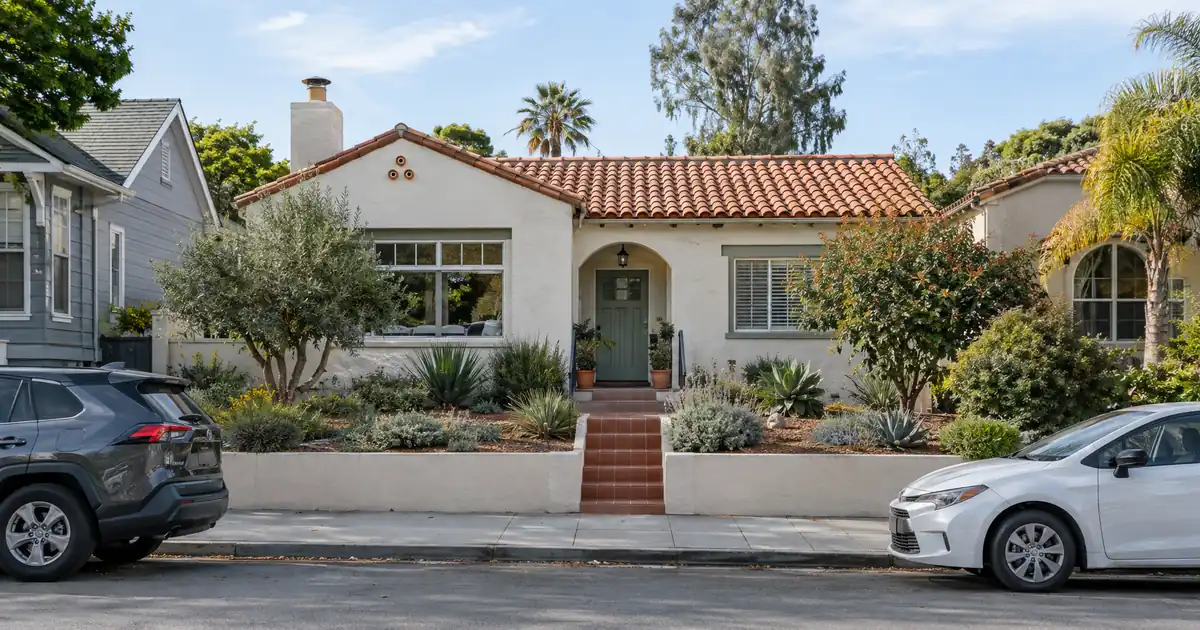
The Quick Read: Usually yes, but only when the rentals sit under a portfolio (blanket) DSCR loan, which is one note secured by liens on every property in the pool, and where the investor lives plays no part in underwriting. A California address does not block a Texas purchase. The real questions are the structure, the entity paperwork, and the pooled coverage.
- A single Texas rental can be financed on an ordinary single-property DSCR loan. No special program is needed.
- Two or more rentals under one note require a portfolio DSCR loan, which across the wholesale network runs from 2 to 20 properties on the 30-year structure.
- Coverage on a portfolio loan is measured on the pool, so stronger rentals can offset weaker ones, subject to lender guidelines.
- Appraisal, title, and recording happen in Texas. The borrower’s California address changes none of it.
- The California question is entity and tax, not the loan. That one belongs with a CPA.
Does Living in California Change the Loan?
No. Residence is not an underwriting factor on a DSCR file. The lender looks at the rental property, the borrower’s credit and reserves, and the entity documents if a company holds title.
DSCR loans are designed for non-owner-occupied investment properties. Because they are business-purpose investor loans, they are reviewed differently from a standard owner-occupied mortgage. The loan is reviewed primarily on property-level rental income covering the payment, subject to lender guidelines. Traditional personal-income documentation and debt-to-income ratios are not the test.
What residence does change is logistics. A Texas property gets a Texas appraiser, Texas title work, and Texas recording. The investor signs from California and the work still happens at the property. Prepayment terms can also differ by the property’s state, so that clause deserves a read.
One Loan Across Several Texas Rentals
Several rentals under one note means a portfolio DSCR loan. Here, “portfolio DSCR loan,” “blanket loan,” and “cross-collateralized loan” all name the same thing: one note, secured by liens on every property, with each property securing the whole balance.
Across the network, two structures cover this need.
The 30-year portfolio DSCR loan holds 2 to 20 properties under one note. Loan sizes run from $300,000 to $5,000,000, with larger balances on review. Leverage goes up to 80% of value on a purchase or rate-and-term refinance. Terms are 30 years, fixed or adjustable, with an interest-only period available. Eligible property types are single-family, 2-4 unit, condo, and townhome.
The rental portfolio term loan is built for five or more rental properties or units. Loan sizes run from $500,000 to $50,000,000, with larger balances on review. Leverage goes up to 75% of value. Terms are fixed at 3, 5, 7, or 10 years with a balloon at maturity. Recourse and non-recourse versions both exist. A non-recourse loan looks to the real estate, with recourse limited to carve-outs such as fraud and bankruptcy. Small multifamily of five or more units is eligible only on this term structure.
Cash-out on either structure tops out at 75% of the pooled value. Inside the first six months of ownership, the loan is also capped at 90% of total cost (purchase price plus documented improvements). From six to twelve months the cap is 100% of total cost. The leverage ceiling still applies, and the loan is the lower of the two. After twelve months the appraised value alone is the basis. A rate-and-term refinance is not subject to the cost-basis cap.
All of this is subject to lender guidelines, credit approval, and property review. These are ceilings and floors, not quotes.
How Pooled Coverage Works
Coverage is rent divided by the full monthly obligation: principal, interest, taxes, insurance, and any association dues. On a portfolio loan the test runs on the pool. Total rent is measured against total debt service. The floor on the 30-year structure is 1.00.
Run the numbers this way. Picture a California investor with three Texas rentals. Two clear 1.20x on their own. The third, an older duplex with higher insurance, sits near 0.95x. Pooled, the three together land a bit above 1.10x. The weaker rental can sit in the pool because underwriting tests the pooled coverage, the leverage, and the terms. These ratios are modeled assumptions, not market data.
The same math shows the limit. Add a fourth weak rental and the pool drops toward the floor. Stronger properties can only carry so much.
Texas taxes and insurance go into the payment before coverage is tested. Two properties with the same rent and price can produce different ratios, which is why each one gets underwritten with its own tax and insurance figures. Clearing 1.00 is also not the same as positive cash flow. DSCR compares rent to the full payment only. Repairs, vacancy, management, utilities, and capital expenses sit outside the calculation.
Can the Pool Cross State Lines?
It depends on the program. This is the central question for anyone mixing Texas with other markets, and no universal answer exists.
Some blanket structures require every property to sit in one state. Others allow several markets or states in one pool. The rental portfolio term loan allows multi-market cross-collateralization, meaning properties in several markets or states can sit under one loan. A few states sit outside the portfolio programs’ footprint, so availability is confirmed file by file.
If every rental is in Texas, this question disappears for the collateral. The California element is the borrower’s residence and possibly the entity. For investors who later want to add a rental in a third market, Lendmire’s piece Can You Finance Rentals in Three Markets on One DSCR Loan? covers that path.
| Question | Program-dependent? | What to confirm |
|---|---|---|
| Several Texas rentals, one note | Yes, needs a portfolio loan | Property count, loan size |
| Texas plus another state, one note | Yes | Multi-market structure allowed |
| Borrower lives in California | No | Nothing in underwriting |
| Appraisal, title, recording | Follows the property | Local vendors per property |
| Prepayment terms | Can vary | The note’s own language |
Where the Closing Work Happens
The work follows the property, not the borrower. Here is the order a clean package follows.
1. Entity first. If an LLC will hold title, form it and gather the operating agreement and good-standing evidence before the file opens. Some structures require a special-purpose entity, typically an LLC, subject to program terms.
2. Lease evidence for every property. Each rental needs a lease or an appraiser-supported market rent. A pool with one missing lease stalls the whole file.
3. Insurance quotes for each Texas property. Taxes and insurance feed the coverage number. Stale quotes cause trouble when a fresh one lands mid-review at a different figure.
4. Reserves documentation. Reserves vary by lender, leverage, loan size, and transaction type. They commonly run around 6 months of PITIA, and loans above $1,500,000 typically step up to about 9 months. On the rental portfolio term loan, reserves are held for taxes, insurance, and capital expenditures.
5. Local appraisals. A Texas appraiser visits each property. Remote access is the friction point: a vacant unit with no key holder, or a tenant who won’t schedule, holds up the whole pool.
6. Title and recording in Texas. Each property clears title in its own county. One title problem on one property can hold the whole note.
Credit matters here too. The portfolio programs set a credit floor of 640, with 680 or 720 on some structures. The single-property DSCR program has its own credit tiers, which apply only to a loan on one rental.
That is the operator view. Most delays on a distance file are not underwriting problems. They are access problems: a manager who doesn’t answer, a lease that isn’t signed, a quote that expired.
Entity Structure: Where the California Question Actually Lives
The loan side is simple. The entity side is where a California investor can get surprised, and it is a tax and legal question rather than a lending one.
On the Texas side, the Texas Secretary of State’s own instructions say a foreign LLC whose purpose is to own and earn income from rental property is probably transacting business in Texas. The agency’s example is an apartment complex, even when someone else manages it. It recommends an attorney if you are unsure. A law-firm explainer from Reidel Law Firm says passively holding title is exempt but operating rentals is not, and lists a $750 filing fee. That is a secondary source, so confirm the current fee with the state.
On the California side, the California Franchise Tax Board says every LLC doing business or organized in California owes an annual minimum tax. Tax practitioners argue an LLC formed in another state can still owe that tax when the activity is managed from California. That is commentary, not an FTB ruling for this exact fact pattern.
The sensible read is this. Entity location and doing-business tests are different questions. An LLC in another state does not automatically avoid California tax. Tax treatment varies, so consult a qualified professional before choosing where to form it. Subject to lender program eligibility, the lender will review whichever entity is chosen and the guarantor behind it.
What Can Go Wrong on One Note
One closing, one payment, one servicer. That is the appeal. The cost is that every property secures the whole debt, so a problem on one can reach all of them.
Three failure modes show up most often on pooled files.
A vacancy drags the pool. One rental goes empty and the pooled ratio slips. A pool built with thin cushion has no room for it.
A sale needs a release. Selling one property out of the pool follows the loan documents and the lender’s release terms. The release price runs above the property’s allocated balance, and the remaining portfolio must still cover its debt service. Read the release clause before signing, not when a buyer appears.
An uninsurable or damaged property. One property that loses coverage or takes a casualty loss becomes a pool-wide problem.
Prepayment is the other trap on the rental portfolio term loan. It carries yield maintenance, 54 months on the 5-year note and 114 months on the 10-year note. That is a real cost of exiting early. Plan the hold period against it.
One Loan or Several? A Decision Table
Pooling is not always the right move. Separate loans make each property qualify alone and allow simple payoffs. Pooling consolidates costs and lets strong rentals carry weak ones.
| Factor | One portfolio loan | Separate loans |
|---|---|---|
| Coverage test | On the pool | Each property alone |
| Weak rental | Can be carried | Must clear on its own |
| Selling one property | Release terms apply | Simple payoff |
| Closings and servicers | One | Several |
| Default exposure | Whole pool | One property |
| Partners or exits differ | Poor fit | Better fit |
Different partners, different exit timelines, or a near-term sale argue for separate notes. Lendmire’s piece Can Partners Finance Shared Rentals on One Portfolio DSCR Loan? covers the partner case in more detail.
Agency loans cap the number of financed properties, and DSCR files are not subject to that same agency limit. On a portfolio file the practical limits are lender exposure, liquidity, credit, and experience.
Why California Investors Look at Texas
Briefly: investors in high-cost states often struggle to find rentals that cover their payment locally, so they look at lower-priced markets. That is the motive, and most searchers already know it. The financing answer is what matters.
For a single Texas rental, the single-property DSCR program applies. Purchase leverage typically lands at 75%-80% on most files, and select high-leverage programs reach 85% on a purchase with roughly a 700+ score. Coverage of 1.00 is where many select programs start. A separate select-lender path takes coverage below 1.00, with leverage and terms adjusted. Credit floors start at 620 in parts of the network, and most programs want around 660. All of this is subject to lender guidelines.
One property type note. Manufactured and mobile homes are not reviewable on any of these programs. Owner-occupied property, co-ops, mixed-use, and commercial property are also ineligible in the pool.
For the full picture of how these loans work, the complete DSCR loans guide covers qualification from start to finish. If you are buying or refinancing a rental property and want to see how the numbers work, Lendmire can help you compare DSCR loan options based on the property income, credit profile, leverage, and investor goals.
Key Terms Defined
DSCR: Debt service coverage ratio, which is rent divided by the full monthly obligation of principal, interest, taxes, insurance, and dues.
Portfolio (blanket) loan: One note secured by liens on several rentals, where each property secures the whole balance.
Cross-collateralization: The arrangement where every property in the pool backs the entire debt.
Release provision: The loan-document terms that let one property leave the pool, usually at a price above its allocated balance.
Pooled coverage: Total rent measured against total debt service across the whole pool.
Foreign LLC registration: The filing an out-of-state company makes to do business in a state, which in Texas is made on Form 304.
Frequently Asked Questions
Do I need a Texas address or Texas LLC to get a DSCR loan on a Texas rental?
No. Residence is not an underwriting factor. An individual or an LLC can hold title, subject to program terms. The entity question is about tax and registration, so consult an attorney or CPA on where to form it.
Can a weak rental sit in the same pool as strong ones?
Yes, within limits. Underwriting tests the pooled coverage, the leverage, and the terms, so stronger rentals can offset a weaker one. Every property still needs a lease or an appraiser-supported market rent. Past a certain point, extra weak properties pull the pool toward the 1.00 floor.
How many Texas rentals fit on one loan?
The 30-year portfolio DSCR loan covers 2 to 20 properties. The rental portfolio term loan is built for five or more properties or units. Loan size ranges and eligibility are subject to lender guidelines and property review.
What if I want to sell one rental later?
Partial releases, substitutions, and sales follow the loan documents and the lender’s release terms. The release price runs above the property’s allocated balance, and the rest of the pool must still cover its debt service. Read that clause before signing.
Does DSCR coverage above 1.00 mean the rental cash flows?
Not necessarily. Repairs, vacancy, management, utilities, and capital expenses sit outside it, so budget for those separately.
About Lendmire
Lendmire (NMLS# 2371349) is a mortgage brokerage built around DSCR investor lending, with programs available in 41 markets, including Washington, D.C. DSCR lenders commonly evaluate rental-income coverage instead of personal income paperwork — a practical fit for LLC-owned and multi-property investors. Terms vary by lender, property, leverage, and program. Scotsman Guide named Lendmire a Top Mortgage Workplace in both 2025 and 2026.
Get Started
Ready to find the right loan for you?
In about 30 seconds you can review financing options available for your investment property. No commitment required.
Informational only. Not a Loan Estimate, approval, or commitment to lend. Program availability and eligibility are subject to lender guidelines, credit approval, property review, and underwriting.
References
1. Texas Secretary of State, Form 304 instructions
2. Reidel Law Firm, Texas foreign entity registration
3. California Franchise Tax Board, LLC page
This article is part of Lendmire’s DSCR loan program — full qualification details, guidelines, and scenarios live on the program page.
Related reading: Portfolio DSCR Loan Closing Costs and Seller Credits on Rentals · How to Handle a Low Purchase Appraisal on a DSCR Loan · DSCR Loan Reassessment Rules for a Purchase or Refinance
Guides: DSCR Loans in California
Brandon Miller
Founder & CEO, Mortgage Loan Originator, Lendmire LLC
- Mortgage Loan Originator · NMLS# 1129696 · Verify on NMLS Consumer Access
- North Carolina Real Estate Broker · License# 343312 · Verify on NCREC
- North Carolina Insurance Producer · License# 19053198 · Property, Casualty, Life, Health · Verify on NAIC SBS
- Lendmire LLC · Firm NMLS# 2371349 · Verify firm licensure
Disclosure information. Lendmire is a state-licensed mortgage brokerage under NMLS# 2371349. Lendmire is not a depository institution, direct lender, or financial advisor — all loans referenced are placed through wholesale lender partners and are subject to each lender's underwriting standards. This article is provided for general informational purposes and is not a commitment to lend, nor does it constitute financial, legal, or tax advice. Loan programs, terms, rates, and qualification standards change without notice and depend on borrower profile, property type, and the state in which the subject property is located. Equal Housing Opportunity provider. NMLS Consumer Access: nmlsconsumeraccess.org.