
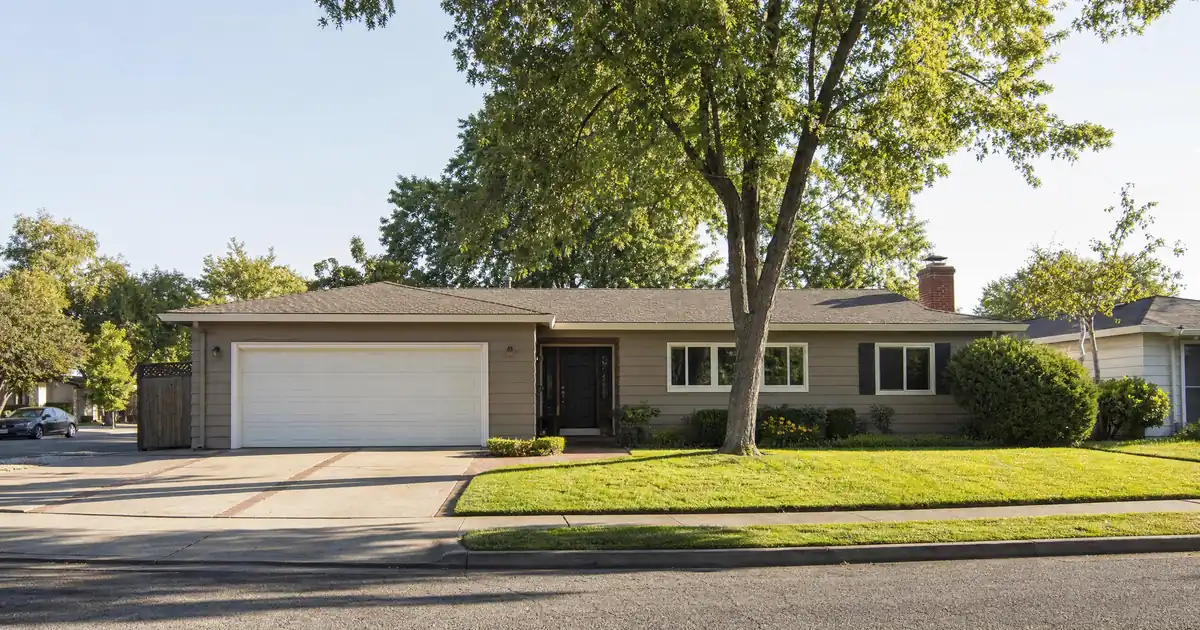
Can I Buy An Investment Property If I Rent — The Quick Read: Yes. It doesn’t matter if you rent your own home. That has no effect on your ability to buy an investment property. No federal lending rule says you must already own a home first. DSCR program guidelines don’t say it either. Underwriters look at the deal itself. They don’t look at your current lease.
That’s the short answer. But it helps to know why it’s true. A lot of renters believe the myth that you need to already own a home. This myth stops people from taking their first step. Here’s what a lender actually cares about: the property’s income, your credit, and your cash reserves. The lender doesn’t care if you currently pay rent. It doesn’t care if you’ve never owned a home. It doesn’t care if you have a landlord of your own.
DSCR Calculator
Run the numbers in your market
Rate source: Freddie Mac 30-yr average via FRED® — Federal Reserve Bank of St. Louis · effective Aug 13, 2026
Prefilled with local estimates — enter your own rent or nightly figures, taxes, insurance, and HOA for a more accurate picture.
Program parameters update from Lendmire’s centralized guideline source. Taxes and insurance are editable estimates.
As of Aug 13, 2026 · General Freddie Mac market benchmark, not a Lendmire loan offer. Rent, nightly rate, occupancy, taxes, and insurance are editable estimates. Short-term rental figures are estimates only and vary significantly by season, property type, management approach, and local short-term-rental rules — confirm local regulations before relying on them. Qualifying income for short-term rentals varies by program — some use appraisal market rent, others use documented STR history or projections — and is confirmed in underwriting. Not a Loan Estimate, approval, or commitment to lend. Program availability and eligibility are subject to lender guidelines, credit approval, property review, and underwriting.
Why Renting Doesn’t Disqualify You
This comes down to how the loan gets classified — not your personal housing history. If a loan is for a property you won’t live in, it’s a rental. Lenders call this business-purpose financing. It’s different from a standard consumer mortgage. DSCR loans are built for properties like this — ones the owner won’t occupy. Because these are business-purpose investor loans, lenders review them differently than a normal owner-occupied mortgage.
That classification depends on one thing only: what’s being bought and how it will be used. It never depends on where the buyer currently lives. Say a renter, a homeowner, and someone living with family all apply for a loan on the same rental property. The lender evaluates all three the same way.
DSCR stands for debt service coverage ratio. These loans qualify mainly on one thing: does the property’s rent cover the payment? This depends on lender guidelines, but it’s the core idea. Your paystubs and your own housing costs don’t drive the file. This is exactly why the strategy works for renters. Want the full picture of how DSCR qualification works? Lendmire’s complete DSCR loans guide covers it start to finish.
Key Terms Defined
DSCR (Debt Service Coverage Ratio): Take the property’s monthly rent. Divide it by the monthly mortgage payment — principal, interest, taxes, insurance, and HOA dues if there are any. A ratio above 1.00 means the rent covers the payment.
Business-purpose loan: This is financing for a property you won’t live in. Lenders look at the deal’s cash flow. They don’t look at your personal debt-to-income numbers.
Owner-occupied vs. non-owner-occupied: This is about whether you plan to live in the property. That’s what decides your loan category and paperwork path. Your current renter status has nothing to do with it.
Reserves: This is the cash you have left after closing. Lenders usually measure it in months of PITIA — principal, interest, taxes, insurance, and association dues. It’s your cushion for vacancy or repairs.
Seasoning: This is the minimum time a lender wants you to own a property before you can do a cash-out refinance on it.
Does Being a First-Time Buyer Change Anything?
No. A renter’s very first real estate purchase can be a straight investment property. There’s no rule saying you need a “starter home” first. DSCR programs don’t even ask if this is your first deal.
What actually matters is credit and reserves. Across Lendmire’s wholesale network, most programs want a credit score around 660 for the smoothest approval. Some lenders in the network will go down to a 620 floor — but only if you bring stronger strengths elsewhere. That could mean a bigger down payment, better reserves, or stronger rental coverage. Cross 700 or higher, and you tend to unlock the best leverage tiers. First-time investors without their own mortgage payment history aren’t punished for it on a DSCR file. That’s different from a program that runs full personal debt-to-income underwriting.
What Changes When You Finance a Rental Instead of a Home to Live In
Here’s the big shift: the lender checks the property’s income instead of your income. For one-unit properties, appraisers typically document rental income on a Single-Family Comparable Rent Schedule (Form 1007). Two- to four-unit properties use a similar multi-unit income form. DSCR programs lean on these same appraisal tools to figure out market rent when there’s no signed lease yet.
A few things still depend on you personally, even though your income isn’t checked:
- Personal credit score
- Landlord or investor experience and track record
- Whether you’ll hold the property yourself or inside an LLC, subject to lender program eligibility
- Cash reserves after closing
None of these four depend on whether you currently rent. A renter with good credit, some track record, and enough reserves gets judged the same as a homeowner with the same profile.
What Lenders Actually Look At on the Property Side
The property does the heavy lifting here — not you. Coverage is the number lenders care about most. This is rent divided by the full monthly payment. Across most programs in the network, 1.00 coverage is a floor for select programs. It’s not a universal rule. Higher ratios open up better pricing and leverage. A property that rents for more than its full monthly payment clears this bar easily. A property that rents close to breakeven is tighter, but it’s not automatically turned down.
It helps to be clear about what this ratio actually measures. DSCR compares rent to the mortgage payment only — principal, interest, taxes, insurance, and HOA dues. It says nothing about repairs. It says nothing about vacancy, property management fees, utilities, or big capital expenses. A deal that clears 1.00 on paper isn’t automatically a deal that makes real cash flow once you count everything. Investors should run their own operating budget alongside the coverage number. Don’t treat one as a stand-in for the other.
Coverage below 1.00 is available through some lenders in the network. But leverage and terms shift to match. A lower ratio usually means less leverage or different pricing — not a flat decline. And it’s never paired with a no-ratio structure, since no-ratio qualification isn’t offered on this renter-to-investor path — in the wider network it’s available only through select lenders, generally for borrowers who already own a primary residence.
Purchase Leverage and Loan Sizing for a Renter-Buyer
Most purchase loans across Lendmire’s wholesale network land at 75%-80% loan-to-value. That means 20%-25% down on most files. Some high-leverage programs reach 85% LTV for borrowers with roughly a 700 credit score or better. This trims the down payment further for strong files.
Loan sizes on the network typically run from the mid-hundreds of thousands up to $3,000,000 on standard programs. Above $2,500,000, the network generally sticks with 30-year fixed loans instead of adjustable options. Reserve requirements shift based on the lender, the leverage, and the transaction type. A common target is around 6 months of PITIA. Some conservative rate-term files at lower leverage may see this requirement waived. Loans above $1,500,000 typically step up to roughly 9 months. None of this is set by whether you currently rent. It’s set by the loan size, the leverage you’re asking for, and how strong your file is.
A bigger down payment lowers your monthly payment. It can also lift your coverage ratio. But it doesn’t erase a credit floor. It doesn’t erase a reserve requirement. It doesn’t erase a property-eligibility question. The strongest files clear both tests at once: enough equity in the deal, and enough rent to comfortably cover the payment. Final terms depend on lender guidelines, property type, leverage, and your full credit picture.
Using Home Equity Instead — What If You Already Own Something?
Some readers here already own a home. Maybe you’re weighing whether to tap that equity instead of qualifying fresh on a new purchase. That’s a different path with its own rules. Lendmire’s guides on using home equity to buy an investment property and using a HELOC to buy an investment property walk through how it works. One key fact: investment-property HELOC lines across the network cap at $500,000 total. But that’s a homeowner’s tool. If you’re a renter without home equity, you skip straight to a DSCR purchase loan on the rental itself. There’s no equity requirement standing in your way.
Where the Confusion Comes From: FHA, VA, and Owner-Occupancy Rules
The myth that you need to already own a home probably comes from government-backed loans. Those programs actually run the opposite rule. FHA and VA loans require you to live in the property you’re buying. You typically have to move in within 60 days of closing and stay there as your primary home. These programs do let you buy a two- to four-unit property, live in one unit, and rent out the rest. People call this a “house hack.” But these loans were never built for a renter who wants to keep their current lease and buy a separate rental elsewhere. That’s a totally different transaction from a DSCR investment purchase. This is where most of the confusion comes from. DSCR skips that step entirely. It looks at the property on its own terms.
What’s Not Available Through DSCR Programs
A few things are worth naming clearly, since “it depends” isn’t helpful when the answer is actually fixed. Manufactured homes — both single- and double-wide — log homes, and barndominiums fall outside DSCR programs across the network. They’re not harder to finance. They’re just not offered. Short-term rental purchases follow a different set of numbers than long-term rentals. STR purchases typically max out around 75% LTV. Short-term rentals qualify at a 1.00 coverage threshold on purchase and refinance at reduced maximum leverage, and require a 12-month income history or market data report at most lenders. STR refinances run closer to 70% LTV with a 1.00 floor on the refinance side. These are two separate thresholds — not one blended number. Short-term rental rules can also change by city, county, HOA, and property type. Confirm local rules before you rely on projected rental income.
Tax treatment can depend on how you use the funds and how you hold the property. Keep clear records. Talk to a qualified tax professional before you rely on any deduction.
A Practical Scenario
Picture a renter with solid W-2 credit history. This person has no mortgage of their own but has saved enough for a down payment on a small multi-unit property in a workforce rental submarket. The lender never asks about the renter’s current lease. Instead, it orders an appraisal with a rental-income schedule. It pulls the borrower’s credit score. It confirms reserves. It runs the property’s projected rent against the full monthly payment to get a coverage ratio. If that ratio clears comfortably above 1.00, and the credit score sits in the mid-600s or better, the file has the basic shape of an approvable DSCR purchase. This is always subject to full underwriting, property review, and lender guidelines. The renter’s own housing situation never enters the picture.
This pattern shows up all the time in DSCR files. A first-time investor with clean credit but zero mortgage payment history gets treated the same as a seasoned landlord with matching credit and reserves. Why? Because the file is built around the property’s numbers, not your housing biography.
If you’re buying or refinancing a rental property and want to see how the numbers work, Lendmire can help. Lendmire is a multi-state mortgage broker (NMLS# 2371349) working through select lenders in its wholesale network across 41 markets, including Washington, D.C. The team can help you compare DSCR loan options based on the property’s income, your credit profile, your requested leverage, and your investment goals. Call 828-256-2183 or request a quote directly to see how a specific property pencils out.
Loan approval is never guaranteed, and nothing here is a commitment to lend. Every scenario described here is subject to lender approval, and to borrower, property, and program guidelines — all of which can change. This article is general information, not financial, legal, or tax advice.
For deeper background on the mechanics discussed here, see eCFR – 12 CFR 1026.3 (Regulation Z, Exempt Transactions).
Frequently Asked Questions
Do I need to already own a home before buying an investment property?
No. There’s no rule — federal, agency, or program-level — that says you need to already own a home before financing a rental purchase. Underwriting looks at the property you’re buying, not your current housing setup.
Will my current rent payment count against me when I apply?
Not on a DSCR loan. DSCR programs qualify mainly on the subject property’s rental income, not your personal income paperwork. Your own rent doesn’t factor into the ratio the way it would on a conventional agency loan that runs full personal debt-to-income underwriting.
Can my very first real estate purchase be a rental property instead of a home to live in?
Yes. DSCR program guidelines don’t require a “starter home” step first. What matters more is your credit score, your reserves, and the property’s coverage ratio. Most programs across the network look for credit around 660 or better, though some accept lower scores if you bring stronger strengths elsewhere in the file.
What if I later want to move into the investment property myself?
That changes how the loan gets classified. Once you occupy the property, it shifts from a business-purpose loan to a consumer-purpose transaction. That’s a different regulatory category with different disclosure rules. Talk to a lender directly before making that move — don’t assume it works automatically on an existing DSCR loan.
Can I use a HELOC on my current rental to help buy another one, even though I rent my own home personally?
If you already own an investment property with equity, a HELOC secured against that rental is a separate tool from a new DSCR purchase. Investment-property HELOC lines across the network cap at $500,000 total. Renting your own home doesn’t block you from using this tool, as long as you own the equity-bearing property outright.
About Lendmire
Lendmire (NMLS# 2371349) is a DSCR-focused mortgage broker. It places investor financing across 41 markets — 40 states plus Washington, D.C. DSCR eligibility is generally reviewed by the lender based on the property’s cash flow instead of tax returns, subject to lender guidelines. Scotsman Guide named Lendmire a Top Mortgage Workplace in 2025 and 2026.
You can find Lendmire’s Top Mortgage Workplace recognition documented by Scotsman Guide 2025 Top Mortgage Workplace and Scotsman Guide 2026 Top Mortgage Workplace.
Program availability, loan terms, and eligibility depend on lender guidelines, credit approval, property review, and full underwriting. This article is educational. It is not a loan offer or a commitment to lend.
Get Started
Ready to find the right loan for you?
In about 30 seconds you can review financing options available for your home or investment property. No commitment required.
Informational only. Not a Loan Estimate, approval, or commitment to lend. Program availability and eligibility are subject to lender guidelines, credit approval, property review, and underwriting.
References
1. Fannie Mae Selling Guide – Rental Income (B3-3.8-01)
2. eCFR – 12 CFR 1026.3 (Regulation Z, Exempt Transactions)
This article is part of Lendmire’s DSCR loan program — full qualification details, guidelines, and scenarios live on the program page.
Related reading: You Do Not Have To Own A Home To Be A Landlord · Why Lenders Usually Make You Own A Home First: Rental Property Basics · Can I Refinance A Rental Property As A Primary Property?
Brandon Miller
Founder & CEO, Mortgage Loan Originator, Lendmire LLC
- Mortgage Loan Originator · NMLS# 1129696 · Verify on NMLS Consumer Access
- North Carolina Real Estate Broker · License# 343312 · Verify on NCREC
- North Carolina Insurance Producer · License# 19053198 · Property, Casualty, Life, Health · Verify on NAIC SBS
- Lendmire LLC · Firm NMLS# 2371349 · Verify firm licensure
Required disclosures. Lendmire (NMLS# 2371349) operates as a licensed mortgage broker, not a direct lender or depository. The discussion in this article is general in nature and should not be relied upon as financial, legal, or tax advice — every investment scenario is unique and should be reviewed by a qualified professional. Any loan inquiry is subject to lender underwriting, and this article is not a commitment to lend or a guarantee of approval. Mortgage rates, loan terms, and program guidelines vary by borrower, property, and state, and may change without notice. Equal Housing Opportunity. Verify licensure at NMLS Consumer Access.