
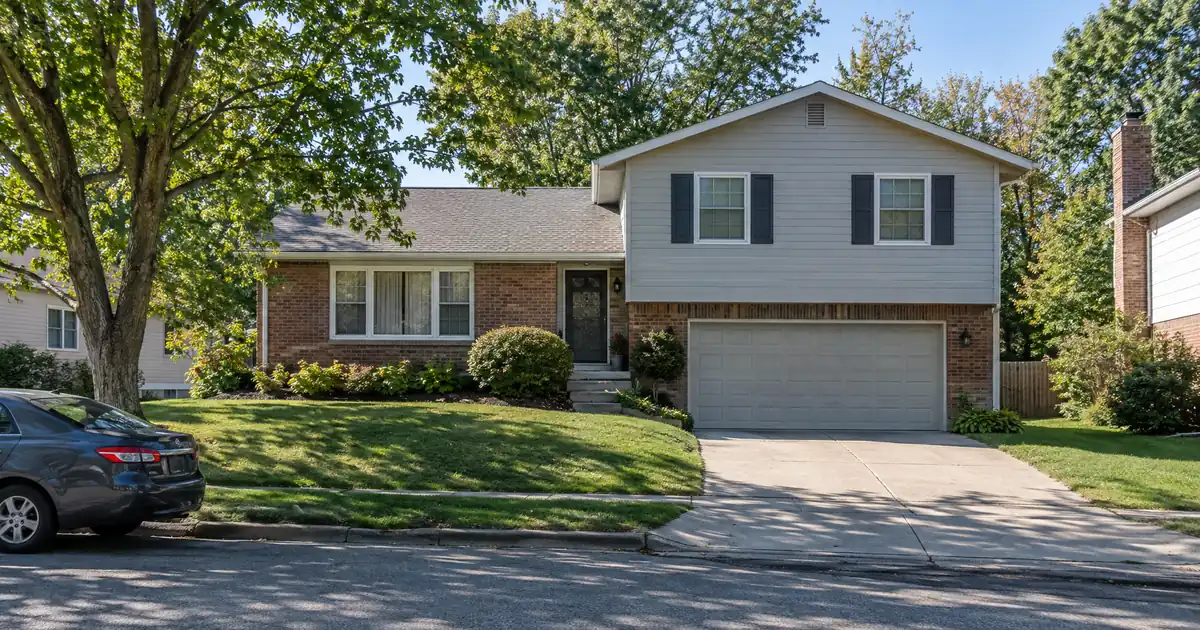
Can I Refinance My Rental Property Today And 30 Days Later Sell It To My Renters? — The Quick Read: Yes. No federal rule or regulator stops a landlord from refinancing a rental and then selling it to the current tenant shortly after. The real friction isn’t legal permission. It’s the prepayment penalty on the loan you just closed. It’s the due-on-sale clause that forces payoff at closing. And it’s the extra scrutiny a non-arm’s-length sale draws from an appraiser or the tenant’s own lender.
There’s no waiting period that blocks a landlord from selling a rental shortly after refinancing it. The transaction is legal on its face. What makes it a smart move comes down to money. How much does the note charge to pay off early? Is the sale price fair enough to survive underwriting scrutiny? Does the tenant’s own financing timeline match the deal you want to do?
DSCR Calculator
Run the numbers in your market
Rate source: Freddie Mac 30-yr average via FRED® — Federal Reserve Bank of St. Louis · effective Sep 10, 2026
Prefilled with local estimates — enter your own rent or nightly figures, taxes, insurance, and HOA for a more accurate picture.
Program parameters update from Lendmire’s centralized guideline source. Taxes and insurance are editable estimates.
As of Sep 10, 2026 · General Freddie Mac market benchmark, not a Lendmire loan offer. Rent, nightly rate, occupancy, taxes, and insurance are editable estimates. Short-term rental figures are estimates only and vary significantly by season, property type, management approach, and local short-term-rental rules — confirm local regulations before relying on them. Qualifying income for short-term rentals varies by program — some use appraisal market rent, others use documented STR history or projections — and is confirmed in underwriting. Not a Loan Estimate, approval, or commitment to lend. Program availability and eligibility are subject to lender guidelines, credit approval, property review, and underwriting.
What Actually Happens When You Refinance and Sell 30 Days Later?
Four things happen in order. Each one is separate from the others — that’s the part investors tend to mix up.
First, the refinance closes. A new lien gets recorded against the property. Whatever seasoning clock applied to getting into that loan — commonly around six months of ownership on a cash-out DSCR refinance across most of the wholesale network — is now satisfied. That clock doesn’t start over once the refinance closes. It only governed getting the loan, not what you do with the property after.
Second, you put the property under contract with the tenant. The buyer already lives there, so this gets classified as a non-arm’s-length or identity-of-interest sale. That’s a disclosure category. It’s not a prohibition. Appraisers and underwriters just want to confirm the price wasn’t shaped by the existing landlord-tenant relationship.
Third, the sale closes. The payoff statement wipes out the loan you originated only shortly before. The due-on-sale clause in your note makes that happen. It requires full repayment the moment title transfers, no matter how recently the loan was originated. Cornell Law School’s Wex glossary puts it plainly: a due-on-sale clause lets the lender demand the full remaining balance when the property is sold or transferred. That applies whether the sale happens in year one or year ten.
Fourth, whatever prepayment penalty attached to that new note gets charged against the proceeds. This is the step that actually costs money. Most DSCR notes carry a step-down structure — a declining percentage of the outstanding balance by year, or a flat charge in year one. It’s calculated against the payoff balance at closing, not the original loan amount. An investor doing a fast refinance-then-sell sequence needs to know this fee cold before signing anything, because it directly cuts into what’s left after the sale.
Key Terms Defined
Due-on-sale clause — a provision in the mortgage that lets the lender demand immediate full repayment once the property is sold or transferred to someone else.
Prepayment penalty — a fee charged when a loan is paid off earlier than the note anticipated, typically structured as a step-down percentage of the balance that shrinks each year.
Non-arm’s-length sale — a transaction between parties who already have a relationship (family, business partners, or in this case, landlord and tenant), which draws extra underwriting and appraisal scrutiny to confirm the price wasn’t skewed by that relationship.
Title seasoning — the minimum period a lender requires between when you acquired a property and when you can pull cash out against it through a refinance.
DSCR (debt service coverage ratio) — the ratio of a property’s rental income to its full monthly obligation (principal, interest, taxes, insurance, and any HOA dues), used to qualify the loan on the property’s cash flow rather than the borrower’s personal income.
Does the Due-on-Sale Clause Actually Punish You for Selling Fast?
No. The due-on-sale clause isn’t a penalty for selling fast. It’s just the mechanism that forces payoff at any sale, whether that happens shortly after closing or years later. Refinancing itself doesn’t trigger it either. The clause only cares about a change in ownership, not a change in loan terms or lenders.
People often confuse this with the prepayment penalty. That’s a separate contract term tied to how soon the loan gets paid off after closing. The due-on-sale clause fires no matter the timing. The prepayment penalty is timing-sensitive. That’s the number an investor actually needs to check against the sale price before deciding whether selling to the tenant now beats holding the loan longer.
DSCR loans are built for non-owner-occupied investment properties. They’re business-purpose loans, not consumer mortgages, so they’re reviewed under a different framework than an owner-occupied refinance. That’s also why the Consumer Financial Protection Bureau’s own rule exempts credit extended mainly for business purposes from Truth in Lending disclosure and rescission requirements. A rental refinance followed by a rental sale never triggers the owner-occupancy rules that govern a primary-residence mortgage in the first place.
Does Selling to Your Own Tenant Change the Underwriting?
Yes, but only in the sense that it adds disclosure, not restriction. A sale to a sitting tenant gets flagged as non-arm’s-length because the two parties already have a relationship. The concern is always about price — did the existing lease dynamic push the number up or down from what a stranger would have paid?
If the tenant is paying cash or financing conventionally, this mostly becomes a title and closing-disclosure item, not an underwriting obstacle. If the tenant needs their own mortgage, expect their lender to require an addendum explaining the landlord-tenant relationship, and possibly a closer look at comparable sales. None of this blocks the deal. It just means more paperwork than a stranger-to-stranger sale.
Appraisers use forms built specifically for rental properties in these situations — the Fannie Mae Single-Family Comparable Rent Schedule for one-unit rentals when rental income is part of the qualification picture, or a comparable form for 2-4 unit buildings. If the tenant-buyer’s loan program relies on the rental history of the unit, this is where that documentation shows up.
What If the Tenant Uses Their Own Financing to Buy It?
If the tenant’s lender is FHA, the HUD anti-flipping rule can require a second appraisal when the resale falls between 91 and 180 days after your acquisition date — not your refinance date. If you’ve owned the property longer than a year, this rule doesn’t apply at all, no matter when you refinanced. A tenant using conventional financing or paying cash skips the FHA flipping rule entirely, since it only governs FHA-insured purchase loans.
Investors mix this up more than anything else: the flipping-rule clock measures how long you held the property before reselling it. It doesn’t measure how recently you refinanced. Refinancing shortly before the sale doesn’t reset or restart that clock either way.
The Real Decision: Does the Math Clear?
This is where the scenario actually lives or dies. It’s a spreadsheet exercise, not a compliance question. Secondary-market investors buying these loans price in an expectation of a multi-year hold — a dynamic touched on in Scotsman Guide’s coverage of alternative lending. A prepayment penalty exists to make up for the interest income that expectation assumed and didn’t get. Selling shortly after closing breaks that assumption, and the penalty is how the lender recoups it.
Before signing a purchase contract with the tenant, an investor should pull the actual prepayment schedule off the note — not an assumed industry average — and run it against the sale price, the payoff balance, and normal transaction costs. If the tenant’s offer clears all three with room left over, the fast turnaround can still make sense. If it doesn’t, holding the loan for another year or two and letting the penalty step down (most step-down structures shrink every twelve months) is often the better play.
On the qualification side, standard DSCR ranges across most of the wholesale network apply to borrowers who already own a primary residence. Credit typically starts around 660 for the best pricing tiers, with a 620 floor on some programs. The strongest leverage — up to roughly 80% on a purchase — is reserved for scores at 700 and above. Cash-out refinances on standard rentals typically cap near 75% LTV. Cash-out against short-term-rental collateral runs closer to 70% LTV, given the added income volatility. Reserve requirements typically run around six months of the full monthly obligation, stepping up toward nine months on loan sizes above roughly $1.5 million. Investors who don’t yet own a primary residence access a separate DSCR path with its own credit, leverage, and reserve requirements — worth confirming directly if that applies.
None of this changes based on how soon after the refinance the sale closes. The underlying loan terms — not the resale timing — set these ranges. And every one of them is subject to lender guidelines and individual file review.
A Practical Timeline
| Stage | What Your Lender Sees | What the Tenant’s Lender Sees | What You Need in Place |
|---|---|---|---|
| Refinance Closing | New refinance note recorded; prepayment schedule attached | Not yet involved | Confirm exact prepayment terms in writing |
| Pre-Sale Period | Nothing new — loan is active and current | Reviewing purchase contract, possibly flagging non-arm’s-length | Purchase contract, disclosure of landlord-tenant relationship |
| Sale Closing | Payoff request initiated; due-on-sale clause triggers full payoff | Ordering appraisal, possibly requesting rent schedule form | Payoff statement, settlement figures |
| Post-Closing | Loan paid in full; prepayment penalty deducted from proceeds | Closing on their own financing, if applicable | Net-proceeds calculation after penalty and costs |
What If the Rent Doesn’t Fully Cover the Payment?
If the property’s rent doesn’t clear a 1.00 coverage ratio on paper, that doesn’t automatically take it off the table before a sale is even considered. Sub-1.00 coverage is available through select lenders in the network, though leverage and terms typically adjust to compensate. This is a separate conversation from the resale question, but it’s worth knowing if the refinance itself was structured tightly against a coverage floor. A property qualifying right at 1.00 isn’t the same as one generating positive cash flow after repairs, vacancy, management, and other carrying costs. DSCR only measures rent against the loan payment — nothing else.
Tax treatment can depend on how the refinance proceeds were used and how the property is held. Investors should keep clean records and talk to a qualified tax professional before assuming any deduction or gain-recognition outcome on this kind of fast sequence.
Investors weighing this exact sequence — pull cash out, then decide whether to sell or hold — often start by comparing the two exits side by side. Lendmire’s breakdown on whether to sell a rental property or cash-out refinance instead and its companion piece on refinancing versus selling as an exit strategy both walk through that comparison in more depth. For the mechanics of pulling equity out of a rental in the first place, Lendmire’s rental property cash-out refinance page and its complete DSCR loans guide cover qualification, documentation, and leverage in full.
If you’re weighing a refinance now against a sale later, and want to see how the prepayment terms, coverage ratio, and leverage on your specific file actually pencil out, Lendmire can help compare DSCR loan options based on the property’s income, your credit profile, and your goals for the exit.
Frequently Asked Questions
Can I use seller financing instead of refinancing to avoid this whole issue?
Yes, and it’s a common workaround landlords consider specifically in this situation. Carrying the note yourself avoids triggering a new lender’s due-on-sale clause and prepayment schedule entirely, since there’s no new institutional loan involved — though it shifts the collection risk and servicing burden onto you as the seller, and any existing mortgage on the property still has its own due-on-sale clause to consider if it isn’t paid off at closing.
Does refinancing reset the anti-flipping clock that applies to my tenant’s own FHA loan?
No. The HUD flipping rule measures time from when you acquired the property, not from your most recent refinance. A refinance doesn’t restart, pause, or otherwise affect that acquisition-to-resale clock at all.
What happens to my new refinance if the tenant’s financing falls through?
The refinance stands as originated — it doesn’t depend on the sale closing. If the tenant’s loan falls through, the property simply remains rented under the new loan terms until another buyer is found or you decide to hold. The prepayment penalty only applies when the loan is actually paid off, so nothing is charged if the sale doesn’t happen.
Is selling to my tenant automatically treated as fraud?
No. A DSCR loan is already underwritten as a non-owner-occupied investment property from the start, so there’s no owner-occupancy representation to violate by selling it. Non-arm’s-length sales get extra disclosure and scrutiny because of the existing relationship, not because they’re prohibited.
Does the 90-day FHA rule apply to my own refinance at all?
No — that rule governs the tenant-buyer’s FHA financing and how long you owned the property before reselling, not your refinance history. A tenant paying cash or using conventional financing isn’t subject to it in the first place.
About Lendmire
Lendmire (NMLS# 2371349) is a mortgage brokerage focused on DSCR investor financing, helping arrange programs through wholesale and investor-lending channels in 40 markets, including Washington, D.C. DSCR loans are evaluated by the lender on property cash flow rather than personal income, subject to lender guidelines, supporting LLC closings and accommodating investors with four or more financed properties. Scotsman Guide Top Mortgage Workplace in both 2025 and 2026.
Get Started
Ready to find the right loan for you?
In about 30 seconds you can review financing options available for your home or investment property. No commitment required.
Informational only. Not a Loan Estimate, approval, or commitment to lend. Program availability and eligibility are subject to lender guidelines, credit approval, property review, and underwriting.
References
1. Cornell Law School Wex — Due-on-Sale Clause
2. Consumer Financial Protection Bureau — § 1026.3 Exempt Transactions
3. Fannie Mae — Form 1007, Single-Family Comparable Rent Schedule
4. Scotsman Guide — Alternative Lending Offers New Pools for Lenders to Wade In
Brandon Miller
Founder & CEO, Mortgage Loan Originator, Lendmire LLC
- Mortgage Loan Originator · NMLS# 1129696 · Verify on NMLS Consumer Access
- North Carolina Real Estate Broker · License# 343312 · Verify on NCREC
- North Carolina Insurance Producer · License# 19053198 · Property, Casualty, Life, Health · Verify on NAIC SBS
- Lendmire LLC · Firm NMLS# 2371349 · Verify firm licensure
Compliance and disclosures. Lendmire (NMLS# 2371349) is a licensed mortgage broker and is not a direct lender, depository institution, financial advisor, or tax professional. Content in this article is general market analysis and educational information — not financial, legal, or tax advice for any specific situation. Lendmire does not guarantee loan approval; every transaction is subject to underwriting by the funding lender. Mortgage pricing and loan program guidelines are subject to change at any time without notice and vary by borrower characteristics, property type, and state regulations. Lendmire complies with Equal Housing Opportunity. Licensure verification: NMLS Consumer Access.


