
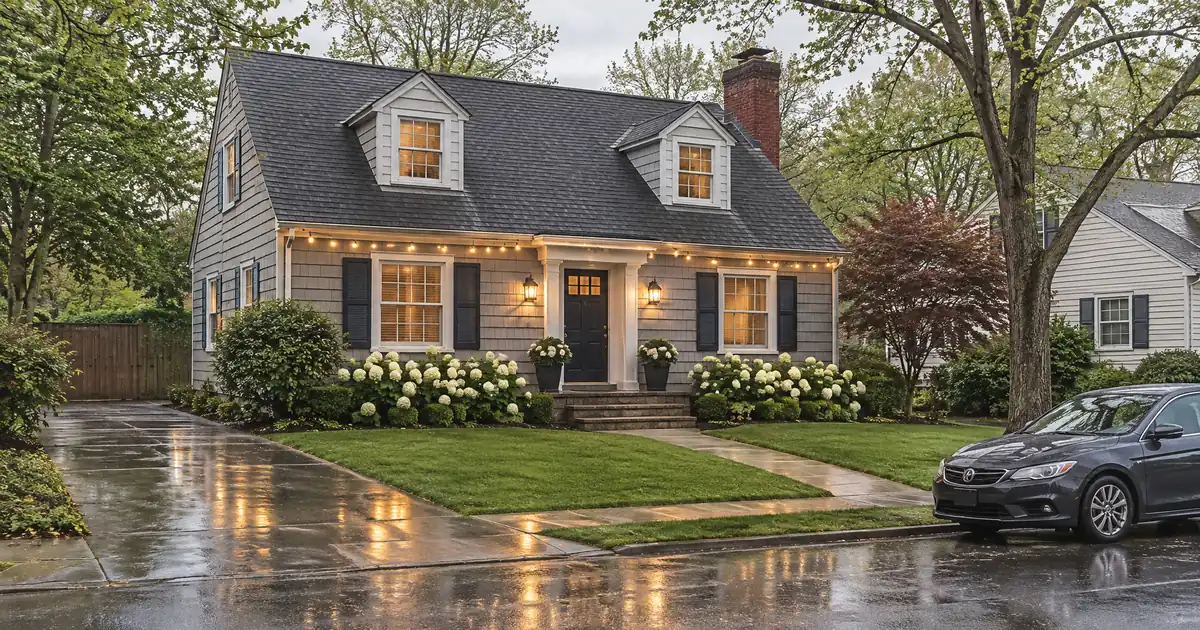
The Quick Read: Yes, but only after the heirs hold recorded title, because a lender can take a lien only from someone with legal authority to sign, and sitting tenants do not stand in the way, since occupied units are the normal case for DSCR files that qualify primarily on property-level rental income covering the payment, subject to lender guidelines.
- Recorded title in the heir’s name (or the heir’s entity) comes first. Open probate without a deed usually calls for a different, estate-level product.
- Tenants help the file. Leases and rent evidence are what the underwriting runs on.
- A portfolio cash-out is capped at 75% of pooled value, and about 6 months of ownership seasoning is the common expectation.
- Pooled coverage on the 30-year portfolio structure is tested at a 1.00 floor, with strong rentals offsetting weak ones.
- The tax step-up on inherited property does not raise how much you can borrow. Lenders size on the new appraisal and the rent.
An heir who receives several tenanted rentals often holds a lot of embedded equity and a steady rent stream. The question is whether one pooled loan can turn that equity into acquisition capital. It can, if the sequence is right. This article walks through the sequence, the exceptions, and the decision between pooling and separate loans. For the broader foundation, Lendmire’s complete DSCR loans guide covers how these programs work.
Key Terms Defined
Portfolio (blanket) DSCR loan: One note secured by several rentals, where the lender tests pooled rent against pooled debt service. “Blanket” and “cross-collateralized” name the same thing here. (A bank’s own “portfolio loan,” one it keeps on its books, is a different use of the word.)
Pooled coverage: Total rent used for lender review divided by total monthly principal, interest, taxes, insurance, and any HOA dues across all properties in the loan.
Seasoning: The ownership period a lender wants before it allows cash-out. On most files in the network it runs about 6 months, measured from title recording.
Release provision: The loan-document terms for taking one property out of the pool, typically at a release price above that property’s allocated balance.
Estoppel certificate: A tenant-signed statement of existing lease terms, deposit, prepaid rent, and payment status.
What Has to Happen Before Any Lender Can Lend?
Title has to vest in someone who can sign. If probate is open and no deed has recorded to the heir or the heir’s entity, a standard DSCR cash-out does not fit. Funded trusts, survivorship, and transfer-on-death arrangements may skip probate, so the title review decides which stage you are in.
| Stage | Who can sign | What is possible |
|---|---|---|
| Probate open, no letters | Nobody | Nothing yet |
| Probate open, letters issued | Executor | Estate-level financing only |
| Deed recorded to heir | The heir | Portfolio or single-property DSCR |
| Vested in heir’s LLC | The entity | Same, subject to lender program eligibility |
A title commitment is worth ordering early. Judgments against an heir can attach once that heir is on title, and the lender will find them.
Co-heirs add a layer. Everyone on title must sign. A sibling buyout is often funded by one lump-sum cash-out, but it has to fit inside the 75% ceiling on pooled value. If the buyout needs more than the ceiling allows, the plan changes, not the cap.
What Happens to the Existing Mortgage?
A new DSCR loan pays the old mortgage off. Before that, heirs usually have protection. Federal law generally stops a lender from enforcing a due-on-sale clause when a property passes to a relative at the borrower’s death. Under federal servicing rules, a confirmed successor in interest also gets borrower-like servicing rights, as the National Consumer Law Center explains.
That protection keeps an heir from being forced out. It does not give cash-out access, and it does not forgive the loan. So the real question is whether replacing the old loan makes sense. If the inherited mortgage carries favorable terms, refinancing it away gives up something valuable. If you want acquisition capital, or the old note is a drag, the cash-out replaces the protection with new underwriting.
A paid-off inherited house raises its own wrinkle. Some lenders treat a refinance of a free-and-clear property as cash-out rather than rate-and-term. That varies by lender, so ask early.
How Do Tenants Affect the Loan?
Tenants do not block a DSCR loan. Occupied units are the normal case, and the file runs on leases and rent evidence. What matters is how well you can document the rent.
| Tenancy situation | How it usually reads |
|---|---|
| Mid-lease | Lease supports the rent figure |
| Month-to-month | Usually fine, with payment history |
| Below-market legacy rent | Lower pooled coverage |
| Lease names the decedent | Document who has collected rent since death |
| Vacant unit | Appraiser’s market rent schedule |
| No signed lease | Appraisal rent schedule, plus payment evidence |
Every property in the pool still needs a lease or an appraiser-supported market rent.
Estoppels are a common tool. A BiggerPockets discussion of inherited tenants describes an estoppel as stating the lease terms, security deposit, prepaid rent, and rent payment status. Tenants cannot be forced to sign one, though, so the appraisal’s rent schedule is the fallback for units without cooperation.
One timing point: rent history can’t build until rent flows into an account in the estate’s or heir’s name. If the decedent collected rent personally, set up a clean deposit account early so the payment trail exists by the time you apply.
How Does Pooled Coverage Actually Work?
Pooled coverage adds up rent across the properties and divides by the combined monthly obligation. On the 30-year portfolio DSCR loan, which covers 2 to 20 properties under one note, the pool is tested at a 1.00 floor. Stronger rentals can offset weaker ones. A rental sitting below 1.00 on its own can still be in the pool, but underwriting tests the pooled coverage, the leverage, and the terms together.
Picture an heir with five inherited rentals. Three are recently leased near market and cover their own payment comfortably. One is a long-held tenancy with legacy rent that sits below 1.00 alone. One is vacant and priced off an appraiser’s market rent. Pooled, the strong three carry the weak two, and the pool might land in low-1.2 territory. Run the same five as separate loans, and the legacy-rent property likely faces a tougher individual test.
Here’s the catch: the pool also lets one problem property drag the whole file. A property with a title cloud, a stalled estate issue, or a missing lease can hold up the closing for all five. Sometimes the better move is to leave the unresolved property out and pool the rest.
Two cautions on reading the number. First, clearing 1.00 is not the same as positive cash flow. DSCR compares rent to PITIA only. Repairs, vacancy, management, utilities, and capex sit outside the calculation. Second, inherited rentals with deferred maintenance deserve a hard look at capex before any cash-out plan counts on the proceeds.
How Much Cash Can You Take Out?
Portfolio cash-out never exceeds 75% of pooled value, and the loan also has to fit the pool’s coverage. Equity available depends on appraised value, rent used for lender review, the debt payment, and reserves, so it is never a guaranteed figure. Reserves commonly run about 6 months of PITIA, stepping up to about 9 months for balances above $1,500,000, subject to lender guidelines.
Cash-out proceeds are available on seasoned properties, and about 6 months of ownership measured from title recording is the common expectation. Inside the first six months, the loan amount is capped at 90% of total cost (purchase price plus documented improvements). From six to twelve months, the cap rises to 100% of total cost, with the leverage ceiling still applying. In both windows the loan is the lower of the two limits. After twelve months, appraised value alone is the basis. Inherited property does not have a purchase price, so lenders differ on how they treat the early window. Some programs give inheritance exceptions and some do not, and a deed into a new LLC can restart the clock. Confirm per program before you commit.
The step-up in basis does not change any of this. IRS Publication 551 says inherited property’s basis is generally its fair market value at the date of death, with an exception for appreciated property given to the decedent within one year before death. That is a tax concept. Lenders size on the current appraisal and the rent, not the tax basis. Tax treatment varies; consult a qualified professional.
One Pooled Loan, Separate Loans, or Keep Some Out?
The right structure depends on the mix of properties and what you plan to do with them.
| Option | Fits when | Main tradeoff |
|---|---|---|
| One pooled loan | Several seasoned, leased rentals | Cross-collateralization |
| Parallel separate loans | Properties vary widely or sell soon | More files, no offsetting |
| Pool some, leave some out | One property has title or lease issues | Smaller pool, leftover equity |
The 30-year portfolio DSCR loan covers 2 to 20 properties, with loan sizes from $300,000 to $5,000,000 and leverage up to 80% on purchase and rate-and-term (the cash-out ceiling stays 75%). Property types include single-family, 2-4 unit, condo, and townhome. The credit floor is 640, rising to 680 or 720 on some structures. The rental portfolio term loan is built for five or more properties or units under one loan, fixed-rate terms with a balloon at maturity, recourse or non-recourse options with carve-outs, and it is the only structure where small multifamily of five or more units is eligible. Every figure here varies by lender and program — guidelines, property type, leverage, and credit profile all apply.
Manufactured and mobile homes are not reviewable on any of these programs.
The tradeoff is real. Every property secures the whole debt, so one problem reaches all of them. Selling one later needs a release, and the release price runs above that property’s allocated balance. An heir who expects to sell two of five within a couple of years should weigh that cost before pooling, or choose parallel loans for the ones likely to go.
Some structures want a special-purpose entity, typically an LLC, subject to lender program requirements. Be careful here. Deeding a mortgaged rental into a new LLC mid-probate can raise due-on-sale questions, and the move can restart seasoning. Properties already held in a decedent’s LLC keep their title at death, but the membership interest may still pass through probate.
What Can Go Wrong?
Three failure points show up in how these structures are built, and a fourth question is whether to refinance at all.
One stalled property. Title, lease, or insurance issues on a single rental can hold up the whole pool. Mismatched names across insurance, title, and lease are a common snag, so line them up before applying.
Release terms. If you sell one property, the remaining portfolio must still cover its debt service, and the release follows the loan documents. Read those terms before signing.
Heir disputes. Every owner on title must sign. A disagreement among co-heirs stops a pooled loan completely, because nothing can be pledged without all signatures. A buyout inside the cash-out can resolve this, but only if the numbers fit the 75% ceiling.
Refinancing at all. Occasionally the wrong move is refinancing. An heir who inherits a low-cost mortgage may do better keeping it, with equity accessed some other way. A BiggerPockets thread on an inherited multifamily notes that a HELOC on non-owner-occupied property can be hard to get and suggests a cash-out refinance when equity allows.
Pre-Application Checklist
- Recorded deed or trust transfer showing who holds title
- A title commitment, checked for judgments against each heir
- Leases for every occupied unit, plus a note on who has collected rent since death
- Estoppels where tenants will sign, and redacted deposit records where they won’t
- A rent deposit account in the estate’s or heir’s name
- Insurance, title, and lease names that match
- A clear decision on which properties go in and which stay out
- Agreement among co-heirs in writing
Frequently Asked Questions
Can I take cash out while probate is still open?
Generally not on a DSCR loan. Without letters, nobody has signing authority. With letters, an executor may be able to arrange estate-level financing, which is a different product from a DSCR cash-out. Once a deed records to the heir or the heir’s entity, the DSCR path opens.
Does inheritance waive the 6-month seasoning period?
It depends on the program. Some agency-style products have inheritance exceptions, but each lender in the network sets its own overlays. The clock may run from title recording, and a deed into a new LLC can restart it. Confirm per program before planning around a date.
What if a tenant has no written lease?
The file can still work. Expect an appraisal with a rent schedule for those units. One investor in a BiggerPockets discussion describes redacted bank statements showing tenant deposits as a stand-in, though that is one investor’s approach rather than a lender rule.
Does the stepped-up basis increase how much I can borrow?
No. Basis is a tax concept, and loan size runs off the new appraisal and the rent. The step-up may matter for depreciation, but it does not raise the cash-out cap.
What if only some of the inherited rentals are ready?
Pool the ready ones and leave the rest out. One unresolved property can stall closing for the whole pool, so a smaller pool is often the cleaner path. The excluded rentals can be refinanced later once title, leases, and seasoning line up.
Next Step
If you are buying or refinancing a rental property and want to see how the numbers work, Lendmire can help you compare DSCR loan options based on the property income, credit profile, leverage, and investor goals. Programs are subject to lender guidelines and underwriting, and nothing here is a commitment to lend.
For how equity extraction works on an investment property, see Lendmire’s guide to cash-out refinance on an investment property.
About Lendmire
Lendmire is a DSCR-focused mortgage brokerage, NMLS# 2371349, placing investor loans across 41 markets, including Washington, D.C. DSCR eligibility is generally reviewed by the lender around a property’s rental income rather than personal income documentation, which fits LLC-held rentals, self-employed investors, and portfolios scaling past conventional financed-property limits. Scotsman Guide named Lendmire a Top Mortgage Workplace in both 2025 and 2026.
Get Started
Ready to find the right loan for you?
See your offer in seconds. No credit pull, no obligation.
Informational only. Not a Loan Estimate, approval, or commitment to lend. Program availability and eligibility are subject to lender guidelines, credit approval, property review, and underwriting.
References
1. National Consumer Law Center, successor-in-interest rules
2. BiggerPockets, inheriting tenants and estoppels
4. BiggerPockets, financing repairs on inherited property
5. BiggerPockets, buying a property with tenants and no signed lease
This article is part of Lendmire’s investment property cash-out refinance program — full qualification details, guidelines, and scenarios live on the program page.
Related reading: How a DSCR Lender Re-Runs Coverage After a Cash-Out Appraisal · How a Cash-Out Refinance Works on a Rental Between Tenants · What Is a DSCR Cash-Out Refinance on a Single Rental Property?
Brandon Miller
Founder & CEO, Mortgage Loan Originator, Lendmire LLC
- Mortgage Loan Originator · NMLS# 1129696 · Verify on NMLS Consumer Access
- North Carolina Real Estate Broker · License# 343312 · Verify on NCREC
- North Carolina Insurance Producer · License# 19053198 · Property, Casualty, Life, Health · Verify on NAIC SBS
- Lendmire LLC · Firm NMLS# 2371349 · Verify firm licensure
Disclosure information. Lendmire is a state-licensed mortgage brokerage under NMLS# 2371349. Lendmire is not a depository institution, direct lender, or financial advisor — all loans referenced are placed through wholesale lender partners and are subject to each lender's underwriting standards. This article is provided for general informational purposes and is not a commitment to lend, nor does it constitute financial, legal, or tax advice. Loan programs, terms, rates, and qualification standards change without notice and depend on borrower profile, property type, and the state in which the subject property is located. Equal Housing Opportunity provider. NMLS Consumer Access: nmlsconsumeraccess.org.