
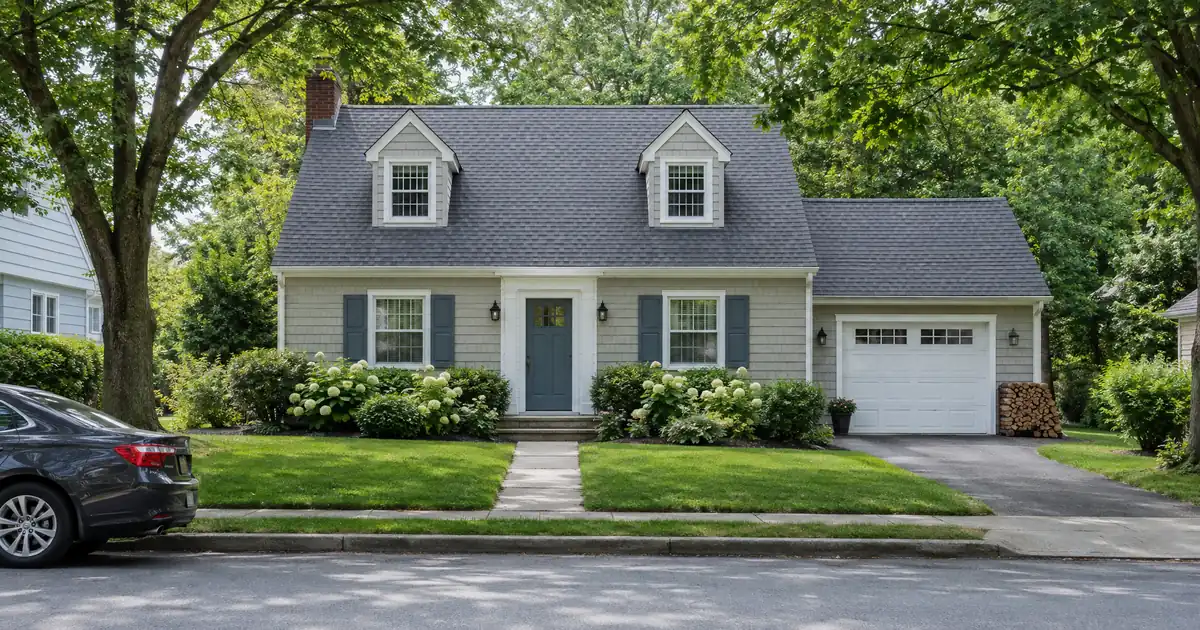
The Quick Read: Most programs in Lendmire’s wholesale network will not cash out a rental that is still storm-damaged, because a DSCR loan is reviewed primarily on property-level rental income covering the payment, subject to lender guidelines, and a unit that cannot be occupied cannot earn that income. The usual path is to repair the property, restore a lease, and then apply for the cash-out refinance on the repaired asset.
- Unrepaired fire, water, wind, or structural damage typically makes a property ineligible until repairs are done and the property is re-inspected.
- Cash-out refinances top out around 75% LTV on a standard rental, with about 6 months of ownership (seasoning) as the common expectation.
- The lender sizes the loan from its own appraisal and rent opinion, not from your after-repair estimate.
- Post-storm insurance premiums and deductibles raise the payment the rent has to cover, which can shrink proceeds.
- Repair funds usually come from insurance proceeds, cash, or a short-term bridge or rehab loan, with the cash-out following once the property is stabilized.
Storm damage changes the order of operations, not the goal. Equity in a damaged house is real, but lenders do not let you pull it out before the house can earn rent again. This guide walks through why, how underwriting treats each stage, and where the general rule bends. For the broader framework behind these loans, see the complete DSCR loans guide.
DSCR Cash-Out Calculator
Run the cash-out numbers in your market
Rate source: Freddie Mac 30-yr average via FRED® — Federal Reserve Bank of St. Louis · effective Oct 15, 2026
Prefilled with starting assumptions — enter your property’s value, balance, taxes, and insurance for a more accurate picture.
Program parameters update from Lendmire’s centralized guideline source. Taxes and insurance are editable estimates.
As of Oct 15, 2026 · General Freddie Mac market benchmark, not a Lendmire loan offer. Property value, balance, taxes, and insurance are editable estimates. Maximum loan-to-value varies by lender, program, property type, and seasoning. Not a Loan Estimate, approval, or commitment to lend. Program availability and eligibility are subject to lender guidelines, credit approval, property review, and underwriting.
Key Terms Defined
DSCR (debt service coverage ratio): The property’s qualifying monthly rent divided by its monthly PITIA, so a ratio above 1.00 means rent covers the payment.
PITIA: Principal, interest, taxes, insurance, and any association dues, which together make up the payment in the ratio.
Seasoning: The length of time you have owned the property, measured from title recording, before a cash-out refinance is allowed.
Condition rating (C1 to C6): The appraiser’s scale for the physical state of a home, from best (C1) to worst (C6).
Subject-to appraisal: A value opinion that depends on repairs being finished, often followed by a completion inspection.
Loss-of-rents coverage: Insurance that pays lost rent only when a covered event makes the unit uninhabitable.
Mortgagee clause: The policy language that names your existing lender as a payee on claim checks.
Why Can’t You Cash Out Before Repairs?
A DSCR loan is underwritten on what the property earns now. Across our wholesale network, most programs want the home rent-ready at closing, meaning habitable and free of major deferred maintenance. A unit with fire, water, or structural damage that keeps tenants out is typically not eligible until it is fixed.
The appraiser’s condition rating is where this shows up. The Uniform Appraisal Dataset uses a C1-to-C6 scale, and Restb.ai’s explainer describes C5 as obvious deferred maintenance with significant repairs needed. C6 covers damage or defects severe enough to affect safety, soundness, or structural integrity. McKissock’s appraisal education adds that if any part of the dwelling warrants a C6, the whole dwelling is rated C6.
Many DSCR programs treat C5 and C6 properties as ineligible until repaired and re-inspected. That is a lender-guideline norm, not a law, and it varies by program. Agency loans work differently. Freddie Mac publishes its own condition definitions in Exhibit 36 of its guide, and those rules do not govern DSCR files. The point here is only the contrast: DSCR lenders set their own condition standards.
Cosmetic wear is usually fine. Functional-but-tired items are case by case. Storm damage that blocks occupancy is the line most programs will not cross.
How Does Underwriting Treat a Storm-Hit Rental, Step by Step?
Underwriting follows the property’s recovery, and each step has a different answer. The sequence below shows where cash-out fits: at the end, not the start.
1. Triage the claim first. Call the carrier and document everything. Do not remove debris or start permanent repairs before the adjuster inspects, since the inspection drives claim value, as Voss Law Firm notes. Causation is often disputed. As US Attorneys explains, an insurer may argue an old roof, not the storm, caused interior damage.
2. Know who controls the claim money. Your existing mortgage typically names the lender as a payee on the check. US Attorneys describes how that lender often holds funds in a loss-draft account and releases them as repairs progress. If you refinance with an open claim, the old lender’s name may still sit on the check. Sort out who holds the funds before you set a refinance date.
3. Repair, or bridge-finance the repairs, then re-appraise. If repairs are still underway when the appraiser visits, value may be conditional on completion. That can trigger a completion inspection before funding. A cash-out refinance cannot be assumed to pay for repairs when the collateral is materially damaged. A renovation or bridge loan usually fits that job better.
4. Re-establish rent. A signed lease does not prove income if the tenant cannot occupy the unit. The lender relies on its own appraisal and market-rent opinion. Your asking rent and after-repair estimate do not set the loan. The appraisal’s rent schedule (the 1007 form, or the 1025 for two-to-four-unit properties) supports the rent figure.
5. Bind post-loss insurance. Underwriters need the property insurable today, with coverage bindable at closing. Taxes and insurance are part of PITIA, so a premium spike after a storm season flows straight into the ratio. Many programs want replacement-cost coverage rather than actual cash value, and may require separate wind, named-storm, or flood coverage.
6. Run the cash-out math. Cash-out raises the balance and the payment, so coverage falls. On a standard rental, cash-out tops out around 75% LTV across most of the network, and about 6 months of seasoning is the common expectation. Proceeds depend on rent used for lender review, PITIA, reserves (commonly around 6 months of PITIA, stepping up near 9 months above $1,500,000), and that 75% ceiling. Plenty of equity can still produce a small check if coverage is thin.
What Happens to Insurance Proceeds and Your Existing Loan?
Claim money is not automatically yours to spend. The mortgagee clause makes your current lender a co-payee, and the lender may disburse in stages as repairs are verified. A refinance that pays off that loan changes who holds the interest, but timing matters when a check is outstanding.
Underpayment is its own problem. If coverage limits fall short of repair cost, the owner is personally responsible for the gap. That gap can force a bridge loan, a cash contribution, or a longer wait before the property is stabilized. It also hits the payoff: a refinance that must also retire bridge debt leaves less net cash.
How Does Rent Get Counted After a Storm?
Rent is counted only when the property can earn it. If tenants left, the lender cannot underwrite the old lease as proof of income. Once repaired, the appraiser’s rent opinion and a fresh lease together show what the unit earns.
Loss-of-rents insurance helps during the gap, but only when a covered peril physically makes the unit uninhabitable. Steadily’s insurance explainer cites rebuild timelines of 18 to 24 months for a Category 4 total loss against a 12-month rent-loss cap, so benefits can run out before permits do.
One more point, because it trips up many investors: clearing 1.00 coverage is not positive cash flow. The ratio compares rent to PITIA only. Repairs, vacancy, management, utilities, and capex sit outside it.
Which Path Fits: Repair First, Bridge Then Refinance, or Sell?
The right sequence depends on cash, claim size, and how far the property is from rent-ready.
| Path | Best when | Main tradeoff |
|---|---|---|
| Repair with cash or insurance, then cash-out | Claim covers most of the work | Slower access to equity |
| Bridge or rehab loan, then DSCR refinance | Claim is slow or short | Extra loan to retire at payoff |
| Sell as-is | Repairs exceed what the asset can earn | Equity goes to a buyer, not a refinance |
Run the numbers on a modeled case. A rental with a strong coverage ratio before the storm, now needing a roof and interior rebuild, might clear well above 1.00 once repaired. The problem is the middle: until the work is done, coverage is effectively zero. A bridge loan that gets the unit leased can turn that around. The same investor might do better selling if repairs would push the new balance beyond what the rent can carry.
The flip point is simple. If the repaired property can clear the coverage test at 75% LTV with reserves intact, repair-then-refinance usually works. If it cannot, the problem is the asset, not the loan type.
Where the General Rule Breaks
Light damage. Cosmetic or modest functional issues are often reviewed case by case. A unit that stays occupied and passes inspection may not need a repair-first sequence.
Flood. Federal mandatory purchase applies in a Special Flood Hazard Area for loans from federally regulated or insured lenders, according to NAR’s flood zone guidance. FloodSmart says the requirement attaches to certain federally regulated or insured loans and that lenders can still require coverage by their own guidelines. Because a private non-bank DSCR lender may not fall under the federal requirement, flood coverage is best treated as a per-program question. A DSCR loan is reviewed primarily on property-level rental income covering the payment, subject to lender guidelines.
Percentage hurricane deductibles. A 2% deductible is typically applied to the dwelling limit, so it can dwarf a flat deductible. Some lenders cap deductibles.
Portfolio or blanket loans. A damaged house drags down pooled coverage until it earns rent again. Options include repairing, a partial release, selling out of the pool, or refinancing it out.
Prior claims. A past claim does not automatically make a property unfinanceable. The issues are verification that repairs were completed and whether the property is insurable going forward.
Ineligible property types. Manufactured homes, log homes, and barndominiums are not offered in the network’s DSCR programs, storm damage or not.
Coverage below 1.00. A separate path exists: sub-1.00 coverage is available through select lenders in the network, with leverage and terms adjusted. A repaired storm-hit unit with soft rent may fit there, but that is a different program with different trade-offs, not a looser version of the standard one. Ask whether you should use it. If the numbers only work at sub-1.00, it may signal the rebuild cost is too high for the rent.
DSCR vs. conventional financing
There are two common ways to finance an investment property, and they qualify you differently — here’s how investors weigh them.
Why investors choose it
- Qualifies on the property’s rental income — no personal tax returns, W-2s, or pay stubs needed to document income.
- No personal debt-to-income ceiling to clear, so existing mortgages and obligations don’t cap your borrowing the same way.
- Can be closed in an LLC, keeping the property inside a business entity.
- Built for scaling — not held to the limit on number of financed properties that conventional financing applies.
- Underwriting centers on the deal: generally qualifies when the rent covers the payment, a 1.00x coverage ratio being a common baseline (confirmed in underwriting).
- Designed specifically for investment property, including long-term and, where the program allows, short-term rentals.
Where it’s strong
- Often the lowest ongoing financing cost for a buyer who fully qualifies on personal income — a fit for a first property or a cost-first purchase.
Trade-offs for investors
- Requires full personal income documentation and must fit within a debt-to-income limit — salary, existing debts, and other mortgages all count.
- Typically held in your personal name rather than a business entity.
- Caps how many financed properties you can carry, which can become a ceiling as a portfolio grows.
- Evaluates you as a borrower as much as the property, which usually means more paperwork.
How investors usually choose: a first or single property often optimizes for the lowest financing cost; portfolio builders often optimize for leverage, vesting in an LLC, and scaling past conventional caps. The right answer depends on your goals, the property, and current guidelines — both paths run through select lenders in Lendmire’s wholesale network, with eligibility and terms confirmed in underwriting.
What Do You Need to Document?
A storm-damaged file moves best when the paper trail is complete. A broker working across many lenders sees the same stalls repeat: missing completion evidence, an undisclosed open claim, or a rent figure that cannot be supported. Gather these before applying:
- Claim file, adjuster report, and settlement or payment history
- Contractor scope, invoices, permits, and final sign-offs
- Completion inspection or re-appraisal evidence
- A new lease or rent roll showing the unit occupied
- Post-loss insurance binder with wind, named-storm, or flood coverage where required
- Payoff statement for the existing loan and any bridge debt
Where Does This Go Wrong?
Investors repeat the same mistakes. They repair before the adjuster visits and weaken the claim. They treat the claim check as free cash when a lender is a co-payee. They apply with an open habitability issue and lose weeks to a conditional appraisal. Or they assume a signed lease proves income on a unit nobody can live in.
Others forget that insurance hits the ratio twice: premiums and deductibles raise the payment the rent has to cover. Standard homeowners policies often exclude business activity and do not cover flood, so a landlord policy matters. State rules on cancellation after damage vary, and Florida’s 90-day non-renewal limit after repairs, noted by Steadily, is one example, not a national rule.
Tax treatment can depend on how the funds are used and how the property is held; investors should keep clear records and speak with a qualified tax professional before relying on any deduction.
Frequently Asked Questions
Can I use the cash-out to pay for the storm repairs?
Generally no. Most programs want the property repaired before closing, and a cash-out cannot be assumed to fund repairs on materially damaged collateral. Insurance proceeds, cash, or a bridge or rehab loan typically pay for the work, and the cash-out follows once the unit is stabilized.
Does a prior insurance claim block a DSCR cash-out?
Not automatically. Lenders look at whether repairs were completed and documented and whether the property is insurable at closing. A clean completion inspection and a bindable policy matter more than the claim’s existence.
How much can I cash out after repairs?
Cash-out on a standard rental tops out around 75% LTV in most of the network, and the real figure depends on rent used for lender review, PITIA, and reserves. The lender sizes from its own appraisal and rent opinion. Every figure here varies by lender and program — guidelines, property type, leverage, and credit profile all apply.
Does the 6-month seasoning clock restart after a storm?
Seasoning is measured from title recording, so a storm does not reset it. Condition still matters, though. A property owned long enough may remain ineligible until it passes inspection.
What if only one property in my portfolio is damaged?
It depends on the loan structure. Under a blanket loan the damaged house pulls down pooled coverage until it earns rent again, and options include repair, a partial release, a sale out of the pool, or refinancing it out. Separately financed properties are reviewed on their own.
If you are buying or refinancing a rental property and want to see how the numbers work, Lendmire can help you compare DSCR loan options based on the property income, credit profile, leverage, and investor goals. Program availability and terms vary by lender and are not a commitment to lend; call 828-256-2183.
For the mechanics of pulling equity out of a rental property, see Lendmire’s guide to cash-out refinance on an investment property.
About Lendmire
As a non-QM mortgage broker (NMLS# 2371349), Lendmire facilitates DSCR investor loans across 41 markets, including Washington, D.C. DSCR eligibility is generally reviewed around property-level rental income instead of personal income documentation, subject to lender guidelines, serving LLC-structured portfolios and self-employed borrowers who don’t fit conventional boxes. A two-time Scotsman Guide Top Mortgage Workplace (2025, 2026).
Get Started
Ready to find the right loan for you?
In about 30 seconds you can review financing options available for your investment property. No commitment required.
Informational only. Not a Loan Estimate, approval, or commitment to lend. Program availability and eligibility are subject to lender guidelines, credit approval, property review, and underwriting.
References
1. Restb.ai: UAD Condition Ratings
2. McKissock: Understanding Appraisal Condition Ratings
3. Freddie Mac Guide Exhibit 36
5. US Attorneys: Hurricane damage and rental income
6. US Attorneys: Hurricane check and your mortgage company
7. Steadily: Hurricane insurance for rental property
9. FloodSmart (FEMA/NFIP) eligibility
This article is part of Lendmire’s investment property cash-out refinance program — full qualification details, guidelines, and scenarios live on the program page.
Related reading: Is a DSCR Loan Better Than a Bank Commercial Loan on a Small Rental? · How a DSCR Lender Adds a Rental to an Existing Portfolio Loan · How to Shop and Document Rental Insurance Before a DSCR Loan
Brandon Miller
Founder & CEO, Mortgage Loan Originator, Lendmire LLC
- Mortgage Loan Originator · NMLS# 1129696 · Verify on NMLS Consumer Access
- North Carolina Real Estate Broker · License# 343312 · Verify on NCREC
- North Carolina Insurance Producer · License# 19053198 · Property, Casualty, Life, Health · Verify on NAIC SBS
- Lendmire LLC · Firm NMLS# 2371349 · Verify firm licensure
Legal disclosures. Lendmire (NMLS# 2371349) is a state-licensed mortgage brokerage that arranges financing through wholesale lender relationships. Lendmire is not a direct lender, depository institution, or registered financial advisor. The discussion above is general informational content about real estate financing — it is not financial, legal, or tax advice, and readers should consult licensed professionals for guidance on their individual circumstances. Loan inquiries are subject to lender underwriting; this article does not represent a commitment to lend. Loan terms, rates, and qualification standards vary by borrower, property, and state, and are subject to change at any time. Equal Housing Opportunity. NMLS Consumer Access: nmlsconsumeraccess.org.