
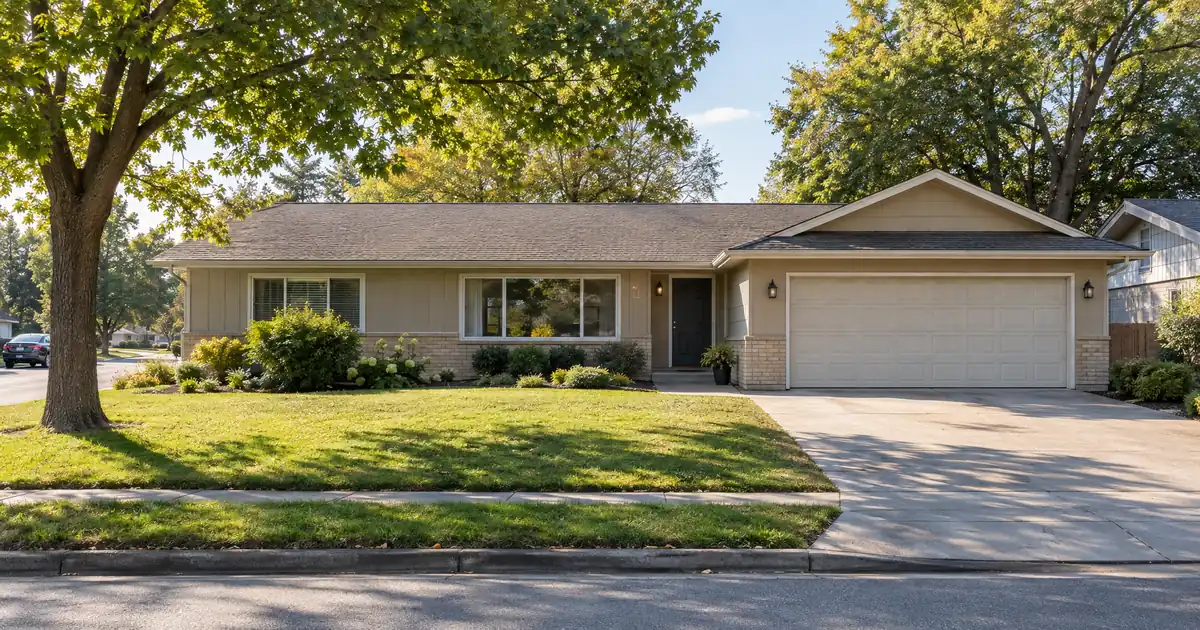
This article looks at cash-out refinancing seasoning requirements for investment properties.
Cash Out Investment Property Seasoning — The Quick Read: Seasoning is the minimum holding period a lender wants to see before letting an investor pull cash out of a rental property. On most DSCR cash-out files, that period runs around six months from the date title was recorded, though delayed financing, inheritance, and co-owner buyouts can shorten or waive it. The clock resets differently depending on how the property was bought — cash, financed, inherited, or held through an LLC — and that starting point often shapes an investor’s timeline more than any other single underwriting variable.
DSCR Cash-Out Calculator
Run the cash-out numbers in your market
Rate source: Freddie Mac 30-yr average via FRED® — Federal Reserve Bank of St. Louis · effective Sep 17, 2026
Prefilled with local estimates — enter your property’s value, balance, taxes, and insurance for a more accurate picture.
Program parameters update from Lendmire’s centralized guideline source. Taxes and insurance are editable estimates.
As of Sep 17, 2026 · General Freddie Mac market benchmark, not a Lendmire loan offer. Property value, balance, taxes, and insurance are editable estimates. Maximum loan-to-value varies by lender, program, property type, and seasoning. Not a Loan Estimate, approval, or commitment to lend. Program availability and eligibility are subject to lender guidelines, credit approval, property review, and underwriting.
Key takeaways:
- Two separate clocks can apply on a cash-out refinance: title seasoning (how long the borrower has owned the property) and loan-age seasoning (how old the existing mortgage is).
- About six months of ownership is a common expectation across much of the wholesale DSCR market, though exact terms vary by lender, loan size, and leverage.
- Delayed financing lets an all-cash buyer refinance sooner, but the loan gets capped at documented purchase cost, not new appraised value.
- Inherited property and legal-award transfers typically waive the ownership clock entirely.
Key Terms Defined
Title seasoning is the length of time a borrower must be on the recorded deed before a lender will size a cash-out loan off current appraised value.
Loan-age seasoning is a separate test that measures how old the mortgage being paid off is, counted from note date to note date rather than from the deed recording.
Delayed financing is an exception that lets an investor who bought with cash refinance without waiting out the usual ownership clock — but the loan gets capped at documented acquisition cost.
Cost-basis cap is a ceiling on cash-out proceeds tied to what the investor actually paid, plus documented rehab, rather than to the property’s new market value.
DSCR (Debt Service Coverage Ratio) compares the property’s rent to its full monthly payment — principal, interest, taxes, insurance, and any HOA dues, known together as PITIA — instead of relying on the borrower’s personal income.
What Does Seasoning Actually Measure?
Seasoning is proof of time, not proof of value. A lender wants evidence that an investor has actually owned a property for a stretch before treating a fresh appraisal as gospel and cutting a check against it. That protects against fraud, flip-and-flip schemes, and inflated valuations on properties nobody has held long enough to know are worth what the paperwork claims.
The clock does not start on the purchase contract date. It does not start when a tenant moved in or when repairs wrapped up. It starts on the date the deed was recorded — the date title actually transferred into the buyer’s name. That’s the one date underwriters trust, because it’s the one date nobody can quietly move.
How Underwriting Checks Seasoning, Step by Step
Underwriting a seasoned cash-out file follows a fairly mechanical sequence, and it’s the same sequence whether the file is going through a DSCR program or an agency-conforming loan — only the specific timeframes and flexibility differ.
1. Pull the title search. The recorded deed date, not the contract date, sets the ownership clock. This is the single fact every other step depends on.
2. Check whether a prior mortgage exists and how old it is. If there’s an existing loan on the property being paid off, some programs also look at how long that loan has been in place — a separate test from how long the borrower has owned the property.
3. Resolve the entity question. If the property sat inside an LLC, a trust, or came through inheritance before this refinance, the underwriter decides whether that prior holding period counts toward seasoning. On DSCR files, an LLC-titled loan is common, and prior LLC ownership can often be credited toward the seasoning clock when the borrower controlled that entity — subject to lender program eligibility and documentation of continuous beneficial ownership.
4. Order the appraisal and rent verification. For a single-unit rental, that typically means the Single-Family Comparable Rent Schedule, commonly referenced as Form 1007, which the appraiser uses to estimate market rent alongside value. Two-to-four unit buildings route through the equivalent multi-unit income exhibit instead, which layers in operating income for the whole property rather than a single rent line.
5. Size the loan off whichever value the seasoning path allows. A file that clears the standard ownership clock gets sized off current appraised value. A file running through delayed financing gets capped at documented acquisition cost instead — a meaningfully different number.
Each step feeds the next. Skip the title pull and the underwriter has no start date to measure against. Skip the entity resolution and a LLC-held property can get flagged as unseasoned even when the same person has controlled it for years.
Why DSCR Loans Don’t Follow the Agency Seasoning Rule
DSCR loans are business-purpose loans on non-owner-occupied rentals, so they’re underwritten outside the consumer mortgage framework that governs agency refinances — which is exactly why every DSCR lender sets its own seasoning policy instead of following one universal rule. Fannie Mae’s own Selling Guide requires at least one borrower to have held title for six months before disbursement, and layered a second requirement on top of that in recent years requiring any existing first mortgage being paid off to be at least 12 months old, measured note date to note date. That’s the agency baseline — useful as a contrast point, but it doesn’t bind DSCR paper at all.
Because a DSCR loan is designed for a non-owner-occupied investment property, it’s reviewed differently from a standard owner-occupied mortgage. Business-purpose credit for rental property doesn’t route through the same consumer-lending machinery, which is also why no single selling guide dictates DSCR seasoning across the wholesale market. Each lender in the space sets its own number, and those numbers vary — some want three months, some want six, some want twelve on certain programs. Across the network of DSCR lenders Lendmire works with, most cash-out files land around six months of ownership measured from the recording date, with select lenders willing to look at shorter timelines depending on leverage and the borrower’s overall file strength.
The Exceptions That Actually Move the Timeline
Three structural exceptions show up again and again on cash-out files, and each one works differently — none of them is a blanket bypass of the seasoning clock.
Delayed financing is the big one for cash buyers. An investor who purchased a property outright, with no mortgage financing, can often refinance well before the usual ownership period runs out. But the tradeoff is real: the loan gets sized off documented purchase cost, not today’s appraised value. If a property has appreciated since purchase, delayed financing doesn’t let the investor capture that gain in cash-out proceeds — it only reimburses what was actually spent. Practitioner guidance on this exception is explicit that the transaction generally needs to be an arms-length purchase with a clean paper trail on the source of funds.
Inheritance and legal awards typically waive the ownership clock entirely. If title passed through inheritance, divorce, or a similar legal proceeding, the borrower didn’t choose the holding period — and most lenders, DSCR programs included, don’t penalize them for it.
Co-owner buyouts sit in a narrower category. When one owner buys out another under a legal agreement, some seasoning frameworks actually require documentation that the property was jointly owned for a longer period before the buyout — the opposite of a shortcut, in that specific scenario.
The BRRRR Edge Case: Cost Basis vs. Appraised Value
This is where most investors get tripped up, and it’s not really about the seasoning period at all — it’s about which value the lender is willing to use once the clock has run. An investor can clear the ownership requirement completely and still get capped at original cost basis rather than post-renovation appraised value, if the file doesn’t clear the lender’s separate bar for recognizing forced appreciation.
Run the numbers on an investor who buys a fourplex in an all-cash deal for a modeled purchase price of $220,000, puts a rehab budget into it, and gets it appraised at $340,000 roughly six months later. Once that six-month ownership mark is cleared, cash-out sizing works off the new appraised value rather than the original purchase price — subject to the network’s 75% LTV ceiling on standard rental cash-out refinances (short-term-rental collateral tops out closer to 70% on cash-out, both figures subject to lender guidelines). The gap between what the investor put in and what the property appraised for is the whole point of the BRRRR play — buy, rehab, rent, refinance, repeat — and it only works if the refinance timing and the value-recognition rule line up.
Building equity fast on its own doesn’t shortcut anything. A below-market purchase or a major renovation can boost equity dramatically, but the loan still has to clear whatever ownership rule applies unless one of the named exceptions kicks in. Investors sometimes assume they’ve “earned” an early refinance because the numbers on paper look great — but the seasoning clock and the value-recognition question are two separate underwriting tests, and clearing one doesn’t clear the other.
What This Looks Like on an Actual DSCR File
DSCR files with heavy rehab or BRRRR history tend to come in tight on one of two things: the seasoning date on title, or the rent figure the appraiser lands on. The pattern that shows up most often in files across the wholesale network is a property that’s fully seasoned but under-rented on the initial 1007 comp pull — the fix is usually a stronger rent-comp package or a signed lease at market rate, not a change to the ownership timeline.
Cash-out leverage on standard rentals tops out around 75% LTV, and the coverage floor on most programs sits at 1.00 DSCR — a starting point for select programs, not a universal minimum, since stronger coverage ratios open better pricing and leverage tiers. Credit tiers run from a 620 floor in parts of the network up through 700+ for the strongest leverage options, and reserve requirements typically land around six months of PITIA, stepping up toward nine months on larger loan balances above roughly $1,500,000. Coverage below 1.00 is available through select lenders in the network too, with leverage and terms adjusted accordingly — it isn’t a program most files land in by default, but it exists for the right file. A larger down payment or a lower cash-out draw can lift the DSCR ratio and open better terms, but it never overrides the seasoning clock, the credit floor, or the reserve rule sitting underneath it.
Investors weighing whether to wait out full seasoning or use delayed financing on a recent all-cash purchase are really weighing two different numbers: how much cash flow they’d get by waiting for the higher appraised-value loan, against how much faster capital gets recycled into the next deal using the cost-basis cap. Neither answer is universally right — it depends on how much the property appreciated and how the investor plans to deploy the proceeds.
Common Mistakes Investors Make on the Seasoning Clock
The most common error is assuming title seasoning and loan-age seasoning are the same test. They aren’t. A borrower can be well past the title-holding mark while the mortgage being paid off is still too new to satisfy a separate loan-age rule — or the reverse. Conflating the two leads to bad refinance-date estimates more often than any other mistake in this space.
A close second is assuming DSCR loans have no seasoning requirement at all. Marketing language sometimes implies instant equity access on non-QM products. In practice, every lender in the wholesale market applies some seasoning expectation before honoring current value — delayed financing is a documented exception for cash buyers, not a blanket bypass for financed purchases.
A third mistake worth flagging plainly: manufactured homes, log homes, and barndominiums aren’t eligible for DSCR financing in this network at all, seasoning or not, so an investor holding one of those property types is planning around a different program from the start.
Tax treatment on cash-out proceeds can depend on how the funds are used and how the property is held; investors should keep clear records and speak with a qualified tax professional before relying on any deduction.
Investors sorting out exactly where their file lands on the seasoning clock, or comparing a delayed-financing scenario against a standard cash-out timeline, can find more detail in Lendmire’s complete DSCR loans guide, which walks through qualification mechanics beyond seasoning alone. The specific documentation checklist for proving up ownership dates is covered in more depth in seasoning requirements for investment property cash-out.
If you’re buying or refinancing a rental property and want to see how the numbers work, Lendmire can help compare DSCR loan options based on the property’s income, credit profile, leverage, and investor goals.
Frequently Asked Questions
Does moving a property into an LLC restart the seasoning clock?
Generally, no — if the borrower maintained continuous beneficial control of the property, the time held inside an LLC can often count toward the seasoning requirement, subject to lender program eligibility and documentation. The underwriter still needs to see a clean chain confirming the same person or people controlled both the LLC and the property throughout.
Does a big renovation shorten the seasoning period?
No. A major rehab can raise the property’s value and improve the DSCR math, but it doesn’t change the ownership clock. The only paths that shorten or waive seasoning are the named exceptions — delayed financing, inheritance, legal award, or in narrow cases a co-owner buyout.
Can an investor use delayed financing and still capture forced appreciation later?
Yes, but not on that same transaction. Delayed financing caps the loan at documented purchase cost. Once the investor clears the standard seasoning window on that same property, a later refinance can be sized off the higher appraised value instead.
Is the 1.00 DSCR floor the same across every lender in the network?
No. A 1.00 coverage ratio is where a number of programs start, not a universal industry standard. Some lenders in the network will consider files below that line with adjusted leverage, while stronger coverage ratios above 1.00 typically unlock better pricing and higher leverage tiers.
What happens if a cash-out file clears title seasoning but the existing mortgage is still too new?
That file can stall even though the ownership timeline looks fine, because title seasoning and loan-age seasoning are two separate tests. This is one of the more common file-preparation errors — checking one clock and assuming the other automatically matches.
For the mechanics of pulling equity out of a rental property, see cash-out refinance on an investment property.
For how equity extraction works on an investment property, see cash-out refinance on an investment property.
About Lendmire
Lendmire is a non-QM mortgage brokerage (NMLS# 2371349) arranging DSCR investor loans in 40 markets, including Washington, D.C. DSCR eligibility is generally reviewed around property-level rental income rather than personal income, subject to lender and program guidelines, a fit for self-employed investors and LLC-owned portfolios. Lendmire was recognized as a Scotsman Guide Top Mortgage Workplace in 2025 and 2026.
Lendmire’s Top Mortgage Workplace recognition is documented by Scotsman Guide 2025 Top Mortgage Workplace and Scotsman Guide 2026 Top Mortgage Workplace.
Get Started
Ready to find the right loan for you?
In about 30 seconds you can review financing options available for your home or investment property. No commitment required.
Informational only. Not a Loan Estimate, approval, or commitment to lend. Program availability and eligibility are subject to lender guidelines, credit approval, property review, and underwriting.
References
1. Fannie Mae Form 1007, Single-Family Comparable Rent Schedule
2. Fannie Mae Selling Guide — Cash-Out Refinance Transactions, B2-1.3-03
3. Nadlan Capital Group — Delayed Financing Exception
Brandon Miller
Founder & CEO, Mortgage Loan Originator, Lendmire LLC
- Mortgage Loan Originator · NMLS# 1129696 · Verify on NMLS Consumer Access
- North Carolina Real Estate Broker · License# 343312 · Verify on NCREC
- North Carolina Insurance Producer · License# 19053198 · Property, Casualty, Life, Health · Verify on NAIC SBS
- Lendmire LLC · Firm NMLS# 2371349 · Verify firm licensure
Compliance and disclosures. Lendmire (NMLS# 2371349) is a licensed mortgage broker and is not a direct lender, depository institution, financial advisor, or tax professional. Content in this article is general market analysis and educational information — not financial, legal, or tax advice for any specific situation. Lendmire does not guarantee loan approval; every transaction is subject to underwriting by the funding lender. Mortgage pricing and loan program guidelines are subject to change at any time without notice and vary by borrower characteristics, property type, and state regulations. Lendmire complies with Equal Housing Opportunity. Licensure verification: NMLS Consumer Access.


