
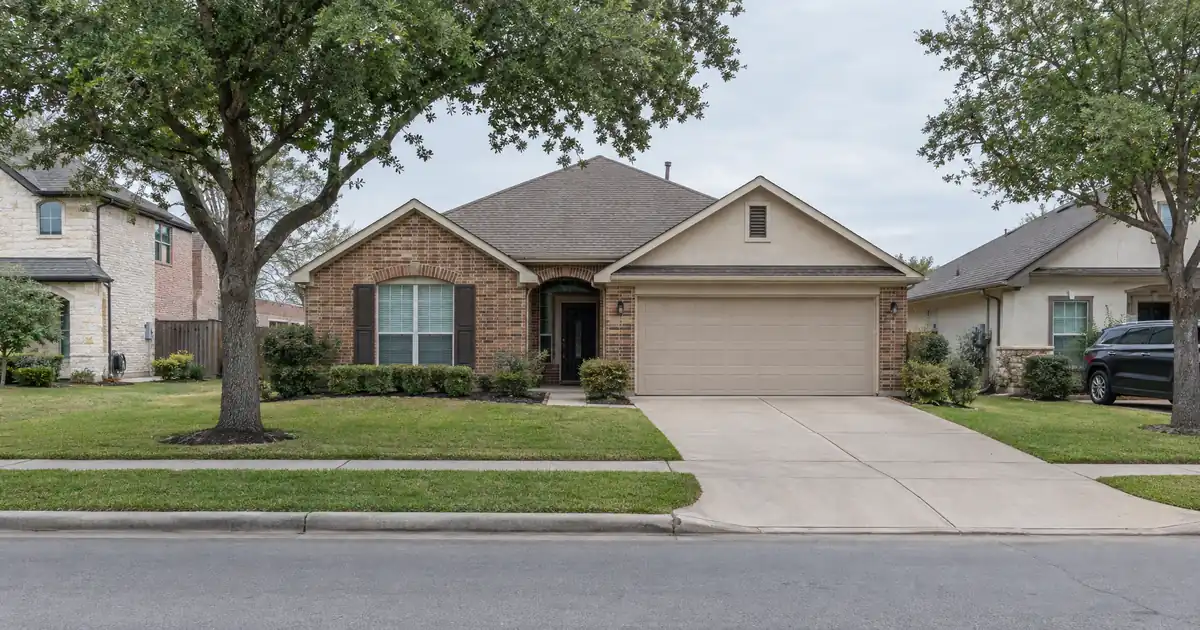
Zillow puts the average Cedar Hill home value at $310,000, down 4.2 percent over the past year. That is the number to hold in your head before planning a cash-out. In a city where prices are drifting down and rents are flat, equity is not something the market hands an owner. It has to be supported by rent, by a disciplined purchase basis, and by an appraisal that holds up.
Lendmire (NMLS# 2371349) is a DSCR-focused mortgage broker, and Cedar Hill, Texas investors can have DSCR scenarios reviewed through lender programs that Lendmire helps place across 41 markets, including Washington, D.C. This piece is for the owner who already holds a Cedar Hill rental and is weighing whether to pull capital out of it.
DSCR Cash-Out Calculator
Run the cash-out numbers in Cedar Hill, TX
Rate source: Freddie Mac 30-yr average via FRED® — Federal Reserve Bank of St. Louis · effective Oct 1, 2026
Prefilled with starting assumptions — enter your property’s value, balance, taxes, and insurance for a more accurate picture.
Program parameters update from Lendmire’s centralized guideline source. Taxes and insurance are editable estimates.
As of Oct 1, 2026 · General Freddie Mac market benchmark, not a Lendmire loan offer. Property value, balance, taxes, and insurance are editable estimates. Maximum loan-to-value varies by lender, program, property type, and seasoning. Not a Loan Estimate, approval, or commitment to lend. Program availability and eligibility are subject to lender guidelines, credit approval, property review, and underwriting.
The Quick Read:
A DSCR cash-out refinance on a Cedar Hill, Texas rental is underwritten primarily on the property’s rental income measured against its full monthly obligation, with the lender ordering its own appraisal and applying a leverage ceiling, seasoning requirement, and reserve review.
- Zumper puts the median Cedar Hill rent at $2,100, essentially flat year over year.
- Cash-out leverage tops out at 75 percent LTV on the programs Lendmire works with.
- Roughly 6 months of ownership from title recording is typical before a cash-out.
- Mid-priced three-bedroom houses carry the coverage math. Lake Ridge-tier homes generally do not.
Cedar Hill Market Snapshot
A quick read on the Cedar Hill investor landscape — figures come from the cited sources below. Confirm current property-level numbers before underwriting.
| Metric | Detail |
|---|---|
| Home prices | $302,700 median value (Data USA (Census ACS)) |
| Employment | 836.16 staff (NCES CCD, Cedar Hill ISD) |
Why Appreciation Can’t Be the Plan Here
Most sources show Cedar Hill values softening, and they disagree about how much. The Census-based figure from Data USA shows a 2024 median property value of $302,700 and a 71.4 percent homeownership rate, and this article uses that as its anchor. Other sources land higher or lower. Redfin’s August reading had the median sale price at $324K, down 11.0 percent year over year, at $165 per square foot. Houzeo shows a $325,000 median. Orchard’s recent 30-day sample printed $312,500, down 8.9 percent. Different methods, different windows, same direction.
The practical consequence is that a cash-out here can’t rest on a bet that the home is worth more next year. Equity comes from the discount you paid at purchase, from principal you’ve already paid down, and from rent that supports the value the appraiser lands on. If you bought before the softening, some of your equity has already been trimmed by the market. If you bought at a discount, you may be sitting on more usable equity than the headline trend suggests.
One more wrinkle. Orchard’s 75104 zip bucket showed a median sale price of $369,000, up 22.2 percent. Only 19 homes sold in that window. Interesting, not bankable.
The Tenant Base Behind the Rent Roll
Cedar Hill rents are a single-family story. Per NeighborhoodScout, detached single-family homes are 81.06 percent of housing units. Zumper reports that houses are 70.2 percent of rentals, at a median of $2,260 a month versus $1,482 for apartments. RentCafe counts 31 percent of households as renters (5,020), with an average rent of $1,597 in 50-plus-unit buildings only.
Who rents these houses? Data USA shows a resident workforce of about 24.9k employed people, led by Office and Administrative Support (3,989), Management (2,254), and Business and Financial Operations (2,075). The average commute is 31.4 minutes, and 17 percent of workers work from home. That is a white-collar commuter base tied to the broader Dallas-Fort Worth job market rather than to one campus or one plant. Local anchors exist but are modest: Cedar Hill ISD reports about 836 staff to NCES, and the City of Cedar Hill reports over 400 employees. No hospital or university campus sits inside city limits, so demand is commuter-driven, not institution-driven.
Why it matters for a refinance: commuter households renting three-bedroom houses tend to sign standard lease terms and stay put, which supports a stable qualifying-rent story. The softness is in rent growth, not in demand for the product.
What the Coverage Math Looks Like
Run the numbers on a modeled mid-priced three-bedroom. These are assumptions, not cited facts. Assume a $325,000 appraised value (near the Houzeo median) and $2,150 in monthly rent (Zumper’s three-bedroom median). At the full 75 percent LTV, with principal, interest, taxes, and insurance all counted, coverage lands just under 1.00x, roughly 0.95 to 1.0x depending on the pricing assumptions. Move the value to the Census-based $302,700 and the same rent clears closer to 1.05x. Drop leverage to around 65 percent on the $325,000 case and coverage moves into the low 1.0x range.
Most standard DSCR programs are built around a 1.00x benchmark because the rent covers the full monthly obligation at that level. Some lenders may review lower scenarios, but those usually come with lower leverage, different pricing, or stronger compensating factors. When a Cedar Hill house sits just below 1.00 at the leverage cap, the structures a lender would review include a sub-1.00 program, a lower-LTV cash-out, or an interest-only structure. Qualification is subject to lender guidelines, credit approval, and property review. Nothing here is a commitment to lend.
That is a real flip point. An investor whose property rents at the high end of the three-bedroom range and who is comfortable pulling less cash will likely see the file clear more cleanly. An investor who wants every available dollar at 75 percent LTV on a home whose value just slipped should expect the number to be the binding constraint, not the loan amount.
Working DSCR brokers see a recurring pattern in flat-rent, softening-value suburbs: the appraisal, not the borrower’s credit, decides how much cash comes out. Files that go in with a clean lease, a documented rent history, and a realistic expectation of value tend to land closer to what the investor planned. Files built around a hoped-for number usually get re-cut.
Seasoning, Reserves, and the Rules That Set the Ceiling
The cash-out lane has a short list of gates. Seasoning is typically about 6 months of ownership, measured from title recording. The LTV ceiling on cash-out is 75 percent, and that is a hard cap rather than a starting point. Reserves are typically about 6 months of the full monthly obligation (more on larger balances). Credit tiers on the programs Lendmire works with run 620, 660, 680, and 700, with 620 as the floor, and better scores generally improve pricing and leverage options. Standard programs run up to $3,000,000, and smaller balances route through select lenders in the network. Eligibility ranges, not guarantees. Details are on the cash-out qualification page.
Reserves deserve their own attention. A cash-out that pulls equity but leaves the borrower thin on liquid reserves can stall a file. If the plan is to use proceeds for the next down payment, remember that the reserve requirement applies to the file you’re refinancing too. Exact terms depend on the lender’s guidelines, property type, leverage, and a full review of the borrower’s file.
Condition matters as well. Manufactured homes, log homes, and barndominiums fall outside these DSCR programs. Cedar Hill’s housing stock has a median construction year of 1995, so most of the stock is conventional site-built construction, but anything unusual should be flagged early.
Where the Equity Actually Sits
Cedar Hill has submarkets that look nothing alike on a coverage worksheet.
Hillside Village corridor. The Cedar Hill EDC markets Hillside Village as a regional retail hub with 600,000 square feet of retail, and Homes.com describes more than 70 retailers and restaurants in the open-air center. Newer apartment communities sit near it and near Historic Downtown. For a single-family owner, the draw is walkable amenities for tenants. For an appraiser, it means a deeper pool of comparable activity than in quieter pockets.
Historic Downtown and Cedar Village. Early-20th-century buildings, local restaurants, and boutiques, with housing a few blocks out. No sourced price or rent data exists at this level, so treat it as a character submarket where the underwriting happens property by property.
Lake and state park edge. Homes near Joe Pool Lake (7,500 acres, per the city’s Nature and Open Space page) and Cedar Hill State Park carry an amenity premium. Cedar Hill also reports 32 parks and more than 36 miles of trails, per the Southern Dallas County guide. That draws owner-occupants. For investors, a lifestyle premium in the value can work against coverage.
Bear Creek Ranch and Lake Ridge. Per Homes.com, Bear Creek Ranch is a master-planned area with larger, higher-end homes, and Lake Ridge is a hilltop area of custom estates on large lots. KrissyM’s local market note showed a Lake Ridge median list price of $750,000. HAR reports a citywide average of $511,380 and an average four-bedroom house rent of about $2,411. Against either price, that rent is thin. Lake Ridge-tier homes are owner-occupant and appreciation plays that will struggle to reach 1.0x coverage. Skip them for a DSCR cash-out.
That leaves the production-builder, mid-priced neighborhoods where the three-bedroom is the largest share of rentals (38 percent, per Point2Homes). That’s where the math is most workable.
Thin Comps, Slower Sales
Sales here are not crowded. Houzeo shows 46 days on market, 2.7 months of supply, and homes selling at 98.3 percent of asking. Movoto shows a 63-day median. Orchard reports 218 listings, up 30.5 percent from a year earlier, while Houzeo counted 128 homes available in its window. The inventory sources disagree.
A thin, rising comp set means a wide spread in appraised value. Rising listings can cap the value used in the cash-out. Ask the lender-ordered appraisal to be on a comp-rich, mid-priced three-bedroom, and don’t plan proceeds around the top of the range.
Where Rent Growth Stands
One aggregator, AffordableHousingOnline, reports rental vacancy near 2 percent, though its underlying source isn’t shown, so treat it as directional. The Texas Real Estate Research Center at Texas A&M expects statewide multifamily rent growth to stay soft over the next 12 months. Low vacancy and flat rent can coexist, and here they appear to. Underwrite on today’s rent with no growth assumed, and use a conservative vacancy factor. If you’re weighing this against a bank product, the conventional-vs-DSCR tradeoffs are worth reading first, especially if you hold several financed properties or hold title in an LLC (subject to lender program eligibility).
Is the Cash-Out Worth Doing?
Not always.
If the property covers near or above 1.00x at moderate leverage and the proceeds go into a deal with a better yield, the refinance makes sense. If the proceeds would go into a market where the coverage math doesn’t clear at current prices, stress-test that first. And if the property sits at 0.95x at the cap, pulling less cash on a stronger file may beat forcing a sub-1.00 structure. Read the refinance side and Lendmire’s DSCR guide before deciding, and see the hub for Texas DSCR financing if your next purchase is elsewhere in the state.
Verify current local rental rules, taxes, and insurance with qualified local professionals before underwriting. Investors with a file ready can reach Lendmire at 828-256-2183.
Where the Mispricing Sits
Prices have slid while rents have held flat, and the gap is widest in the mid-priced, three-bedroom production-builder houses along the Hillside Village corridor. That is where a rent that has not moved is being measured against a value that has, and where a patient investor with a documented lease and a disciplined basis is most likely to find rent-backed equity the market is not pricing in.
Frequently Asked Questions
How do you qualify for a DSCR cash-out refinance in Cedar Hill, Texas?
Qualification centers on the property’s rent against its full monthly obligation, a typical 1.00x benchmark, a credit floor of 620, and about 6 months of reserves. Seasoning is typically about 6 months of ownership, and cash-out leverage caps at 75 percent LTV. Final eligibility depends on lender guidelines, credit, property review, and the appraisal.
DSCR vs. conventional financing
There are two common ways to finance an investment property in Cedar Hill, TX, and they qualify you differently — here’s how investors weigh them.
Why investors choose it
- Qualifies on the property’s rental income — no personal tax returns, W-2s, or pay stubs needed to document income.
- No personal debt-to-income ceiling to clear, so existing mortgages and obligations don’t cap your borrowing the same way.
- Can be closed in an LLC, keeping the property inside a business entity.
- Built for scaling — not held to the limit on number of financed properties that conventional financing applies.
- Underwriting centers on the deal: generally qualifies when the rent covers the payment, a 1.00x coverage ratio being a common baseline (confirmed in underwriting).
- Designed specifically for investment property, including long-term and, where the program allows, short-term rentals.
Where it’s strong
- Often the lowest ongoing financing cost for a buyer who fully qualifies on personal income — a fit for a first property or a cost-first purchase.
Trade-offs for investors
- Requires full personal income documentation and must fit within a debt-to-income limit — salary, existing debts, and other mortgages all count.
- Typically held in your personal name rather than a business entity.
- Caps how many financed properties you can carry, which can become a ceiling as a portfolio grows.
- Evaluates you as a borrower as much as the property, which usually means more paperwork.
How investors usually choose: a first or single property often optimizes for the lowest financing cost; portfolio builders often optimize for leverage, vesting in an LLC, and scaling past conventional caps. The right answer depends on your goals, the property, and current guidelines — both paths run through select lenders in Lendmire’s wholesale network, with eligibility and terms confirmed in underwriting.
What are the requirements for an investment property loan in Cedar Hill, Texas?
Expect a property that fits program types (single-family houses dominate Cedar Hill), credit within the 620 to 700 tiers, reserves, and a rent that supports the benchmark. Manufactured homes, log homes, and barndominiums fall outside these programs. Standard programs run up to $3,000,000.
How does DSCR lender review differ from a bank’s approach in Cedar Hill?
A bank leans on personal income documents and debt-to-income, while DSCR files focus on the property’s rent against its monthly obligation. Lendmire (NMLS# 2371349) is a non-QM DSCR mortgage broker that works with investor-loan programs. Entity-held properties can be reviewed subject to lender program eligibility.
Will flat Cedar Hill rents limit how much cash I can pull out?
Yes, they can. With rents essentially flat and values drifting down, coverage at the full 75 percent LTV may sit near or slightly below 1.00x on a mid-priced house. Lower leverage, a sub-1.00 program, or an interest-only structure may be reviewed, subject to lender guidelines.
Does it make sense to refinance a Lake Ridge-tier home?
Usually not for cash flow. Higher-priced homes carry rents that sit far below the value, so coverage tends to fall well short of 1.0x. They are better suited to owner-occupant or appreciation goals.
For current guidelines and terms, see Lendmire’s DSCR loan programs page.
About Lendmire
Lendmire, NMLS# 2371349, is a mortgage brokerage specializing in DSCR investor loans, helping arrange financing across 41 markets, including Washington, D.C., through wholesale and investor-lending channels. The model centers on property-level rental income reviewed by the lender instead of W-2 documentation, subject to lender guidelines, which suits entity-owned and multi-property investors. Lendmire is a 2026 Scotsman Guide Top Mortgage Workplace and was recognized by Scotsman Guide in 2025.
Get Started
Ready to find the right loan for you?
In about 30 seconds you can review financing options available for your investment property. No commitment required.
Informational only. Not a Loan Estimate, approval, or commitment to lend. Program availability and eligibility are subject to lender guidelines, credit approval, property review, and underwriting.
References
1. Zillow — Home Values Cedar Hill TX
2. Zumper Rent Research, Cedar Hill
5. Redfin, Cedar Hill Housing Market
6. Houzeo
7. Orchard’s recent 30-day sample
8. Orchard — Real Estate Market Report Cedar Hill
10. RentCafe
11. Cedar Hill Economic Development Corporation
12. city’s Nature and Open Space page
13. Southern Dallas County guide
14. KrissyM’s local market note
15. HAR
16. Point2Homes
17. Movoto
19. Texas Real Estate Research Center, Texas Real Estate Forecast
20. a 2026 Scotsman Guide Top Mortgage Workplace
21. recognized by Scotsman Guide in 2025
This article is part of Lendmire’s investment property cash-out refinance program — full qualification details, guidelines, and scenarios live on the program page.
Related reading: DSCR Cash Out Refinance in Cedar Hill, Texas: How the Rent Math Clears at 75% LTV · Cash Out Refinance on Investment Property in Cedar Park TX · DSCR Cash Out Refinance in Victoria, Texas: How Caterpillar Payroll Rents Clear at 75% LTV
Guides: Investment Property Cash-Out Refinance in Texas
Brandon Miller
Founder & CEO, Mortgage Loan Originator, Lendmire LLC
- Mortgage Loan Originator · NMLS# 1129696 · Verify on NMLS Consumer Access
- North Carolina Real Estate Broker · License# 343312 · Verify on NCREC
- North Carolina Insurance Producer · License# 19053198 · Property, Casualty, Life, Health · Verify on NAIC SBS
- Lendmire LLC · Firm NMLS# 2371349 · Verify firm licensure
Legal disclosures. Lendmire (NMLS# 2371349) is a state-licensed mortgage brokerage that arranges financing through wholesale lender relationships. Lendmire is not a direct lender, depository institution, or registered financial advisor. The discussion above is general informational content about real estate financing — it is not financial, legal, or tax advice, and readers should consult licensed professionals for guidance on their individual circumstances. Loan inquiries are subject to lender underwriting; this article does not represent a commitment to lend. Loan terms, rates, and qualification standards vary by borrower, property, and state, and are subject to change at any time. Equal Housing Opportunity. NMLS Consumer Access: nmlsconsumeraccess.org.