
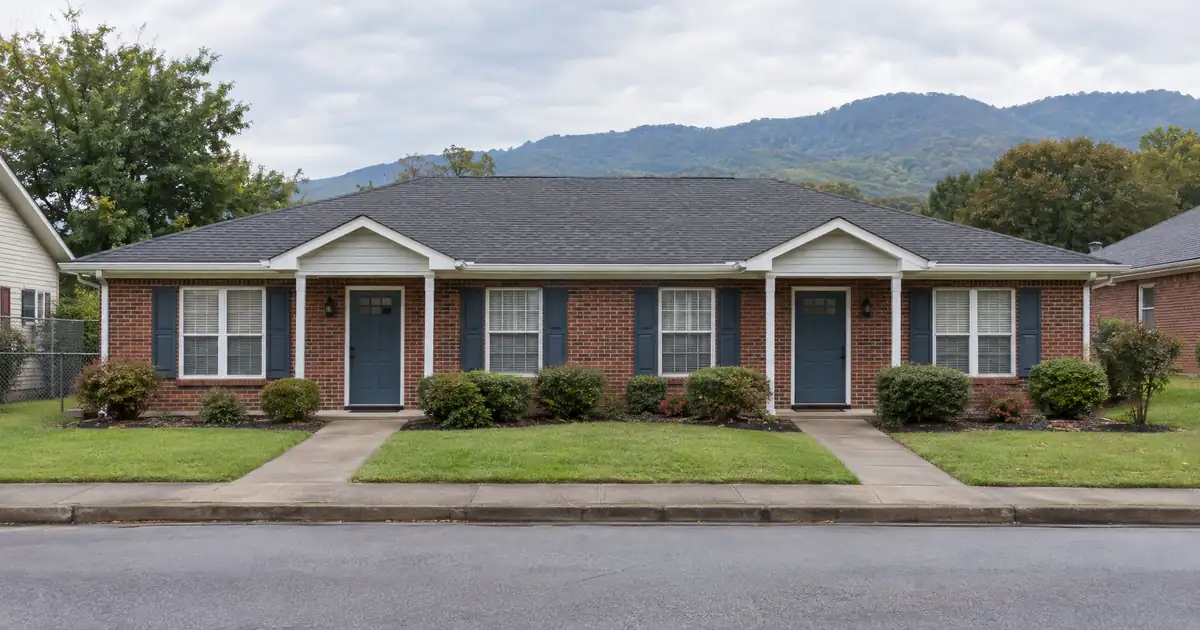
Picture two Lawrenceburg landlords. One owns a small older house near the Public Square, bought in the low-to-mid $100,000s. The other owns a newer three-bedroom priced near the citywide median. The second investor has more equity in raw dollars, but the first investor’s rent covers the debt with more room to spare. In a cash-out refinance, that gap matters more than the equity number.
TL;DR: A cash-out refinance in Lawrenceburg, Tennessee suits the investor whose basis is low enough that rent still covers a full monthly obligation after the 75 percent LTV cap, meaning older core stock more than median-priced houses. The file is underwritten primarily on the property’s rental income measured against its full monthly obligation.
DSCR Cash-Out Calculator
Run the cash-out numbers in Lawrenceburg, TN
Rate source: Freddie Mac 30-yr average via FRED® — Federal Reserve Bank of St. Louis · effective Sep 24, 2026
Prefilled with starting assumptions — enter your property’s value, balance, taxes, and insurance for a more accurate picture.
Program parameters update from Lendmire’s centralized guideline source. Taxes and insurance are editable estimates.
As of Sep 24, 2026 · General Freddie Mac market benchmark, not a Lendmire loan offer. Property value, balance, taxes, and insurance are editable estimates. Maximum loan-to-value varies by lender, program, property type, and seasoning. Not a Loan Estimate, approval, or commitment to lend. Program availability and eligibility are subject to lender guidelines, credit approval, property review, and underwriting.
- Redfin puts the city’s median sale price at $237K, with 118 days on market.
- Cash-out LTV tops out at 75 percent, with about 6 months of seasoning from title recording.
- Rent sources conflict: $1,045 to $1,475 depending on who you ask.
- Coverage clears 1.0x most comfortably on sub-$200K older stock.
Lawrenceburg is a county seat of 11,844 people, sitting at the US-43 and US-64 junction. It is small, so this article is about a narrow lane and about how to size equity extraction inside it. Review details remain subject to lender overlays, and none of the figures below are a commitment to lend.
Lawrenceburg Market Snapshot
A quick read on the Lawrenceburg investor landscape — figures come from the cited sources below. Confirm current property-level numbers before underwriting.
| Metric | Detail |
|---|---|
| Typical rents | $768 (HomeSnacks) |
| University enrollment | 7,000 students (Homes.com) |
The Public Square Core: Low Basis, Better Math
The historic core around the Public Square is where cash-out coverage is easiest to build. Older, smaller houses trade at the bottom of the local range, and that low denominator is what lets rent clear the debt after a 75 percent LTV refinance.
Redfin’s Lawrence County data shows recent core-area sales such as a 2-bedroom, 834-square-foot house at $128,500, a 3-bedroom at $199,000, and a 2-bedroom at $153,000. Those are individual sales, not medians. They do show the price floor an older-stock owner is working from. The downtown corner also has a steady local calendar of Final Friday evenings and a Christmas parade, per the Lawrence County Chamber of Commerce, which supports the area’s role as a lived-in, walkable center.
Older homes and conversions here are the likely candidates for small-multifamily deals, though no sourced neighborhood-level rent data exists to prove it. This section stays qualitative on purpose. Anyone quoting a per-block rent number for Lawrenceburg is guessing.
Here is the catch for cash-out borrowers. Low-basis stock that has been owned a while may have limited recorded appreciation, so the refinance proceeds could be modest even when coverage looks great. High coverage and large proceeds don’t always arrive together.
The Hospital Corridor and the Median-Priced Trap
The area around Locust Avenue and East Gaines Street, near the hospital, carries a healthcare-and-service-worker tenant profile. Southern Tennessee Regional Health System–Lawrenceburg is a 99-bed acute-care facility with a 24-hour emergency room. One sale nearby, a 3-bed, 3-bath house of 1,710 square feet, went at $250,000.
That sale sits above the median, and it shows the trap. Median-priced and above-median houses are what many owners hold after buying in a recent run-up, and they are the hardest to refinance on rental coverage. Homes.com shows a median single-family rent of $1,475, and Redfin’s $237K median gives a monthly rent-to-price ratio near 0.62 percent. Against Movoto’s $283K median list price, it drops to about 0.52 percent.
Cash-out lenders don’t refinance on hope. At those ratios, a median-priced single-family rental will struggle to reach the 1.00x benchmark at the 75 percent cap. A 1.00x baseline is common because rent covers the payment at that level. Some lenders may look at lower ratios with stronger compensating factors, less leverage, or different pricing, but that’s a different conversation and a costlier one.
Modeled Coverage: What 75 Percent Actually Leaves You
At the 75 percent LTV ceiling, coverage in Lawrenceburg runs above 1.3x on core-priced houses and falls to roughly 1.0x or below near the median. The table below shows modeled figures only. The values are illustrative assumptions, and the rents come from the sourced ranges here.
| Modeled scenario | Assumed value | Assumed rent | Modeled coverage |
|---|---|---|---|
| Older core 2-bed | $130,000 | $1,045 | Above 1.3x |
| Mid-tier 3-bed | $200,000 | $1,300 | Around 1.1x |
| Median-priced house | $237,000 | $1,300 | Around 0.9x |
| Median-priced, house-rent comp | $237,000 | $1,475 | About 1.0x |
Every row assumes a 75 percent cash-out LTV and counts taxes and insurance in the full monthly obligation. Coverage means monthly rent divided by principal, interest, taxes, insurance, and any HOA dues. I’ve rounded the bands down. Property tax and insurance run on Tennessee averages here, and actual quotes on a specific property will move the number.
Notice what the table says. Rent barely changes across the four rows, but coverage swings from comfortable to marginal because value climbs. Rents are soft in Lawrenceburg, so the basis does most of the work.
The rent inputs themselves conflict. Zillow Rental Manager shows a $1,095 average, $1,045 for 2-bedrooms, and $1,300 for 3-bedrooms, and calls the market cool with rent down $225 year over year. Zumper reports a $1,045 average, down 13 percent. RentalSource’s county figure is $1,225 for a 3-bedroom. Homes.com’s $1,475 is houses only. Think of $1,045 to $1,300 as the conservative band and $1,475 as the optimistic end.
DSCR files in markets like this one typically look like a small, older rental with clean paper and a coverage number that either clears 1.0x with room or sits right at it. The cleanest file from a documentation standpoint has current leases, entity documents, title, and property details ready for lender review. Files with a documented lease at or above market rent tend to hold together better than files leaning on a portal average, because the appraiser’s rent schedule usually decides the rent used for lender review.
Duplexes and the Thin Multi-Unit Pool
Small multifamily is the better cash-out product on paper, but inventory is thin. NeighborhoodScout reports that single-family detached homes are 69.13 percent of units, while duplexes, converted homes, and small apartment buildings make up 17.85 percent. Renters are 44.25 percent of households. That share suggests a 2-to-4-unit comp set is findable, though single-family remains the deepest appraisal pool. Manufactured homes, at 1.55 percent of units, fall outside these DSCR programs.
Newer purpose-built stock exists. A portfolio of eight all-brick duplexes on Mattox Road, 16 units in all, was listed on Homes.com as low-maintenance 2-bed, 1-bath units, built in the last several years. The listing carried no price or rent, so coverage math needs the actual offering documents. Redfin noted only one multi-family unit for sale in a recent month, so an owner planning to sell later should expect a slow exit.
Unit-level rent in a duplex will likely sit below house rent. Apartments.com’s older data shows $722 for a 2-bedroom apartment and $884 for a 3-bedroom, so the honest pro forma uses an appraiser’s rent schedule (Form 1007), not a portal average. For an owner who already holds a duplex, that schedule is the single most important document in the file.
Can You Trust the Appreciation Number?
No, and that is the central risk in a Lawrenceburg cash-out. Redfin’s monthly city data shows a median sale price up 30.5 percent year over year, homes averaging 118 days on market against 40 a year earlier, and only 10 sales that month. Movoto, meanwhile, shows the median list price down 13 percent. Ten sales can’t support a trend.
This one’s a genuine toss-up for the investor. Recent price gains may exist on paper, but appraisers working with thin comps can pull values back toward the county median, which Redfin puts at $268K, or toward Zillow’s typical value of $196,609. The spread between sources runs from roughly $197K to $283K depending on definition, and the appraiser picks one.
For that reason, a cash-out plan built on “recent appreciation” deserves a stress test. Assume the value comes in 10 to 15 percent below the portal figure and see whether the refinance still clears 1.0x and still leaves usable proceeds. If it doesn’t, the plan needs a lower-leverage structure or a longer hold.
Seasoning is the second timing piece. Most programs look for about 6 months of ownership measured from title recording, and value is usually based on the appraisal, not the purchase price. An owner who bought below market and made improvements can sometimes capture that, subject to lender guidelines. An owner who paid full price for a median-priced house will likely find little to extract.
Jobs Behind the Tenants
Manufacturing is the main durable tenant base. Data USA shows 851 residents working in manufacturing, 719 in health care and social assistance, and 700 in retail trade, and it reports 21.5 percent of residents below the poverty line. That income profile matches the rent figures: a workforce market, not a premium one.
County population, per the Tennessee Department of Economic and Community Development, was 45,385 in the latest count, up from 44,179 at the last census, with a forecast of 49,261. Lawrence County is nonmetropolitan but sits in the Nashville–Murfreesboro Combined Statistical Area. Modine, Plasman, and AOC Metal Works are named as local industrial employers in listing text, and Lawrence County government announced a $200M stamping and assembly plant from Magna International expected to employ 250 people, per its economic development update. That plant’s current operating status wasn’t verified, and its programs tie to a single vehicle line, so underwrite tenant demand conservatively and don’t count on it.
The stronger play might be to treat employment here as a floor, not a growth story. Tenants are steady because plants and the hospital keep running, but nothing in the sourced data points to fast rent growth.
Where the Proceeds Go
The proceeds only help if they’re redeployed at a basis that covers itself. A cash-out that funds another median-priced house lands the investor back in the 0.9x-to-1.0x zone. A cash-out that funds a lower-basis older house or a duplex in the core has a better chance of producing a second property that clears 1.0x without help.
DSCR vs. conventional financing
Two common ways to finance an investment property in Lawrenceburg, TN. They qualify you differently — here’s how investors weigh them.
Why investors choose it
- Qualifies on the property’s rental income — no personal tax returns, W-2s, or pay stubs needed to document income.
- No personal debt-to-income ceiling to clear, so existing mortgages and obligations don’t cap your borrowing the same way.
- Can be closed in an LLC, keeping the property inside a business entity.
- Built for scaling — not held to the limit on number of financed properties that conventional financing applies.
- Underwriting centers on the deal: generally qualifies when the rent covers the payment, a 1.00x coverage ratio being a common baseline (confirmed in underwriting).
- Designed specifically for investment property, including long-term and, where the program allows, short-term rentals.
Where it’s strong
- Often the lowest ongoing financing cost for a buyer who fully qualifies on personal income — a fit for a first property or a cost-first purchase.
Trade-offs for investors
- Requires full personal income documentation and must fit within a debt-to-income limit — salary, existing debts, and other mortgages all count.
- Typically held in your personal name rather than a business entity.
- Caps how many financed properties you can carry, which can become a ceiling as a portfolio grows.
- Evaluates you as a borrower as much as the property, which usually means more paperwork.
How investors usually choose: a first or single property often optimizes for the lowest financing cost; portfolio builders often optimize for leverage, vesting in an LLC, and scaling past conventional caps. The right answer depends on your goals, the property, and current guidelines — both paths run through select lenders in Lendmire’s wholesale network, with eligibility and terms confirmed in underwriting.
If you’re holding a property outside Lawrenceburg where the math is weaker, this is the place to flip the question. Pulling equity to buy at a basis where coverage works is straightforward. Pulling equity to fund something that doesn’t pencil at current pricing needs a much harder look first.
Compare the alternatives too. A conventional cash-out may carry a lower cost for a W-2 borrower with one or two rentals and clean traditional personal-income documentation. DSCR becomes the practical path when the property sits in an LLC (subject to lender program eligibility), the borrower is self-employed, or the portfolio has outgrown conventional financing limits. The conventional-vs-DSCR tradeoffs are worth reading before choosing a lane.
On the mechanics, the guide “What Is a DSCR Loan” covers how a DSCR loan is built, and the cash-out refinance walkthrough covers seasoning and LTV in detail. For owners weighing a straight rate-and-term option instead, the refinance details differ from a cash-out. Typical parameters run credit scores from 620 upward, reserves of about 6 months of the full monthly obligation, and loan amounts up to $3,000,000 on standard programs, all subject to lender guidelines, credit approval, and property review.
The brokerage handles a range of Tennessee DSCR investor loans, and phone contact is at 828-256-2183.
Frequently Asked Questions
How do you qualify for a DSCR cash-out refinance in Lawrenceburg?
Qualification centers on the property’s rent against its full monthly obligation, with 1.00x as the common benchmark. Typical guidance includes a 620 credit floor, about 6 months of ownership seasoning, and about 6 months of reserves. The maximum cash-out LTV is 75 percent. Because Lawrenceburg comps are thin, appraised value often decides how much equity is actually available.
What are the requirements for an investment property loan in Lawrenceburg, Tennessee?
Expect a lender to review the appraisal, a rent schedule or lease, title, entity documents if the property is in an LLC (depending on program guidelines), credit, and reserves. Single-family, duplexes, and small multifamily fit the programs. Manufactured homes, log homes, and barndominiums do not. Eligibility depends on lender guidelines and property review.
Does the wide gap between rent sources in Lawrenceburg affect a refinance?
Yes. Portal averages run from $1,045 to $1,475 depending on source and property type, and the qualifying figure usually comes from the appraiser’s rent schedule or a signed lease. If your lease sits well above the appraiser’s number, expect the lower figure to drive the coverage ratio. Running the file on both numbers before applying avoids surprises.
Is a duplex easier to cash out than a single-family rental here?
Often, because two rent streams can cover the same debt with a lower per-unit rent. The catch is comps. Small multifamily is 17.85 percent of local housing units, so appraisers may lean on limited sales, and unit rents in older duplexes will likely sit below house rents.
The Blind Spot
The biggest risk for a DSCR-financed investor in Lawrenceburg is a value that doesn’t hold up. With only about ten sales in a monthly sample, sources disagreeing by tens of thousands of dollars, and days on market well over a hundred, an appraisal can land far from the number an owner expects, and at a 75 percent cap that shortfall shows up directly in both proceeds and coverage. Build the refinance on the low end of the value range and the conservative end of the rent range, and treat anything above that as a bonus.
For current guidelines and terms, see Lendmire’s DSCR loan programs page.
About Lendmire
Lendmire is a non-QM mortgage brokerage (NMLS# 2371349) arranging DSCR investor loans in 41 markets, including Washington, D.C. DSCR eligibility is generally reviewed around property-level rental income rather than personal income, subject to lender and program guidelines, making it a fit for self-employed investors and LLC-owned portfolios. Lendmire was recognized as a Scotsman Guide Top Mortgage Workplace in 2025 and 2026.
Get Started
Ready to find the right loan for you?
In about 30 seconds you can review financing options available for your investment property. No commitment required.
Informational only. Not a Loan Estimate, approval, or commitment to lend. Program availability and eligibility are subject to lender guidelines, credit approval, property review, and underwriting.
References
1. Redfin, Lawrenceburg housing market
2. HomeSnacks
3. Homes.com
4. Redfin, Lawrence County housing market
5. Lawrence County Chamber of Commerce
6. Homes.com shows a median single-family rent of $1,475
7. Zillow Rental Manager, Lawrenceburg
8. NeighborhoodScout, Lawrenceburg real estate
9. Homes.com — Lawrenceburg TN Multi Family Homes for Sale
10. Tennessee Department of Economic and Community Development, Lawrence County
11. a 2026 Scotsman Guide Top Mortgage Workplace
12. Scotsman Guide 2025 Top Mortgage Workplace
This article is part of Lendmire’s investment property cash-out refinance program — full qualification details, guidelines, and scenarios live on the program page.
Related reading: DSCR Cash Out Refinance Lawrenceburg Tennessee · DSCR Cash Out Refinance Clarksville Tennessee · DSCR Cash Out Refinance Crossville Tennessee
Guides: Investment Property Cash-Out Refinance in Tennessee
Brandon Miller
Founder & CEO, Mortgage Loan Originator, Lendmire LLC
- Mortgage Loan Originator · NMLS# 1129696 · Verify on NMLS Consumer Access
- North Carolina Real Estate Broker · License# 343312 · Verify on NCREC
- North Carolina Insurance Producer · License# 19053198 · Property, Casualty, Life, Health · Verify on NAIC SBS
- Lendmire LLC · Firm NMLS# 2371349 · Verify firm licensure
Compliance and disclosures. Lendmire (NMLS# 2371349) is a licensed mortgage broker and is not a direct lender, depository institution, financial advisor, or tax professional. Content in this article is general market analysis and educational information — not financial, legal, or tax advice for any specific situation. Lendmire does not guarantee loan approval; every transaction is subject to underwriting by the funding lender. Mortgage pricing and loan program guidelines are subject to change at any time without notice and vary by borrower characteristics, property type, and state regulations. Lendmire complies with Equal Housing Opportunity. Licensure verification: NMLS Consumer Access.