
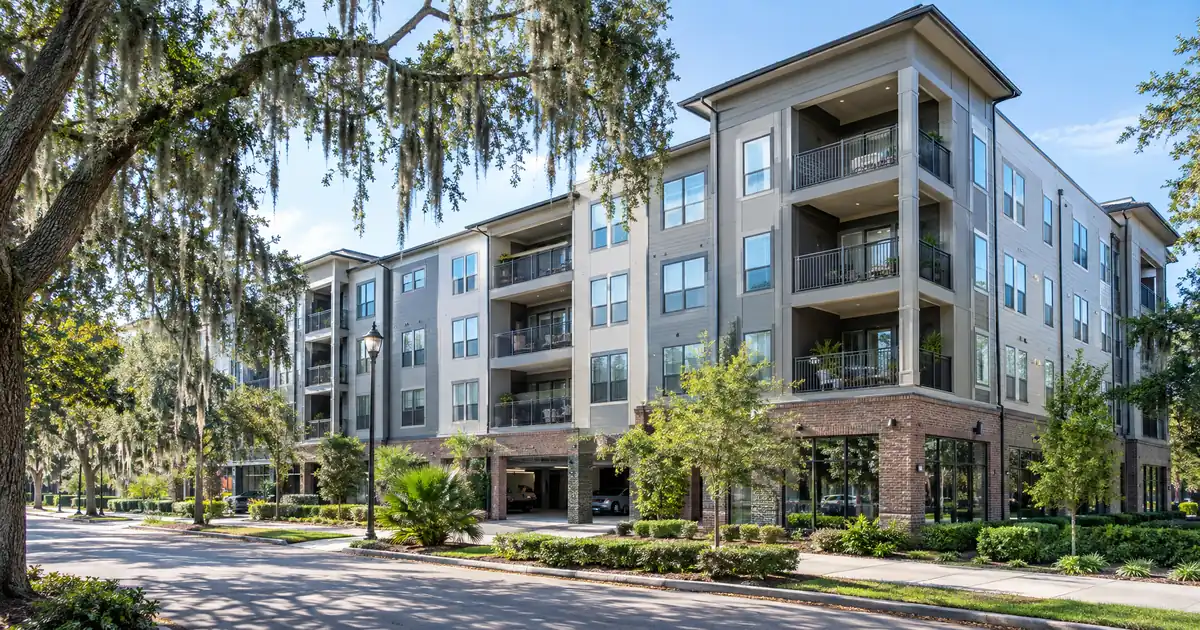
Shreveport home values have risen about 13.6 percent over the latest full cycle while the national figure climbed roughly 47 percent, according to Propcash’s summary of Zillow data. That gap changes how a cash-out refinance has to be planned here. Equity in this market is rarely handed to an owner by the appraisal cycle. Investors create it through purchase basis, renovation and rent, then extract it once the property has seasoned.
At a Glance: A cash-out refinance in Shreveport suits investors who already own a seasoned rental bought below market value, because DSCR financing is underwritten primarily on the property’s rental income measured against its full monthly obligation, not on the owner’s personal income documents.
DSCR Cash-Out Calculator
Run the cash-out numbers in Shreveport, LA
Rate source: Freddie Mac 30-yr average via FRED® — Federal Reserve Bank of St. Louis · effective Sep 24, 2026
Prefilled with starting assumptions — enter your property’s value, balance, taxes, and insurance for a more accurate picture.
Program parameters update from Lendmire’s centralized guideline source. Taxes and insurance are editable estimates.
As of Sep 24, 2026 · General Freddie Mac market benchmark, not a Lendmire loan offer. Property value, balance, taxes, and insurance are editable estimates. Maximum loan-to-value varies by lender, program, property type, and seasoning. Not a Loan Estimate, approval, or commitment to lend. Program availability and eligibility are subject to lender guidelines, credit approval, property review, and underwriting.
- Southern Hills pairs a $208,970 median price with a $1,478 average rent, per NeighborhoodScout.
- Cash-out leverage tops out at 75 percent LTV, with about six months of seasoning from title recording.
- Zumper puts the city’s median house rent at $1,250, up 4 percent year over year.
- Cedar Grove’s $67,408 median value makes loan size, not coverage, the binding constraint.
Lendmire (NMLS# 2371349) is a multi-state mortgage brokerage that helps Shreveport, Louisiana investors arrange DSCR financing across 41 markets, including Washington, D.C. Program details below reflect typical guidelines and remain subject to lender review.
Shreveport Market Snapshot
A quick read on the Shreveport investor landscape — figures come from the cited sources below. Confirm current property-level numbers before underwriting.
| Metric | Detail |
|---|---|
| Home prices | $199K median list (Movoto) |
| Typical rents | $900 and $750 rents (Realmo) |
| University enrollment | 11,359 students (fall 2025) (LSU Shreveport) |
| Vacancy | 5.8% (NeighborhoodScout, Broadmoor) |
Southern Hills and Broadmoor: Where the Coverage Holds
Southern Hills and Broadmoor are the two Shreveport submarkets where a 75 percent cash-out still clears a 1.00 coverage benchmark with room to spare. They sit in the middle of the price curve, where values are high enough to support a workable loan and rents are high enough to carry it.
Start with Southern Hills in ZIP 71118. NeighborhoodScout pegs the median price at $208,970 and the average rent at $1,478. Run the numbers on a modeled 75 percent LTV against that value, with a 30-year fully amortizing structure plus taxes and insurance at Louisiana averages. Coverage lands around 1.15 to 1.2 including taxes and insurance. That is a real cushion, not a wide one.
Broadmoor pencils a little better on paper. BestNeighborhood.org reports a median house price of $195,562 against a citywide average of $174,413, and Redfin shows a median rent of $1,450 there. Modeled the same way, coverage runs in the low-1.2 range. Two caveats. The rent figure comes from a thin listing sample, so treat it as directional. NeighborhoodScout also reports 5.8 percent home and apartment vacancy in Broadmoor, the only sourced vacancy figure in this review. No reliable citywide vacancy number turned up.
Broadmoor’s housing stock adds a second angle. NeighborhoodScout describes it as mostly single-family homes and small apartment buildings, largely built between 1940 and 1969 and mostly owner-occupied. That mix means an owner of a small building can hold a rental that behaves differently from the surrounding single-family blocks.
The comparison against the rest of the city is stark. Southern Hills and Broadmoor deliver coverage in the 1.15 to 1.25 band with meaningful loan sizes. Cedar Grove delivers higher paper coverage on a loan too small to matter. The middle of the market is the better risk-adjusted play (though investors chasing the highest gross yield will argue the opposite).
Highland Small Multifamily (and the Sub-1.00 Trap)
Highland is where small multifamily math either works beautifully or fails outright, depending on basis. Per-unit rents there are low, so the property has to be bought cheaply for coverage to hold.
Redfin puts Highland’s median rent at $822, and Zumper lists Highland Stoner Hill at $812 among the city’s more affordable neighborhoods. Current Redfin multi-family listings show a quadplex with a detached garage apartment producing $2,755 a month across five units, and a separate four-unit Highland listing bringing in $2,525. The same page shows a median multi-family list price of $130,000 across 25 listings. Those are listing-based rents, not lease comps, but they show how the stacking works: many low-rent doors, one loan.
Duplexes make the basis sensitivity obvious. Realmo’s duplex listings range from $49,500 to $325,000, averaging $187,250. One sample duplex has two 3BR/2BA units renting for $900 and $750. Model that $1,650 of combined rent at 75 percent LTV against the average price and coverage sits around 1.4 including taxes and insurance. Model the same rent against a $325,000 value and coverage falls to roughly 0.85. Same rent. Different basis. Different answer.
A sub-1.00 file is not necessarily dead. Options a lender may review include a sub-1.00 program at reduced leverage, an interest-only structure or added compensating factors, all subject to lender guidelines, credit approval and property review. Each usually costs something in leverage or pricing. The cleaner path is buying the duplex low enough that the standard 1.00 benchmark is cleared without help.
Cedar Grove: Cheap Paper, Thin Loan
Cedar Grove looks like the best rent-to-value ratio in the city, and that is exactly why it deserves skepticism. BestNeighborhood.org shows a median house price of $67,408, while Redfin puts median rent at $800 and Zumper lists $795. Coverage at 75 percent LTV would exceed 1.5 on paper.
The problem is the loan. A balance that small falls below what standard programs typically target. Loan amounts run up to $3,000,000 on standard programs, and smaller balances route through select lenders in the network. Appraisals in low-value blocks also cannot support much cash-out. And the same low basis carries condition and turnover risk that investors have to underwrite property by property.
The wider ZIP data shows how far the market stretches. Propcash’s read of Zillow’s index puts typical values at $33,928 in ZIP 71103 and $253,492 in ZIP 71115. It also reports that 71103, 71108 and 71109 still sit below their earlier peak values. Those three ZIPs carry the most appraisal risk for anyone planning to refinance against a higher after-repair value. Verify that data against Zillow directly before underwriting a specific deal.
How the Equity Math Works Here
A cash-out refinance in Shreveport pulls equity out through basis, not appreciation. Here is the mechanism, step by step.
Step one: seasoning. Programs in this network typically want about six months of ownership measured from title recording before the property is eligible for cash-out.
Step two: the appraisal sets the ceiling. The lender applies a 75 percent maximum LTV to the appraised value. That figure is a hard cap for cash-out, lower than the purchase-side ceiling.
Step three: the payoff comes first. The new loan repays the existing balance, closing costs and any funds required for reserves, which typically run about six months of full monthly obligation. Whatever remains is the cash proceeds.
Step four: coverage has to hold. Rent used for lender review divided by the full monthly obligation, including taxes and insurance, must meet the program minimum, typically 1.00. Credit tiers sit at 620, 660, 680 and 700, with a 620 floor, and better tiers generally improve the leverage and pricing options available.
Here is a modeled illustration in percentages only. Say an investor buys a property at a price equal to about 65 percent of its eventual appraised value, puts renovation money in that brings all-in cost to about 70 percent of appraised value, and holds through seasoning. A 75 percent refinance repays the entire investment and leaves roughly 5 percent of value in extra proceeds. The investor now holds a rental with none of its original capital tied up. Equity available always depends on rent used for lender review, the full monthly obligation, reserves and the 75 percent ceiling. It is not a guaranteed figure.
Softness in the local market makes conservative planning the right call. Propcash reports houses averaging 67 days on market across the regional MLS area versus 35 in the fastest stretch, and Homes.com shows homes selling after 65 days on market with a median sale price of $212,500. Zillow’s typical-value estimate is lower. The Census-based Data USA median property value of $178,900 is the steadier reference point, and this article treats it as the citywide figure. Appraisers working in a slower market tend to lean on conservative comps, so build the cash-out plan on a modest value assumption. Do not count on a post-purchase price jump to reach target proceeds.
The lender side of this is covered in more detail in Lendmire’s cash-out refinance details.
What Deal Desks See in Markets Like This
Files from lower-basis, slower-appreciating markets tend to fail on the appraisal, not the coverage number. The common friction point is an investor who underwrites the after-repair value from asking prices and then meets a conservative appraisal. The cleaner files usually document the rent roll, show a lease in place, and model the refinance at a leverage level below the cap. Where many non-QM platforms require reserves that don’t match the investor’s file, a broker placing the loan across multiple wholesale channels can match the file to a program built for its balance size.
Why Rental Demand Holds While the City Shrinks
Shreveport’s population is falling, and long-term rental demand is still anchored by a handful of large institutions. Wikipedia shows a census population of 187,593 and a more recent estimate of 176,578. Investors should pull the official current figure from Census QuickFacts. The Data USA homeownership rate of 53.3 percent means a large renter share remains.
Employment is the stabilizer. Choose Shreveport reports Barksdale Air Force Base employing more than 10,000 people across the region, Willis-Knighton Health employing more than 7,300 and SWEPCO employing more than 725. The Shreveport Times reports over $478 million paid annually to 5,283 active-duty personnel and 1,479 reservists, and nearly $1.4 billion in annual local economic impact. Barksdale sits across the Red River and hosts the headquarters of Air Force Global Strike Command.
Housing allowances give that payroll a rent-side expression. PCS Pay It Forward reports that BAH for the area rose about 5.3 percent, with dependent rates running from roughly $1,701 at E-1 through E-4 to about $2,352 for an E-9. For a 3BR house, that supports the rent ceiling. Zumper’s median for 3-bedrooms is $1,400 a month, the largest inventory share. Rent used for program review is still determined by the lender’s review, not by the allowance figure.
Education adds a smaller layer. LSU Shreveport reached a record 11,359 students, though its Fall 2024 total included 8,118 graduate students, so the base leans toward graduate and online enrollment. That limits student-rental demand. Investors should budget for it as a modest support, not a driver.
Single-family detached homes make up 68.10 percent of housing units, per NeighborhoodScout. Workforce single-family rentals are the dominant product, and small multifamily is the niche. Verify current local rental rules, taxes and insurance with qualified local professionals before committing capital.
DSCR vs. conventional financing
Two common ways to finance an investment property in Shreveport, LA. They qualify you differently — here’s how investors weigh them.
Why investors choose it
- Qualifies on the property’s rental income — no personal tax returns, W-2s, or pay stubs needed to document income.
- No personal debt-to-income ceiling to clear, so existing mortgages and obligations don’t cap your borrowing the same way.
- Can be closed in an LLC, keeping the property inside a business entity.
- Built for scaling — not held to the limit on number of financed properties that conventional financing applies.
- Underwriting centers on the deal: generally qualifies when the rent covers the payment, a 1.00x coverage ratio being a common baseline (confirmed in underwriting).
- Designed specifically for investment property, including long-term and, where the program allows, short-term rentals.
Where it’s strong
- Often the lowest ongoing financing cost for a buyer who fully qualifies on personal income — a fit for a first property or a cost-first purchase.
Trade-offs for investors
- Requires full personal income documentation and must fit within a debt-to-income limit — salary, existing debts, and other mortgages all count.
- Typically held in your personal name rather than a business entity.
- Caps how many financed properties you can carry, which can become a ceiling as a portfolio grows.
- Evaluates you as a borrower as much as the property, which usually means more paperwork.
How investors usually choose: a first or single property often optimizes for the lowest financing cost; portfolio builders often optimize for leverage, vesting in an LLC, and scaling past conventional caps. The right answer depends on your goals, the property, and current guidelines — both paths run through select lenders in Lendmire’s wholesale network, with eligibility and terms confirmed in underwriting.
Frequently Asked Questions
How soon after buying a Shreveport rental can the equity come out?
Programs in this network typically look for about six months of ownership, measured from title recording. The clock matters most on value-add purchases, since the renovated appraisal has to be supported once seasoning ends. Exact eligibility depends on lender guidelines and the property.
Can a Shreveport investor count on appreciation to create the cash-out?
No. Values here have lagged the national market by a wide margin. Propcash, citing Zillow, shows about 13.6 percent growth against 47 percent nationally, and Osborn Hays reports modest long-run appreciation. The dependable route is buying below market, improving the asset and refinancing at 75 percent LTV or less.
Does a low-value property like those in Cedar Grove work for cash-out?
Coverage can look strong, but the balance may fall below standard program minimums, and the appraisal may not support meaningful proceeds. Smaller balances route through select lenders in the network. Condition and turnover risk still have to be underwritten property by property.
Do Barksdale housing allowances help a cash-out file?
They help indirectly. The 5.3 percent BAH increase and dependent-rate range support rents on 3BR houses aimed at service members. The lender, however, sets rent used for eligibility review from the lease and appraisal rent schedule.
Which Shreveport submarkets show the most reliable coverage?
Southern Hills and Broadmoor. Modeled at 75 percent LTV including taxes and insurance, both land above 1.15. Highland can do better on small multifamily, but only at a low purchase basis.
Skip the Appreciation Bet
The clearest sourced datapoint here is the price gap: the middle of the market carries loans large enough to matter and rents high enough to cover them. Investors weighing whether to refinance should get the numbers in front of a broker first. Lendmire’s team can be reached at 828-256-2183, or investors can get a rental-income loan quote. Anyone building a Louisiana portfolio can start from Lendmire’s Louisiana DSCR investor loans page. LLC-titled properties are accepted subject to lender program eligibility.
The Shreveport investors who buy below appraised value, season the property and refinance at a conservative 75 percent will come out ahead of those waiting for the market to hand them equity.
About Lendmire
Lendmire (NMLS# 2371349) is a DSCR-focused mortgage broker that helps arrange investor financing across 41 markets, including Washington, D.C., through wholesale and investor-lending channels. DSCR eligibility is generally reviewed by the lender on the property’s rental income rather than personal income documentation, subject to lender guidelines, which works for self-employed investors, LLC operators and portfolios above four financed properties. Scotsman Guide named Lendmire a Top Mortgage Workplace in both 2025 and 2026.
Get Started
Ready to find the right loan for you?
In about 30 seconds you can review financing options available for your investment property. No commitment required.
Informational only. Not a Loan Estimate, approval, or commitment to lend. Program availability and eligibility are subject to lender guidelines, credit approval, property review, and underwriting.
References
1. Propcash’s summary of Zillow data
2. NeighborhoodScout: Southern Hills
3. Movoto
5. LSU Shreveport: record enrollment
6. Broadmoor
8. Redfin multi-family listings
9. Data USA
10. Wikipedia
11. U.S. Census Bureau QuickFacts: Shreveport
12. Choose Shreveport: major employers
13. Shreveport Times: Barksdale economic impact
16. 2025
17. 2026
This article is part of Lendmire’s investment property cash-out refinance program — full qualification details, guidelines, and scenarios live on the program page.
Related reading: DSCR Cash Out Refinance Shreveport Louisiana · DSCR Cash Out Refinance New Orleans Louisiana · DSCR Portfolio Loans In Louisiana: Several Rentals, One Note
Guides: Investment Property Cash-Out Refinance in Shreveport, LA · Investment Property Cash-Out Refinance in Louisiana
Brandon Miller
Founder & CEO, Mortgage Loan Originator, Lendmire LLC
- Mortgage Loan Originator · NMLS# 1129696 · Verify on NMLS Consumer Access
- North Carolina Real Estate Broker · License# 343312 · Verify on NCREC
- North Carolina Insurance Producer · License# 19053198 · Property, Casualty, Life, Health · Verify on NAIC SBS
- Lendmire LLC · Firm NMLS# 2371349 · Verify firm licensure
Required disclosures. Lendmire (NMLS# 2371349) operates as a licensed mortgage broker, not a direct lender or depository. The discussion in this article is general in nature and should not be relied upon as financial, legal, or tax advice — every investment scenario is unique and should be reviewed by a qualified professional. Any loan inquiry is subject to lender underwriting, and this article is not a commitment to lend or a guarantee of approval. Mortgage rates, loan terms, and program guidelines vary by borrower, property, and state, and may change without notice. Equal Housing Opportunity. Verify licensure at NMLS Consumer Access.