
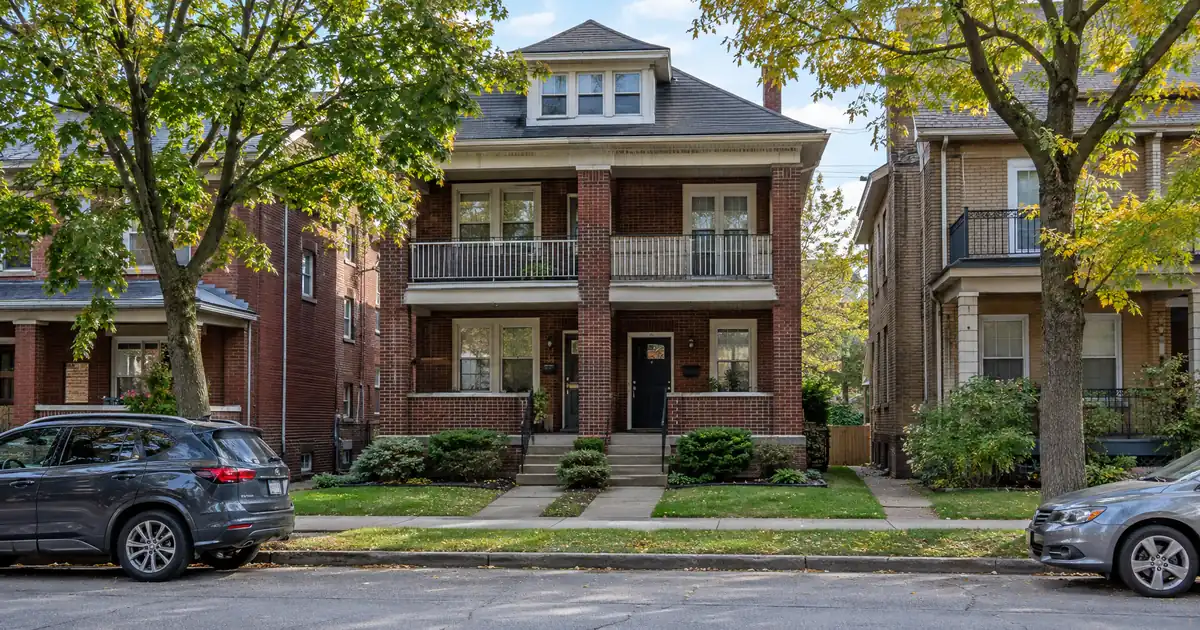
Most investors sizing a cash-out in Zanesville start with the rent and work backward. That’s the wrong end of the file. In a city of 24,740 people with only a handful of close sales in any given submarket, the appraisal decides how much equity you can pull, and the coverage ratio only decides whether the loan is eligible at all. Get the valuation wrong and the rest of the file doesn’t matter.
DSCR Cash-Out Calculator
Run the cash-out numbers in Zanesville, OH
Rate source: Freddie Mac 30-yr average via FRED® — Federal Reserve Bank of St. Louis · effective Sep 24, 2026
Prefilled with starting assumptions — enter your property’s value, balance, taxes, and insurance for a more accurate picture.
Program parameters update from Lendmire’s centralized guideline source. Taxes and insurance are editable estimates.
As of Sep 24, 2026 · General Freddie Mac market benchmark, not a Lendmire loan offer. Property value, balance, taxes, and insurance are editable estimates. Maximum loan-to-value varies by lender, program, property type, and seasoning. Not a Loan Estimate, approval, or commitment to lend. Program availability and eligibility are subject to lender guidelines, credit approval, property review, and underwriting.
The Quick Read:
A cash-out refinance on a Zanesville, Ohio rental is underwritten primarily on the property’s rental income measured against its full monthly obligation, so the appraised value and the rent used for lender review both have to hold up. Median values here run near $185K per Redfin.
- Single houses at market value tend to fall short of 1.00 coverage on full PITIA.
- Duplexes, quads, and discounted houses are where the ratio clears.
- Small-multifamily stock is only about 13% of units, so expect scarce comps.
- Cash-out caps at 75% LTV after roughly six months of ownership.
- Sizing to conservative sold comps, not asking prices, protects the proceeds.
Zanesville Market Snapshot
A quick read on the Zanesville investor landscape — figures come from the cited sources below. Confirm current property-level numbers before underwriting.
| Metric | Detail |
|---|---|
| Home prices | $123,700 median value (Data USA) |
| Recent appreciation | +12.0% (Redfin) |
| Employment | 2,094 health care workers (Data USA) |
| Vacancy | 3.1% rental (Wikipedia) |
The Appraisal Is the Real Underwriter
Zanesville has no single agreed-upon home value, and that’s the first thing to understand about refinancing here. Redfin puts the recent median sale price at $185K, up 12.0% year over year, with homes taking 47 days to sell versus 41 a year earlier. Zillow’s typical home value sits lower, at $171,518, up only 3.4%. That gap reflects methodology: Redfin’s medians swing with the sales mix, while Zillow smooths.
Don’t build a refinance around listing prices.
The practical read: size the deal to a conservative sold-comp value, roughly $170K to $200K citywide for a typical house, and treat anything above that as upside you’ll have to earn with renovation and documentation. Appreciation over the long run has been real, since NeighborhoodScout reports roughly 98.9% cumulative appreciation over ten years. But a 12% one-year print from Redfin in a market with a tiny sales count isn’t something to underwrite.
The smaller adjacent areas make the point sharper. South Zanesville showed a median that jumped 155.4% on just three sales while its price per square foot fell 20.2%. That’s noise, not a trend. Appraisers working with that kind of data will be conservative, and cash-out proceeds shrink accordingly.
Single-Family Cash-Out: Where the Ratio Struggles
A single house at market value doesn’t cover its debt in Zanesville. Say so plainly.
Apartments.com shows an average rent of $790, two-bedrooms near $1,133, and rents up 5.7% over the past year. Zillow’s older rental data shows houses renting from $567 to $1,500 with a median of $800, and it pointed the other direction on trend. Treat the direction of rents cautiously. The level, somewhere around $800 to $1,000 for a typical unit, is the useful part.
Run the numbers this way, using modeled assumptions rather than sourced figures: a house appraising near the city median, rent of $800 to $1,000, and a 75% LTV cash-out. Including taxes and insurance in full PITIA, coverage lands somewhere between the mid-0.6s and the low-0.8s. Well under 1.00. Every figure here varies by lender and program — guidelines, property type, leverage, and credit profile all apply.
Sub-1.00 files can sometimes be reviewed by select lenders, but the structure gets harder. Lower leverage, stronger credit, larger reserves, and interest-only options come into play, and all of it is subject to lender guidelines and property review. For a Zanesville single-family hold, the honest answer is often: don’t force it.
Where the Coverage Clears: Small Multifamily and Discounted Houses
Two property profiles produce coverage above 1.00 here: houses acquired well below market, and small multifamily.
Take the discounted house first. Model a renovated house appraising near $115K, with $800 to $900 in rent, at 75% LTV. Including taxes and insurance, that pencils in the low-to-mid 1.0s. It’s a thin cushion, but it clears. The catch is that a $115K value means a small loan, and smaller balances route through select lenders in the network rather than the standard programs. Standard programs go up to $3,000,000, so Zanesville often sits at the low end of the range.
Small multifamily is the stronger play. NeighborhoodScout puts single-family detached at 61.5% of housing units, large complexes at 21.66%, and duplexes or small converted buildings at 12.99%. About one unit in eight is in that small-building category. That’s a real pool, but a limited one.
Homes.com showed five multifamily listings priced from $109,500 to $319,500. One advertised $2,500 a month in total rent with the owner covering about $200 a month for water and sewer. Another was a fully rented quad at $3,150 gross on month-to-month leases. Those are seller-stated figures. Underwrite from actual leases and expenses.
Here’s why stacked income matters. Model a quad appraising near $240K with $3,000 in gross rent, at 75% LTV. Including taxes and insurance, coverage sits comfortably above 1.5. That’s an assumption-driven illustration, not a market quote. The same debt load on one house renting for $900 doesn’t work. Multi-unit buildings spread the fixed cost of the loan across several rent rolls, and that’s the entire game in a market with a price-to-rent ratio this tight. Final terms depend on lender guidelines, property type, leverage, and the borrower’s complete credit picture.
Two cautions. Month-to-month leases are harder to document than annual ones, and the appraiser’s rent schedule will lean on whatever comps exist. And with only a small share of stock in 2-4 unit buildings, comps for a duplex or quad refinance can be far apart in both distance and date.
Neighborhoods: Qualitative Only, and That’s the Point
There’s no reliable neighborhood-level rent or price data for Zanesville, so treat every neighborhood view below as directional.
Putnam Historic District is the most interesting for renovated older stock. The neighborhood association describes a National Register district on the west side of the Muskingum River, predominantly single detached homes, with 19th-century Federal and Greek Revival houses near downtown. Renovated older homes can command better rents than the citywide median, but that’s an inference, not a sourced tenant profile. The risk is that heavy rehab on historic houses can outrun the value the appraiser can support.
North Zanesville shows a $300K median in one dataset, but Redfin’s sample there was just three sales. Ignore the price. What’s useful is the Census-derived rental vacancy of 3.1% for the area, per Wikipedia citing Census 2020 data, which suggests rentals there don’t sit empty long. It’s a narrow, older read.
South Zanesville, a small riverside village of 1,894 people at the 2020 count, is the thin-comps example above. Skip it for cash-out unless you already own there.
The Westside historic district is small, 47 structures, and mostly owner-oriented. Low priority for rental refinancing.
Demand Anchors That Support the Rent Roll
Zanesville’s job base is bigger than its population suggests. The Zanesville-Muskingum County Port Authority reports a county labor force just over 41,000, with around 9,000 commuters coming in for work each day. The city sits 52 miles from Columbus on I-70 but outside that metro’s rent structure, which is a large part of why prices and rents both run low.
Genesis HealthCare System anchors the economy: a 260-bed acute-care hospital serving a six-county region, with roughly 2,800 employees per a third-party job-board profile. Health care and social assistance is the largest resident sector at 2,094 workers per Data USA, which also shows employment growing 3.78% in its latest year. Steady health-care and retail payrolls are what support workforce rentals here.
Don’t count on students. Ohio University Zanesville is a commuter campus, and Zane State College shares the main campus, with dual-enrollment high schoolers making up nearly 60% of its enrollment. Student-housing demand isn’t the thesis.
Demand is stable rather than growing. Ohio’s housing agency shows Southeast Ohio with the slowest housing-stock growth in the state, and NeighborhoodScout flags a 13.72% housing vacancy figure that is older and measures all housing, not just rentals. Budget for real vacancy in the model and slow rent growth. Cash-flow-led returns, not appreciation-led ones.
Seasoning, Leverage, and the Next Deal
This is the mechanical side. A DSCR cash-out generally requires about six months of ownership measured from title recording, tops out at 75% LTV, and typically wants a 1.00 coverage baseline on rent used for lender review against PITIA. Credit tiers commonly run from a 620 floor up through 660, 680, and 700, and reserves are typically about six months of PITIA. Some lenders may review sub-1.00 files with stronger compensating factors, but that’s a different conversation. Everything here is subject to lender guidelines, credit approval, and property review.
The proceeds figure isn’t a fixed number. It depends on appraised value, rent used for lender review, PITIA, and the 75% ceiling, and in Zanesville the appraised value is the wobbly input. Investors interested in pulling equity with a DSCR cash-out should build in a valuation haircut before planning the next acquisition around the proceeds. The broader refinance pathway for investor properties covers rate-and-term alternatives. For the basics on qualification, the guide “What Is a DSCR Loan” covers how coverage is calculated, and the side-by-side comparison explains how it differs from conventional underwriting.
For current guidelines and terms, see Lendmire’s DSCR loan programs page.
What Changes Over the Next 6 to 24 Months?
Three things could move a Zanesville cash-out, and all of them are watchable.
The gap between sold medians and asking prices. Redfin’s sold median and the Realtor.com listing median are more than $80K apart. If asking prices start converging toward sold prices, appraisals may firm up. If sold medians stay flat while days on market lengthen, expect more conservative valuations.
Rent direction. The two rental sources disagree on trend. Renewals will show it first. If small-building rents keep rising, coverage on a duplex or quad improves without any change in the appraisal.
DSCR vs. conventional financing
Two common ways to finance an investment property in Zanesville, OH. They qualify you differently — here’s how investors weigh them.
Why investors choose it
- Qualifies on the property’s rental income — no personal tax returns, W-2s, or pay stubs needed to document income.
- No personal debt-to-income ceiling to clear, so existing mortgages and obligations don’t cap your borrowing the same way.
- Can be closed in an LLC, keeping the property inside a business entity.
- Built for scaling — not held to the limit on number of financed properties that conventional financing applies.
- Underwriting centers on the deal: generally qualifies when the rent covers the payment, a 1.00x coverage ratio being a common baseline (confirmed in underwriting).
- Designed specifically for investment property, including long-term and, where the program allows, short-term rentals.
Where it’s strong
- Often the lowest ongoing financing cost for a buyer who fully qualifies on personal income — a fit for a first property or a cost-first purchase.
Trade-offs for investors
- Requires full personal income documentation and must fit within a debt-to-income limit — salary, existing debts, and other mortgages all count.
- Typically held in your personal name rather than a business entity.
- Caps how many financed properties you can carry, which can become a ceiling as a portfolio grows.
- Evaluates you as a borrower as much as the property, which usually means more paperwork.
How investors usually choose: a first or single property often optimizes for the lowest financing cost; portfolio builders often optimize for leverage, vesting in an LLC, and scaling past conventional caps. The right answer depends on your goals, the property, and current guidelines — both paths run through select lenders in Lendmire’s wholesale network, with eligibility and terms confirmed in underwriting.
Supply and health-care payrolls. Housing-stock growth here is close to zero, which limits oversupply risk. The real variable is whether Genesis and the regional retail and logistics base hold employment steady.
The strategy that survives all three scenarios: buy below market, document rents early, wait out seasoning, and refinance to a conservative value. Investors looking to improve coverage should note that structural fixes, like adding a unit or converting a large house, tend to matter more than waiting for the market to lift values.
Frequently Asked Questions
How do you qualify for a cash-out refinance on a Zanesville rental?
Qualification typically rests on the property’s rent against its full PITIA, with a 1.00 coverage baseline, about six months of ownership, a credit score of at least 620, and roughly six months of reserves. Leverage tops out at 75% LTV on a cash-out. Approval is subject to lender guidelines, credit review, and the appraisal.
What are the requirements for an investment property loan in Zanesville, Ohio?
Expect a signed lease or rent schedule, proof of ownership seasoning, reserves, and an appraisal that supports the value. Manufactured homes, log homes, and barndominiums fall outside the DSCR programs, which matters in a market with older and rural-edge housing. Smaller balances, common here, route through select lenders in the network.
Does a low Zanesville home price limit how much cash I can pull out?
Yes. The 75% LTV cap applies to a value that’s already modest, so proceeds are smaller than in higher-priced Ohio metros, and thin comps can make the appraisal cautious. Sizing the plan to sold-comp values, not asking prices, avoids surprises. These specifics are subject to lender guidelines and a full review of property, leverage, and credit.
Are duplexes and quads easier to refinance than single-family houses here?
On coverage, yes: stacked rents can clear 1.00 where a single house at market value doesn’t. On comps, no. Small buildings are only about 13% of housing units, so appraisers may have few close sales. Document actual leases and expenses to support the numbers.
Can Lendmire help arrange DSCR financing for investment properties in Zanesville?
Yes. DSCR programs qualify primarily on the property’s rental income rather than personal income documentation, though specifics depend on the program.
The Number That Reframes Zanesville
Verify current local rental rules, taxes, and insurance with qualified local professionals before committing to any hold. Then consider this: Southeast Ohio’s housing stock has grown just 0.1% in the period Ohio’s housing agency tracks, the slowest pace in the state, which means a well-documented duplex or quad refinance in Zanesville competes against almost no new supply.
About Lendmire
Lendmire (NMLS# 2371349) is a multi-state mortgage brokerage that helps Zanesville, Ohio investors arrange DSCR financing across 41 markets, including Washington, D.C. Its Ohio DSCR loan programs place these files with wholesale lenders, which review eligibility and make the approval decisions.
In markets structurally like this one, the cleaner files from a documentation standpoint tend to be the ones with signed leases already in the folder before the appraisal is ordered. The common friction point is the rent schedule: when an appraiser can’t find three close rent comps, a lease and payment history carry more weight than any portal average. Files that arrive with that support usually spend less time in back-and-forth.
When a loan is being scoped, investors can request a quote or call 828-256-2183.
Get Started
Ready to find the right loan for you?
In about 30 seconds you can review financing options available for your investment property. No commitment required.
Informational only. Not a Loan Estimate, approval, or commitment to lend. Program availability and eligibility are subject to lender guidelines, credit approval, property review, and underwriting.
References
1. Redfin: Zanesville housing market
3. Wikipedia
4. Zillow Home Values: Zanesville
5. NeighborhoodScout: Zanesville real estate
6. Redfin — South Zanesville Housing Market
7. Apartments.com rent trends: Zanesville
9. Homes.com
10. putnamhistoricdistrictneighborhood.org — Neighborhood association
12. Wikipedia citing Census 2020 data
13. Zanesville-Muskingum County Port Authority: workforce information
15. Ohio University Zanesville
17. Ohio Housing Finance Agency: housing stock research
18. a 2026 Scotsman Guide Top Mortgage Workplace
This article is part of Lendmire’s investment property cash-out refinance program — full qualification details, guidelines, and scenarios live on the program page.
Related reading: DSCR Cash Out Refinance Zanesville Ohio · Cash Out Refinance Investment Property in Dayton Ohio · Cash Out Refinance Investment Property Hamilton Ohio
Guides: Investment Property Cash-Out Refinance in Ohio
Brandon Miller
Founder & CEO, Mortgage Loan Originator, Lendmire LLC
- Mortgage Loan Originator · NMLS# 1129696 · Verify on NMLS Consumer Access
- North Carolina Real Estate Broker · License# 343312 · Verify on NCREC
- North Carolina Insurance Producer · License# 19053198 · Property, Casualty, Life, Health · Verify on NAIC SBS
- Lendmire LLC · Firm NMLS# 2371349 · Verify firm licensure
Legal disclosures. Lendmire (NMLS# 2371349) is a state-licensed mortgage brokerage that arranges financing through wholesale lender relationships. Lendmire is not a direct lender, depository institution, or registered financial advisor. The discussion above is general informational content about real estate financing — it is not financial, legal, or tax advice, and readers should consult licensed professionals for guidance on their individual circumstances. Loan inquiries are subject to lender underwriting; this article does not represent a commitment to lend. Loan terms, rates, and qualification standards vary by borrower, property, and state, and are subject to change at any time. Equal Housing Opportunity. NMLS Consumer Access: nmlsconsumeraccess.org.