
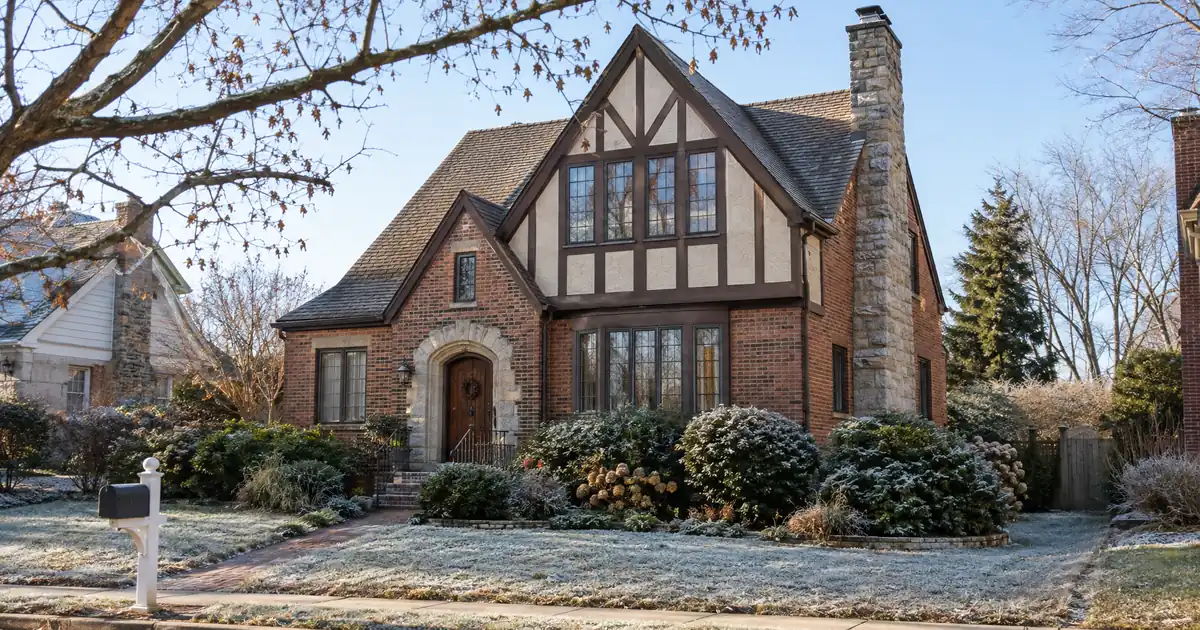
The Quick Read: Yes, a tenant in place does not block a DSCR cash-out refinance, because the new loan replaces the old mortgage and the lease carries through untouched. Lenders review the rent the property earns, not how many months remain on the lease, and nobody has to move out.
- A tenant in place is the normal, expected state for a rental refinance.
- Cash-out on a standard rental tops out around 75% LTV across most of the network, with about 6 months of ownership measured from title recording.
- The lease plus proof the rent is actually paid becomes your income documentation.
- Coverage starts at 1.00 on select programs. Stronger ratios open better pricing and leverage.
- The owner cannot live in the property. It must stay a non-owner-occupied rental. Terms depend on the lender’s guidelines, the property type, the leverage, and a full review of the credit profile.
Here is the part most landlords miss. The tenant rarely decides whether you qualify. The lease decides how much rent counts, and rent drives how much cash you can pull.
DSCR Cash-Out Calculator
Run the cash-out numbers in your market
Rate source: Freddie Mac 30-yr average via FRED® — Federal Reserve Bank of St. Louis · effective Oct 29, 2026
Prefilled with starting assumptions — enter your property’s value, balance, taxes, and insurance for a more accurate picture.
Program parameters update from Lendmire’s centralized guideline source. Taxes and insurance are editable estimates.
As of Oct 29, 2026 · General Freddie Mac market benchmark, not a Lendmire loan offer. Property value, balance, taxes, and insurance are editable estimates. Maximum loan-to-value varies by lender, program, property type, and seasoning. Not a Loan Estimate, approval, or commitment to lend. Program availability and eligibility are subject to lender guidelines, credit approval, property review, and underwriting.
Why a Tenant Doesn’t Block the Loan
Most DSCR programs we place files with are built for occupied rentals. These are business-purpose investor loans. Each qualifies primarily on property-level rental income covering the payment, subject to lender guidelines. No federal rule sets a tenant-occupancy requirement here, because DSCR loans are not agency products. Guidelines come from individual lenders and investors.
The rule that does apply is simple: the property must be non-owner-occupied. A tenant is evidence of that status. If you want the full picture of how these loans work, Lendmire’s complete DSCR loans guide covers the basics.
So what changes with a tenant in place? Not your eligibility. The lease and rent proof become the income side of the file. That is the entire shift.
How the Process Works Step by Step
The sequence looks like this on a tenanted rental:
1. Scenario check. The lender confirms the property is a non-owner-occupied rental, checks equity and seasoning, and confirms the tenant situation.
2. Lease package. Expect an executed lease showing rent, term and tenant name, plus deposit and rent-payment proof. Multi-unit properties add a rent roll that matches each lease and deposit.
3. Appraisal with a rent schedule. The appraisal sets value, which drives LTV, and market rent, which drives coverage.
4. Rent selection. The usual convention is the lower of the lease rent and the appraiser’s market rent.
5. Coverage calculation. DSCR is qualifying monthly rent divided by PITIA, which is principal, interest, taxes, insurance and any HOA dues. A result of 1.00 means rent equals the full payment.
6. Underwriting. Credit, equity, reserves, entity documents and property documents are all reviewed.
7. Appraiser access. The tenant has to let the appraiser in. Give notice before the visit.
The appraisal does two jobs, and that is why it matters so much. On a one-unit property the appraiser typically completes a rent schedule form. The Freddie Mac and Fannie Mae Form 1000/1007 instructions say the lender uses it to obtain market rent for an investment property from the appraiser. For 2-4 units, the small residential income property report builds the rent estimate unit by unit. The Fannie Mae Selling Guide lists these form names. DSCR files borrow the form names, not the agency rules.
What Lenders Look At, by Tenancy Status
Tenancy status shapes the documents and how rent is counted. These are typical patterns. Treatment varies by program.
| Tenancy status | What helps the file | How rent is usually counted |
|---|---|---|
| Fixed-term lease | Executed lease, payment proof | Lower of lease or market rent |
| Month-to-month | Payment history, ideally a written agreement | May lean on market rent |
| Expired, tenant stayed | A new signed lease | Lower of lease or market rent |
| No written lease | Simple written lease signed first | Market rent, which is weaker evidence |
| Newly signed lease | First payment proof; some programs want history | Lower of lease or market rent |
| Vacant between tenants | Appraiser market rent | Many programs accept it; some want a lease for cash-out |
Month-to-month tenants can work fine with clean payment proof. An expired lease with a tenant who stayed has an easy fix: sign a new one. No written lease at all is the weakest position, and a simple signed lease before you apply costs nothing.
Cash or informal rent payments are a quiet file-killer. They leave no clean trail. Traceable payments and kept deposit records matter as much as the lease itself.
The Lease Problem: Below-Market Rent Caps Your Proceeds
Here is the most common way a good tenant hurts a cash-out. Take a long-tenured tenant on a legacy lease that never got repriced. Tenancy length isn’t what lenders underwrite. The rent figure is. A below-market lease holds rent used for lender review down, which holds coverage down, which holds proceeds down.
An above-market lease does the opposite of what owners hope. It adds nothing to rent used for lender review when the lower-of convention applies.
If a below-market lease is capping the file, you have a decision. Reprice at renewal before refinancing, or wait for payment history on a freshly signed lease. Either can improve the file. Waiting costs time, though, and the stronger play depends on whether your current cash need is urgent.
A Worked Example: Same Rental, Three Cash-Out Sizes
Run the numbers on a tenanted rental with a lease right at market. Treat these as modeled assumptions, not market data. The point is the pattern: a bigger loan means the same rent covers less.
| Cash-out size (within 75% LTV cap) | Loan size | Coverage result |
|---|---|---|
| Small | Lower | Comfortably above 1.00 |
| Moderate | Mid | Near 1.2x |
| Maximum | Highest | Near or below 1.00 |
At maximum cash-out, the rent can stall the file even when equity allows the loan. At that point the investor faces a choice. Take less cash, let rents catch up, or look at a select-lender path with coverage below 1.00 with leverage and terms adjusted. A lender would review that structure subject to credit approval and property review. The exact numbers vary by lender and program and follow a full review of property, leverage, and credit.
Clearing 1.00 is not the same as positive cash flow. DSCR compares rent to PITIA only. Repairs, vacancy, management, utilities and capex sit outside the calculation. A property can clear the ratio and still be thin on real monthly cash. Stress-test that before you pull a large sum.
Equity and Coverage Together
Strong files clear both tests at once. Equity (LTV) and rental coverage (DSCR) are separate gates, and a larger cushion on one doesn’t fix the other.
On a standard rental, cash-out tops out around 75% LTV across most of the network. Short-term rental collateral sits lower, with cash-out at 70% LTV. An STR cash-out also expects about 12 months of hosting history and a credit score around 640 or better. Final terms depend on the lender’s guidelines, the property type, and the borrower’s complete credit picture.
Other typical file features:
- Credit: A 620 floor exists in parts of the network. Most programs want around 660, and 700+ unlocks the strongest leverage tiers.
- Reserves: Commonly around 6 months of PITIA, stepping up to about 9 months on loans above $1,500,000.
- Loan size: Standard programs run up to $3,000,000.
- Seasoning: About 6 months of ownership, measured from title recording. Lendmire’s piece Is There a Seasoning Period for a Rental Cash-Out Refinance? goes deeper.
Equity available depends on rent used for lender review, PITIA, reserves and the 75% ceiling together. It is not a guaranteed cash figure. Details vary by lender, credit approval and property review.
What About Short-Term Rentals and Multi-Unit Properties?
Short-term rentals follow a separate path. The standard rent schedule form isn’t built for nightly rentals. So STR cash-out leans on platform history or market data instead. Short-term rental rules can vary by city, county, HOA and property type, so investors should confirm local rules before relying on projected rental income.
On multi-unit properties, each unit ties to its own lease or market rent. The rent roll should reconcile to the appraisal report unit by unit. One vacant unit doesn’t automatically stop the loan, but it does change the rent that counts.
Some property types are off the table. Manufactured homes, log homes and barndominiums are not offered in the network’s DSCR programs.
Tenant in Place, Vacant, or Former Home?
Vacant between tenants is workable on many programs, which lean on appraiser market rent alone. A few want the property leased before a cash-out. If you’re mid-turnover and need funds, ask before listing or re-tenanting. The sequencing could matter.
A former primary residence is a different story. The loan requires non-owner-occupied status, so you need a signed lease, changed insurance and a genuine move. Paper conversions don’t hold up.
A tenant on a repayment plan for back rent is handled as a record of debt, not income. Deposits have to match the lease. Expect added scrutiny, and know that coverage can only rest on rent actually received.
Why a Cash-Out DSCR Often Beats the Alternatives for a Tenanted Rental
An investor with a long W-2 history and one rental may find conventional financing cheaper. That path works if the numbers support it. But once an investor holds several financed properties, or their tax returns don’t show the rental income cleanly, the property-income basis of a DSCR loan becomes the more practical route.
Don’t carry agency income haircuts into DSCR. A conventional loan applies its own rental-income adjustments. DSCR programs generally don’t, though each lender sets its own guidelines.
One more contrast: a DSCR line on a tenanted rental typically requires a lease in place, and it leaves your old first mortgage standing. A cash-out refinance replaces it. Those are different tools, and they solve different problems.
Cash Out Now, Re-Tenant First, or Wait?
For most investors the decision comes down to three situations:
- Cash out now when the lease sits at market, payments are traceable and coverage clears with room to spare.
- Re-tenant or reprice first when a below-market lease is the only thing capping proceeds.
- Wait when coverage is thin at your target loan size, seasoning isn’t met, or the tenant is behind on rent.
The wait option feels like losing momentum. Yet a larger payment against thin rent is exactly the setup that turns a refinance into a squeeze. A smaller cash-out that clears comfortably is often the stronger structure, though an investor with a firm acquisition deadline could reasonably argue for stretching.
Business-purpose rules apply too. DSCR loans are designed for non-owner-occupied investment properties. Because they are business-purpose investor loans, they are reviewed differently from a standard owner-occupied mortgage. Tax treatment can depend on how the funds are used and how the property is held; investors should keep clear records and speak with a qualified tax professional before relying on any deduction.
Myths vs. Facts
“The tenant has to move out.” Not true. A tenant in place is normal, and the lease carries through.
“I need lots of months left on the lease.” False. Lenders look at rent earned, not remaining term.
“The lender uses whatever rent I charge.” False. The lower of lease and market rent is typical.
“A form can capture my Airbnb income.” False. The standard rent schedule can’t estimate a nightly fee.
“There are no documents at all.” False. Lease, rent proof, property documents, entity papers and reserves still matter. Qualification runs on the property’s income, but it is not paperless.
Key Terms Defined
Cash-out refinance: A new loan that pays off the old mortgage and returns part of your equity as cash.
DSCR: Qualifying monthly rent divided by the full monthly payment, PITIA.
PITIA: Principal, interest, taxes, insurance and any HOA dues.
Seasoning: How long you’ve owned the property, measured from title recording.
Market rent: The rent an appraiser estimates the unit would earn on the open market.
Rent roll: A unit-by-unit schedule of leases, rents and deposits on a multi-unit property.
Frequently Asked Questions
Do I have to tell my tenant about the refinance?
Usually the lease stays valid and the tenant’s terms don’t change, but the tenant does need to know about the appraisal visit. The appraiser needs access, so give notice beforehand. Landlord-tenant rules vary locally, so check with a local attorney if you’re unsure about notice obligations.
What if my tenant is month-to-month?
It can work, as long as you can show the rent is being paid. Lenders may lean on appraiser market rent instead of the agreement itself. Signing a simple written lease before applying strengthens the file.
Can I cash out a rental that’s currently vacant?
Often, yes. Many programs work from the appraiser’s market rent alone. A few want the property leased for a cash-out, so confirm that early if you’re between tenants.
Does a below-market lease hurt how much cash I get?
Yes. Rent used for program review follows the lower of lease and market rent, so a low legacy lease caps coverage and proceeds. Repricing at renewal or waiting for payment history on a new lease can improve the file.
Can I do this through an LLC?
Often, depending on program guidelines. Entity documents are part of the review.
If you are buying or refinancing a rental property and want to see how the numbers work, Lendmire can help you compare DSCR loan options based on the property income, credit profile, leverage, and investor goals. Reach the team at 828-256-2183 or request a quote. The loans are arranged by Lendmire as a broker through select lenders in a 41-market network, Washington, D.C. included, and nothing here is a commitment to lend.
For investors with tenants in place, the lease is the quiet variable: an at-market lease with clean payment records is what turns equity into usable cash.
For how equity extraction works on an investment property, see Lendmire’s guide to cash-out refinance on an investment property.
About Lendmire
Lendmire, NMLS# 2371349, is a mortgage brokerage focused on investor financing, arranging DSCR loans in 40 states plus Washington, D.C. — 41 markets total. Qualification is based on the property’s income rather than personal income documentation, subject to lender guidelines, making it a fit for LLC-held rentals and scaling portfolios. Scotsman Guide named Lendmire a Top Mortgage Workplace in both 2025 and 2026.
Get Started
Ready to find the right loan for you?
See your offer in seconds. No credit pull, no obligation.
Informational only. Not a Loan Estimate, approval, or commitment to lend. Program availability and eligibility are subject to lender guidelines, credit approval, property review, and underwriting.
References
1. Freddie Mac Form 1000 / Fannie Mae Form 1007
This article is part of Lendmire’s investment property cash-out refinance program — full qualification details, guidelines, and scenarios live on the program page.
Related reading: Short-Term Rental Cash-Out Refinance Requirements to Pay for Renovations · Short-Term Rental Cash-Out Refinance Options for an Investment Property · Best DSCR Cash-Out Refinance Program on a Newly Built Rental
Brandon Miller
Founder & CEO, Mortgage Loan Originator, Lendmire LLC
- Mortgage Loan Originator · NMLS# 1129696 · Verify on NMLS Consumer Access
- North Carolina Real Estate Broker · License# 343312 · Verify on NCREC
- North Carolina Insurance Producer · License# 19053198 · Property, Casualty, Life, Health · Verify on NAIC SBS
- Lendmire LLC · Firm NMLS# 2371349 · Verify firm licensure
Legal disclosures. Lendmire (NMLS# 2371349) is a state-licensed mortgage brokerage that arranges financing through wholesale lender relationships. Lendmire is not a direct lender, depository institution, or registered financial advisor. The discussion above is general informational content about real estate financing — it is not financial, legal, or tax advice, and readers should consult licensed professionals for guidance on their individual circumstances. Loan inquiries are subject to lender underwriting; this article does not represent a commitment to lend. Loan terms, rates, and qualification standards vary by borrower, property, and state, and are subject to change at any time. Equal Housing Opportunity. NMLS Consumer Access: nmlsconsumeraccess.org.