
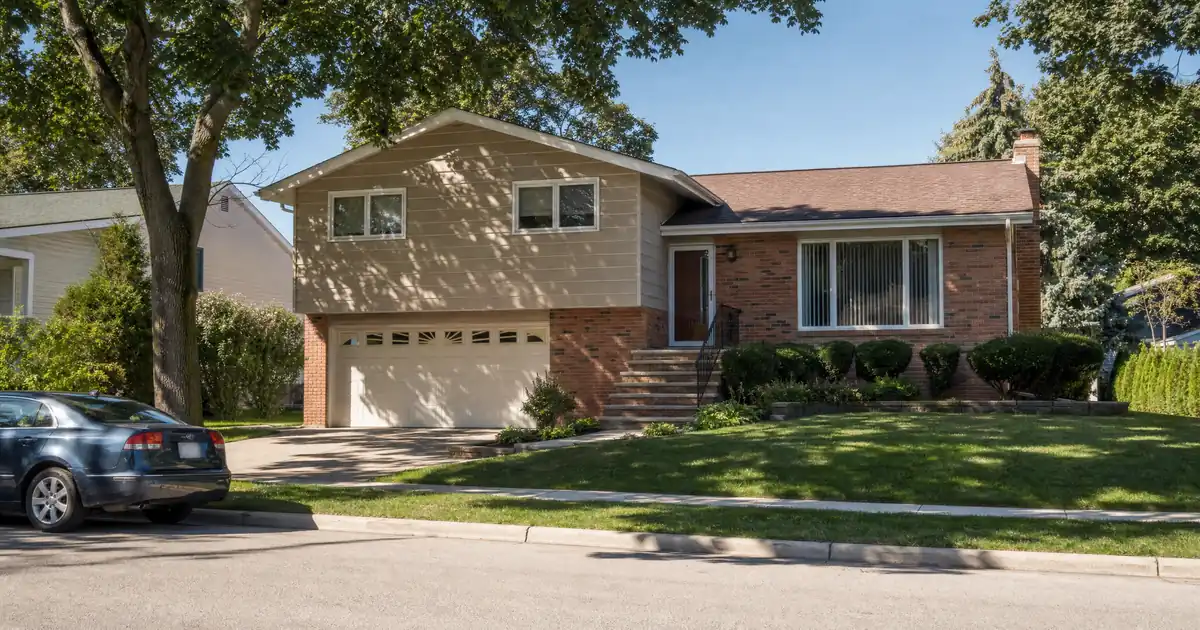
The Quick Read: Fannie Mae does allow cash-out refinancing on a non-owner-occupied investment property, but its Selling Guide requires at least six months on title before disbursement, plus a separate 12-month note-age rule when payoff of an existing first mortgage is involved. Those agency rules only apply to conforming loans sold to Fannie Mae — they don’t govern DSCR/non-QM cash-out refinances, which run on lender-specific seasoning and coverage-ratio tests instead, typically capping around 75% LTV with roughly six months of ownership seasoning across most wholesale programs.
That distinction matters more than almost anything else in this topic. Investors searching “Fannie Mae cash-out refinance investment property” are usually trying to answer one practical question: can I pull equity out of a rental I already own, and how much friction is involved. The honest answer has two tracks — the conforming/agency track, which is rules-heavy and title-seasoning-driven, and the DSCR/non-QM track, which skips agency underwriting entirely and tests the deal on two independent things: loan-to-value and rent-to-payment coverage.
DSCR Cash-Out Calculator
Run the cash-out numbers in your market
Rate source: Freddie Mac 30-yr average via FRED® — Federal Reserve Bank of St. Louis · effective Jul 30, 2026
Prefilled with starting assumptions — enter your property’s value, balance, taxes, and insurance for a more accurate picture.
Program parameters update from Lendmire’s centralized guideline source. Taxes and insurance are editable estimates.
As of Jul 30, 2026 · General Freddie Mac market benchmark, not a Lendmire loan offer. Property value, balance, taxes, and insurance are editable estimates. Maximum loan-to-value varies by lender, program, property type, and seasoning. Not a Loan Estimate, approval, or commitment to lend. Program availability and eligibility are subject to lender guidelines, credit approval, property review, and underwriting.
Key Terms Defined
Cash-out refinance — a new loan on a property that’s larger than the existing payoff balance, with the difference paid to the borrower at closing.
LTV (loan-to-value) — the new loan amount expressed as a percentage of the property’s appraised value; this sets the leverage ceiling on any refinance.
DSCR (debt-service coverage ratio) — the property’s monthly rental income divided by its full monthly housing obligation (principal, interest, taxes, insurance, and HOA if applicable); a ratio at or above 1.00 means rent covers the payment.
Seasoning — the minimum time a borrower must hold title (or, on the agency side, the minimum age of an existing mortgage) before a new cash-out loan can be originated against the property.
Delayed financing — an exception that lets a cash buyer refinance sooner than the standard seasoning clock would normally allow, capped near the actual cash invested.
Does Fannie Mae Allow Cash-Out Refinance on a Rental Property?
Yes — Fannie Mae’s Selling Guide permits cash-out refinancing on non-owner-occupied investment properties, subject to its own seasoning and eligibility rules. The Fannie Mae Selling Guide’s cash-out refinance section requires at least one borrower to have been on title for a minimum of six months prior to the disbursement date of the new loan, unless the property was acquired through inheritance, legal award, or the borrower qualifies under the delayed-financing exception.
Separately, Fannie Mae updated its eligibility policy for note dates on and after April 1, 2023, requiring that any existing first mortgage being paid off through a cash-out refinance be at least 12 months old, measured note date to note date, per Fannie Mae’s Capital Markets update on cash-out refinance eligibility. These are two separate tests — a title-seasoning rule and a mortgage-age rule — and confusing them is one of the most common mistakes investors make when researching this topic.
Both of those rules live inside the conforming/agency lane. They don’t bind a DSCR loan. DSCR loans are business-purpose, non-QM products underwritten outside Fannie Mae’s rulebook entirely — a distinction that matters because most real-world rental-property cash-out refinances an investor encounters through a broker aren’t conforming loans at all. They’re DSCR loans, and they run on their own seasoning and coverage logic.
Key Takeaways
- Fannie Mae’s own guide requires six months of title seasoning on a cash-out refinance, plus a separate 12-month age requirement on the mortgage being paid off.
- DSCR/non-QM cash-out refinances don’t follow Fannie Mae’s rulebook — across the network Lendmire places files through, cash-out LTV typically tops out around 75%, with roughly six months of ownership seasoning being the common expectation.
- On the standard DSCR program, LTV and coverage (DSCR) are two independently enforced tests. A strong equity position doesn’t override a rent shortfall there, and vice versa.
- Delayed financing lets a cash buyer refinance sooner than standard seasoning would allow, but the new loan amount is generally capped near actual documented investment, not appraised value.
- Cash-out proceeds on a true DSCR loan are expected to serve a business purpose — further acquisition, renovation, or costs tied to the rental business — not personal spending.
How the DSCR Cash-Out Refinance Actually Works
The mechanics run in a fixed order, and skipping a step is where files stall. First, the file gets classified as cash-out (versus a rate-and-term or limited cash-out refinance), which sets the leverage ceiling for everything downstream — cash-out consistently caps tighter than a purchase transaction, per Scotsman Guide’s coverage of DSCR lending.
Second, value and rent get established on separate tracks. An appraiser determines market value through comparable sales — that’s the LTV denominator. In parallel, when rental income supports the file, the appraisal package typically includes the Single-Family Comparable Rent Schedule (Form 1007) for a one-unit property or the Small Residential Income Property Appraisal Report (Form 1025) for a two-to-four-unit property. Fannie Mae’s guide describes how these forms function in its rental income section, and the same forms carry over into non-QM appraisal practice even though the loan itself isn’t sold to Fannie Mae. The Form 1007 rent schedule is how the lender pulls a defensible market-rent figure for the coverage-ratio math.
Third, the coverage ratio gets calculated: rent used for lender review divided by the full monthly obligation. Across the network Lendmire works with, 1.00 is the standard floor. Stronger coverage opens better leverage and pricing tiers; weaker coverage narrows the options. It’s worth being precise here: clearing 1.00 means rent covers the payment. It does not mean the property is cash-flow positive in the way an investor might use that phrase day to day — repairs, vacancy, management fees, utilities, and capital expenditures all sit outside the DSCR math entirely.
Fourth, loan sizing gets tested against the leverage cap. On most files across the network, cash-out refinance LTV tops out around 75%, with about six months of ownership seasoning being the common expectation before a cash-out request gets underwritten. That seasoning clock and that leverage ceiling are two of the three things that determine how much cash actually lands at closing — the third being the DSCR itself.
Fifth, title, reserves, insurance, and credit get reviewed before the existing loan is paid off and proceeds disburse. Reserve requirements vary by lender, leverage, loan size, and transaction type — commonly landing around six months of PITIA on most files, with conservative rate-term deals at modest leverage under $1,500,000 sometimes seeing reserves waived, and loan sizes above that threshold typically stepping up toward nine months. None of that is fixed across every lender; it’s a range that shifts with the specifics of the file.
For a deeper walkthrough of how the numbers interact — appraised value, payoff balance, and the resulting cash to the borrower — Lendmire’s investment property cash-out refinance calculator models the arithmetic side by side with a conforming comparison.
Structures and Variations Across the DSCR Cash-Out Space
Not every cash-out file looks the same, and the variation is where a broker’s view across many lenders actually helps.
Credit tiers move the leverage available. A 620 floor exists in parts of the network, but most programs want something closer to 660 before opening their better pricing tiers, and a 700+ score is generally what unlocks the strongest leverage available on cash-out.
Loan size shapes structure too. Standard programs run roughly up to $3,000,000, with smaller balances routing through select lenders built for that segment. Above $2,500,000, the network generally holds to 30-year fixed structures rather than offering the full menu of term options.
Term structure itself varies. The spine across the network is the 30-year fixed, but extended 40-year terms and interest-only periods are available through select lenders, and ARM structures exist for investors who specifically want that trade-off.
Short-term rental properties get their own cash-out lane. Where a property is reviewed on STR income, cash-out generally caps around 70% LTV, with roughly 12 months of hosting history typically expected, a 640+ credit score, and a 1.00 coverage floor. STR rules themselves can vary by city, county, HOA, and property type, so investors should confirm local rules before relying on projected rental income.
State lines don’t narrow the picture the way some investors expect. In Connecticut, Florida, Illinois, and New Jersey, the standard limits apply — purchase LTV up to 80% (85% by exception) and loan size up to the standard $3,000,000 ceiling — so the national program figures apply uniformly.
One category is simply off the table. Manufactured homes (single- and double-wide), log homes, and barndominiums are not offered through the network’s DSCR programs. That’s not a “harder to finance” situation — it’s a hard eligibility line, and an investor holding one of those property types should plan around a different financing path from the start.
For general DSCR mechanics beyond cash-out specifically, Lendmire’s complete DSCR loans guide walks through purchase, refinance, and rate-and-term structures side by side.
Where the General Rule Breaks — Named Edge Cases
Delayed financing. A cash buyer isn’t automatically stuck waiting out a full seasoning clock. Fannie Mae’s own guide names delayed financing as a route around its standard six-month title-seasoning requirement, historically allowing a cash-out refinance within six months of purchase when no financing was used, provided the new loan doesn’t exceed the borrower’s actual documented investment plus closing costs, per the American Apartment Owners Association’s summary of the exception’s mechanics (background from 2015, illustrating the concept rather than current numeric guidance). DSCR lenders build their own version of this into their guidelines — the structural logic of “no wait, but proceeds capped near actual cost” tends to carry over even though the exact terms are lender-specific.
Seasoning cleared, coverage not ready. Meeting a seasoning clock doesn’t guarantee approval if the rent side of the file isn’t in place yet. A property renovated over roughly six months with no rental income yet established can hit the seasoning mark and still fail the coverage test, because DSCR underwriting needs actual or credibly projected rent — not just elapsed time.
Appraisal shortfalls compress proceeds. An appraisal that lands below expectation shrinks the cash-out amount directly, since LTV is calculated off the appraised figure, not the investor’s expected value. Where rental income is the binding constraint rather than appraised equity, an investor can end up with meaningfully less leverage than the program’s stated ceiling — a reminder that the LTV cap is a ceiling, not a guarantee.
Entity-titled and business-purpose properties. DSCR loans are business-purpose products, and title/vesting mechanics can vary by lender when a property sits in an LLC — subject to program eligibility, disclosures and closing documents need to reflect the actual owning entity, and that should be confirmed before signing initial paperwork, not after.
Equity without occupancy. A property with substantial equity but no lease and no rent in place can’t satisfy a coverage-based underwriting test on the strength of equity alone. LTV and DSCR are enforced independently in this market — clearing one never substitutes for the other.
What the Investor Decision Actually Looks Like
Run the numbers on a rental property carrying meaningful appraised equity where the existing loan has been in place well past any seasoning concern. The cash-out amount is bounded by two separate ceilings: the 75% LTV cap most programs apply, and whatever rent used for lender review, minus the new PITIA and reserve requirement, will support at an acceptable coverage ratio. A property that clears 1.00 coverage comfortably at 75% LTV is a clean file. A property where rent barely clears 1.00 at that leverage often gets restructured — either the leverage comes down to lift the ratio, or the deal works toward a program with more flexible coverage expectations and different pricing.
DSCR loans are underwritten primarily but not exclusively on the property’s income-earning potential — a larger down payment or lower leverage lowers the monthly obligation and can lift the DSCR, but it never substitutes for a credit floor, a reserve requirement, or property-eligibility rules. The strongest files clear both tests at once: enough equity for the LTV cap, and enough rent to comfortably clear coverage. Exact terms depend on the lender’s guidelines, property type, leverage, and a full review of the borrower’s file.
Investors who bought with cash and want to move faster than a standard seasoning clock allows should look at delayed financing structures early, not after the fact — the cap logic around actual investment changes the math meaningfully compared to a standard cash-out request.
DSCR loans are designed for non-owner-occupied investment properties. Because they are business-purpose investor loans, they are reviewed differently from a standard owner-occupied mortgage, and because they’re business-purpose products, they’re exempt from TRID — there’s no Loan Estimate or three-day disclosure timeline the way a consumer mortgage would carry.
Lendmire (NMLS# 2371349) arranges DSCR cash-out refinances through select lenders across its wholesale network spanning 41 markets, including Washington, D.C., and can walk an investor through how leverage, coverage, credit tier, and reserves interact on a specific property. Investors can call 828-256-2183 or request a quote to see how a particular file lines up against current program guidelines.
Tax treatment of cash-out proceeds can depend on how the funds are used and how the property is held; investors should keep clear records and speak with a qualified tax professional before relying on any deduction.
No loan approval is guaranteed, and nothing here is a commitment to lend. Every scenario described here is subject to lender approval and to borrower, property, and program guidelines, which can change. This article is general information only and isn’t financial, legal, or tax advice.
Frequently Asked Questions
Does a cash-out refinance on an investment property require six months of ownership?
Under Fannie Mae’s own conforming guide, yes — a borrower must be on title at least six months before disbursement, absent an exception. Across the DSCR/non-QM network, seasoning expectations run separately from agency rules, with roughly six months of ownership being the common expectation on most files, though this varies by lender and program.
Can I do a cash-out refinance if I paid cash for the property?
Delayed financing is the route built for that situation — it allows a refinance sooner than standard seasoning would normally permit, with the new loan amount generally capped near the borrower’s actual documented investment rather than the full appraised value. DSCR lenders apply their own version of this logic, so terms vary by program.
What’s the maximum LTV on a DSCR cash-out refinance?
Most programs across the network top out around 75% LTV on a cash-out refinance — a tighter ceiling than the leverage typically available on a purchase transaction.
Does the DSCR ratio need to be above 1.00 to qualify?
A no-ratio option is available for DSCR below 1.00 with stronger credit or higher down payment; qualification on that path rests on credit and equity rather than a rent-coverage calculation. Stronger coverage above 1.00 typically unlocks better leverage and pricing tiers.
Can cash-out proceeds be used for anything I want?
On a true business-purpose DSCR loan, proceeds are expected to serve a business purpose — commonly further real estate acquisition, renovation, or costs tied to the rental business — rather than personal spending unrelated to the investment activity.
About Lendmire
Lendmire, NMLS# 2371349, is a non-QM mortgage broker serving real estate investors in 41 markets, including Washington, D.C., through DSCR investor loan programs. Qualification is generally reviewed around the subject property’s rental income, not the borrower’s W-2 history — a practical fit for LLC-titled portfolios and self-employed investors. All scenarios remain subject to lender review and program guidelines. Lendmire has earned two consecutive Scotsman Guide Top Mortgage Workplace recognitions (2025, 2026).
For how equity extraction works, see cash-out refinance on an investment property.
Get Started
Ready to find the right loan for you?
In about 30 seconds you can review financing options available for your investment property. No commitment required.
Informational only. Not a Loan Estimate, approval, or commitment to lend. Program availability and eligibility are subject to lender guidelines, credit approval, property review, and underwriting.
References
1. Fannie Mae Selling Guide — Cash-Out Refinance Transactions (B2-1.3-03)
2. Fannie Mae Capital Markets — Cash-Out Refinance Eligibility Update
3. Scotsman Guide — DSCR Loans for Real Estate Investors
4. American Apartment Owners Association — Fannie Mae Delayed Financing History
This article is part of Lendmire’s investment property cash-out refinance program — full qualification details, guidelines, and scenarios live on the program page.
Related reading: Fannie Mae Cash Out Refinance Investment Property · Cash Out Investment Property Fnma · Fannie Mae Cash Out Refinance Duplex Max LTV
Brandon Miller
Founder & CEO, Mortgage Loan Originator, Lendmire LLC
- Mortgage Loan Originator · NMLS# 1129696 · Verify on NMLS Consumer Access
- North Carolina Real Estate Broker · License# 343312 · Verify on NCREC
- North Carolina Insurance Producer · License# 19053198 · Property, Casualty, Life, Health · Verify on NAIC SBS
- Lendmire LLC · Firm NMLS# 2371349 · Verify firm licensure
Compliance and disclosures. Lendmire (NMLS# 2371349) is a licensed mortgage broker and is not a direct lender, depository institution, financial advisor, or tax professional. Content in this article is general market analysis and educational information — not financial, legal, or tax advice for any specific situation. Lendmire does not guarantee loan approval; every transaction is subject to underwriting by the funding lender. Mortgage pricing and loan program guidelines are subject to change at any time without notice and vary by borrower characteristics, property type, and state regulations. Lendmire complies with Equal Housing Opportunity. Licensure verification: NMLS Consumer Access.