
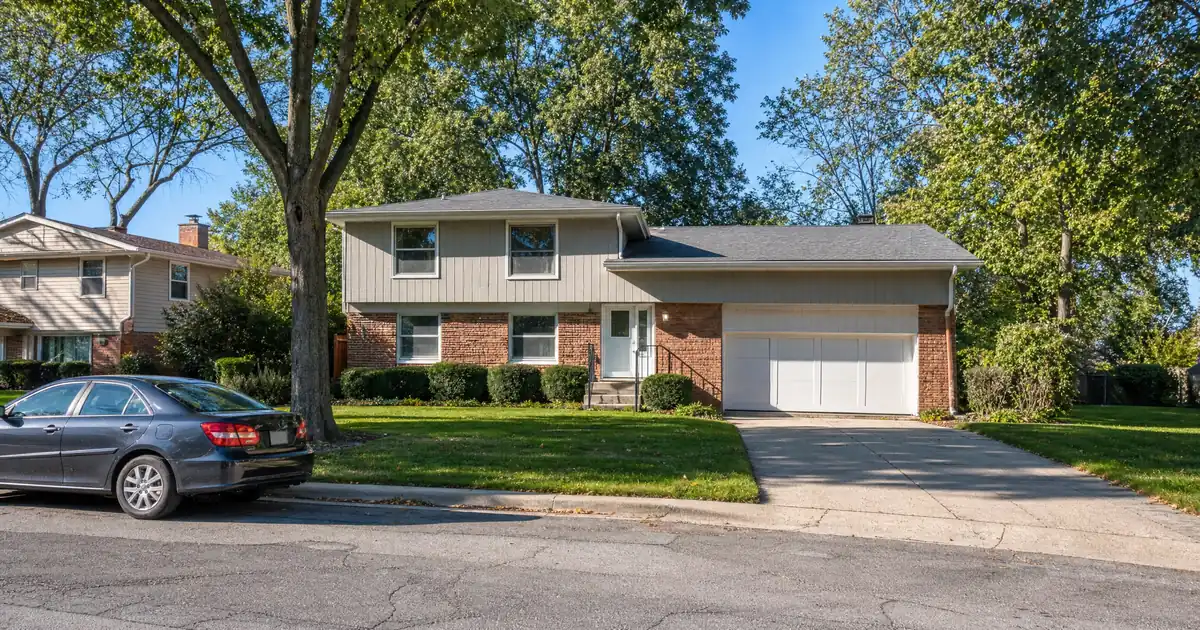
The Quick Read: A cash-out refinance on a rental property replaces your current mortgage with a bigger one. You get the difference in cash at closing. This almost never runs through FHA or VA. Those programs only work for owner-occupied homes. Rental property financing works differently. It routes through conventional non-owner-occupied guidelines or a DSCR loan. A DSCR loan qualifies off the property’s rent, not your income. Across Lendmire’s wholesale network of DSCR lenders, most cash-out files cap around 75% loan-to-value. They expect roughly six months of ownership seasoning. And they want rent that clears somewhere near a 1.00 coverage ratio on select programs. Stronger coverage generally opens better leverage and pricing.
Key Terms Defined
Cash-out refinance — a new loan that pays off your existing mortgage. It hands you the leftover equity in cash.
DSCR Cash-Out Calculator
Run the cash-out numbers in your market
Rate source: Freddie Mac 30-yr average via FRED® — Federal Reserve Bank of St. Louis · effective Jul 30, 2026
Prefilled with starting assumptions — enter your property’s value, balance, taxes, and insurance for a more accurate picture.
Program parameters update from Lendmire’s centralized guideline source. Taxes and insurance are editable estimates.
As of Jul 30, 2026 · General Freddie Mac market benchmark, not a Lendmire loan offer. Property value, balance, taxes, and insurance are editable estimates. Maximum loan-to-value varies by lender, program, property type, and seasoning. Not a Loan Estimate, approval, or commitment to lend. Program availability and eligibility are subject to lender guidelines, credit approval, property review, and underwriting.
DSCR (debt-service coverage ratio) — take the monthly rent and divide it by the full monthly obligation (principal, interest, taxes, insurance, and any HOA dues). This tells you whether a property’s income covers its own payment.
LTV (loan-to-value) — the new loan amount shown as a percentage of the property’s appraised value. Lower LTV means more equity stays behind in the deal.
Seasoning — the minimum time a lender wants you to have held title before you pull cash out of a property.
PITIA — principal, interest, taxes, insurance, and association dues. This is the full monthly figure used on the bottom of the DSCR math.
Business-purpose loan — financing for a rental or investment property, not a home you live in. It gets underwritten differently than a standard consumer mortgage.
Delayed financing — a path that lets you refinance a property you bought in cash without waiting through the standard ownership-seasoning clock.
What a Cash-Out Refinance Actually Does
A cash-out refinance is a swap. It’s not a loan against nothing. The lender pays off your current mortgage balance. Then it issues a new loan sized larger than that payoff. The gap between the two — minus closing costs — gets wired to you. Nothing about the property changes hands. You keep the deed. You just end up with a new lender and a bigger loan.
For rental property, the government-backed cash-out lane is closed before the conversation even starts. FHA and VA cash-out refinances exist for owner-occupied homes. If you’re pulling equity out of a rental, that box isn’t there for you to check. So every non-owner-occupied cash-out goes down one of two lanes: conventional financing sold to Fannie Mae or Freddie Mac, or a DSCR loan. A DSCR loan qualifies mainly on the property’s rental income rather than your traditional personal-income documents, subject to lender guidelines. Lendmire’s complete DSCR loans guide covers the qualification basics if this is new territory for you.
Key takeaways before going further:
- A cash-out refinance replaces the current mortgage on a rental with a bigger one and pays you the difference.
- FHA and VA cash-out programs don’t apply to investment property — expect conventional non-owner-occupied rules or a DSCR loan instead.
- DSCR cash-out refinances typically cap around 75% LTV and want roughly six months of ownership seasoning.
- A 1.00 DSCR is a floor on select programs, not a universal rule. Stronger coverage tends to open better leverage.
- Delayed financing and cost-basis exceptions can shorten or eliminate the seasoning wait for investors recycling capital.
How Underwriting Treats a Rental Cash-Out, Step by Step
Step 1 — Occupancy sorts the file. Non-owner-occupied status routes your loan into conventional agency guidelines or a DSCR program from the first phone call. There’s no in-between path.
Step 2 — Seasoning gets checked. Across the DSCR lane, roughly six months of ownership is the common expectation before cash-out proceeds get released. Each lender in the network sets its own exact window, though. Conventional agency guidelines run differently: Fannie Mae’s Selling Guide requires at least six months on title and requires the mortgage being paid off to be at least twelve months old. That’s a two-part test. It binds loans sold to the agencies, not DSCR files.
Step 3 — The appraisal does two jobs. It sets the property’s current value. It also produces the rent number used in the DSCR calculation. For a single-family rental, that rent comes from a comparable-rent schedule built on recent nearby leases. For a two-to-four-unit property, a small residential income appraisal serves the same purpose. Whichever number is lower — the appraiser’s market-rent figure or the actual signed lease — is generally the one underwriting uses.
Step 4 — DSCR gets calculated against the new payment. Take rent and divide it by the new PITIA. That number has to clear the lender’s floor — not the old payment you’re refinancing away. This matters more than most investors expect. Pulling out more cash raises the new payment. That can push the ratio down even if rent hasn’t moved at all.
Step 5 — LTV sets the leverage ceiling. Across most of Lendmire’s network, cash-out refinances on 1-4 unit rentals cap around 75% LTV. Two-to-four-unit properties often see a tighter ceiling than single-family. Property type shifts the cap further from there.
Step 6 — Credit tier moves everything at once. A 620 floor exists in parts of the network. Most programs want somewhere around 660. The strongest leverage tiers open up closer to 700 and above. Credit score doesn’t just gate eligibility — it also moves leverage, reserve requirements, and pricing tier together.
Step 7 — Reserves get sized to the file. Reserve requirements vary by lender, leverage, and loan size. Roughly six months of PITIA is a common expectation. Conservative, lower-leverage rate-and-term files under $1,500,000 sometimes see reserves waived entirely. Loans above that size typically step up toward nine months.
For more detail on how the seasoning clock and LTV interact on a cash-out file, Lendmire’s guide on investment property refinance walks through the qualification stack in more depth. It also compares DSCR and conventional loans and shows where the two paths diverge on documentation.
Why FHA and VA Don’t Apply to Rental Cash-Outs
FHA and VA cash-out refinancing exists to help homeowners tap equity in the home they actually live in. That’s the entire design of both programs. If you’re refinancing a rental you don’t occupy, you fall outside that scope from the start. There’s no exception path, no waiver, no workaround. The only place occupancy blurs the line is a 2-4 unit property where you live in one unit and rent the others out. That’s owner-occupied house-hacking — a different transaction entirely from a pure rental cash-out. Once a property is fully tenant-occupied and you don’t live there, the deal works to conventional non-owner-occupied guidelines or a DSCR loan built specifically for rental financing. DSCR loans are business-purpose products designed for non-owner-occupied investment properties. That’s exactly why they get reviewed differently than a standard owner-occupied mortgage.
The Structures Investors Actually Use
Standard DSCR cash-out refinances on single-family and small multifamily rentals form the core of the network. Loans run up to about $3,000,000 on most programs, with smaller balances routed through specific lenders that specialize in them. Above roughly $2,500,000, the network generally holds to 30-year fixed structures rather than shorter-term or adjustable options.
Term structures vary beyond that baseline. The 30-year fixed is the spine of the market, but extended 40-year terms and interest-only periods are available through select lenders. Adjustable-rate structures exist too, for investors who specifically want them.
There are no extra state overlays to worry about before you shop a deal. Connecticut, Florida, Illinois, and New Jersey purchases follow the same standard limits as every other state, generally up to 80% LTV. Loan amounts in those states run up to the standard $3,000,000 ceiling as well. That means a high-value cash-out refinance in one of these states works against the same 75% LTV cap it would anywhere else.
Short-term rentals get their own treatment. Purchase financing tops out around 75% LTV. Refinance and cash-out transactions generally run closer to 70% LTV. You’ll also need a 640+ credit score, roughly twelve months of hosting history, and coverage that clears somewhere near a 1.00 floor. Many lenders also discount gross short-term rental income — often by roughly 20% — before running the DSCR math. This accounts for the occupancy swings a signed 12-month lease doesn’t carry. Short-term rental rules can vary by city, county, HOA, and property type, so confirm local restrictions before relying on projected nightly income. Lendmire’s DSCR loan for Airbnb page covers the qualification side of that in more detail.
Coverage below 1.00 isn’t automatically a dead end, either. Select lenders in the network will review sub-1.00 DSCR files, but leverage and terms adjust to compensate. Expect reduced LTV and a stronger credit profile to offset the thinner coverage, subject to lender guidelines and individual underwriting. A no-ratio option is available for DSCR below 1.00 with stronger credit or higher down payment; qualification on that path rests on credit and equity rather than a rent-coverage calculation.
Property type matters just as much as the numbers. Manufactured homes — single- or double-wide — along with log homes and barndominiums fall outside DSCR eligibility across the network entirely. These aren’t harder to finance through this channel. They simply aren’t offered as collateral for these programs.
Where the Seasoning Rule Actually Breaks
The six-month rule isn’t absolute. The exceptions matter most to investors running a repeatable strategy.
Delayed financing is the biggest one. If you buy a property outright in cash, you don’t have to sit through a full seasoning period to refinance it. The loan simply gets capped at the lower of the appraised value at the applicable LTV, or the documented purchase cost. It’s a separate structural path, not a shortcut version of the standard seasoning test. The same general shape shows up across DSCR programs built for investors exiting all-cash purchases.
Recovering only the original cost basis can waive seasoning entirely. If a cash-out refinance pulls out more than the original purchase price plus documented renovation costs, a waiting period from the purchase date typically applies. But if the refinance only recovers those original costs — purchase plus rehab, nothing beyond it — some programs won’t require any seasoning period at all. This is the mechanism a lot of BRRRR investors lean on to recycle capital as fast as the rehab and lease-up allow.
Inherited or legally-awarded property skips the ownership clock entirely under both agency frameworks. It generally carries the same treatment across DSCR programs. If you received a property through inheritance or a divorce settlement, you aren’t penalized for a holding period you never chose.
Cash-Out Refinancing and the BRRRR Cycle
Cash-out refinancing is the mechanism that makes portfolio growth possible without selling a single property. Buy a distressed asset, rehab it, rent it, refinance the equity back out, and redeploy that cash into the next deal. That’s the “R” that lets you keep scaling on the same original capital. BiggerPockets describes BRRRR in exactly those terms: buy, rehab, rent, refinance, repeat.
This isn’t a fringe strategy. Investors held roughly 30% of U.S. single-family home purchases recently, according to HousingWire reporting on Cotality data. That’s a large pool of borrowers for whom a rental cash-out refinance is often the only non-selling way to unlock trapped equity. The broader non-QM market backs that up: HousingWire also projects non-QM originations climbing toward $175 billion, up from roughly $108 billion the year before, with DSCR and investor products making up close to half of that collateral.
Two structural advantages separate DSCR cash-out refinancing from the conventional agency lane. Documentation is the first one. DSCR underwriting qualifies primarily on the rent the property produces, rather than traditional personal-income documentation, subject to lender and program guidelines. That’s a real advantage if you’re self-employed and your depreciation and write-offs suppress your reported income on paper. Portfolio scale is the second advantage. Conventional financing generally caps out around ten financed properties and restricts LLC ownership. DSCR programs fully support LLC-titled loans, depending on program guidelines, and carry no formal cap on the number of financed rentals in a portfolio.
Files in markets with a heavy mix of long-term rentals and recent renovation activity tend to show a familiar pattern. The appraisal-based rent often lags what you actually expect to charge once the unit is re-leased. Comparable-rent data is backward-looking by design — those comps reflect leases signed months earlier, not this month’s asking rent. The stronger files anticipate that gap. They don’t build a refinance plan around optimistic rent assumptions that the appraisal won’t support.
If you’re reinvesting proceeds into another property, you might get asked for a letter documenting the plan. And if you’re weighing whether the numbers even work before applying, Lendmire’s cash-out refinance calculator for investment property is a useful first stop.
Common Misconceptions About Cash-Out Refinancing
“DSCR seasoning follows the same 12-month rule as conventional loans.” It doesn’t. That two-part, twelve-month first-mortgage-age test is specific to loans sold to Fannie Mae and Freddie Mac. DSCR lenders aren’t bound by agency selling guides at all. Most set their own shorter window, commonly around six months.
“Cash-out proceeds are taxable income.” They’re not. It’s borrowed money, not income. Tax treatment varies; consult a qualified professional.
“A signed lease always sets the DSCR number.” Not necessarily. Appraisal-based market rent is frequently the primary or required qualifying source, sometimes independent of what the lease actually says. So the coverage figure quoted on a file may not match the lease sitting in your file folder.
“Removing income documentation removes underwriting risk.” It shifts risk. It doesn’t remove it. DSCR underwriting leans harder on credit and property-level coverage precisely because personal income isn’t part of the equation. A thin credit file or borderline ratio gets scrutinized more, not less.
What the Decision Looks Like in Practice
Consider an investor holding a rental purchased entirely in cash a couple of years ago, now appraised meaningfully higher than the original purchase price. Delayed financing lets that investor refinance without waiting through a standard seasoning period. The new loan gets capped at the lower of the appraised value at the applicable LTV, or the documented purchase cost. If the property’s rent clears the lender’s DSCR floor on the new, larger payment at 75% LTV, the refinance can move forward. If the rent falls short, the choices become a smaller cash-out draw, a longer amortization structure to ease the payment, or reviewing whether the file fits a sub-1.00 program with adjusted leverage. Every figure here varies by lender and program — guidelines, property type, leverage, and credit profile all apply.
That’s the honest version of the decision every investor faces on a cash-out refinance. A bigger draw raises the new payment. That can push coverage below the lender’s comfort zone, even on a property whose rent hasn’t changed at all. Clearing 1.00 DSCR isn’t the same as positive cash flow, either. Repairs, vacancy, management fees, utilities, and capital expenditures all sit outside that ratio. The stronger files clear both tests at once: enough equity to support the leverage, and enough rental coverage to support the payment comfortably above the bare floor.
If you’re scaling across multiple states, you’ll run into the same mechanics property by property. Lendmire’s guide on DSCR loans for out-of-state real estate investing covers how that plays out when your portfolio isn’t concentrated in one market. And if your only prior experience with a cash-out request came from a big bank or retail lender, it’s worth understanding how differently property-based underwriting handles a lower-value asset. A large retail lender’s stance on a cash-out refinance for a home appraised at $70,000 is a useful comparison point for smaller-balance files that don’t fit a conventional bank’s box.
Lendmire (NMLS# 2371349) arranges DSCR investor loans through a wholesale network of lenders. It typically works these files by matching property income, credit profile, and leverage goals to the lender best suited to the deal. Investors can reach Lendmire at 828-256-2183 or request a quote directly to see how a specific property and payoff pencil out.
This article is general information, not legal or tax advice. Investors should consult a qualified attorney or CPA about their own situation before acting on anything here. Nothing here is a commitment to lend, and loan approval is never guaranteed. Every scenario described is subject to lender approval and to borrower, property, and program guidelines, which can change.
Frequently Asked Questions
Can I do a cash-out refinance on a rental property I own inside an LLC?
Yes, DSCR programs generally support LLC-titled loans, depending on program guidelines. This is unlike conventional agency financing, which restricts entity ownership. The underwriting still runs primarily off the property’s rental income and your credit profile, not the entity structure itself.
How soon after buying a rental can I cash-out refinance it?
Roughly six months of ownership is the common expectation across most DSCR programs, though individual lenders set their own windows. Delayed financing and cost-basis exceptions can shorten or eliminate that wait if you bought in cash or are only recovering your original purchase and rehab costs.
Does a DSCR below 1.00 automatically disqualify a cash-out refinance?
Not automatically. Select lenders in the network will review sub-1.00 coverage, but leverage typically drops and credit requirements typically rise to compensate, subject to lender guidelines. A no-ratio option is also available for DSCR below 1.00, and qualification on that path rests on credit and equity rather than a rent-coverage calculation.
Can I use cash-out proceeds to buy another rental property?
Yes — this is the core mechanism behind the BRRRR strategy. Proceeds are generally usable as soon as the refinance closes and funds are disbursed. Many investors document the reinvestment plan in a short letter of explanation as part of the file.
Is the cash I receive from a refinance taxable?
No, loan proceeds are borrowed money, not income.
For how equity extraction works, see cash-out refinance on an investment property.
About Lendmire
Lendmire is a non-QM mortgage brokerage (NMLS# 2371349) arranging DSCR investor loans in 41 markets, including Washington, D.C., through wholesale and investor-lending channels. DSCR loans are evaluated by the lender on rental income rather than personal income, subject to lender guidelines. This makes them a fit for LLC-owned portfolios, self-employed investors, and operators scaling beyond conventional loan caps. Recognized as a Scotsman Guide Top Mortgage Workplace in 2025 and 2026.
Get Started
Ready to find the right loan for you?
In about 30 seconds you can review financing options available for your investment property. No commitment required.
Informational only. Not a Loan Estimate, approval, or commitment to lend. Program availability and eligibility are subject to lender guidelines, credit approval, property review, and underwriting.
References
1. Fannie Mae Selling Guide — Cash-Out Refinance Transactions (B2-1.3-03)
2. BiggerPockets — The BRRRR Method Guide
3. HousingWire — Investor Share of Home Purchases Holds at 30% in 2025
4. HousingWire — Non-QM Originations Set to Reach $175B in 2026
This article is part of Lendmire’s investment property cash-out refinance program — full qualification details, guidelines, and scenarios live on the program page.
Related reading: Cash Out Refinance Rental · From One Rental To Three Using Cash Out Refinances · Bucks County Pa Investment Property Cash Out Refinance
Brandon Miller
Founder & CEO, Mortgage Loan Originator, Lendmire LLC
- Mortgage Loan Originator · NMLS# 1129696 · Verify on NMLS Consumer Access
- North Carolina Real Estate Broker · License# 343312 · Verify on NCREC
- North Carolina Insurance Producer · License# 19053198 · Property, Casualty, Life, Health · Verify on NAIC SBS
- Lendmire LLC · Firm NMLS# 2371349 · Verify firm licensure
Legal disclosures. Lendmire (NMLS# 2371349) is a state-licensed mortgage brokerage that arranges financing through wholesale lender relationships. Lendmire is not a direct lender, depository institution, or registered financial advisor. The discussion above is general informational content about real estate financing — it is not financial, legal, or tax advice, and readers should consult licensed professionals for guidance on their individual circumstances. Loan inquiries are subject to lender underwriting; this article does not represent a commitment to lend. Loan terms, rates, and qualification standards vary by borrower, property, and state, and are subject to change at any time. Equal Housing Opportunity. NMLS Consumer Access: nmlsconsumeraccess.org.