
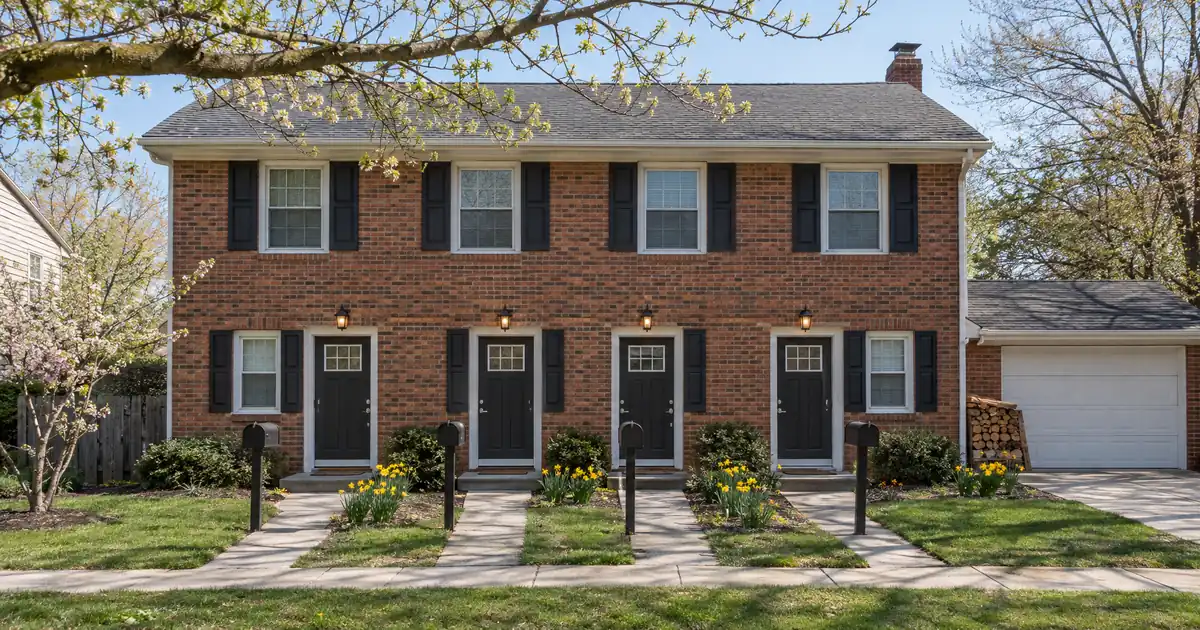
The Quick Read: A cash-out refinance on a 2-4 unit rental keeps the property and adds debt, while selling stock adds no debt but gives up the shares and can create a taxable event. Neither choice is better in the abstract. The right one depends on your embedded gain, how much rental coverage you have, and what the cash is for.
- A DSCR cash-out reviews the property’s rent against the full payment, not your paycheck.
- Across most of the wholesale network, cash-out tops out around 75% LTV on a standard rental.
- Selling stock typically involves no loan underwriting, but the gain, the holding period, and possibly a surtax matter.
- Pulling more cash lowers coverage, because the new loan and payment are larger.
- Many investors use both: sell the high-basis or loss lots, refinance for the rest. Each figure is subject to lender guidelines and a complete review of property type, leverage, and credit.
Here is the honest answer. The refinance fits an investor with real equity in a 2-4 unit, solid coverage, and a stock position with a large unrealized gain. The stock sale fits an investor with a low tax cost, a thin rent cushion, or a need for cash that a loan process can’t serve. They are different transactions. One borrows against an asset you keep. The other converts an asset into cash.
DSCR Cash-Out Calculator
Run the cash-out numbers in your market
Rate source: Freddie Mac 30-yr average via FRED® — Federal Reserve Bank of St. Louis · effective Oct 15, 2026
Prefilled with starting assumptions — enter your property’s value, balance, taxes, and insurance for a more accurate picture.
Program parameters update from Lendmire’s centralized guideline source. Taxes and insurance are editable estimates.
As of Oct 15, 2026 · General Freddie Mac market benchmark, not a Lendmire loan offer. Property value, balance, taxes, and insurance are editable estimates. Maximum loan-to-value varies by lender, program, property type, and seasoning. Not a Loan Estimate, approval, or commitment to lend. Program availability and eligibility are subject to lender guidelines, credit approval, property review, and underwriting.
Side-by-Side
The table below shows published industry norms for the stock side and typical network guidance for the refinance side. Program details vary by lender, borrower, and property, and are subject to lender guidelines.
| Factor | DSCR cash-out refinance | Selling stock |
|---|---|---|
| What gets underwritten | The rental: rent, appraisal, equity | Nothing to sell |
| Review basis | Rent covering the new payment | None for the sale |
| Personal income documents | Typically not the core of the file | Not applicable |
| Property types | 2-4 unit rentals; manufactured, log, barndominium not offered | Not applicable |
| Entity vesting | LLC possible, subject to program terms | Usually individual, trust, or IRA |
| Debt added | Larger loan on the rental | None |
| Asset kept | Yes, the rental | No, the shares are gone |
| Tax event at funding | None on the proceeds as loan money | Capital gain or loss |
| Timeline | Appraisal, underwriting, seasoning | Sale and settlement |
| Reserves | Commonly around 6 months of PITIA | None required to sell |
| What limits the amount | LTV ceiling, coverage, appraisal | Shares owned, less tax owed |
How a DSCR Cash-Out on a 2-4 Unit Works
A cash-out refinance replaces your current loan with a larger one and hands you the difference. Across our wholesale network, cash-out tops out around 75% LTV on standard rentals. About 6 months of ownership, measured from title recording, is the common seasoning expectation. A rate-and-term refinance can go higher on leverage, but it returns no cash at closing. Leverage, reserves, and pricing vary by lender and program; the final terms follow the full file review.
Coverage is the second test. DSCR divides rent used for lender review by the full monthly obligation: principal, interest, taxes, insurance, and any association dues. 1.00 is where select programs start, not a universal standard. Stronger ratios open better pricing and leverage. A separate select-lender path goes below 1.00, with leverage and terms adjusted. Our complete DSCR loans guide covers the mechanics in full.
On 2-4 units, rent evidence is usually an appraiser’s rent schedule, plus a rent roll and leases. Most programs we place files with want about a 660 score. A 620 floor exists in parts of the network, and 700+ unlocks the strongest tiers. Loan sizes run up to $3,000,000 on standard programs. Reserves commonly sit around 6 months of PITIA and step up to about 9 months above $1,500,000.
Here is the catch most investors miss: more cash out means a bigger payment, which means lower coverage. Equity is only half the test. A fourplex with 40% equity can still fail on coverage if you pull to the ceiling. The strongest files clear both tests.
Also, clearing 1.00 is not the same as positive cash flow. Repairs, vacancy, management, utilities, and capex sit outside the calculation.
When the Cash-Out Refinance Is the Better Fit
The refinance usually wins in these situations:
- Large embedded stock gain. If your basis is low, a sale can trigger a sizable gain. Under IRS Topic 409, stock held as an investment is a capital asset, and the gain is the amount realized minus adjusted basis. Held more than one year, it is long-term. One year or less, short-term.
- Higher income. NerdWallet explains that a 3.8% net investment income tax can apply to the lesser of net investment income or the income above a threshold. Stock sales count as investment income. Thresholds are $200,000 single and $250,000 married filing jointly.
- You want to keep compounding. Selling shares means those shares stop growing.
- Strong rent cushion. If coverage stays comfortably above your program’s floor after the larger loan, the added debt is manageable.
- Self-employed or near agency financing limits. A DSCR loan is reviewed primarily on property-level rental income covering the payment, subject to lender guidelines.
Consider an investor holding a triplex with substantial equity and a brokerage account full of long-held, low-basis shares. Pulling cash at 75% LTV or less avoids the sale entirely. The tradeoff is a permanent fixed payment that continues whether the units are full or vacant. Terms vary by lender guidelines, property type, leverage, credit profile, and full file review.
A CPA-firm explainer, The Real Estate CPA, says refinance proceeds are generally treated as borrowed money, not income. That is general information, not tax advice. Tax treatment can depend on how the funds are used and how the property is held; investors should keep clear records and speak with a qualified tax professional before relying on any deduction.
When Selling Stock Is the Better Fit
Selling shares is the cleaner path in these cases:
- Thin coverage. If the rent barely clears the program floor today, a larger loan may push the file below it. Selling stock adds no payment and leaves the rental’s coverage untouched.
- Shares at a loss or near basis. Selling at a loss creates a capital loss rather than a tax bill. Losses offset gains first, and beyond that only a limited annual amount offsets other income, with the rest carried forward.
- A hard closing deadline. A stock sale settles on a brokerage schedule. A refinance needs an appraisal, underwriting, and seasoning, so it fits poorly when a purchase contract has a tight window.
- Seasoning not yet met. If you recorded title less than about 6 months ago, cash-out may not be available yet.
- Existing loan with a prepayment penalty. Check the note before refinancing. A penalty window can erase the benefit.
- Debt aversion. Some investors simply don’t want another lien on a 2-4 unit.
Run the numbers on an investor whose shares sit slightly above basis, held well over a year, with a duplex already running tight coverage. The gain is small, the rent cushion is thin, and selling is probably cheaper than stretching the property. If the sale proceeds later fund a DSCR purchase, lenders typically ask that the money be sourced with brokerage and bank statements.
What About a Margin Loan?
Margin is a third path, though a riskier one. Schwab notes that margin is generally limited to 50% of the investments’ value. A drop in the market can force sales at bad prices. It keeps the shares but ties your borrowing to the same market you’re trying to avoid selling into. It deserves a stress test before use.
Using Both
Honestly, the cleanest answer is often a split. Sell the lots with the highest basis or an unrealized loss, then refinance for the remainder. That keeps the tax bill smaller and keeps the new loan modest, which protects coverage. It also spreads the risk: less leverage on the rental, less concentration risk in the portfolio.
The break-even tips on three variables: the size of the gain, the coverage cushion, and what the cash is for. Cash for a down payment on the next rental favors whichever path hurts least today. Cash for reserves or renovation on the same property is a different decision, because borrowing against a building to improve it ties the debt to the asset it supports.
Interest deductibility generally follows how the money is spent, not what secures the loan. Keeping proceeds in a separate account until spent makes the record cleaner.
Key Terms Defined
Adjusted basis: What you paid for the shares, adjusted for certain events, used to measure gain or loss.
Seasoning: How long you have held title before a cash-out refinance is allowed.
PITIA: Principal, interest, taxes, insurance, and association dues, the full monthly obligation.
DSCR: rent used for lender review divided by PITIA, a measure of whether the property’s income covers its payment.
LTV: Loan balance divided by appraised value.
DSCR vs. conventional financing
There are two common ways to finance an investment property, and they qualify you differently — here’s how investors weigh them.
Why investors choose it
- Qualifies on the property’s rental income — no personal tax returns, W-2s, or pay stubs needed to document income.
- No personal debt-to-income ceiling to clear, so existing mortgages and obligations don’t cap your borrowing the same way.
- Can be closed in an LLC, keeping the property inside a business entity.
- Built for scaling — not held to the limit on number of financed properties that conventional financing applies.
- Underwriting centers on the deal: generally qualifies when the rent covers the payment, a 1.00x coverage ratio being a common baseline (confirmed in underwriting).
- Designed specifically for investment property, including long-term and, where the program allows, short-term rentals.
Where it’s strong
- Often the lowest ongoing financing cost for a buyer who fully qualifies on personal income — a fit for a first property or a cost-first purchase.
Trade-offs for investors
- Requires full personal income documentation and must fit within a debt-to-income limit — salary, existing debts, and other mortgages all count.
- Typically held in your personal name rather than a business entity.
- Caps how many financed properties you can carry, which can become a ceiling as a portfolio grows.
- Evaluates you as a borrower as much as the property, which usually means more paperwork.
How investors usually choose: a first or single property often optimizes for the lowest financing cost; portfolio builders often optimize for leverage, vesting in an LLC, and scaling past conventional caps. The right answer depends on your goals, the property, and current guidelines — both paths run through select lenders in Lendmire’s wholesale network, with eligibility and terms confirmed in underwriting.
A Balanced Verdict
For an investor with strong rent coverage, a low-basis stock position, and a patient timeline, the refinance usually wins. The tax cost of selling is real, and the property can carry the debt. For an investor with thin coverage, a short deadline, or shares near basis, selling is probably the better call. For many, a partial sale plus a modest refinance beats either extreme.
If you are buying or refinancing a rental property and want to see how the numbers work, Lendmire can help you compare DSCR loan options based on the property income, credit profile, leverage, and investor goals, through select lenders in its wholesale network across 41 markets, including Washington, D.C. Program terms change and every file is reviewed individually; this is not a commitment to lend. The site’s illustrative calculator can give a rough estimate of coverage after a larger loan.
Frequently Asked Questions
Are cash-out refinance proceeds taxable?
Generally not as income, since the money is a loan you must repay. How the interest is treated depends on how you spend the funds, so a tax professional should confirm your situation.
Can I do a cash-out refinance and sell stock for the same deal?
Yes. Many investors split the need, selling loss or high-basis lots and borrowing the rest. The smaller loan also helps coverage, since the new payment stays lower.
Does selling stock affect my DSCR?
No. Selling adds no debt to the rental, so its coverage ratio doesn’t change. If you later use the proceeds for a purchase or refinance, lenders typically want the funds sourced with statements.
Can an LLC-held rental do a cash-out refinance?
Often yes, subject to program terms. Entity documents are required, and the lender reviews the property’s rent and equity as usual.
What if my coverage falls below 1.00 after pulling cash?
Many select programs start at 1.00. The alternative is pulling less cash or selling some shares instead.
A deeper walk-through of investment-property equity extraction lives in Lendmire’s guide to cash-out refinance on an investment property.
About Lendmire
As a non-QM mortgage broker (NMLS# 2371349), Lendmire facilitates DSCR investor loans across 41 markets, including Washington, D.C. DSCR eligibility is generally reviewed around property-level rental income instead of personal income documentation, subject to lender guidelines, serving LLC-structured portfolios and self-employed borrowers who don’t fit conventional boxes. A two-time Scotsman Guide Top Mortgage Workplace (2025, 2026).
Get Started
Ready to find the right loan for you?
In about 30 seconds you can review financing options available for your investment property. No commitment required.
Informational only. Not a Loan Estimate, approval, or commitment to lend. Program availability and eligibility are subject to lender guidelines, credit approval, property review, and underwriting.
References
1. IRS Topic 409, Capital gains and losses
2. NerdWallet, Net Investment Income Tax
4. Charles Schwab, 3 ways to borrow against assets
This article is part of Lendmire’s investment property cash-out refinance program — full qualification details, guidelines, and scenarios live on the program page.
Related reading: How to Present Short-Term Rental Income on a DSCR Refinance · How to Refinance Five Airbnbs Into One Portfolio DSCR Loan · AirDNA DSCR Lenders vs LTR Lenders When Converting a Rental to Airbnb
Brandon Miller
Founder & CEO, Mortgage Loan Originator, Lendmire LLC
- Mortgage Loan Originator · NMLS# 1129696 · Verify on NMLS Consumer Access
- North Carolina Real Estate Broker · License# 343312 · Verify on NCREC
- North Carolina Insurance Producer · License# 19053198 · Property, Casualty, Life, Health · Verify on NAIC SBS
- Lendmire LLC · Firm NMLS# 2371349 · Verify firm licensure
Important disclosures. Lendmire (NMLS# 2371349) is a licensed mortgage brokerage. Lendmire is not a direct lender, depository institution, or financial advisor. All loan inquiries are subject to lender underwriting; this article does not constitute a commitment to lend. Rates, terms, and program guidelines are subject to change without notice and vary by borrower profile, property type, and state. Information in this article is general in nature and is not financial, legal, or tax advice. Equal Housing Opportunity. NMLS Consumer Access: nmlsconsumeraccess.org.