Best Cash Out Refinance Lenders For Investment Property

There’s no single “best” lender for this — there’s a best lender type for your file.

There’s no single “best” lender for this — there’s a best lender type for your file.

There’s no single “best company” for cash-out refinancing an investment property, because the terms that matter most — leverage, coverage ratio

Can You Do A Cash Out Refinance On An Investment Property In Texas: what investors need to know about DSCR financing — eligibility, coverage, and loan.

There isn’t a single best bank for a cash-out refinance, because the question itself assumes one type of lender solves every situation.

There’s no federal law capping cash-out refinance LTV on rental property — that ceiling is set program by program.

Texas’s famous cash-out refinance restrictions — the 80% limit, the 12-day waiting period, the single-lien rule — apply only to homestead property.

These specifics are subject to lender guidelines and a full review of property, leverage, and credit.
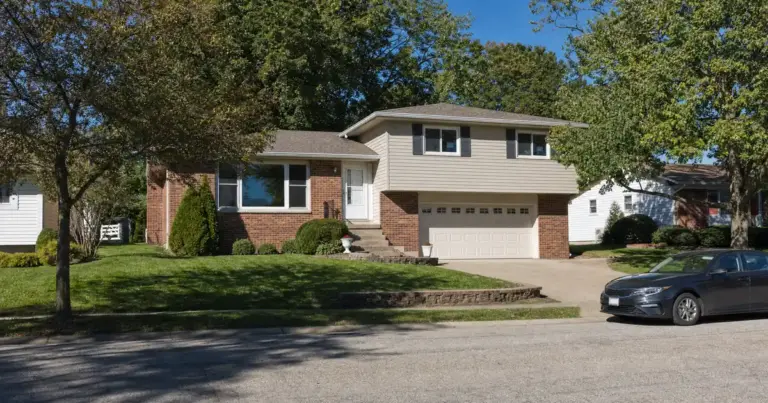
What Is Cash Out Refinance Mortgage: what investors need to know about DSCR financing — eligibility, coverage, and loan structure, from Lendmire.

Yes — cash-out refinancing a rental property is a routine transaction, but it runs on a stricter rulebook than a primary-residence refinance.

On a cash-out refinance, an investor pays back the entire new loan balance — the old mortgage payoff plus the cash disbursed plus any rolled-in closing
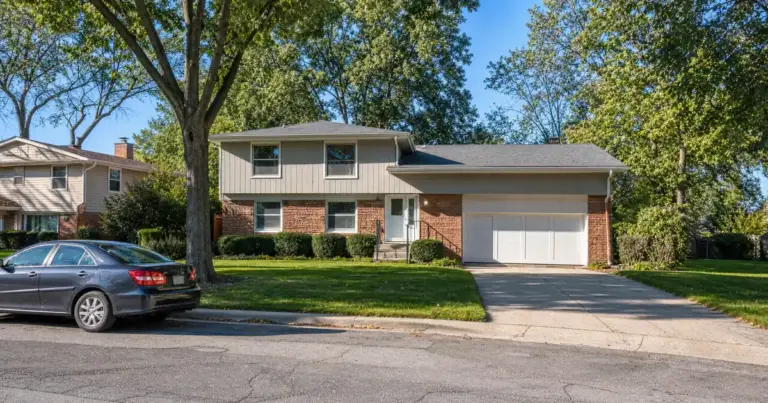
A cash-out refinance on a rental property replaces the existing mortgage with a larger one and hands the investor the difference in cash at closing.

Cash Out Refinance To Buy Siblings Out, Proceeds Taxable For Siblings: what investors need to know about DSCR financing — eligibility, coverage, and loan.

A cash-out refinance replaces an existing mortgage with a new, larger loan and sends the difference to the borrower as cash — the loan balance goes up

No — the cash an investor receives from a cash-out refinance is loan proceeds, not income, so it isn’t reported or taxed the year it hits the bank account.
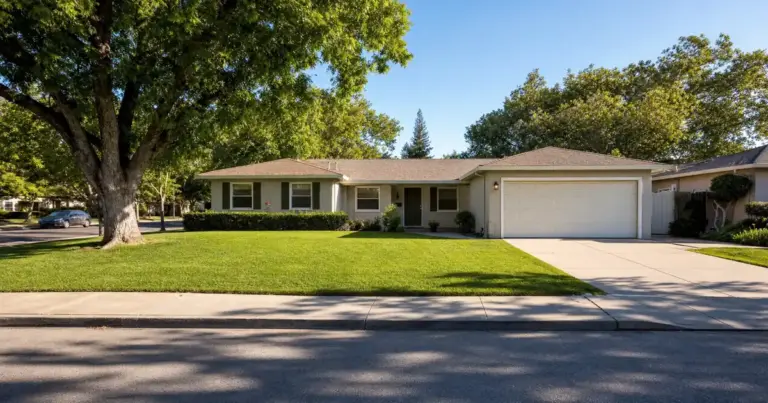
A cash-out refinance on an investment property pays off the existing loan with a new, larger one and sends the investor the difference in cash at closing.