Condo Vs Single-family Super Jumbo DSCR When Buying Through A Trust
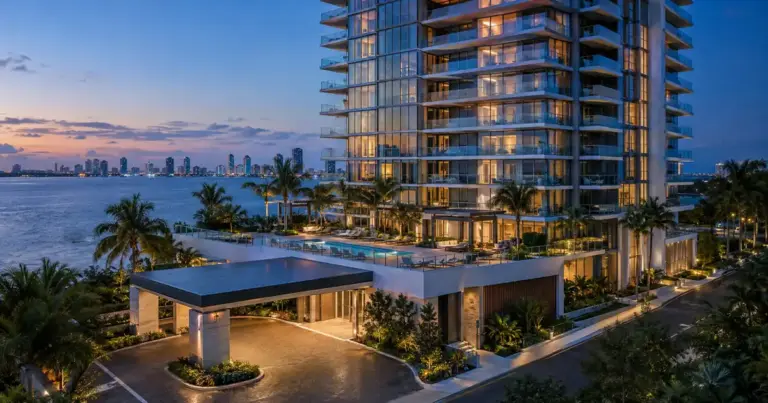
Both property types vest into a trust the same way.

DSCR Loans articles from Lendmire: how-to guides, requirements and eligibility checklists, cost and timeline questions, and side-by-side comparisons for borrowers and investors. Start with the DSCR Loans program page or browse the DSCR Loans Guide Library.
Both property types vest into a trust the same way.

The right pick depends less on cost and more on what the owner actually plans to do with the property, and whose income statement should carry the loan.
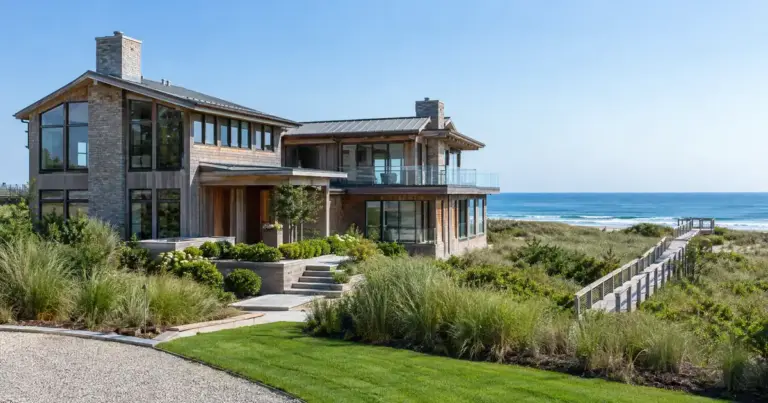
Individual DSCR loans keep each property standalone, so one weak asset or one sale doesn’t touch the rest of the portfolio.
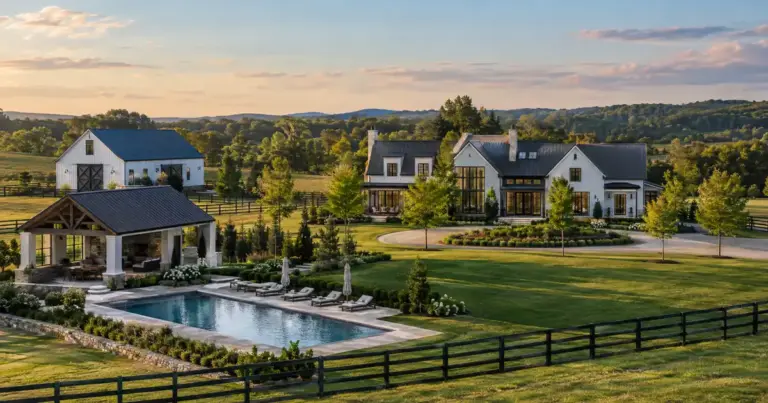
If the company pays a real salary into a clean account, bank statement can work.
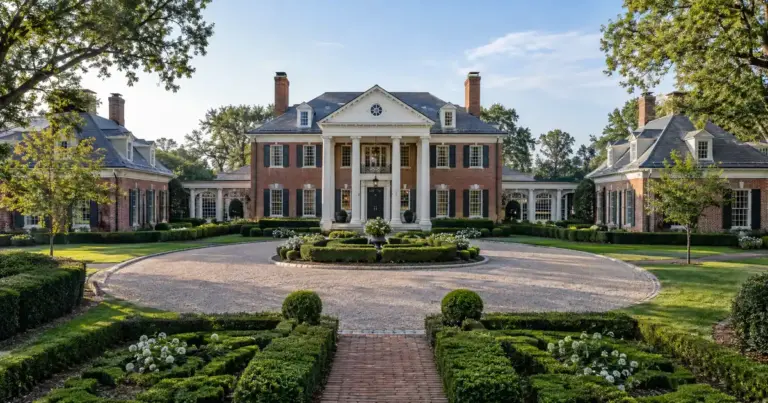
Acreage Vs Standard Lot On A Luxury DSCR Loan After A Liquidity Event: what investors need to know about large-balance DSCR financing, from Lendmire.
Short-term rental owners run into this question constantly.
What changes is the paperwork stack, the number of guarantors, and how the lender verifies who actually controls the entity behind the loan.

A condo adds a second layer of review: the HOA’s finances, its litigation history, and whether the building even permits short-term stays.

Most investors think there’s one “seasoning” rule. There are actually two, and they run on different clocks.
Loan size and property type are two separate gates — a strong coverage ratio doesn’t override either one.
It doesn’t, entirely. Loan size changes leverage, credit requirements, and — sometimes — whether non-recourse is even on the table.
That test has nothing to do with how long they’ve owned the rental.
Non-recourse limits the lender to the collateral itself — except for a list of carved-out bad acts that flip the loan back to full recourse.

For an LLC portfolio holding both, the acreage property is usually the one you keep off a blanket note.
Most DSCR loans on 1-4 unit rentals are full recourse, trust or no trust.