Reserve Requirements on a Luxury Short-Term Rental DSCR Loan

First-time investors typically see that number climb to 12 months.

First-time investors typically see that number climb to 12 months.

Score doesn’t just decide yes or no — it resets leverage, reserves, and how much the property’s rental income needs to cover the payment.

Below $1,000,000 the strongest files still see up to 80% purchase leverage.

Coverage ratio, credit score, and reserves each shift the actual number, so two borrowers on the same property can land at different leverage points.
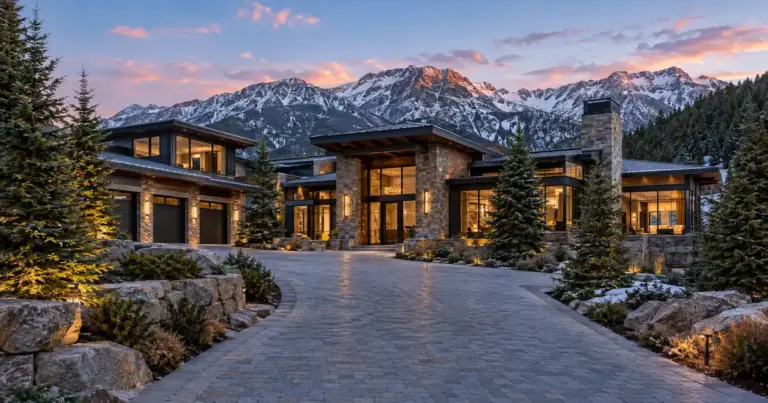
They apply a haircut — commonly around 20% — to account for seasonality, platform fees, and operating drag before comparing income to debt.

Miss any one of these and the file stalls, regardless of how strong the property’s income looks.

Coverage of 1.00 or better unlocks the strongest terms; anything below that runs through select programs at reduced leverage.

Below that line, one appraisal usually does the job.

Neither option is “better” in the abstract — the right one depends on whether you need capital now or just better structure on the debt you already have.
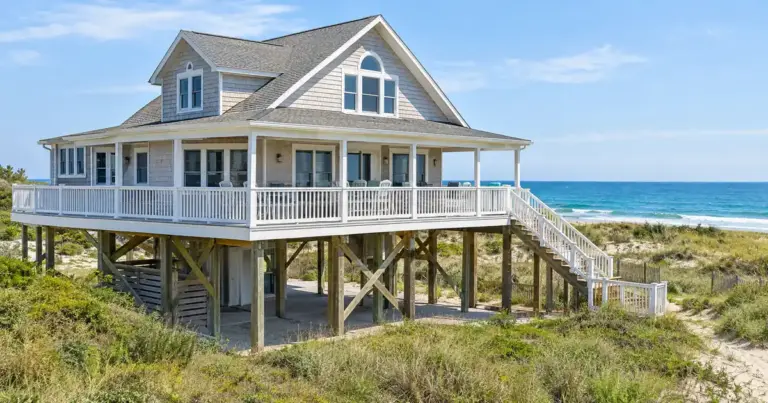
A long-term rental DSCR loan leans on a signed lease or the appraiser’s market-rent estimate.

Short-Term Rental DSCR on a Resort Property — Both loans measure the same thing — rent against payment — but they measure different rent.

Whether an investor is a W-2 employee, self-employed, or living off a brokerage account, that fact barely touches the property-side math.
They are not the same product, and mixing them up leads to wasted applications.
Underwriting centers on the property, the renovation plan, and the after-repair value — not your tax returns.
A standalone HELOC underwrites your personal credit and income. A DSCR cash-out refinance underwrites the property’s rent.