
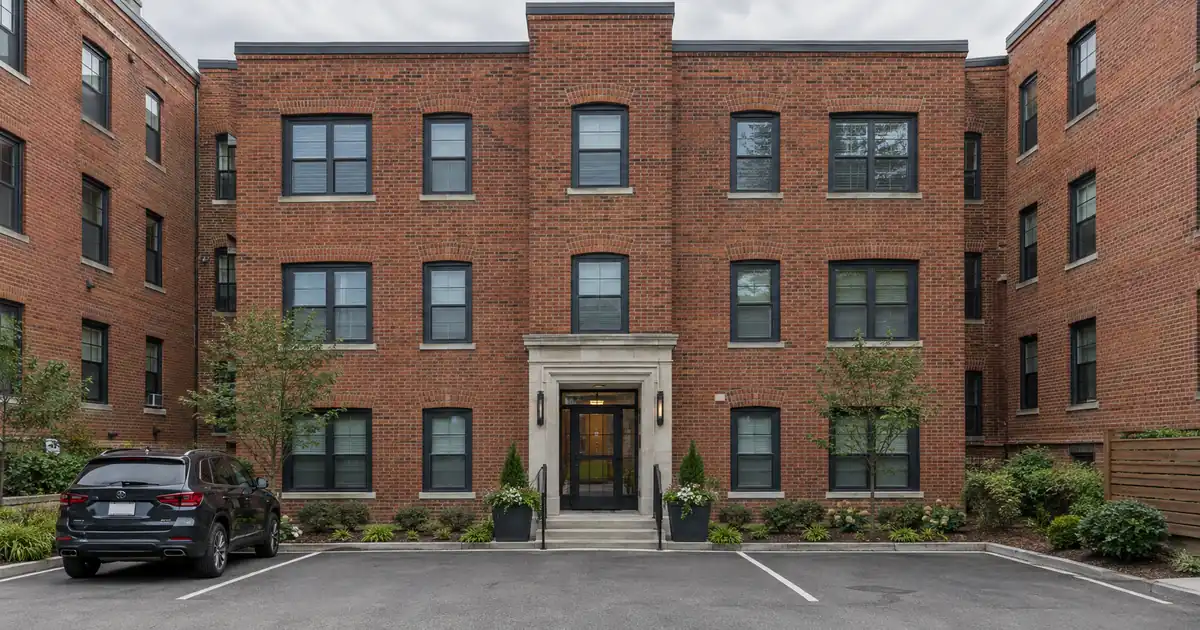
The Quick Read: Not directly, because a six-unit building falls outside the 1-4 unit super jumbo ladder and is financed as commercial multifamily through a narrower specialty product, where the outcome turns on stabilization, appraised value, and what the coastal insurance stack does to coverage.
- Super jumbo is an informal lender label for large balances, not a regulated loan type.
- At five units the building moves from residential to commercial-style review, with an income-based appraisal.
- Leverage is lower than on a fourplex, and the lender pool is smaller.
- Flood, wind, and hazard premiums go into the obligation your rent or income must cover.
- Terms on this tier are usually fixed for a set period with a balloon, so plan the refinance on day one.
What Does “Super Jumbo” Mean on a Six-Unit Building?
Super jumbo means a very large balance, and each lender draws that line in a different place. No regulator defines it. Across the wholesale network Lendmire works with, the label shows up on loans well past the standard DSCR program’s $3,000,000 ceiling.
DSCR Calculator
Run the numbers in your market
Rate source: Freddie Mac 30-yr average via FRED® — Federal Reserve Bank of St. Louis · effective Oct 15, 2026
Prefilled with starting assumptions — enter your own rent or nightly figures, taxes, insurance, and HOA for a more accurate picture.
Program parameters update from Lendmire’s centralized guideline source. Taxes and insurance are editable estimates.
As of Oct 15, 2026 · General Freddie Mac market benchmark, not a Lendmire loan offer. Rent, nightly rate, occupancy, taxes, and insurance are editable estimates. Short-term rental figures are estimates only and vary significantly by season, property type, management approach, and local short-term-rental rules — confirm local regulations before relying on them. Qualifying income for short-term rentals varies by program — some use appraisal market rent, others use documented STR history or projections — and is confirmed in underwriting. Not a Loan Estimate, approval, or commitment to lend. Program availability and eligibility are subject to lender guidelines, credit approval, property review, and underwriting.
The label gets confusing at six units because the usual yardstick does not apply. Conforming limits are published for one-to-four-unit homes only. The Federal Housing Finance Agency sets a one-unit baseline of $832,750 and a high-cost ceiling of $1,249,125 for loans the agencies buy. A six-unit building has no conforming limit to be “over.”
So a high coastal price does not make a six-unit building a super jumbo loan in the same sense a $3,500,000 duplex would be. It makes it a large commercial multifamily loan.
Why Does the Fifth Unit Change the Loan?
At five units, lenders stop treating the building as a house and start treating it as a business. That shifts the appraisal, the coverage formula, and the paperwork. Lendmire’s complete DSCR loans guide covers the basics; this is how they change at six units.
| Factor | 1-4 units | Six units |
|---|---|---|
| Lending class | Residential | Commercial multifamily |
| Appraisal | Rent schedule and small-income forms | Income-approach report |
| Coverage test | Rent over full housing payment | Net operating income over debt service |
| Documents | Leases, entity papers | Rent roll, leases, operating history, entity papers |
| Product | Standard and super jumbo DSCR | Rental portfolio term loan |
Net operating income, or NOI, is rent minus operating costs such as insurance and maintenance. A ratio built on NOI and a ratio built on rent divided by the full payment are not interchangeable, because NOI removes expenses first. Ask which formula the program uses before you run a single number.
Most programs we place files with cap standard DSCR at four units. A few lenders stretch to eight or ten. Five-plus units sit in a specialty tier, and nothing about it is a given.
Which Loan Fits a Six-Unit Building?
On Lendmire’s network, buildings of five or more units are eligible only on the rental portfolio term loan. This is a fixed-term loan, usually a few years to a decade, that ends in a balloon payment at maturity. It replaces the 30-year fixed structure most residential investors expect.
Expect these differences from a fourplex file:
- Leverage generally sits below what a 1-4 unit purchase can reach.
- Reserves are often held for taxes, insurance, and capital repairs.
- Recourse and non-recourse versions exist, and prepayment terms are stricter.
- A six-unit building can sit in a multi-property pool, but each property still needs its own appraisal or rent support.
Program terms change and every file is underwritten individually, so confirm the current sheet before you model a deal. If you want the large-balance rules for the next size up, Lendmire’s piece on super jumbo DSCR requirements for a 5-to-10-unit building goes deeper.
How Do Coastal Costs Change the Coverage Math?
Coastal insurance is the line item most likely to move a six-unit deal from comfortable to short. The rents and the building do not change. The denominator does.
Coastal buildings can carry three layers: hazard, windstorm, and flood. On a 1-4 unit file, the annual premium is divided by 12 and added to the monthly obligation the rent must cover. On commercial-style review, insurance is an operating expense, so it reduces NOI directly. The lender’s flood determination, not a listing site, decides whether flood coverage is required.
Run the numbers on a modeled six-unit rent roll. Assume it clears about 1.30x before the coastal layers are counted. Add a full wind and flood stack and the same rent roll might land near 1.05x. These are illustrative assumptions, not market data. The building did not get worse; the cost of carrying it did.
Flood pricing is also building-specific. FEMA’s Risk Rating 2.0 fact sheet says premiums reflect the risk rating of the individual building rather than a blanket zone rate. Two buildings on the same street can pay very different amounts, so elevation and rebuild cost matter.
Will the Flood Premium Keep Climbing?
Often yes, until it reaches the full-risk rate. The National Association of Realtors adds that increases stop once a policy reaches its full-risk rate.
Do not read that cap as a ceiling. It limits how fast the premium climbs, not where it ends up. Some classes of policy can also carry a different cap, and rental buildings are not primary residences, so stress-test your coverage with a higher premium than today’s quote.
Wind deductibles deserve their own line. A percentage-based wind deductible does not enter the coverage ratio, but it is a real cash need after a storm. That is one reason lenders hold reserves.
What Can You Do When Coverage Is Tight?
Several levers can help, and none is automatic. Each is subject to lender guidelines and underwriting.
1. Lower the leverage. A bigger down payment shrinks the debt service the income must cover.
2. Get real quotes first. Bind wind and flood quotes before you pick a structure, not after.
3. Look at the building’s features. Elevation, wind mitigation, and a clean flood determination can lower premiums.
4. Choose the structure carefully. Interest-only periods exist on some 1-4 unit programs, and some term loans offer them too, but ask before assuming.
5. Read the whole rent roll. Stale leases and below-market units drag the coverage number down, so fix them before the appraisal.
Below-1.00 coverage is not always a dead end. Select lenders in the network run programs below 1.00 on 1-4 unit files, though LTV and terms adjust. Whether a comparable path exists at six units depends on the program and the file.
What Do Lenders Review on the Building Itself?
Expect a rent roll, leases, operating history, and entity papers. Stabilized, leased buildings fit best. Heavy vacancy or a rehab usually points to a bridge or other short-term product instead.
The appraisal is an income-approach report, and comparable sales on coastal small multifamily can be scarce. Value matters because it sets the loan amount. On 1-4 unit loans in the network, two appraisals are required above $2,000,000, and a large six-unit loan can see a similar review.
Building condition carries weight too. Older construction, soft-story design, and deferred maintenance all invite questions about insurability. Coastal-zone rules can also limit rebuilding after a loss, so ask your insurer what a total-loss rebuild would involve.
Most programs lend to entities. Subject to program terms, an LLC or trust can hold title, and layered entities are generally not welcome. Eligibility rules for short-term or seasonal rental use are tight, and municipal permission has to be documented for the specific property. Short-term rental rules can vary by city, county, HOA, and property type, so confirm local rules before relying on projected rental income.
DSCR vs. conventional financing
There are two common ways to finance an investment property, and they qualify you differently — here’s how investors weigh them.
Why investors choose it
- Qualifies on the property’s rental income — no personal tax returns, W-2s, or pay stubs needed to document income.
- No personal debt-to-income ceiling to clear, so existing mortgages and obligations don’t cap your borrowing the same way.
- Can be closed in an LLC, keeping the property inside a business entity.
- Built for scaling — not held to the limit on number of financed properties that conventional financing applies.
- Underwriting centers on the deal: generally qualifies when the rent covers the payment, a 1.00x coverage ratio being a common baseline (confirmed in underwriting).
- Designed specifically for investment property, including long-term and, where the program allows, short-term rentals.
Where it’s strong
- Often the lowest ongoing financing cost for a buyer who fully qualifies on personal income — a fit for a first property or a cost-first purchase.
Trade-offs for investors
- Requires full personal income documentation and must fit within a debt-to-income limit — salary, existing debts, and other mortgages all count.
- Typically held in your personal name rather than a business entity.
- Caps how many financed properties you can carry, which can become a ceiling as a portfolio grows.
- Evaluates you as a borrower as much as the property, which usually means more paperwork.
How investors usually choose: a first or single property often optimizes for the lowest financing cost; portfolio builders often optimize for leverage, vesting in an LLC, and scaling past conventional caps. The right answer depends on your goals, the property, and current guidelines — both paths run through select lenders in Lendmire’s wholesale network, with eligibility and terms confirmed in underwriting.
Key Terms Defined
Super jumbo: an informal lender label for balances above the standard program ceiling, with no legal definition.
DSCR (debt service coverage ratio): property income divided by what the loan costs to carry, used to judge whether the building supports its debt.
PITIA: principal, interest, taxes, insurance, and any association dues, the full monthly cost of owning a 1-4 unit property.
NOI (net operating income): rents minus operating expenses, before debt service.
Rent roll: a unit-by-unit list of tenants, rents, lease dates, and vacancies.
Reserves: liquid cash a lender wants you to hold after closing, counted in months of payments.
Where Does a Six-Unit Coastal Deal Not Fit?
Some deals belong elsewhere. If the building is half vacant, needs heavy rehab, or fails coverage even at lower leverage, a bridge or commercial loan may serve better. Agency small-balance programs also exist for larger buildings, but they test the owner’s net worth and liquidity more than the property’s income. DSCR financing leans the other way.
If you own a coastal two-to-four-unit building, the picture is different, and the 1-4 unit ladder applies. Lendmire’s article on how to qualify a luxury multi-unit building covers that side.
Expect a smaller lender pool, lower leverage than a fourplex, and a more documented process. Refinance risk is real, because balloon terms put the exit on a calendar.
Frequently Asked Questions
Does a coastal location change eligibility?
The location changes the cost more than the eligibility. Coastal buildings are reviewable in principle, but flood, wind, and hazard premiums reduce coverage and raise reserve expectations. Some lenders also add overlays on properties in high-risk zones, so confirm early.
Does six units count as multifamily or commercial?
Commercial multifamily. Anything of five or more units leaves residential lending, which means an income-based appraisal and net-operating-income review.
Is flood insurance mandatory?
It depends on the lender’s flood determination for that specific building. A listing site or a neighbor’s experience does not decide it. If the building is in a designated high-risk zone, expect flood coverage to be a closing condition.
Can short-term rental income count?
On the 1-4 unit side, qualifying short-term-rental files run to $2,000,000 on documented operating history at a discount to gross rent. At six units, treatment depends on the program and the permit status of the property.
What if coverage falls below the program minimum?
Lower leverage, a different structure, or a different lender may fix it. Select programs in the network run below 1.00 coverage on 1-4 unit files with adjusted LTV and terms, subject to underwriting. At six units, ask what the specific program allows.
Next Step
If you are buying or refinancing a high-balance rental property and want to see how the numbers work, Lendmire can help you compare super jumbo DSCR loan options based on the property income, the loan balance, credit profile, leverage, and investor goals. Business-purpose financing is arranged across 41 markets, including Washington, D.C. Nothing here is a commitment to lend, and every file is underwritten individually.
Lendmire’s self-employed mortgages page presents both super jumbo programs, bank statement and DSCR, side by side.
About Lendmire
Lendmire is a non-QM mortgage brokerage (NMLS# 2371349) arranging DSCR investor loans in 41 markets, including Washington, D.C. DSCR eligibility is generally reviewed around property-level rental income rather than personal income, subject to lender and program guidelines, a fit for self-employed investors and LLC-owned portfolios. Lendmire was recognized as a Scotsman Guide Top Mortgage Workplace in 2025 and 2026.
Get Started
Ready to find the right loan for you?
In about 30 seconds you can review financing options available for your investment property. No commitment required.
Informational only. Not a Loan Estimate, approval, or commitment to lend. Program availability and eligibility are subject to lender guidelines, credit approval, property review, and underwriting.
References
1. FHFA conforming loan limit values
2. FEMA Risk Rating 2.0 fact sheet
3. National Association of Realtors, Risk Rating 2.0 Myth Buster
This article is part of Lendmire’s super jumbo DSCR loan program — full qualification details, guidelines, and scenarios live on the program page.
Related reading: How to Finance a Trust-Held Apartment Building on a Super Jumbo DSCR Loan · How to Support a Penthouse Appraisal for a Super Jumbo DSCR Loan · Co-Signer vs Co-Owner vs Guarantor on a Super Jumbo DSCR Loan
Brandon Miller
Founder & CEO, Mortgage Loan Originator, Lendmire LLC
- Mortgage Loan Originator · NMLS# 1129696 · Verify on NMLS Consumer Access
- North Carolina Real Estate Broker · License# 343312 · Verify on NCREC
- North Carolina Insurance Producer · License# 19053198 · Property, Casualty, Life, Health · Verify on NAIC SBS
- Lendmire LLC · Firm NMLS# 2371349 · Verify firm licensure
Required disclosures. Lendmire (NMLS# 2371349) operates as a licensed mortgage broker, not a direct lender or depository. The discussion in this article is general in nature and should not be relied upon as financial, legal, or tax advice — every investment scenario is unique and should be reviewed by a qualified professional. Any loan inquiry is subject to lender underwriting, and this article is not a commitment to lend or a guarantee of approval. Mortgage rates, loan terms, and program guidelines vary by borrower, property, and state, and may change without notice. Equal Housing Opportunity. Verify licensure at NMLS Consumer Access.