
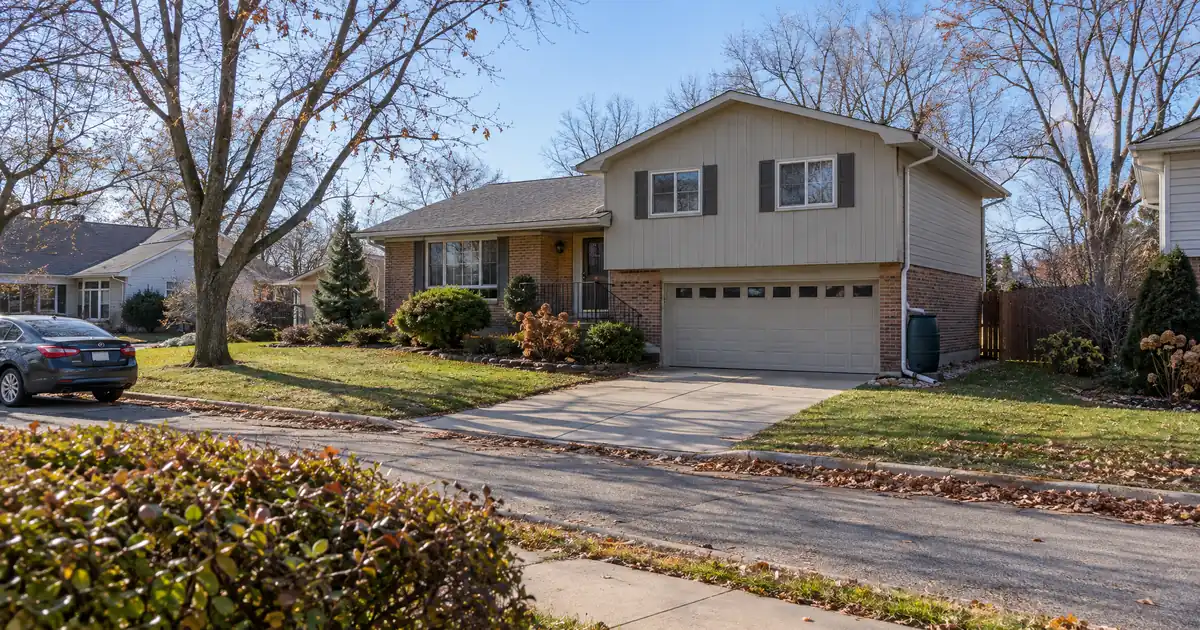
The Quick Read: A sale turns a decade of gain and depreciation into a tax bill and hands you the full equity, while a DSCR cash-out refinance is a loan that reaches only part of the equity, leaves the tax bill unpaid, and keeps the rent flowing. DSCR stands for debt service coverage ratio, which is the property’s rent measured against its full monthly obligation. The right choice depends on three things: how big the tax slice is, whether the rent still covers a larger payment, and whether you would buy this property again today.
- A sale is a taxable event. A cash-out refinance is a loan, and borrowed money is not income.
- A refinance defers the tax. It does not erase it.
- On a standard rental cash-out, leverage tops out at 75% for loans up to $1,000,000, then steps down as the loan grows, subject to underwriting.
- The rent must cover the new, bigger payment. Passing that test does not prove the property makes money.
- A 1031 exchange is a third path, with strict deadlines and its own traps.
You own a rental you bought more than ten years ago. The equity is large. The basis is small. Someone told you the sale tax bill will hurt, and someone else told you to just refinance. This guide walks through how each path works, how underwriting treats the cash-out, and where the usual advice breaks.
What Actually Changes Between the Two Paths?
Selling ends your ownership, triggers tax on the gain, and pays you all remaining equity. A DSCR cash-out keeps ownership, triggers no sale tax, and pays you a slice of equity as loan proceeds. The rent keeps coming in, and so does the larger payment.
Both paths start with the same step: the existing loan gets paid off from the new money. On a sale the buyer’s money pays it. On a cash-out the new loan pays it. Whatever is left is yours, before taxes and costs on the sale path, and before closing costs and reserves on the refinance path.
| Factor | Sell | DSCR Cash-Out | 1031 Exchange |
|---|---|---|---|
| Tax event | Yes, on gain | No, it is a loan | Deferred |
| Equity reached | All, after costs and tax | Part, capped by leverage | All, if rolled over |
| Rent continues | No | Yes | Yes, on new property |
| Payment after | None | Larger | Depends on new loan |
| Review basis | Buyer’s financing | Property rent and appraisal | Buyer’s plus your new loan |
| Main risk | Tax bill | Thin coverage | Missed deadline |
Key Terms Defined
DSCR is the property’s monthly rent divided by its full monthly obligation. Most standard programs are built around a 1.00 benchmark, where rent matches the payment.
PITIA is principal, interest, taxes, insurance, and any association dues. It is the full monthly obligation that rent is measured against.
LTV means loan-to-value: the loan balance divided by the appraised value.
Adjusted basis is what you paid, plus improvements, minus the depreciation you took or could have taken.
Depreciation recapture is the part of your gain that comes from those past depreciation deductions. It is taxed differently from ordinary appreciation.
Boot is cash or other non-qualifying value you take out of a 1031 exchange. It is taxable.
Seasoning is the waiting period a lender wants between buying a property and refinancing it.
Prepayment penalty is a fee for paying off a loan early. It is a separate test from seasoning.
Why a Decade-Plus Hold Changes the Math
A long hold shrinks your basis and swells your gain. Every year you owned the rental, depreciation lowered your adjusted basis. Appreciation pushed the value up. The gap between the two is the number a buyer’s closing table turns into a tax bill.
Two details surprise long-term owners. First, depreciation counts as allowed or allowable. If you skipped it on your returns, the tax code still treats your basis as reduced, so skipping it does not avoid recapture. Second, land is not depreciable, so only the building portion creates recapture. Hiltzik CPA explains how the building’s depreciation and any cost-segregated components are treated differently on a sale.
A decade also changes the cash-out side of the ledger. Four things tend to show up on older files:
- Stale rents. Leases set years ago may sit below market. Underwriting looks at the appraiser’s market rent and the lease, so a below-market rent can pull coverage down even when equity is huge.
- An old loan with a small balance. A mostly paid-off loan means a refinance replaces a small payment with a much larger one. That swing is the main cash-flow cost of keeping the property.
- Prepayment terms. If the current loan is a prior investor loan, it may carry a penalty. A soft penalty often exempts a sale but not a refinance. A hard penalty applies to both.
- Condition. An appraiser who sees deferred maintenance can lower value, which lowers the loan.
The Tax Layers on a Sale, in Plain English
A sale splits your gain into layers, and each layer is taxed differently. Think of it as three buckets, plus extras on top.
The first bucket is ordinary-income recapture on any components you cost-segregated into shorter depreciation lives. The second is the portion of gain tied to ordinary building depreciation. The IRS capital gains topic page says this unrecaptured section 1250 gain is taxed at a maximum of 25%. The third bucket is the rest of the gain, the appreciation above your original cost. It is taxed at standard long-term capital gains brackets.
Then come the extras. A 3.8% net investment income tax can apply to rental sale gain once your income passes certain thresholds, according to Nolo’s explanation of the surtax. A large sale can push your income over that line all by itself. State income tax may add another layer.
The home-sale exclusion does not rescue you. That exclusion covers a primary residence, not a pure rental. There is no exemption for holding a rental over ten years, so most long-term sellers owe both capital gains and recapture.
Real estate professionals may be able to treat the surtax differently, and heirs generally receive a stepped-up basis. Both are tax-advisor topics. Tax treatment can depend on how the funds are used and how the property is held; investors should keep clear records and speak with a qualified tax professional before relying on any deduction.
How Underwriting Treats the Cash-Out, Step by Step
A DSCR cash-out is a business-purpose investment loan. It qualifies primarily on property-level rental income covering the payment, subject to lender guidelines, rather than on your traditional personal-income documentation. Here is the sequence most programs in Lendmire’s wholesale network follow.
Step 1: The appraisal sets value and market rent. Value drives the leverage ceiling. Above $2,000,000 in loan size, programs in the network want two appraisals.
Step 2: Leverage caps the loan. On a cash-out of a standard rental, the ceiling is 75% for loans up to $1,000,000, subject to underwriting. Credit of 660 or higher supports that top cell. Larger loans step down. Cash-out runs 60% for loans between $1,500,000 and $3,000,000, with higher credit needed for the top cell of each band. There is no cash-out above $3,000,000. Proceeds are unlimited at or below 60% LTV, with a $1,500,000 cap above 60%. The exact numbers vary by lender and program and follow a full review of property, leverage, and credit.
Step 3: Coverage is tested at the new payment. Rent is divided by the full new PITIA. A coverage of 1.00 or higher earns full leverage. Select lenders in the network will review coverage below 1.00 on files up to $2,000,000, but LTV and terms adjust, subject to underwriting. The new balance is bigger than the old one, so stale rents get tested hardest here.
Step 4: Interest-only can ease the test. Select programs offer a 120-month interest-only period on 30- and 40-year terms, up to 75% on interest-only loans. Qualification runs on interest, taxes, insurance, and dues. The payment is lower during that window, but the principal does not shrink.
Step 5: Reserves and credit. Expect six months of PITIA on the subject property, with a 660 credit floor on loans to $3,000,000. Above $3,000,000, where only purchase and rate-and-term loans are offered, the floor moves to 700 and the overlay adds tighter conditions.
Step 6: Net cash is what remains. Proceeds equal the new loan minus the old payoff, closing costs, required reserves, and any prepayment charge on the old loan. Leverage caps the loan, not your check. That distinction trips up many owners who assume 75% of value lands in their account.
Step 7: Prepayment and seasoning are separate. A file can clear seasoning and still sit inside a penalty period on the old loan. The new loan will usually start its own penalty clock, which matters if you might sell within a few years.
Entity ownership is not a barrier by itself. An LLC can hold title, subject to program terms, though layered entities are not accepted. Lendmire’s complete DSCR loans guide covers the full qualification picture.
What Does the Net Cash Walk Look Like?
Walk the same rental through both paths with line items instead of dollar figures. This keeps the structure clear, and the numbers come from your own records.
Sale ledger:
- Start with the contract price.
- Subtract selling costs.
- Subtract the existing loan payoff and any prepayment charge.
- Subtract tax on each gain layer, the surtax if it applies, and state tax.
- The remainder is your after-tax check.
Cash-out ledger:
- Start with appraised value times the leverage ceiling.
- Subtract the existing loan payoff and closing costs.
- Subtract any prepayment charge on the old loan.
- Set aside required reserves.
- The remainder is your cash, and you still own the rental.
Two extra lines make the comparison honest. The first is what you give up to keep the asset: the sale check that never arrives, minus the cash-out check you do receive. That gap is the equity still tied up in the property. The second is the breakeven horizon: how many years of rent, loan paydown, and appreciation on the retained equity it takes to beat the after-tax cash you would have banked today.
Here is a simple way to picture the gain. Imagine a rental whose gain is mostly appreciation. The long-term bucket is large, the depreciation bucket is moderate, and the tax is painful but not crushing. Now imagine a rental with heavy depreciation and modest appreciation. The 25% bucket dominates, and the sale tax takes a bigger bite of equity. The second owner usually has more reason to refinance and hold, if the rent supports it.
Across Lendmire’s wholesale network, the long-held files that work best on the cash-out side share a pattern. Rents have been marked to market, the old loan has no penalty, and the borrower is pulling a modest share of equity rather than the maximum. The files that struggle usually try to pull the most the ladder allows against rent that was set a decade ago.
Where the General Rule Breaks
Refinance-and-hold is not always the winner, and selling is not always the villain. These edge cases move the answer.
A 1031 exchange can beat both. A like-kind exchange defers the gain and recapture when you trade one investment property for another. The IRS requires written identification of replacement property within 45 days and completion within 180 days, and a qualified intermediary must hold the proceeds. Taxstra notes that those clocks run at the same time, not back to back. Any boot you take is taxed. Depreciation carries into the new property, so recapture returns on a later outright sale.
Step-up in basis changes the long game. Heirs generally receive a basis equal to value at death. That means a refinance-and-hold plan can eventually wipe out the deferred gain for them. It is a real factor for older owners, and it belongs in a conversation with an estate or tax advisor.
Weak coverage can force the sale. If rent does not cover the new payment, the loan may not size to the cash you want. Select lenders in the network will look at sub-1.00 files up to $2,000,000, but LTV and terms adjust, subject to underwriting. At some point a sale is the cleaner exit.
Passing the test is not profit. Rent that clears coverage can still leave the property thin after repairs, vacancy, and reserves. Coverage measures the lender’s comfort, not your return.
Loss sales are different. If you would sell below your adjusted basis, there is no recapture to fear. Ordinary loss treatment may apply, but that is a question for your CPA.
A short-term rental changes the income side. Programs in the network qualify short-term rentals on documented operating history at a discount to gross rent. Short-term rental rules can vary by city, county, HOA, and property type, so investors should confirm local rules before relying on projected rental income.
Stacked loans reset the clock. If you already hold an investor loan, a cash-out pays it off and typically starts a new penalty period. Check the current terms before assuming a refinance is free.
DSCR vs. conventional financing
There are two common ways to finance an investment property, and they qualify you differently — here’s how investors weigh them.
Why investors choose it
- Qualifies on the property’s rental income — no personal tax returns, W-2s, or pay stubs needed to document income.
- No personal debt-to-income ceiling to clear, so existing mortgages and obligations don’t cap your borrowing the same way.
- Can be closed in an LLC, keeping the property inside a business entity.
- Built for scaling — not held to the limit on number of financed properties that conventional financing applies.
- Underwriting centers on the deal: generally qualifies when the rent covers the payment, a 1.00x coverage ratio being a common baseline (confirmed in underwriting).
- Designed specifically for investment property, including long-term and, where the program allows, short-term rentals.
Where it’s strong
- Often the lowest ongoing financing cost for a buyer who fully qualifies on personal income — a fit for a first property or a cost-first purchase.
Trade-offs for investors
- Requires full personal income documentation and must fit within a debt-to-income limit — salary, existing debts, and other mortgages all count.
- Typically held in your personal name rather than a business entity.
- Caps how many financed properties you can carry, which can become a ceiling as a portfolio grows.
- Evaluates you as a borrower as much as the property, which usually means more paperwork.
How investors usually choose: a first or single property often optimizes for the lowest financing cost; portfolio builders often optimize for leverage, vesting in an LLC, and scaling past conventional caps. The right answer depends on your goals, the property, and current guidelines — both paths run through select lenders in Lendmire’s wholesale network, with eligibility and terms confirmed in underwriting.
Which Path Fits Your Situation?
Use these if-then tests as a first pass, not a verdict.
- Sell if the property no longer fits your portfolio, the rent is thin even at market, you want out of management, or the equity is far beyond what leverage limits will release.
- Cash-out if the sale tax is large relative to your equity, the rent comfortably covers the new payment, and you would buy the property again today.
- Do a 1031 if you want to stay in real estate, have a replacement target in mind, and can meet the written identification and 180-day deadlines.
- Rate-and-term or hold if you do not need the cash. A plain refinance or no action may be the best move.
Common mistakes to avoid:
- Assuming the whole gain is taxed at one bracket.
- Believing a refinance resets depreciation or erases the gain.
- Reading the leverage ceiling as the size of your check.
- Ignoring the old loan’s penalty terms.
- Treating 1031 deadlines as flexible.
- Using the maximum loan when the rent only barely covers it.
Hybrids and Sequencing
You do not have to pick one path forever. Three sequences come up often.
Partial pull. Borrow less than the maximum. A smaller loan keeps coverage comfortable and the new penalty exposure modest.
Refinance now, sell later. This works when you need cash today but expect to exit in a few years. Just remember the new loan may carry its own penalty period, which can raise the cost of an early sale.
Refinance now, exchange later. Use the cash-out for a purchase, then later use a 1031 when you are ready to trade up. The deferral keeps stacking, and the basis step-up for heirs can end the story entirely.
A Step-by-Step Checklist Before You Decide
1. Pull the original closing statement, improvement records, and your depreciation schedule.
2. Compute adjusted basis and estimate the total gain.
3. Ask your CPA to split the gain into layers and add the surtax and state tax.
4. Get a payoff figure and read the old loan’s prepayment terms.
5. Estimate net sale proceeds after selling costs.
6. Estimate cash-out proceeds using the leverage ladder, then subtract payoff, closing costs, and reserves.
7. Test coverage at the new, larger payment using market rent, not old lease rent.
8. Decide whether you would buy the property today at its current value.
Frequently Asked Questions
Is a cash-out refinance taxable?
No, because loan proceeds are borrowed money and not income. The tax is deferred, not erased, so a later sale still triggers the gain. Interest deductibility can depend on how you use the funds, so keep records and ask a tax professional.
Does a cash-out refinance reset depreciation?
No. A refinance changes the financing, not the property’s tax treatment. Your basis and depreciation schedule continue as before, and recapture still applies on a later sale.
Does seasoning matter after ten years?
Seasoning rarely blocks a long-held property, since you passed any waiting period long ago. The bigger question is the prepayment penalty on your current loan, which is a separate test. A file can clear seasoning and still owe a payoff charge.
What if my rent is below market?
The appraiser’s market rent and your lease both feed the coverage test, and a below-market rent can shrink the loan or reduce the cash you receive. Select lenders in the network review coverage below 1.00 on files up to $2,000,000, but LTV and terms adjust, subject to underwriting. Raising rents toward market before you apply may help.
Can I cash out through an LLC?
Often yes, subject to program terms. Entity vesting is welcome, but layered entities are not accepted. Credit and reserve requirements still apply to the guarantor.
Next Steps
If you are buying or refinancing a high-balance rental property and want to see how the numbers work, Lendmire can help you compare super jumbo DSCR loan options based on the property income, the loan balance, credit profile, leverage, and investor goals. Lendmire is a mortgage broker arranging business-purpose investor financing through select lenders in its wholesale network, across 41 markets, including Washington, D.C. Every file is underwritten individually, and nothing here is a commitment to lend. After a decade of ownership, the real question is rarely tax or leverage alone, but whether the property still earns its place in the portfolio.
Investors weighing their equity options can start with Lendmire’s guide to cash-out refinance on an investment property.
Lendmire’s self-employed mortgages page presents both super jumbo programs, bank statement and DSCR, side by side.
About Lendmire
Lendmire, NMLS# 2371349, is a mortgage brokerage focused on investor financing, arranging DSCR loans in 40 states plus Washington, D.C. — 41 markets total. Qualification is based on the property’s income rather than personal income documentation, subject to lender guidelines, making it a fit for LLC-held rentals and scaling portfolios. Scotsman Guide named Lendmire a Top Mortgage Workplace in both 2025 and 2026.
Get Started
Ready to find the right loan for you?
In about 30 seconds you can review financing options available for your investment property. No commitment required.
Informational only. Not a Loan Estimate, approval, or commitment to lend. Program availability and eligibility are subject to lender guidelines, credit approval, property review, and underwriting.
References
1. Hiltzik CPA: Depreciation recapture on rental property sales
2. IRS Topic 409: Capital gains and losses
3. Nolo: Net investment income tax on sale gain
4. Taxstra: 1031 exchange rules
This article is part of Lendmire’s super jumbo DSCR loan program — full qualification details, guidelines, and scenarios live on the program page.
Related reading: How to Refinance a Family Office Rental Portfolio on Super Jumbo DSCR · How to Manage Reserves on a Super Jumbo DSCR Loan Held in LLCs · Can You Sell One Property Out of a Blanket Super Jumbo DSCR Loan?
Brandon Miller
Founder & CEO, Mortgage Loan Originator, Lendmire LLC
- Mortgage Loan Originator · NMLS# 1129696 · Verify on NMLS Consumer Access
- North Carolina Real Estate Broker · License# 343312 · Verify on NCREC
- North Carolina Insurance Producer · License# 19053198 · Property, Casualty, Life, Health · Verify on NAIC SBS
- Lendmire LLC · Firm NMLS# 2371349 · Verify firm licensure
Disclosure information. Lendmire is a state-licensed mortgage brokerage under NMLS# 2371349. Lendmire is not a depository institution, direct lender, or financial advisor — all loans referenced are placed through wholesale lender partners and are subject to each lender's underwriting standards. This article is provided for general informational purposes and is not a commitment to lend, nor does it constitute financial, legal, or tax advice. Loan programs, terms, rates, and qualification standards change without notice and depend on borrower profile, property type, and the state in which the subject property is located. Equal Housing Opportunity provider. NMLS Consumer Access: nmlsconsumeraccess.org.