
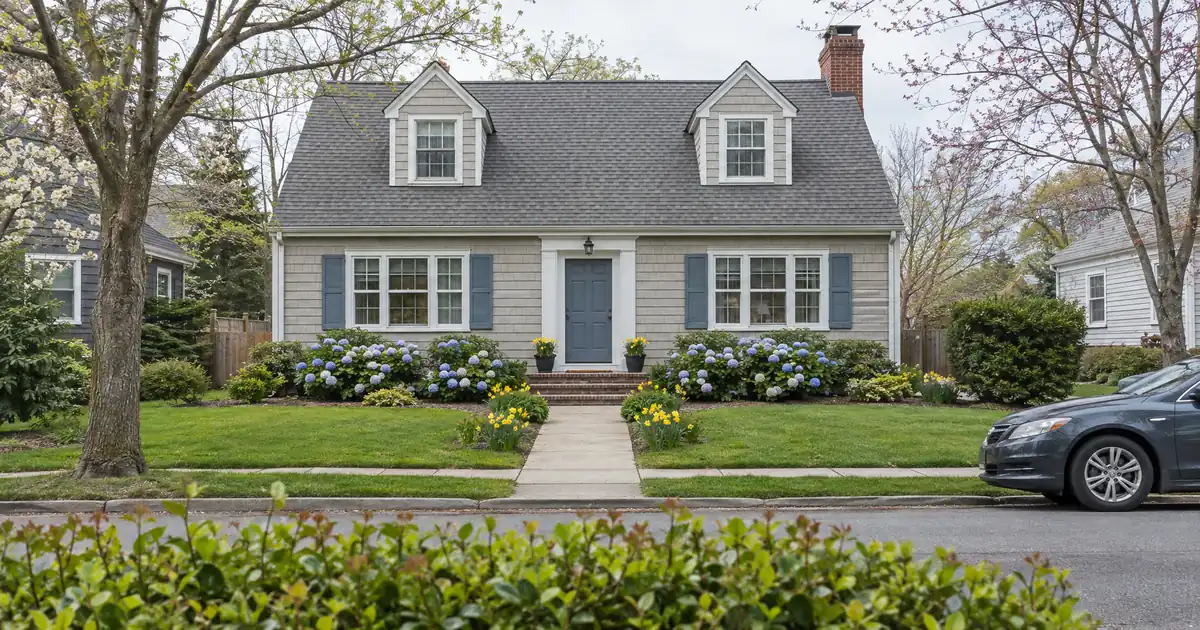
The Quick Read: Usually no, because a rental with a small, older mortgage already covers its own payment, so the pool gains little from it while the property becomes collateral for every other loan, its cheap legacy mortgage gets paid off and replaced, and selling it later means negotiating a release price. The exceptions are real, and they are covered below.
- Pooling helps weak rentals borrow against strong ones, and a low-mortgage rental has no weakness to offset.
- Folding it in means the new loan replaces the old one, and the new debt is sized on value and leverage limits, not on the old balance.
- Including it can make sense when the pool fails without it, when you are already planning to exit that loan, or when a program needs the property count.
- Clearing 1.00 coverage on the pool does not mean each rental cash-flows.
Key Terms Defined
DSCR (debt service coverage ratio) is monthly rent divided by the monthly debt obligation. A result of 1.00 means rent equals the payment.
PITIA is principal, interest, taxes, insurance, and any association dues. It is the full monthly obligation the ratio uses.
Blanket loan is one note secured by several rentals. A portfolio DSCR loan and a cross-collateralized loan are the same thing.
Cross-collateralization means every property backs the whole debt. A default on the note can reach all of them.
Release price is what you pay to free one property from the pool. It runs above that property’s allocated balance, and the loan documents set the exact amount.
Legacy loan is the existing mortgage a new loan would pay off.
How Do Lenders Test a Pool?
Lenders add up the rent on every property, add up the full monthly obligation on every property, and divide. That single pooled number is what gets compared with the floor. Stronger properties can therefore offset weaker ones.
Across Lendmire’s wholesale network, two structures cover most of this ground. The 30-year portfolio DSCR loan puts 2 to 20 properties under one note. Loans typically run from $300,000 to $5,000,000, with leverage up to 80% of value on an investment-property purchase or rate-and-term refinance. The coverage floor is 1.00, measured on the pool, and an interest-only period is available. Eligible property types are single-family, 2-4 unit, condo, and townhome.
The rental portfolio term loan is built for five or more rental properties or units under one loan. Loans typically run from $500,000 to $50,000,000, with leverage up to 75% of value. Terms are fixed at 3, 5, 7, or 10 years with a balloon at maturity. Recourse and non-recourse versions exist, and non-recourse looks to the real estate, with carve-outs such as fraud and bankruptcy. Small multifamily of five or more units is eligible only on this term loan, which also allows properties in several markets under one note.
Credit usually starts at a 640 score on these portfolio programs, and some structures want 680 or 720. Some structures also require a special-purpose entity, typically an LLC, subject to program terms. Every figure here is a program ceiling or floor, not a quote, and it is subject to lender guidelines.
For the full picture of how single-property and portfolio DSCR loans work, see Lendmire’s complete DSCR loans guide.
Why a Low Mortgage Changes the Math
A small payment makes a rental’s standalone ratio high. That is the whole story, and it cuts two ways.
The upside is that a high-coverage property lifts the blended number. It can carry a weaker rental that would miss the floor alone. If your pool is short, the low-mortgage property is the obvious helper.
The catch is that the helper is only helpful on paper. In a refinance, the lender sizes the new debt on value and leverage limits. That new debt replaces the old balance, so the property’s coverage inside the pool is measured against the new obligation. The strong ratio you saw on the old note does not travel with it.
Most investors want to know if they can get the same lift without giving up the old loan. Often the answer is yes. Pool the properties that need the pool and leave the cheap-debt rental on its own note.
What You Give Up by Including It
You give up three things. Each one lands harder on a low-balance property than on any other.
Your cheap legacy loan. Cheap debt is hard to replace. Wolf Street’s analysis of FHFA data puts the share of outstanding mortgages below 4% at 51.5% in the latest quarter it covers, the lowest in several years. Pier20 reports the estimated count of active mortgages below 4% falling from 33.1 million to 25.7 million over roughly four years. Those figures cover all first-lien home loans, not just rentals. Still, they show why a cheap loan is an asset few borrowers can rebuild.
Separation between properties. In a cross-collateralized pool, a problem at one rental can reach the rest. A default on the note puts every pledged property at risk. The low-balance property usually holds the most equity, so pooling makes that equity back everyone else’s debt.
Easy exits. Selling one property means paying its release price. Terms such as the number of releases allowed, and whether the pool is re-tested afterward, live in the loan documents. A property you might sell is a poor candidate for the pool.
A Five-Rental Example
These coverage figures are modeled, not market data. The example assumes each rental carries a similar-sized monthly obligation, so the pool roughly equals the average.
| Rental | Standalone coverage |
|---|---|
| A (low mortgage) | 1.40 |
| B | 1.10 |
| C | 1.05 |
| D | 1.02 |
| E | 0.90 |
With all five, pooled coverage lands near 1.09. Without A, it lands near 1.02. The pool clears 1.00 either way, so A is not needed. Rental E sits below 1.00 on its own, and underwriting tests the pooled coverage, the leverage and the terms rather than any single property.
Now change one input. Say E runs 0.80 instead. With A in the pool, coverage is near 1.07. Without A, it falls just under 1.00. In that case A is the property that makes the pool work, and the trade-off is real.
Clearing 1.00 does not mean the five rentals earn positive cash flow. Repairs, vacancy, management, utilities, and capital spending sit outside the calculation.
Include, Exclude, or Leave Alone?
| Property profile | Usual call |
|---|---|
| Already clears coverage alone, existing financing is favorable, may sell | Leave it out |
| Needed to lift a short pool | Include, knowing the cost |
| Old loan is a near-term balloon or expensive | Include; little is lost |
| Held long term, similar to the others | Include if the pool needs it |
| Needs cash, cheap first mortgage | Keep it out; see below |
When Including It Makes Sense
Four situations push the answer toward yes.
1. The pool fails without it. The example above shows this. If one weak rental drags the blend under the floor, the strong one may be the fix.
2. The legacy loan is not special. A balloon near maturity, a high-cost note, or an old loan with a prepayment penalty you are paying anyway changes the math. Replacing it costs little.
3. You are already exiting that debt. If you plan to refinance it regardless, the pool is just one way to do so.
4. You need the property count. The rental portfolio term loan is built for five or more rentals or units. A property that fills out that count can be worth including.
Cash is a separate question. A cash-out refinance on that property pays off the first mortgage, so the cheap loan goes away. On a pooled loan, cash-out never goes above 75% of the pooled value. If keeping the first mortgage matters to you, leave the property out of the pool and ask Lendmire about options that sit behind it. Tax treatment varies, so consult a qualified professional before relying on any deduction tied to how you use the proceeds.
Titling matters too. Moving a property out of an LLC can trigger a due-on-sale clause in the first mortgage, so check with counsel and the servicer before changing title.
The Partial Pool: Pool the Weak, Keep the Cheap
A partial pool is the usual answer. You pool the rentals that need it and leave the cheap-debt rentals on their own notes. Properties outside the pool keep their own mortgages.
Pool candidates tend to be similar and held together for the long term. Lendmire’s piece Scattered vs Clustered Rentals When Consolidating Into One DSCR Loan covers how location spread affects the pool. Frequent sellers, mixed property types, and a mix of short-term and long-term rentals are poorer fits.
Selling Later: Why Release Terms Matter Most
The release price on a low-balance property deserves attention before you sign. Because it runs above the allocated balance, a property with a lot of equity can cost real cash to free. Partial releases, substitutions, and single-property sales follow the loan documents. The remaining pool must still cover its debt service afterward.
Ask for four things in writing:
- The release price for each property.
- Any limit on the number of releases.
- Whether the pool is re-tested after one.
- How prepayment is treated. The rental portfolio term loan uses yield maintenance, with different lengths on the 5-year and 10-year notes.
Lendmire’s article on whether to consolidate rentals into one DSCR portfolio term loan walks through that structure in more depth.
Steps Before You Sign
1. List each property with its balance, existing rate, any prepayment penalty, and whether it sits in your name or an LLC.
2. Screen out rentals the pool does not need, starting with low-payment, high-coverage ones.
3. Calculate the pooled ratio with and without each candidate.
4. Collect payoff letters and confirm per-diem interest and prepayment costs on loans being replaced.
5. Line up title, insurance, appraisal, and entity documents. Every property still needs a lease or an appraiser-supported market rent.
6. Negotiate release terms before signing, not after.
If the pool fails coverage without the low-mortgage property, drop the weakest rental, add rent support, or test whether including the strong one is worth the cost.
One more point. Manufactured homes (single- and double-wide), log homes, and barndominiums are not reviewable through these DSCR programs. Owner-occupied, co-op, mixed-use, and commercial property are ineligible in the pool as well.
Frequently Asked Questions
Can I leave one property out of a consolidation?
Yes. Properties outside the pool keep their own notes. This is the partial-pool approach, and it is the usual fix for a low-mortgage rental you want to protect.
Will my pooled ratio drop if I exclude the low-mortgage rental?
It can, because that property adds surplus coverage to the blend. If the pool still clears 1.00 without it, nothing is lost. If not, you may need to adjust the pool. Underwriting tests the pooled coverage, so the answer depends on the file.
Can I keep my old loan and still pool the other rentals?
Yes. The old loan stays in place on the property you leave out. The pooled loan only replaces the mortgages on the properties you include.
Does one loan mean fewer appraisals?
Not as a rule. Every property still needs its own valuation and rent support, and appraisals and title work scale with the property count.
Does pooling save money?
It saves on the number of closings. That can be offset by a lost legacy loan and by release costs when you sell. Pricing and coverage requirements can differ from individual loans, so compare the full terms before deciding.
Next Step
If you are buying or refinancing a rental property and want to see how the numbers work, Lendmire can help you compare DSCR loan options based on the property income, credit profile, leverage, and investor goals. Lendmire is a mortgage broker arranging DSCR financing through select lenders in its wholesale network across 41 markets, including Washington, D.C., and loan terms are subject to lender guidelines and credit approval.
About Lendmire
Lendmire is a non-QM mortgage brokerage (NMLS# 2371349) arranging DSCR investor loans in 41 markets, including Washington, D.C., through wholesale and investor-lending channels. DSCR loans are evaluated by the lender on rental income rather than personal income, subject to lender guidelines — a fit for LLC-owned portfolios, self-employed investors, and operators scaling beyond conventional loan caps. Recognized as a Scotsman Guide Top Mortgage Workplace in 2025 and 2026.
Get Started
Ready to find the right loan for you?
In about 30 seconds you can review financing options available for your investment property. No commitment required.
Informational only. Not a Loan Estimate, approval, or commitment to lend. Program availability and eligibility are subject to lender guidelines, credit approval, property review, and underwriting.
References
1. Wolf Street (FHFA data on mortgages below 4%)
2. Pier20
This article is part of Lendmire’s DSCR loan program — full qualification details, guidelines, and scenarios live on the program page.
Related reading: Does ADU Rent Count on a Portfolio DSCR Loan on Several Rentals? · DSCR Loan Concentration Risk for a Portfolio With One Lender · Can You Use One Super Jumbo DSCR Loan for 20 or More Rentals?
Brandon Miller
Founder & CEO, Mortgage Loan Originator, Lendmire LLC
- Mortgage Loan Originator · NMLS# 1129696 · Verify on NMLS Consumer Access
- North Carolina Real Estate Broker · License# 343312 · Verify on NCREC
- North Carolina Insurance Producer · License# 19053198 · Property, Casualty, Life, Health · Verify on NAIC SBS
- Lendmire LLC · Firm NMLS# 2371349 · Verify firm licensure
Compliance and disclosures. Lendmire (NMLS# 2371349) is a licensed mortgage broker and is not a direct lender, depository institution, financial advisor, or tax professional. Content in this article is general market analysis and educational information — not financial, legal, or tax advice for any specific situation. Lendmire does not guarantee loan approval; every transaction is subject to underwriting by the funding lender. Mortgage pricing and loan program guidelines are subject to change at any time without notice and vary by borrower characteristics, property type, and state regulations. Lendmire complies with Equal Housing Opportunity. Licensure verification: NMLS Consumer Access.