
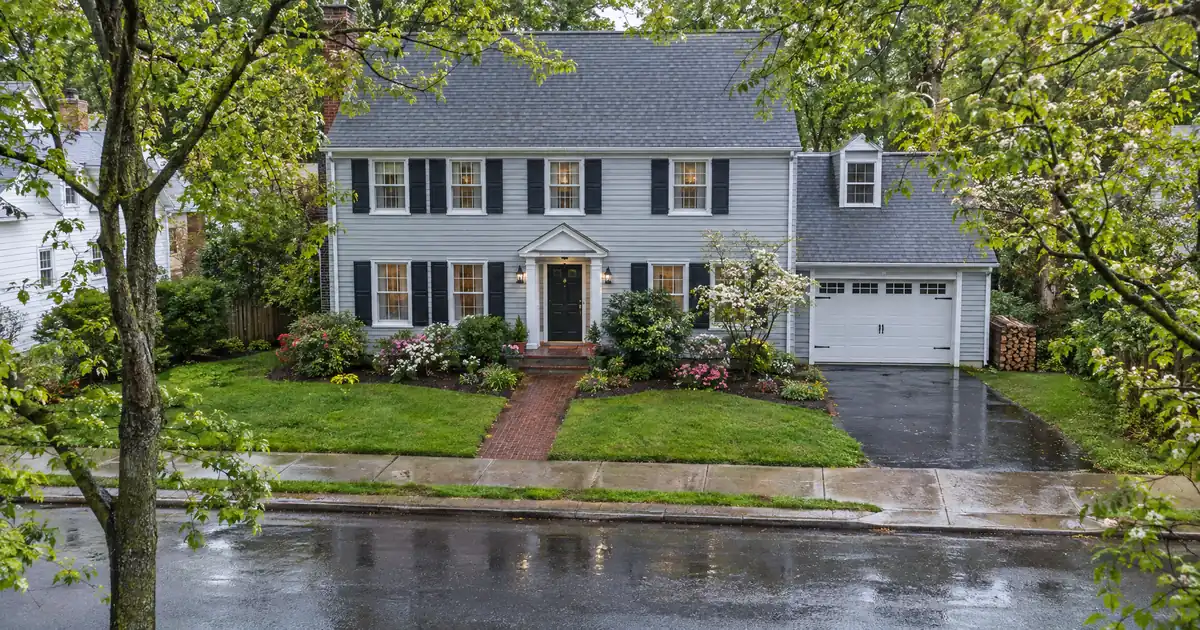
The Quick Read: A conventional loan can finance a vacation home you plan to use yourself, and the agencies call that a second home. Leverage tops out at 90%, below the 95% to 97% available on a home you live in full time. You must occupy the home part of the year, and rental income generally cannot help you qualify. Qualifying also means carrying two housing payments in your ratios.
Key Takeaways
- A second home is one you personally use. It is not a rental business with a mattress in it.
- Second-home purchases go up to 90% LTV (loan-to-value, the loan as a percentage of the price). That means at least 10% down.
- Your debt ratio has to absorb both housing payments.
- Occasional short-term renting can be allowed. A rental pool or a management company running your calendar usually cannot.
- Every figure here is subject to lender guidelines and full file review. Nothing here is a commitment to lend.
What Lenders Mean by “Vacation Home”
A lender does not care what you call it. A lake cabin, a beach condo, a ski place: to the underwriter, it is a second home if you meet a short list of tests.
Conventional payment estimate
The starting figures are an example price at the first-time buyer’s minimum down payment. Replace them with yours.
Editable benchmark: 7.32% as of October 22, 2026 · Freddie Mac 30-year average via FRED®. A conventional market reference, not a conventional loan quote.
Estimate seeded at the low end of Fannie Mae’s published range (0.58%–1.86% a year); the insurer prices the actual premium on the score and the leverage. Applies only above 80% loan-to-value.
Illustrative starting assumptions: a $350,000 price, the first-time buyer’s minimum down payment, a thirty-year term at the current Freddie Mac benchmark, mortgage insurance at the low end of Fannie Mae’s published range, and property taxes and insurance estimated at typical national rates. Every field is editable.
Illustrative estimate only — not a Loan Estimate, approval, quote, or commitment to lend. The rate field carries the weekly Freddie Mac thirty-year conventional benchmark, a market reference and not a conventional loan quote; your rate is set by the lender at lock. The mortgage insurance figure is an editable estimate seeded from Fannie Mae’s published typical range, not a premium quote; the insurer prices the actual premium, and the cancellation month assumes scheduled payments with no extra principal and no change in value. Taxes, insurance and dues are editable estimates; closing costs are not included. Conforming loan limits apply by county. Licensed in sixteen states for consumer mortgages.
Fannie Mae’s occupancy rules set out the tests:
- You occupy the home for some portion of the year.
- It is a one-unit dwelling.
- It is suitable for year-round occupancy.
- You have exclusive control of the property.
Freddie Mac’s Guide Section 4201.12 adds detail. The home must be available primarily for your personal use and enjoyment, defined as more than half the calendar year. It must sit in a location where it can reasonably work as a second home. And it cannot be a timeshare or shared-ownership arrangement.
Here is how common property types usually read:
| Property or use | Typical read |
|---|---|
| Single-family cabin or house | Fits, if you use it personally |
| Condo you use yourself | Usually fits |
| Condo-hotel or rental-pool unit | Usually does not fit |
| Timeshare or fractional share | Does not fit |
| Two-unit property | Treated as investment |
| Home rented out most of the year | Not a second home |
How a Second-Home Loan Is Underwritten, Step by Step
The process looks like a regular purchase loan with a few extra gates. Here is the order a file moves through.
Step 1: You declare occupancy. The application asks whether the home is a primary residence, a second home, or an investment property. Answer honestly. Your answer sets the leverage cap, the pricing tier, and the paperwork.
Step 2: Automated underwriting runs. Freddie Mac requires an “Accept” finding from its automated system for a second home. That is the software’s verdict on your credit, income, assets, and the loan.
Step 3: Your ratios get tested. The total debt ratio ceiling on an automated file is 50%. Your primary housing payment, the new vacation-home payment, and your other monthly debts all go in. Manually underwritten loans run tighter, at 36% or 45%, with reserve and score factors from the Eligibility Matrix. The wholesale programs start at a 620 decision score. Pricing and available terms vary by lender, borrower profile, property type, and full underwriting review.
Step 4: Rental income is set aside. Rental income from a second home generally cannot be used to qualify. If you expect to rent it a few weeks a year, treat that money as a bonus, not as part of the file.
Step 5: Reserves are checked. Reserves are liquid funds left after closing, counted in months of the home’s full housing payment. Borrowers with several financed properties face additional reserve requirements, per the Fannie Mae Eligibility Matrix. Exact months vary by file. Terms vary by lender guidelines, property type, leverage, credit profile, and full file review.
Step 6: The property count is checked. Fannie Mae allows up to 10 financed properties for a second home on an automated loan, counting the new one and any residence you owe on, per the Selling Guide on multiple financed properties. Most buyers are nowhere near that cap.
Step 7: The appraisal comes in. The appraiser values the home against comparable sales. For a seasonal property, such as one with no winter access, Freddie Mac’s guide says the appraiser must include at least one comparable with similar seasonal limits. That proves the home is marketable.
Step 8: Closing paperwork. Second-home loans often carry a rider where you agree to personal use of the home. It reads like a promise, because it is one.
Why the Cap Is 90%, Not 97%
On a home you live in, the agency programs reach 97% LTV (3% down) when one borrower is a first-time buyer. Otherwise they go to 95%. A second home tops out at 90%. Exact terms depend on the lender’s guidelines, property type, leverage, and a full review of the borrower’s file.
The reason is risk. Agency data and underwriting history treat second homes as riskier than a primary residence. When money gets tight, borrowers tend to protect the roof over their heads first. So the program asks for a bigger cushion up front. The Fannie Mae Eligibility Matrix lays out the grid by occupancy, transaction, and unit count.
Mortgage insurance still applies above 80% LTV. You can request cancellation at 80% of the original value with good payment history, no subordinate liens, and no decline in value. The servicer must end it automatically at 78%, under the Homeowners Protection Act. Published typical annual premiums run from 0.58% to 1.86% of the balance. That is a range, not a quote. Your credit and leverage place you inside it. Every figure here varies by lender and program — guidelines, property type, leverage, and credit profile all apply.
A lower down payment is not always the smart choice here. Putting 20% down removes mortgage insurance entirely, and it gives the file more breathing room on ratios. Final terms depend on lender guidelines, property type, leverage, and the borrower’s complete credit picture.
Two Mortgages, One Debt Ratio
This is where buyers get surprised. Your income has to carry both housing payments at once.
Picture a buyer with a comfortable primary mortgage and a good salary. They find a cabin. The lender adds the cabin’s full housing payment, which covers principal, interest, taxes, insurance, and any association dues. It stacks on top of the existing payment and every other monthly debt. If the total pushes past the ratio ceiling, the file stalls. No amount of hoped-for rent fixes that, because the rent is not counted.
The fix is usually one of three moves:
- Put more money down to shrink the new payment.
- Pay off a car loan or card balance to free up ratio room.
- Pick a less expensive home.
A buyer on the edge may find the automated finding is the swing vote. A small credit improvement can change the result. That is worth a conversation before you make an offer, not after.
Can You Rent It Out Sometimes?
Occasionally, yes. The line is about control and purpose, not about whether a guest ever sleeps there.
Freddie Mac’s guide lets you rent the home short-term, but only if it is not subject to a rental pool or agreement that:
- requires you to rent it,
- gives a management company control over occupancy, or
- involves revenue sharing with a developer or another party.
Personal use must still be primary, more than half the year. A home that you rent most of the year, on a calendar someone else manages, is a rental business. That is a different loan category and a different conversation, and this article does not cover it.
There is also a plain-language test used for consumer-credit coverage. The CFPB’s commentary on Regulation Z says a beach house you occupy for a month and rent out the rest of the year still counts as owner-occupied for that rule. Do not confuse that with the second-home definition the agencies use. The two tests answer different questions.
The honest-intent point matters. If your plan is to rent it a lot, say so on the application. Occupancy gets re-verified. An insurance policy that does not match the stated occupancy is a classic red flag, as Fannie Mae’s occupancy quality-control publication notes. A Philadelphia Fed working paper found occupancy misrepresentation has persisted beyond the housing bubble and shows up in agency-backed loans. Calling a second home a primary residence is not a harmless shortcut. A lender that discovers it can re-underwrite the loan on different terms.
Where the General Rule Breaks
The standard second-home rules have edges. Here are the ones that trip buyers most often.
Seasonal access. A cabin with no winter road can still be eligible. The appraisal just needs a similar seasonal comparable.
Condo-hotels and resort programs. If the unit sits in a rental pool or the developer shares revenue, it fails the second-home test.
Two-unit homes. Freddie Mac treats a two-unit property used as a second home as an investment property. Fannie Mae limits second homes to one unit. Neither fits a duplex you want for yourself.
Homes close to where you live. A second home too near your primary residence raises a fair question: why do you need it? Freddie Mac’s wording is that the home must be “in a location where it can reasonably function as a second home.” That wording does not set a fixed mileage number. Treat it as judgment, and expect a question.
Manufactured homes. A manufactured home does not qualify as a second home, so do not count on financing one that way.
Renovation loans. The matrix carries separate second-home limits for renovation financing.
Refinancing a second home later. Cash-out on a second home is capped at 75% LTV, below the 80% on a one-unit principal residence. Under CFPB commentary, a refinance on a second home also does not carry the three-business-day right to cancel that applies to a primary-residence refinance. See the CFPB’s rescission commentary. These specifics are subject to lender guidelines and a full review of property, leverage, and credit.
Waiting periods after credit events are agency rules: four years from a chapter 7 discharge, seven from a foreclosure, and four from a short sale or deed-in-lieu. Shorter periods apply with documented extenuating circumstances.
Fixed, Adjustable, and Everything Else
Most second-home buyers choose a fixed rate. The 97% first-time-buyer lane requires one, but that lane belongs to primary residences, so it does not apply here. On a second home, the choice is yours and your timeline’s. If you plan to hold the property for decades, a fixed structure keeps the payment steady. If you expect to sell or refinance sooner, some borrowers look at adjustable structures. Know that a manually underwritten adjustable rate carries a higher score floor, at 640.
Your Loan Estimate shows the real number for your file.
What Else the Home Costs
The loan is only part of the picture. Budget for these, which vary by location and property:
- Property taxes and homeowners insurance, which can differ sharply from your primary home.
- Association dues, especially in condos and resort communities.
- Utilities running while you are away.
- Maintenance, seasonal opening and closing, and travel.
Other Ways to Pay for It
A conventional purchase loan is not the only route. Some buyers use a cash-out refinance on their primary home. That runs at 80% LTV on a one-unit principal residence, with the first mortgage at least 12 months old. Others tap home equity. Both put your primary home on the line, so weigh that risk carefully. Lendmire’s piece Can You Use a Conventional Loan to Buy a Vacation Home? walks through the same question from the funding side. Terms depend on the lender’s guidelines, the property type, the leverage, and a full review of the credit profile.
Government-backed loans such as FHA and VA are meant for a primary residence, so they generally do not fit a vacation home.
Your Decision, in Practice
Run through these before you write an offer:
1. Decide honestly how you will use the home. If it is mostly yours, a second-home loan fits.
2. Check the property type. Avoid rental pools, condo-hotels, and timeshares.
3. Add the new housing payment to your current payment and monthly debts. See where your ratio lands against the 50% automated ceiling.
4. Plan for at least 10% down. More down means less insurance and more room.
5. Count your reserves after closing.
6. Get a full file review before you shop, not after. The exact numbers vary by lender and program and follow a full review of property, leverage, and credit.
Buyers who plan to run the place mainly as a rental are outside this lane. They need a different kind of financing, and the occupancy rules above would not support their plan.
Lendmire’s conventional loan programs page shows how these loans are arranged through wholesale lenders. Lendmire is a mortgage broker licensed for consumer lending in 16 states, and it brokers the loan rather than lending.
Key Terms Defined
Second home: A one-unit home you personally occupy for part of the year, with exclusive control and no rental pool.
LTV (loan-to-value): The loan amount as a percentage of the home’s price or value.
Mortgage insurance: Coverage on the lender’s risk, required above 80% LTV, that cancels as your balance falls. Final terms depend on the lender’s guidelines, the property type, and the borrower’s complete credit picture.
Reserves: Liquid funds you hold after closing, counted in months of housing payments.
Debt-to-income ratio: Your total monthly debts divided by your gross monthly income.
Automated underwriting: Software that reviews your file and returns a finding, such as “Accept.”.
Frequently Asked Questions
How much down payment does a vacation home need on a conventional loan?
At least 10%, since second homes cap at 90% LTV. A larger down payment of 20% removes mortgage insurance and helps the ratios. The 3% and 5% down options apply to a home you live in, not a vacation home. Each figure is subject to lender guidelines and a complete review of property type, leverage, and credit.
Can I use expected rent to qualify?
Generally no. Rental income from a second home is not used to qualify. Your income has to carry both housing payments on its own.
Can I turn my second home into a rental later?
Your plans at application are what count. Occasional short-term rental can fit, but a rental pool or management control of your calendar does not. A home you buy planning to rent heavily should be disclosed that way from day one.
Does the vacation home have to be far from where I live?
The test is whether the home can reasonably function as a second home, and no fixed distance is the deciding factor. A property very close to your primary residence may draw questions from the lender.
Is a condo allowed?
Often yes, if you use it yourself and it is not in a rental pool or condo-hotel program. The project has to be eligible, and the lender reviews that separately.
For your own numbers, request a scenario review with Lendmire.
About Lendmire
Lendmire is a mortgage brokerage (NMLS# 2371349) licensed for consumer mortgage lending in 16 states, arranging FHA, VA, conventional and jumbo purchase and refinance loans through a wholesale lending network. Eligibility is determined by the lender on each file. Scotsman Guide named Lendmire a Top Mortgage Workplace in both 2025 and 2026.
Get Started
Ready to find the right loan for you?
In about two minutes you can review financing options available for your home or investment property. No commitment required.
Informational only. Not a Loan Estimate, approval, or commitment to lend. Program availability and eligibility are subject to lender guidelines, credit approval, property review, and underwriting.
References
1. Fannie Mae Selling Guide B2-1.1-01, Occupancy Types
2. Freddie Mac Guide Section 4201.12, Second Home Mortgages
3. Fannie Mae Eligibility Matrix
4. Fannie Mae Selling Guide B2-2-03, Multiple Financed Properties
5. Fannie Mae Eligibility Matrix
7. Fannie Mae “Getting It Right” occupancy QC publication
8. Philadelphia Fed Working Paper 23-01
9. CFPB Regulation Z, Right of Rescission
This article is part of Lendmire’s conventional loan program — full qualification details, guidelines, and scenarios live on the program page.
Related reading: How to Finance a Vacation Home With a Conventional Loan · Can You Buy a New Home Before Selling With a Conventional Loan? · Escrow Refund vs Payoff Credit on a Conventional Loan for a Home Seller
Brandon Miller
Founder & CEO, Mortgage Loan Originator, Lendmire LLC
- Mortgage Loan Originator · NMLS# 1129696 · Verify on NMLS Consumer Access
- North Carolina Real Estate Broker · License# 343312 · Verify on NCREC
- North Carolina Insurance Producer · License# 19053198 · Property, Casualty, Life, Health · Verify on NAIC SBS
- Lendmire LLC · Firm NMLS# 2371349 · Verify firm licensure
Important disclosures. Lendmire (NMLS# 2371349) is a licensed mortgage brokerage. Lendmire is not a direct lender, depository institution, or financial advisor. All loan inquiries are subject to lender underwriting; this article does not constitute a commitment to lend. Rates, terms, and program guidelines are subject to change without notice and vary by borrower profile, property type, and state. Information in this article is general in nature and is not financial, legal, or tax advice. Equal Housing Opportunity. NMLS Consumer Access: nmlsconsumeraccess.org.