
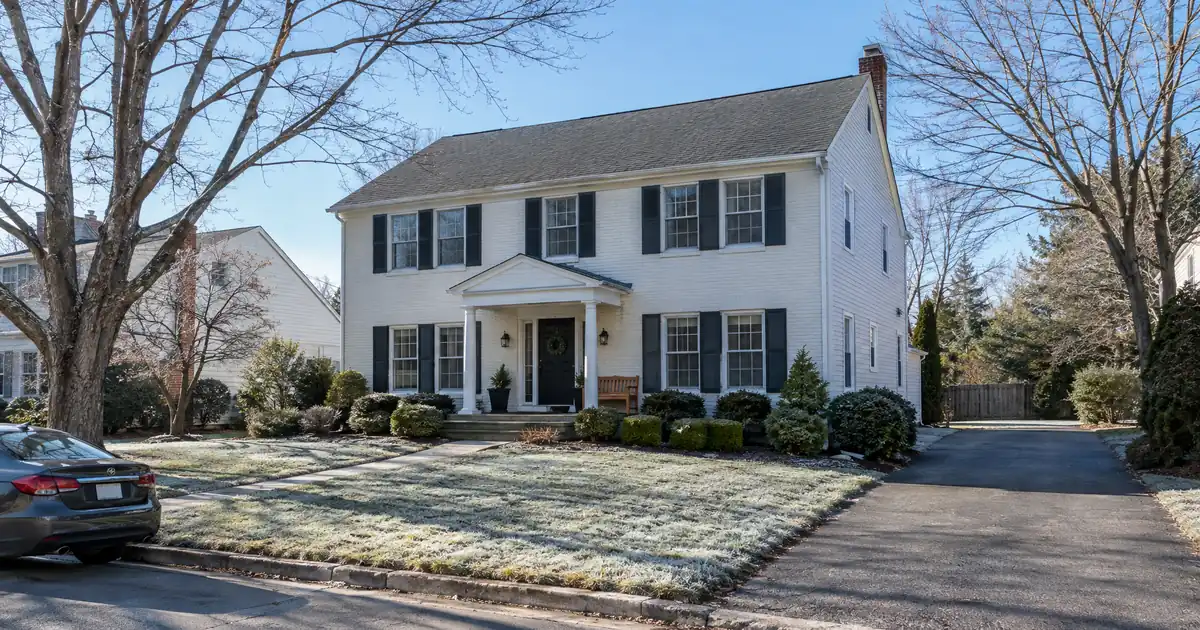
The Quick Read: Documenting market rent with an inherited tenant means pairing the signed lease and proof of payment with the appraiser’s independent market-rent opinion, because most programs in a wholesale lender network qualify the file on the lower of the two. You do not choose the market-rent number. The appraiser builds it from comparable rentals, and your job is to make the lease side of the file clean and provable.
- Most programs use the lower of the lease rent and the appraised market rent. A few lenders lean on actual rent instead.
- A below-market legacy lease becomes the ceiling on coverage. An above-market lease gets capped at market.
- A lease is not proof of rent. Deposits or bank statements show the rent was actually paid.
- An estoppel from the tenant confirms the terms. It does not prove collections.
- Select programs start at 1.00 coverage, and select lenders can go lower with leverage and terms adjusted, subject to lender guidelines.
Picture the inherited-tenant file. A long-term tenant is in place. The previous landlord set the rent years ago, or the landlord has died and the property is moving through an estate. Now you want to buy it or refinance it on rental coverage. The lender has no history with this tenant and no reason to take anyone’s word on the rent. What follows is how the number gets built, what paper supports it, and where these files break.
DSCR Calculator
Run the numbers in your market
Rate source: Freddie Mac 30-yr average via FRED® — Federal Reserve Bank of St. Louis · effective Oct 15, 2026
Prefilled with starting assumptions — enter your own rent or nightly figures, taxes, insurance, and HOA for a more accurate picture.
Program parameters update from Lendmire’s centralized guideline source. Taxes and insurance are editable estimates.
As of Oct 15, 2026 · General Freddie Mac market benchmark, not a Lendmire loan offer. Rent, nightly rate, occupancy, taxes, and insurance are editable estimates. Short-term rental figures are estimates only and vary significantly by season, property type, management approach, and local short-term-rental rules — confirm local regulations before relying on them. Qualifying income for short-term rentals varies by program — some use appraisal market rent, others use documented STR history or projections — and is confirmed in underwriting. Not a Loan Estimate, approval, or commitment to lend. Program availability and eligibility are subject to lender guidelines, credit approval, property review, and underwriting.
Key Terms Defined
Market rent: the monthly rent an appraiser concludes the unit would command, based on comparable rentals and adjusted for differences.
In-place rent: the rent the tenant actually pays under the current lease or arrangement.
Legacy lease: an existing lease signed by a prior owner, often years ago, often below today’s market.
Estoppel: a tenant-completed statement of lease terms, rent, deposit, and any side agreements, confirmed by the landlord and accepted by the buyer.
Rent schedule form: the appraiser’s rent report. For one-unit properties that is Form 1007. For two-to-four-unit properties, rent is built into the small-income-property report, Form 1025.
PITIA: principal, interest, taxes, insurance, and any HOA dues. The denominator in the coverage ratio.
Which Rent Counts With an Inherited Tenant?
The lower of the lease and the appraised market rent counts on most files. Across a wholesale network of DSCR lenders, that is the common method. A small number of lenders lean on actual rent instead, so the method is something to confirm before the appraisal is ordered, not after.
| Lease vs. market | Rent counted | Effect on coverage | Typical response |
|---|---|---|---|
| Lease above market | Market rent | Capped at the appraiser’s number | Model on market, not the lease |
| Lease near market | Either, roughly equal | Little change | Document payments cleanly |
| Lease below market | The lease | Coverage drops, cash-out may shrink | Renew at market, lower leverage, or rethink |
Coverage is gross monthly rent divided by PITIA. Nothing else goes in the calculation. That matters for a second reason: clearing 1.00 is not the same as positive cash flow. Repairs, vacancy, management, utilities, and capex all sit outside the ratio.
The program floor matters too. Select programs start at 1.00 coverage. A separate select-lender path takes coverage below 1.00 with leverage and terms adjusted. Stronger ratios open better pricing and higher leverage. On a purchase, most files land at 75%–80% LTV. On an investment-property cash-out, the ceiling is typically 75% LTV. Credit usually needs to sit around 660 on most programs, with a 620 floor in parts of the network and 700+ unlocking the strongest tiers. All of it is subject to lender guidelines and individual underwriting.
Two misconceptions show up constantly with inherited tenants. First, a long tenancy does not qualify the file. Years in place show stability, but the length of the tenancy is not what gets underwritten. Second, your own rent estimate or the asking rent on a listing carries no weight. Only the lease and the appraiser’s opinion are in play.
What Changes When the Property Is Inherited?
The rent math stays the same. What changes is the chain of proof. Someone has to show who the landlord is, that the lease carries over, and that rent has been flowing.
Start with authority. Whoever signs the loan documents must hold title or have the authority to sign for the property. On an estate property, that can mean the estate, an executor, or heirs who have taken title. Settle that with the lender and the title company before the appraisal is ordered, because the rent documentation depends on it.
Next, the lease. A sale generally does not void an existing lease, and a new owner generally cannot modify it without the tenant’s consent. That is general investor education, not legal advice, and local rules vary. BiggerPockets covers the basic point, though that article is older. The practical result is that a buyer often cannot reset the rent to market before closing. The legacy rent may be the rent you are underwriting.
Then, the deposit trail. If the decedent was the landlord, the borrower has no deposit history of their own. The substitutes are the decedent’s bank deposit records, estate account statements showing rent received, a property manager’s ledger, and tenant payment confirmations. Lenders usually want deposits that match the lease. A manager’s report can help trace gross rent, but it rarely stands alone.
One more point that gets missed: security deposit accounting. When landlord identity changes, the file should show where the tenant’s deposit sits and who now holds the obligation. A tidy handoff reads as a clean file.
How Is the In-Place Rent Documented?
In-place rent is documented with the executed lease plus evidence of payment. The lease says what rent should be. The deposits show what rent is. Underwriting looks for the two to match.
| Document | Who supplies it | Why it matters | If it is missing |
|---|---|---|---|
| Executed lease and amendments | Seller, estate, or manager | Sets the in-place rent figure | Estoppel plus payment history |
| Bank statements or deposit records | Seller, estate, or manager | Proves rent was paid | Estate account statements or manager ledger |
| Tenant estoppel | Tenant, via landlord | Confirms rent, term, deposit, side deals | Written tenant confirmation, still ask for estoppel |
| Rent roll (multi-unit) | Seller or manager | Unit-by-unit view | Build one from the leases |
| Deposit accounting | Seller or estate | Shows who holds the tenant’s deposit | Written transfer or credit at settlement |
An estoppel and a bank statement do different jobs. The estoppel confirms the tenant’s understanding of the terms. Typical fields are rent, term, deposit, any lease modifications, and any verbal side agreements, as described in a BiggerPockets investor thread on buying with tenants and no signed lease. Deposits and statements prove collections. Neither replaces the other.
Verification matters because leases can be altered or forged. A BiggerPockets article on handling inherited tenants says to verify terms with each tenant before purchase. A seller’s rent roll alone is not enough for the same reason.
The paperwork that goes wrong most often on inherited-tenant files is a mismatch. The lease says one number. Deposits show another, or show gaps, or show cash. Explain any mismatch in a short cover note before underwriting finds it. A cover note that says “the prior owner died, the estate held the account, here are the statements” is a routine file. A mismatch with no explanation is a pended file.
How Is Market Rent Documented?
Market rent is documented by the appraiser, not the borrower. The appraisal produces two separate opinions: a value opinion that drives leverage, and a market-rent opinion that drives coverage. The appraiser builds the rent from comparable rentals and adjusts for differences, as explained in Blueprint’s overview of Form 1007. The lease is an input. It is not an override.
The form itself comes from the conventional world. Fannie Mae’s appraiser guidance describes Form 1007 as the form that lets an appraiser document estimated monthly market rent on a single-family investment property, and notes it can also be used for condo investment properties. DSCR programs borrowed the form. They are not bound by the agency selling guide, and the guidelines that govern the file come from the lender.
For two-to-four-unit properties, rents sit inside the small-income-property report, Form 1025. Each property gets its own market-rent conclusion. On a portfolio, those conclusions are then blended into one ratio.
So what can a borrower actually hand over? Not a rent number. But a rent comp summary, current listings and signed leases for similar nearby units, and a manager’s written opinion can help the appraiser see the same market you see. Be candid about what that does. It supports the appraisal. It does not set it.
If the figure comes in low, an appraisal reconsideration request is a normal step. Send recent comparable rentals the appraiser may not have used, with a short note on why they fit. Do it once, with real comps. If the revised number holds, stop pushing and run the file at the number. The appraiser’s figure can also trail current asking rents, since it leans on closed and leased comps rather than listings.
Short-term rentals are a different path. Form 1007 was built for long-term monthly rent, so nightly-stay income gets documented differently. On short-term rental files, expect leverage to top out at 75% on a purchase, and about 70% on a refinance and on cash-out. Expect a 640+ score and about 12 months of hosting history. Short-term rental rules can vary by city, county, HOA, and property type, so investors should confirm local rules before relying on projected rental income.
A Modeled Example: The Below-Market Legacy Tenant
Run the numbers on a hypothetical one-unit rental. This is a modeled illustration, not market data. The investor is buying an occupied house at 75% LTV. The tenant has been there for years under a lease the prior owner signed. The appraiser’s market-rent opinion comes in well above the lease. Terms depend on the lender’s guidelines, the property type, the leverage, and a full review of the credit profile.
Lease controls. Underwriting takes the lower number, which is the lease. Coverage lands near 1.00x. On a program with a 1.00 starting floor, that is borderline. Any bump in taxes or insurance on the new ownership could push it under.
Market would control. If the same tenant were paying market, coverage would sit nearer 1.20x. That is a stronger file, with room for better pricing and leverage.
The gap between those two outcomes is the whole story. On a purchase, it can decide whether the file clears at the leverage you wanted. On a cash-out, it can shrink proceeds, since cash-out tops out around 75% LTV and needs coverage behind it. Cash-out files also commonly expect about 6 months of seasoning.
Your options with the lease-controls result:
1. Renew at market before the appraisal. This works only where the tenancy and local rules allow it, and the tenant has to agree. Ask the lender how it treats a new lease signed shortly before the appraisal, and ask local counsel about notice and rent-increase limits.
2. Lower the leverage. More equity in the deal can lower the monthly payment and lift the ratio. It does not erase credit floors, reserve rules, or property eligibility, though. The strongest files clear both tests: enough equity and enough rental coverage.
3. Look at a sub-1.00 path. Coverage below 1.00 is available through select lenders in the network, with leverage and terms adjusted.
4. Walk, or change the price. A tenant far below market often signals an expected rent increase, as BiggerPockets investor commentary notes. That is upside for a patient owner. It is not income the lender will count today.
On a small multi-unit, the same logic runs unit by unit. A below-market unit and an above-market unit do not average out automatically. Ask how the lender applies the lower-of test, per unit or on the total, before assuming the strong unit covers the weak one.
DSCR vs. conventional financing
There are two common ways to finance an investment property, and they qualify you differently — here’s how investors weigh them.
Why investors choose it
- Qualifies on the property’s rental income — no personal tax returns, W-2s, or pay stubs needed to document income.
- No personal debt-to-income ceiling to clear, so existing mortgages and obligations don’t cap your borrowing the same way.
- Can be closed in an LLC, keeping the property inside a business entity.
- Built for scaling — not held to the limit on number of financed properties that conventional financing applies.
- Underwriting centers on the deal: generally qualifies when the rent covers the payment, a 1.00x coverage ratio being a common baseline (confirmed in underwriting).
- Designed specifically for investment property, including long-term and, where the program allows, short-term rentals.
Where it’s strong
- Often the lowest ongoing financing cost for a buyer who fully qualifies on personal income — a fit for a first property or a cost-first purchase.
Trade-offs for investors
- Requires full personal income documentation and must fit within a debt-to-income limit — salary, existing debts, and other mortgages all count.
- Typically held in your personal name rather than a business entity.
- Caps how many financed properties you can carry, which can become a ceiling as a portfolio grows.
- Evaluates you as a borrower as much as the property, which usually means more paperwork.
How investors usually choose: a first or single property often optimizes for the lowest financing cost; portfolio builders often optimize for leverage, vesting in an LLC, and scaling past conventional caps. The right answer depends on your goals, the property, and current guidelines — both paths run through select lenders in Lendmire’s wholesale network, with eligibility and terms confirmed in underwriting.
Special Tenancies
Most inherited-tenant files have a wrinkle. These are the common ones.
| Situation | How it is usually read | Documentation to expect |
|---|---|---|
| Month-to-month or expired lease | Weaker file, market rent may carry more weight | Expired lease plus receipts or deposits |
| No written lease | Rely on estoppel plus payment history | Estoppel, bank deposits |
| Family or related-party tenant | Payment history carries the most weight | Deposits; a family discount does not lower market rent |
| Rent-stabilized unit | May reflect the legal registered rent, program-dependent | Registration paperwork, lease |
| Voucher or HAP contract | Contract rent usually governs; confirm per program | HAP contract, payment records |
| Vacant property | Only the appraiser’s market rent is in play | Appraisal alone |
A relative who inherited a tenancy, or a long-time informal tenant who pays in cash, is the hardest version. Cash with no deposit trail leaves nothing to reconcile. If the rent is real, put it into a documented stream before you apply. Do not expect a lender to credit rent it cannot trace.
On estate properties, treat odd leases with suspicion. One BiggerPockets thread on a suspected forged lease describes an estate property with a five-year lease at absurdly low rent. The advice there was to require estoppels before closing and to ask for two years of historic rent. Anecdotal, but the pattern is sound.
Red Flags and the Cover Note
Underwriters look for the same patterns on every rent file:
- Cash rent with no matching deposits.
- Late or missing deposits, or gaps in the history.
- Identical rents across every unit.
- Rent behind or a tenant in arrears.
- A lease that does not match what the tenant says in the estoppel.
A short cover note pre-empts most of these. Keep it factual. State the ownership transition, who held the rent account and when, which statements are attached, and what the estoppel confirms. If a month is missing, say so and explain why. Do not pad it. A reviewer who sees the gap named and documented has one fewer thing to chase.
Step-by-Step: Before, During, and After the Appraisal
1. Collect the lease package. Executed lease, amendments, and any renewal. If none exists, start the estoppel process.
2. Build the payment trail. Pull deposit records for the decedent or prior owner, estate account statements, or the manager’s ledger. Match them to the lease.
3. Settle authority. Confirm who holds title and who signs. Clear title issues before the appraisal.
4. Get the estoppel. Have the tenant confirm rent, term, deposit, and side agreements in writing.
5. Ask the lender its rent method. Lower-of, actual rent, or something else. Per unit or total.
6. Decide on renewal. If a market renewal is possible and sensible, do it before the appraisal is ordered.
7. Order the appraisal. Supply the lease package so the appraiser sees it. Do not try to steer the rent opinion.
8. Review the rent figure. If it is low, consider one reconsideration packet with recent comps.
9. Submit the cover note with the file. Explain exceptions before underwriting asks.
Questions to Ask the Lender Before the Appraisal Is Ordered
- Does the program use the lower of lease and market rent, or actual rent?
- Is the test applied per unit or on the combined rent?
- How is a month-to-month tenancy or an expired lease treated?
- How does a lease signed shortly before the appraisal get treated?
- What proof of payment is acceptable if the prior landlord was a decedent?
- What is the reserve expectation at this leverage and loan size? Reserves commonly run around 6 months of PITIA, can step up to about 9 months on loans above $1,500,000, and conservative rate-term files at modest leverage under $1,500,000 can see them waived.
For the broader picture of how the file is reviewed, see Lendmire’s complete DSCR loans guide. For how a lease interacts with rent on a larger purchase, see Lendmire’s piece Does a Tenant’s Lease Set the Rent on a Jumbo DSCR Purchase?.
Two program notes close the loop. DSCR loans are designed for non-owner-occupied investment properties, and because they are business-purpose investor loans, they are reviewed differently from a standard owner-occupied mortgage. And properties such as manufactured homes, log homes, and barndominiums are not offered in the network’s DSCR programs, so confirm the property type before you spend time on rent documentation.
Frequently Asked Questions
Does an inherited tenant’s lease count toward qualifying?
Yes, as one of two inputs. The lease is compared with the appraiser’s market-rent opinion, and most programs use the lower. The lease must also be backed by proof the rent is being paid, such as deposits or bank statements.
Does a below-market lease hurt the file?
It can. A lease below market becomes the ceiling, which pulls coverage down and can shrink cash-out proceeds. Options include a market renewal before the appraisal where allowed, lower leverage, or a select-lender path with adjusted terms.
Do I need deposit history from before I owned the property?
Usually you need some evidence of payment, and on an inherited property that means the prior landlord’s records. Estate account statements, the decedent’s deposit records, or a manager’s ledger can fill the gap. Explain the source in a short cover note.
Can I raise the rent before the appraisal?
Sometimes. A sale generally does not void a lease and the new owner generally cannot change it without the tenant’s consent, so a raise depends on the lease terms and local rules. Confirm with local counsel and ask the lender how a freshly signed lease is treated.
What if there is no written lease, or the tenant is a relative?
With no written lease, lenders lean on an estoppel plus payment history. With a relative, payment history carries the most weight, and a family discount does not lower the appraiser’s market rent. Cash rent with no deposit trail is the weakest version of either.
Can I challenge a low market-rent figure?
You can submit an appraisal reconsideration request with recent comparable rentals the appraiser may not have considered. Do it once, with real comps. If the figure holds, run the file at that number.
If you are buying or refinancing a rental property and want to see how the numbers work, Lendmire can help you compare DSCR loan options based on the property income, credit profile, leverage, and investor goals. Tax treatment varies; consult a qualified professional.
About Lendmire
Lendmire — NMLS# 2371349 — is a DSCR and non-QM mortgage brokerage with investor loan programs in 41 markets, including Washington, D.C. DSCR eligibility is commonly reviewed by the lender around property-level rent rather than personal income documentation, subject to lender guidelines, and the brokerage helps arrange financing for LLC-owned portfolios beyond conventional financed-property limits. Recognized by Scotsman Guide as a Top Mortgage Workplace in 2025 and 2026.
Get Started
Ready to find the right loan for you?
In about 30 seconds you can review financing options available for your investment property. No commitment required.
Informational only. Not a Loan Estimate, approval, or commitment to lend. Program availability and eligibility are subject to lender guidelines, credit approval, property review, and underwriting.
References
1. BiggerPockets, Existing Tenants
2. BiggerPockets forum, Buying With Tenants and No Signed Lease
3. BiggerPockets, How to Handle Inherited Tenants
4. Blueprint, What Is Form 1007
5. Fannie Mae Appraiser Update
6. BiggerPockets investor commentary
7. BiggerPockets thread on a suspected forged lease
This article is part of Lendmire’s DSCR loan program — full qualification details, guidelines, and scenarios live on the program page.
Related reading: How to Document a Lease to a Relative so a DSCR Lender Counts It · Does a DSCR Lender Always Use the Lower of Lease or Market Rent? · Can a Trust Refinance Multi-Market Rentals With a Super Jumbo DSCR Loan?
Brandon Miller
Founder & CEO, Mortgage Loan Originator, Lendmire LLC
- Mortgage Loan Originator · NMLS# 1129696 · Verify on NMLS Consumer Access
- North Carolina Real Estate Broker · License# 343312 · Verify on NCREC
- North Carolina Insurance Producer · License# 19053198 · Property, Casualty, Life, Health · Verify on NAIC SBS
- Lendmire LLC · Firm NMLS# 2371349 · Verify firm licensure
Compliance and disclosures. Lendmire (NMLS# 2371349) is a licensed mortgage broker and is not a direct lender, depository institution, financial advisor, or tax professional. Content in this article is general market analysis and educational information — not financial, legal, or tax advice for any specific situation. Lendmire does not guarantee loan approval; every transaction is subject to underwriting by the funding lender. Mortgage pricing and loan program guidelines are subject to change at any time without notice and vary by borrower characteristics, property type, and state regulations. Lendmire complies with Equal Housing Opportunity. Licensure verification: NMLS Consumer Access.