
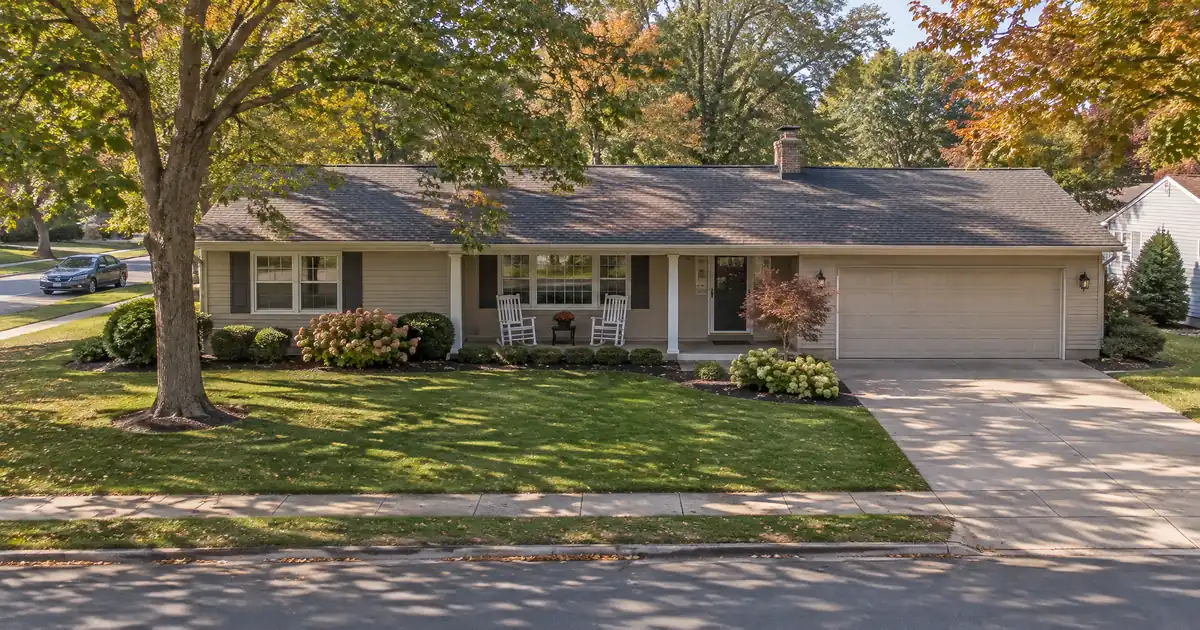
The Quick Read: Yes, but usually less than investors expect: the lender’s appraiser reports a finished basement as separate below-grade space, credits it at a discount to above-grade area, and counts it only when permits, egress, and comparable sales support it, so the new loan is sized on that appraised value rather than on what you spent. A basement can help the appraisal, but it rarely helps as much as the rehab dollars it took to build it.
- The appraiser reports finished basement area on its own line. It does not join the home’s above-grade living area.
- Unpermitted space, or a room without a compliant escape window, may get little or no credit.
- Cash-out on an investment property tops out around 75% LTV across most of the network, so each dollar of appraised value supports at most 75 cents of new loan.
- Your own after-repair estimate never sets the loan. The lender’s appraisal does.
BRRRR stands for buy, rehab, rent, refinance, repeat. The refinance step is where basement decisions get tested. Everything below explains how the appraiser treats the space, what changes the answer, and how to decide whether to finish one before you refinance.
DSCR Cash-Out Calculator
Run the cash-out numbers in your market
Rate source: Freddie Mac 30-yr average via FRED® — Federal Reserve Bank of St. Louis · effective Nov 5, 2026
Prefilled with starting assumptions — enter your property’s value, balance, taxes, and insurance for a more accurate picture.
Program parameters update from Lendmire’s centralized guideline source. Taxes and insurance are editable estimates.
As of Nov 5, 2026 · General Freddie Mac market benchmark, not a Lendmire loan offer. Property value, balance, taxes, and insurance are editable estimates. Maximum loan-to-value varies by lender, program, property type, and seasoning. Not a Loan Estimate, approval, or commitment to lend. Program availability and eligibility are subject to lender guidelines, credit approval, property review, and underwriting.
Key Terms Defined
Gross living area (GLA): The finished, above-ground square footage an appraiser uses to compare homes.
Below-grade: Any space where the floor sits under the surrounding ground level. A level with any wall below grade is generally treated as below grade as a whole.
Egress: A compliant way out of a room in an emergency, usually a window or door of a required size.
Comparable sales (comps): Recent sales of similar nearby homes that the appraiser uses to support a value.
LTV (loan-to-value): The loan amount divided by the appraised value.
Seasoning: The ownership period a lender wants before it will size a cash-out loan on a new appraisal.
DSCR (debt service coverage ratio): Monthly rent divided by the full monthly housing payment: principal, interest, taxes, insurance, and any HOA dues.
How Does an Appraiser Actually Treat a Finished Basement?
The appraiser reports it as a separate item, not as extra square footage. A 2,000-square-foot home with a finished basement appraises as a 2,000-square-foot home that has a finished basement. It does not appraise as a 3,000-square-foot home.
Opendoor makes this point for homeowners, and a practicing appraiser at Volkhaus Appraisals adds a detail investors miss. If any part of a level sits below grade, the whole level counts as below grade. A walkout basement with one buried wall still stays out of above-grade living area.
The discount is where investors get surprised. Redfin puts below-grade finished space at roughly 50-75% of the above-grade per-square-foot value. Other practitioner sources run lower or higher. The honest summary is often roughly half, adjusted by what local sales show.
Basement type matters too. Opendoor cites a smaller discount of about 10-30% for walkout space versus about 30-50% for fully below-grade space. Treat those as rules of thumb. The final adjustment comes from sales in your market.
What Does the Appraiser Do Step by Step?
The lender orders the appraisal, not you. On a 1-4 unit rental the form names you will see are the 1004 for a single-family home, the 1025 for a small residential income property, and the 1007 for the single-family rent schedule. Those are form names only. They do not govern how a DSCR loan is sized.
1. Measure and report. The appraiser records above-grade living area and lists the basement in its own section.
2. Choose comps and adjust. Below-grade area gets compared to below-grade area, and above-grade to above-grade, so the two are never blended into one square-foot figure.
3. Check legal status. The appraiser compares what is visible against county permit and tax records. Finished space with no permit record can be flagged, discounted, or excluded.
4. Test bedrooms. A basement room that lacks compliant egress generally is not counted as a bedroom.
5. Feed the result into loan sizing. The loan is the lower of what the LTV limit allows on appraised value and what the rent coverage supports.
Step five is where basement money meets reality. Rent counts only as far as the appraiser’s market-rent analysis supports it.
Appraised Value, Resale Value, and What You Spent
These are three different numbers, and mixing them up causes most of the disappointment. Your cost is what you paid contractors. Resale value is what a buyer might pay. Appraised value is what the lender’s appraiser can support with local sales. Only the third one sizes the loan.
Remodeling surveys often show basement finishing recovering well under 100% of its cost. Those surveys describe resale, not DSCR appraisals. They are context, not a prediction for your file.
Here is the cash-out arithmetic in plain terms. A cash-out refinance on an investment property tops out at 75% LTV. So even if the appraiser credited the basement dollar for dollar, only 75 cents of each credited dollar becomes new loan. With a discounted credit, the share of your basement spend that comes back through the refinance shrinks further. Terms vary by lender guidelines, property type, leverage, credit profile, and full file review.
Does the Basement Need to Be Permitted and Have Egress?
Yes, if you want reliable credit. Permits and egress are the two items that decide whether finished space counts at all.
Egress rules follow the International Residential Code, section R310, which requires an emergency escape opening in each basement sleeping room. City code sheets such as Sioux Center’s egress summary list the common minimums:
- a net clear opening of 5.7 square feet for a below-grade window,
- at least 24 inches of clear height,
- at least 20 inches of clear width,
- a sill no higher than 44 inches off the floor.
Local adoption varies, so confirm with your building department before you cut a window well.
The checklist below shows how an appraiser typically reacts. Treatment varies by appraiser and lender, so read it as a pattern rather than a promise.
| Basement condition | Typical appraisal reaction |
|---|---|
| Permitted, finished, egress compliant | Credited as finished below-grade area |
| Finished, no bedroom egress | Credited as space, not as a bedroom |
| Unpermitted finish | May be excluded or discounted |
| Visible workmanship or safety defects | Can be called out on the report |
An appraiser may make the value conditional on the unpermitted work being acceptable, and the lender may ask you to resolve it before funding. That is a bad surprise to find out after you have already paid off your bridge loan.
How Does the Comparable-Sales Adjustment Work?
The appraiser looks for recent sales that match your property and prices the differences. If a comp has a finished basement and yours does not, the appraiser adds value to the comp’s price to match your home. The size of each adjustment should come from paired sales in your market.
That is why basements are so market-dependent. In an area where finished basements are rare, there may be little evidence to support a large adjustment. A BiggerPockets thread on a flip appraisal shows the problem, with a commenter saying investors are at the mercy of the comps. The thread is old and anecdotal, but the mechanism it describes is real.
The reverse also happens. Where nearly every nearby home has a finished basement, an unfinished one can be the outlier. Finishing yours may then close a gap with comps more than it adds new value. That can still be worth doing for a refinance, but you should price the goal as matching the neighborhood rather than beating it.
Does a Basement Help Rent Coverage?
Only when it creates legal, rentable space the appraiser’s rent analysis recognizes. DSCR compares rent to the full monthly housing payment, nothing else. Clearing the benchmark is not the same as positive cash flow, because repairs, vacancy, management, utilities, and capital costs sit outside the calculation.
A compliant extra bedroom with a bath can support higher market rent, which improves coverage. An illegal bedroom adds no rent support. As a rough order of value, an extra bathroom tends to come first, a legal bedroom second, and the remaining open space last, though that ranking is qualitative and will vary by market.
Coverage thresholds vary by program. Across the network, 1.00 is where many select programs start, and a separate select-lender path takes coverage below 1.00 with leverage and terms adjusted. Stronger ratios generally open better pricing and leverage. Either way, the lender reviews the file, and every approval is subject to lender guidelines, credit review, and the appraisal.
A basement unit with its own entrance, kitchen, and utilities is a different property type, such as an in-law or accessory unit. Whether it counts depends on local zoning, legality, and how the appraiser handles the rent analysis. Do not assume it adds a unit.
Where the Seasoning Window Changes Everything
Timing can make the basement question moot. Most programs across the network want about 6 months of ownership, measured from title recording, before a cash-out loan is sized on a fresh appraisal. In that case the basement’s appraised value may not matter.
After seasoning, the new appraisal governs. A cash buyer using delayed financing typically recovers documented cost, not the after-repair value. Plan the basement finish so it is complete, permitted, and documented well before the appraisal is ordered.
Finish It or Skip It? A Decision Table
Most investors should treat the basement as a bonus, not the engine of the deal. Kitchens, baths, bedroom count, building systems, and fixing legality problems are usually stronger uses of rehab dollars. Here is how the choice tends to sort out.
| Situation | Good fit or poor fit |
|---|---|
| Neighborhood comps are finished basements | Good fit, closes a gap |
| Space adds a legal bedroom and bath | Good fit, may support rent |
| Few basements in the area | Poor fit, thin comps |
| Unpermitted or no egress | Poor fit until fixed |
| Cost pushes value past top recent comps | Poor fit, spend does not return |
| Refinancing inside the seasoning window | Poor fit, cost basis governs |
An opendoor-style neighborhood ceiling heuristic helps here. Cap your total spend so the finished value lands at or near the top recent comp, not above it. Money spent beyond what the neighborhood has paid for does not come back through the appraisal.
Honestly, this one is a toss-up in many markets. The coverage and equity case can work, but the comp dependence means the downside is real. Underwrite the basement at a steep discount, or at zero if it is unpermitted, and treat any appraisal credit as upside.
What Should You Hand the Appraiser?
Documentation raises the appraiser’s confidence in including the space. Pull together these items before the appraisal is ordered:
- permits and the final inspection sign-off,
- contractor invoices and photos,
- a floor plan that shows egress,
- before and after photos,
- sales of nearby homes with finished basements.
Your lender’s guidelines still decide what the file needs. The appraiser works independently, so you cannot dictate the number. You can only make the supporting evidence easy to find.
Common Mistakes
Counting basement square feet as living area. A listing may include them, but the appraisal will not. That mismatch can hurt a loan or a sale.
Letting your own after-repair estimate drive the plan. The lender’s appraisal sizes the loan, and it may land below your estimate.
Calling a room a bedroom without egress. The label does not survive the appraiser’s check.
Assuming resale survey percentages apply. Cost-versus-value surveys reflect homeowner resales. Appraisers use local paired sales.
Treating unpermitted space as full value. Treatment varies by appraiser and lender, and some give it nothing.
Ignoring property type. Short-term-rental collateral has lower leverage caps, with a cash-out ceiling of 70% on short-term rentals versus 75% on standard rentals, and expectations such as hosting history. Your basement plans should fit the property’s rental use.
Frequently Asked Questions
Does a finished basement count as square footage on a refinance appraisal?
No. Below-grade finished area is reported separately from above-grade living area, and it is priced at a discount. A level with any wall below grade is generally treated as below grade as a whole, even if you finish it beautifully.
Will an unpermitted finished basement add value?
Often not. The appraiser may exclude it, discount it, or note value only if the unpermitted work proves acceptable. Treatment varies by appraiser and lender, so permit and inspect the space before the appraisal if you want it counted.
Can the basement be listed as a bedroom?
Only with compliant egress and a legal build. A basement room with a bed and closet but no compliant escape opening generally is not counted as a bedroom, so it does not support a bedroom-based rent figure.
Does finishing a basement help me pull more cash out?
It may support a higher appraised value, depending on comps and underwriter review. Cash-out on an investment property reaches about 75% LTV across most of the network, and reserves, credit, and rent coverage still apply. The cash you can take is not guaranteed by a basement. Exact terms depend on the lender’s guidelines, property type, leverage, and a full review of the borrower’s file.
What if I refinance soon after buying?
Inside the seasoning window of about 6 months, the loan is commonly sized on cost basis rather than a new appraisal. The basement’s appraised value may not count until you pass that point.
Next Steps Before You Refinance
Start with the comps. If nearby homes with finished basements sell for noticeably more, a permitted, egress-compliant finish may support the appraisal. If they do not, spend the rehab money elsewhere. Lendmire’s piece Finished Basement vs Bedroom Add in a BRRRR Cash-Out Refinance walks through that tradeoff. The complete DSCR loans guide covers the leverage, credit, and reserve ranges that sit behind the appraisal.
If you are buying or refinancing a rental property and want to see how the numbers work, Lendmire can help you compare DSCR loan options based on the property income, credit profile, leverage, and investor goals. Lendmire is a broker that arranges financing through select lenders in its wholesale network across 41 markets, including Washington, D.C. Programs change, and every file is underwritten individually, so nothing here is a commitment to lend.
Investors weighing their equity options can start with Lendmire’s guide to cash-out refinance on an investment property.
About Lendmire
Lendmire (NMLS# 2371349) is a mortgage brokerage built around DSCR investor lending, with programs available in 41 markets, including Washington, D.C. DSCR lenders commonly evaluate rental-income coverage instead of personal income paperwork — a practical fit for LLC-owned and multi-property investors. Terms vary by lender, property, leverage, and program. Scotsman Guide named Lendmire a Top Mortgage Workplace in both 2025 and 2026.
Get Started
Ready to find the right loan for you?
See your offer in seconds. No credit pull, no obligation.
Informational only. Not a Loan Estimate, approval, or commitment to lend. Program availability and eligibility are subject to lender guidelines, credit approval, property review, and underwriting.
References
1. Opendoor
2. Volkhaus Appraisals: Understanding Basement Square Footage in Colorado Appraisals
3. Redfin
4. Sioux Center: Egress Window Requirements
5. BiggerPockets: Finished Basement Appraisal Value
This article is part of Lendmire’s investment property cash-out refinance program — full qualification details, guidelines, and scenarios live on the program page.
Related reading: Where to Get a Short-Term Rental Cash-Out Refinance to BRRRR an Airbnb · What Is a Portfolio DSCR Cash-Out Refinance With Liquidity Requirements? · What Is a Portfolio DSCR Cash-Out Refinance With Typical Closing Costs?
Brandon Miller
Founder & CEO, Mortgage Loan Originator, Lendmire LLC
- Mortgage Loan Originator · NMLS# 1129696 · Verify on NMLS Consumer Access
- North Carolina Real Estate Broker · License# 343312 · Verify on NCREC
- North Carolina Insurance Producer · License# 19053198 · Property, Casualty, Life, Health · Verify on NAIC SBS
- Lendmire LLC · Firm NMLS# 2371349 · Verify firm licensure
Important disclosures. Lendmire (NMLS# 2371349) is a licensed mortgage brokerage. Lendmire is not a direct lender, depository institution, or financial advisor. All loan inquiries are subject to lender underwriting; this article does not constitute a commitment to lend. Rates, terms, and program guidelines are subject to change without notice and vary by borrower profile, property type, and state. Information in this article is general in nature and is not financial, legal, or tax advice. Equal Housing Opportunity. NMLS Consumer Access: nmlsconsumeraccess.org.