
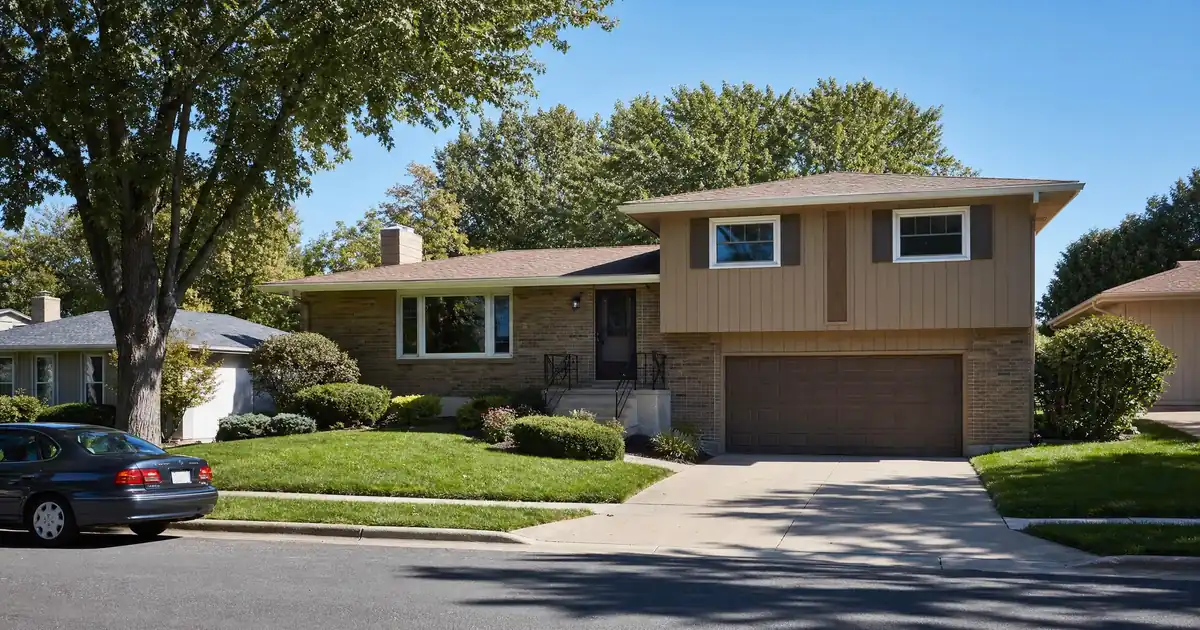
The Quick Read: Yes, you can pull cash out of a rental property held in an LLC. But the lender you choose decides whether the entity stays on title. Conventional lenders usually require the property to move into your personal name before closing. DSCR loans work differently. They’re underwritten on the property’s rental income, not your traditional personal-income documentation. Most DSCR lenders let the LLC close the loan and stay on title the whole time.
DSCR Cash-Out Calculator
Run the cash-out numbers in your market
Rate source: Freddie Mac 30-yr average via FRED® — Federal Reserve Bank of St. Louis · effective Jul 30, 2026
Prefilled with starting assumptions — enter your property’s value, balance, taxes, and insurance for a more accurate picture.
Program parameters update from Lendmire’s centralized guideline source. Taxes and insurance are editable estimates.
As of Jul 30, 2026 · General Freddie Mac market benchmark, not a Lendmire loan offer. Property value, balance, taxes, and insurance are editable estimates. Maximum loan-to-value varies by lender, program, property type, and seasoning. Not a Loan Estimate, approval, or commitment to lend. Program availability and eligibility are subject to lender guidelines, credit approval, property review, and underwriting.
That one difference — transfer-out versus stay-in-place — is the whole story for most LLC-holding investors weighing a cash-out refinance. The rest is just mechanics: seasoning, paperwork, coverage math, and a few edge cases that trip people up.
Key Takeaways
- Conventional and agency-style lenders typically require title to convert from the LLC into your personal name before a refinance can close.
- DSCR loans are business-purpose products built to close directly in the LLC’s name — no transfer required, subject to lender guidelines.
- Cash-out refinances on investment property typically cap around 75% loan-to-value across most of the DSCR lending network, with roughly six months of ownership seasoning expected on most files.
- Moving a mortgaged property into an LLC after the fact carries its own due-on-sale risk — separate from, and unrelated to, whatever refinance you do later.
- Single-member and multi-member LLCs get treated differently for tax reporting, though not necessarily for loan underwriting.
Can You Actually Close With the LLC on Title?
The answer depends on the loan type, not on the fact that it’s an LLC. Agency-style conventional refinancing generally forces the property into your individual name before disbursement. DSCR and other non-QM programs generally don’t ask for that.
This is the fork in the road every LLC investor hits the moment they start calling around for quotes. A conventional lender will often ask you to deed the property out of the LLC, close the refinance in your own name, then deed it back in. That three-step dance works, but it adds legal cost, a trip to the county records office, and a window where the property sits outside the entity’s liability shield. A DSCR lender works differently from the start. It’s set up to close with the entity named as the borrower. Why? Because the loan gets reviewed mainly on whether the property’s rental income covers the payment, subject to lender guidelines — not on your personal debt-to-income ratio.
Here’s why the two paths split so sharply. Fannie Mae’s own selling guide draws a clear line. If a property was owned by an LLC that the borrower majority-controls, that LLC’s holding time can count toward the standard six-month seasoning clock. But to actually close the refinance, ownership has to move out of the LLC and into the individual’s name before disbursement, per Fannie Mae’s Selling Guide. DSCR programs were largely built to remove that exact friction point. Most files in a wholesale DSCR network never touch that transfer requirement at all. The entity applies. The entity signs. The entity stays on title.
Why Conventional Lenders Force the Transfer
Agency-style refinancing runs on a personal-income underwriting model — debt-to-income, traditional personal-income documentation, W-2s. That model assumes a natural person is the borrower of record. An LLC doesn’t fit that box cleanly. So the industry came up with a workaround: transfer out, refinance, transfer back in.
That workaround isn’t wrong. It’s just clunky. Every transfer means a new deed, a trip to the county recorder, and a title company involved twice. Here’s a part that gets skipped a lot: there’s a gap where the individual’s homeowner’s insurance — not the entity’s landlord policy — technically covers the property. None of that is illegal. It’s just friction that a business-purpose loan was designed to avoid.
How DSCR Loans Treat LLC-Held Property Differently
DSCR loans are business-purpose loans built for non-owner-occupied rental property. That classification lets a lender underwrite the deal on the property’s cash flow instead of the borrower’s personal income. Because of this setup, there’s no rule pushing title into an individual’s name. The entity is the natural fit as borrower.
Across a wholesale network of DSCR lenders, an LLC-vested file typically moves through underwriting the same way an individually-vested file does: verify the entity, verify the rent, verify the ratio, close. Most standard cash-out files run at a ceiling around 75% loan-to-value. Most lenders in the network also expect roughly six months of ownership seasoning before they’ll consider a cash-out transaction (rather than a rate-and-term one). Lendmire, a mortgage broker (NMLS# 2371349) that places DSCR investor loans through select lenders in its wholesale network, structures these files with the LLC named directly on the note, depending on program guidelines and the specific lender’s requirements.
Key Terms Defined
DSCR (debt-service coverage ratio): a number that compares a property’s monthly rental income to its full monthly obligation. The higher the number, the more cushion the rent provides above the payment.
PITIA: principal, interest, taxes, insurance, and any association dues. This is the full monthly obligation a DSCR ratio gets measured against, not just the loan payment itself.
Seasoning: the length of time a lender wants you to have owned (or held title to) a property before it will treat a refinance as a cash-out transaction rather than something more restrictive.
Disregarded entity: an IRS tax classification, not a legal one. A single-member LLC is ignored for federal income tax purposes unless it elects otherwise, per the IRS. But it still exists as a real legal entity that can hold title and sign loan documents.
Due-on-sale clause: a provision in most mortgages that lets the lender demand full repayment if title transfers. This includes, in most cases, a transfer into your own LLC.
LTV (loan-to-value): the loan amount expressed as a percentage of the property’s appraised value. This is the ceiling that, along with coverage ratio and credit profile, sets how much equity a cash-out refinance can actually reach.
The Mechanics, Step by Step
Here’s roughly how a DSCR cash-out refinance on an LLC-held rental actually moves through underwriting, start to finish.
1. Purpose classification. The property is confirmed as non-owner-occupied rental. This places it in the business-purpose lane rather than the consumer-mortgage lane.
2. Transaction type. The lender classifies the request as cash-out (versus rate-and-term). This sets the leverage ceiling and triggers the seasoning check — generally around six months of ownership on most files across the network.
3. Entity verification. The lender confirms the LLC’s legal existence and the signing authority of whoever will pledge it: Articles of Organization, an Operating Agreement, a Certificate of Good Standing, and confirmation of the entity’s EIN status.
4. Appraisal and rent determination. An appraiser establishes current market value and documents market rent on the standard rent-schedule exhibit used industry-wide for one-unit properties. A comparable multi-unit form gets used on two-to-four-unit deals.
5. Coverage calculation. Market rent gets measured against the new, larger post-cash-out PITIA to produce the DSCR. Most select programs treat 1.00 as a floor, though this varies by lender. Stronger ratios generally open better leverage and pricing.
6. Closing and vesting. The loan closes with the LLC named as borrower in most DSCR files, backed by a personal guaranty from the controlling member or members. There’s no transfer out and no transfer back.
Three Paths, Three Very Different Rulebooks
Every LLC investor pulling cash out of a rental is really choosing between three structurally different lending paths, and almost nobody puts them side by side. Here’s the comparison that actually matters.
| Path | Who’s on Title at Closing | Ownership Seasoning | How Income Is Verified |
|---|---|---|---|
| Agency / Conventional | LLC must transfer to individual name | LLC time may count, but exit required first | Traditional personal-income documentation, W-2s, DTI |
| DSCR / Non-QM | LLC can stay on title throughout | Roughly 6 months typical, most files | Property rent measured against PITIA |
| Commercial / Portfolio | LLC can stay on title | Varies by lender and portfolio | Entity financials, portfolio-wide review |
The stronger play for most LLC-holding investors is usually the DSCR path. It skips the deed dance entirely and keeps the liability separation intact. That said, an investor with a large multi-property portfolio and a strong relationship with a portfolio lender might find the commercial route pencils out better on aggregate terms, even with different reserve and documentation expectations.
Where the General Rule Breaks
The clean version of this story — “DSCR closes in the LLC, conventional doesn’t” — holds up in most cases. But a few edge cases sit outside that pattern and deserve their own attention.
Moving a financed property into an LLC after closing isn’t free of risk. This is the one investors miss most often, and it has nothing to do with the refinance itself. The Garn-St. Germain Act protects certain transfers — into a living trust, for instance — from triggering a due-on-sale clause. But it does not extend that protection to a transfer into an LLC, even a single-member one you fully control, per Cornell Law School’s text of the statute. Practitioner analysis on this point notes that lenders rarely enforce the clause against a performing loan. Still, the legal exposure exists whether or not it’s ever acted on, according to estate-planning legal commentary on the issue. If you already moved a mortgaged property into an LLC before ever approaching a DSCR lender, that’s a pre-existing condition on the original loan. It’s not something the cash-out refinance creates or fixes.
Buying out a co-owner’s interest inside an LLC needs cleaner paperwork, not just time. If a membership shift happened close to the refinance date — say, after a partnership split — expect the file to get more scrutiny on exactly when and how the ownership percentages changed. Dated, well-documented operating agreement amendments move this along. Vague or undated changes tend to slow underwriting down.
The disregarded-entity tax mismatch can confuse the file. A single-member LLC classified as a disregarded entity generally has to use the owner’s Social Security number or personal EIN for tax reporting, even when the entity has its own EIN for banking. That means a Form W-9 tied to the LLC can list the owner’s personal tax ID rather than the entity’s own number. Left unreconciled, that’s a paper trail mismatch a lender’s closing team has to sort out before funding.
Inherited or legally-awarded property plays by different rules. Property acquired through inheritance or a legal award (rather than a standard purchase) doesn’t fit neatly into a purchase-based seasoning clock. Most non-QM programs handle it case by case rather than applying the standard ownership-length rule.
Single-Member vs. Multi-Member: Does It Change Anything?
The IRS classification differs sharply, but underwriting treatment mostly doesn’t. A single-member LLC is a disregarded entity for federal income tax purposes unless it files to elect corporate treatment. That means the IRS mostly looks through it to you personally for tax reporting. A multi-member LLC is treated as a partnership by default, with its own tax return and allocated distributions to each member.
For DSCR underwriting, that tax distinction rarely changes the loan mechanics. What does change is documentation. A multi-member file needs every controlling member identified, their ownership percentages confirmed, and typically a personal guaranty from each member with material control — not just the one signing the closing paperwork. Distributions of cash-out proceeds among members is a governance question for the operating agreement, not a lending question. Still, it’s worth having that conversation with your CPA before the money moves.
Running the Numbers: A Coverage-Ratio Scenario
Picture an investor holding a small multifamily property inside a single-member LLC, bought outright two years ago with no existing mortgage. The property appraises comfortably within the network’s standard loan-size range. Market rent comfortably clears roughly 1.25x the new monthly obligation once refinanced.
At the network’s 75% cash-out ceiling, that coverage ratio sits well above the 1.00 floor most select programs use as a baseline. That leaves room for a credit-score tier in the 660-700 range to still clear underwriting comfortably. It also leaves room for reserves (commonly around six months of PITIA on standard files, stepping up near nine months on higher loan amounts) to be documented without straining the file. The LLC never leaves title through any of it.
Worth flagging: DSCR clearing 1.00 means rent covers the payment. It is not the same thing as positive cash flow. Repairs, vacancy stretches, property management fees, and capital expenditures all sit outside that ratio and need their own budget line.
Loan sizes on standard programs typically run up to around $3,000,000. Above $2,500,000, the network generally holds to 30-year fixed structures rather than adjustable or interest-only variants.
DSCR files in markets with a heavy concentration of entity-vested rental portfolios tend to follow a recognizable pattern. Coverage often comes in tight on a straight market-rent basis but clears more comfortably once a signed lease or trailing rent roll is documented. The stronger files typically pull both a current lease and an appraiser’s independent rent opinion before the file goes to underwriting.
What Documentation Do Lenders Actually Need?
Lenders verifying an LLC as borrower typically want a specific packet. Having it ready before you apply moves the file along faster than scrambling for it mid-underwriting.
- Articles of Organization filed with the state
- Operating Agreement showing membership percentages and signing authority
- Certificate of Good Standing (current, not expired)
- EIN confirmation letter from the IRS
- A resolution or authorization naming who can sign on the entity’s behalf
- Personal guaranty from the controlling member(s), typically required regardless of entity structure
Missing any one of these tends to be the single most common reason an LLC-vested file stalls in underwriting — not the entity structure itself.
The Investor Decision
If the LLC exists for liability protection and you want to keep it that way through the refinance, DSCR is generally the more direct path. There’s no deed transfer, no insurance gap, and no re-titling paperwork after closing. If you’re already deep into a relationship with a bank or credit union offering favorable portfolio terms across multiple properties, the commercial route might still make sense despite the added documentation. What almost never makes sense, unless there’s a specific reason, is going the conventional/agency route purely to access a lower leverage ceiling. That path requires temporarily dissolving the exact liability separation the LLC was formed to create.
A related question worth asking early: is a cash-out refinance even the right move versus a rate-and-term refinance or holding steady? That’s a separate strategic decision from the entity-vesting question, and it’s worth working through before locking into either, especially if the goal is to pull equity out to fund the next investment property. For a fuller walkthrough of how DSCR loans work generally, Lendmire’s complete DSCR loans guide covers the ratio, the property review, and the underwriting flow from the ground up.
Tax treatment can depend on how the cash-out funds get used and how the property is held. Investors should keep clean records and talk to a qualified tax professional before assuming any deduction applies. Lendmire’s overview of the tax implications of a cash-out refinance on a rental property is a useful starting point for that conversation.
None of the above is legal or tax advice. Entity structuring, due-on-sale exposure, and the tax treatment of cash-out proceeds are all situations where a real estate attorney or CPA familiar with your state and your LLC’s structure should weigh in before you act.
Loan approval is never guaranteed, and nothing here is a commitment to lend. Every scenario described is subject to lender approval and to borrower, property, and program guidelines that can change without notice. Investors should confirm current terms directly with a lender or broker before relying on any figure here.
Frequently Asked Questions
Does the LLC actually get named on the new loan, or does it have to go into my name first?
It depends entirely on the loan type. Conventional/agency-style lenders generally require the property to move into your individual name before closing. DSCR lenders across most of a wholesale network typically close directly with the LLC named as borrower, subject to lender guidelines and entity documentation.
Do I lose the time the LLC has owned the property when I refinance?
No. DSCR programs generally count the LLC’s ownership period toward the roughly six-month seasoning expectation most files carry, without requiring any change in how title is held. That’s a meaningful difference from the agency framework, which allows LLC time to count only if you also exit the entity before closing.
What happens if I already moved a mortgaged property into my LLC before refinancing?
That transfer may have already given your existing lender grounds to call the loan under the due-on-sale clause, since Garn-St. Germain’s protections don’t extend to LLC transfers. It’s a pre-existing risk on the original mortgage, separate from whatever DSCR cash-out refinance you pursue afterward. It’s worth reviewing with an attorney regardless of your next move.
Can a multi-member LLC use a DSCR cash-out refinance the same way a single-member LLC does?
Generally yes, though documentation runs deeper. Every controlling member typically needs to be identified, with ownership percentages confirmed. In most cases, a personal guaranty is needed from each member holding material control, not just the one signing the closing package.
Is there a minimum credit score to do this with an LLC involved?
A 620 floor exists in parts of the network, though most programs prefer scores closer to 660. A 700-plus score typically unlocks the strongest leverage tiers. Entity vesting itself doesn’t change the credit requirement. It’s assessed against whoever personally guarantees the loan.
If you’re weighing whether to cash out an LLC-held rental or restructure the refinance a different way, Lendmire can help compare DSCR loan options based on the property’s income, your credit profile, target leverage, and overall investment goals. Reach the team at 828-256-2183 or request a quote directly through Lendmire’s quote form.
For how equity extraction works on an investment property, see cash-out refinance on an investment property.
About Lendmire
Lendmire (NMLS# 2371349) is a non-QM mortgage broker serving investors in 41 markets including Washington, D.C. Lendmire helps structure DSCR scenarios commonly evaluated around a property’s rental income rather than personal income paperwork, subject to lender guidelines. A Scotsman Guide Top Mortgage Workplace in 2025 and 2026, Lendmire places loans through wholesale investor lenders and is not a direct lender.
Get Started
Ready to find the right loan for you?
In about 30 seconds you can review financing options available for your investment property. No commitment required.
Informational only. Not a Loan Estimate, approval, or commitment to lend. Program availability and eligibility are subject to lender guidelines, credit approval, property review, and underwriting.
References
1. Fannie Mae Selling Guide B2-1.3-03, Cash-Out Refinance Transactions
2. IRS, Single Member Limited Liability Companies
3. Cornell Law School, 12 U.S.C. § 1701j-3 (Garn-St. Germain Act)
4. Paramus Estate Planning, Garn-St. Germain Act and LLC Transfers
This article is part of Lendmire’s investment property cash-out refinance program — full qualification details, guidelines, and scenarios live on the program page.
Related reading: How to Refinance Investment Property Owned by LLC · Do You Need an LLC for a DSCR Loan? · LLC Cash Out Refinance
Brandon Miller
Founder & CEO, Mortgage Loan Originator, Lendmire LLC
- Mortgage Loan Originator · NMLS# 1129696 · Verify on NMLS Consumer Access
- North Carolina Real Estate Broker · License# 343312 · Verify on NCREC
- North Carolina Insurance Producer · License# 19053198 · Property, Casualty, Life, Health · Verify on NAIC SBS
- Lendmire LLC · Firm NMLS# 2371349 · Verify firm licensure
Required disclosures. Lendmire (NMLS# 2371349) operates as a licensed mortgage broker, not a direct lender or depository. The discussion in this article is general in nature and should not be relied upon as financial, legal, or tax advice — every investment scenario is unique and should be reviewed by a qualified professional. Any loan inquiry is subject to lender underwriting, and this article is not a commitment to lend or a guarantee of approval. Mortgage rates, loan terms, and program guidelines vary by borrower, property, and state, and may change without notice. Equal Housing Opportunity. Verify licensure at NMLS Consumer Access.