
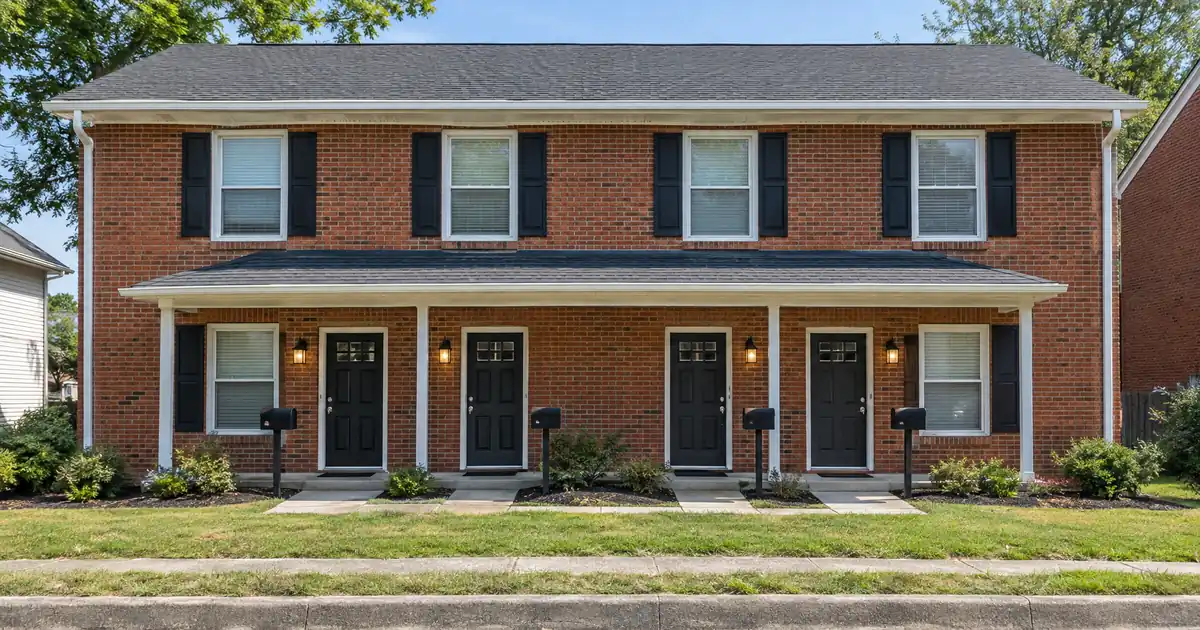
The Quick Read: Phasing a rental line on a 2 to 4 unit property works by sizing it to the whole project, taking the required closing draw for your first and largest cost, then pulling the remaining balance in stages as invoices arrive, with every draw tied to a documented purpose. On an investment property in Lendmire’s wholesale network, at least 75% of the line is drawn at closing, so your first phase is also your biggest one. Lendmire is a broker and arranges these lines through select wholesale partners. Every figure below is subject to lender guidelines and full file review.
- Investment lines in the network cap at 70% combined loan-to-value (CLTV) and $500,000 total, with a 700 minimum credit score.
- At least 75% of the line is drawn at closing, so only a small slice is left for later phases.
- Investment lines run a 5-year interest-only draw period, then a 25-year fully amortizing repayment.
- Approval rests on your credit and debt-to-income ratio (DTI), not on the rent coverage ratio a DSCR loan uses.
- The title must sit with you personally or in a revocable living trust, never in an LLC.
Key Terms Defined
HELOC: A home equity line of credit, a revolving line secured by a property you own, drawn in pieces rather than as one lump sum.
Draw period: The stretch when you can borrow from the line and pay interest only on what you have drawn.
Repayment period: The stretch after the draw period ends, when you pay principal and interest and can no longer borrow.
CLTV: Combined loan-to-value, which adds every loan on the property and divides the total by its value.
Initial draw: The amount you must take at closing. On the network’s investment lines, that is at least 75% of the line.
Source of funds: The paper trail showing where money came from. A later lender may ask you to trace the cash you used for a purchase or a rehab.
Lien waiver: A signed statement from a contractor or supplier confirming they were paid and claim no lien on the property.
DSCR: Debt service coverage ratio, which compares a rental’s income to its full monthly payment. DSCR loans use it. Rental HELOCs do not.
How large a line the equity supports.
An equity line is sized by combined loan-to-value, occupancy, and credit — not by rental coverage. Switch the occupancy or the credit band and the ceiling moves with it.
Investment-property lines require a 700 minimum credit score; second-home lines start at a 640 minimum and primary-residence lines at 600, and the combined-LTV ceiling steps down as the credit band drops on primary-residence and second-home lines and holds on investment-property lines; the line cap steps down on primary-residence lines and holds at every tier on investment-property and second-home lines.
A debt-to-income ratio above 45% requires 680+ credit. Profiles under 640 are limited to single-family homes. At least 75% of the approved line is drawn at closing. Ceilings, floors, and caps update from Lendmire’s centralized guideline source.
Line estimate
Illustrative estimate only — not a quote, Loan Estimate, approval, or commitment to lend. The rate is an editable assumption; equity-line pricing is variable through both the draw and repayment periods and never converts to fixed. Occupancy and credit drive the ceiling together: an investment property tops out at 70% combined LTV (minimum credit 700, line cap $500,000); a second home tops out at 90% combined LTV (minimum credit 640, line cap $500,000), with the ceiling stepping down as the credit band drops (the cap holds at every tier); a primary residence tops out at 90% combined LTV (minimum credit 600), and its $750,000 maximum line is available only at 75% combined LTV or below with a 700-or-better credit profile (720 on the longer-runway program) and a full appraisal. Lines above $500,000 require a full appraisal. Credit, debt-to-income, property type, and full underwriting review all affect the final line.
What Does “Phased” Actually Mean on a Rental Line?
Phased can mean three different things, and most confusion comes from mixing them up. This guide covers all three, but it spends the most time on the second one.
1. Lifecycle phases. Every HELOC has a draw period followed by a repayment period. You do not choose these. The program sets them.
2. Staged draws for one project. You pay for a rehab or a unit turn in installments instead of all at once. This is what most investors mean.
3. Deal-to-deal sequencing. You use the line for one property’s needs, pay it down, then use it again. This works only if the line lets you redraw after a paydown.
On a freely revolving line, staged drawing is easy. You pull what each invoice needs and pay interest only on the balance. That is how most online explainers describe it.
A required closing draw changes the picture. If at least 75% of the line is outstanding on day one, you cannot leave the pool untouched and dip in as bills arrive. Interest accrues on that balance from the start. The skill is matching the line to the work, not stretching the draws across the calendar.
How Do You Size the Line Before the First Draw?
Start with the arithmetic: appraised value times the CLTV cap, minus the balance on any existing mortgage, gives your maximum line. On an investment property in the network, the cap is 70% CLTV. The line also tops out at $500,000, with a $25,000 minimum in most states.
Here is the percentage math without dollar figures. Say a fourplex has a first mortgage equal to 50% of its value. A 70% CLTV cap leaves room for a line of up to 20% of the value. If the property is a paid-off fourplex, the line can sit in first position and the cap is the same 70%.
Credit does not stretch the leverage on an investment line. A 700 score and a 720 score both reach 70% CLTV, and 700 is a hard floor with nothing beneath it. Higher credit above that level buys eligibility, not extra leverage. Primary residences and second homes follow different ceiling tables, so the owner-occupied version of your duplex is a different file. Lendmire’s piece Investment Property HELOC CLTV Caps on a 2–4 Unit Rental walks through that table in more detail.
Valuation matters for phasing, too. Because investment lines cap at $500,000, they usually run on automated valuation with no traditional appraisal. You can request a full appraisal, which may help if recent improvements are not visible in automated data. An improvement may support a higher appraised value, depending on comps and underwriter review, but nothing about it is automatic.
Now the sizing decision that most investors miss. The required closing draw means a bigger line is not a safer line. An oversized line forces idle borrowed cash that accrues interest while it waits for a contractor. Size the line so the closing draw roughly matches your first phase of spending. Let the remaining slice cover contingencies.
What Does a Phased Draw Schedule Look Like?
A draw schedule maps each draw to a real milestone on the property. The table below shows a typical rehab on a 2 to 4 unit building. Treat the shares as a planning frame, not a program rule.
| Phase | What the draw pays for | Trigger | Paper to keep |
|---|---|---|---|
| 1. Closing draw | Deposits, permits, demolition, systems | Line closes | Contracts, permits |
| 2. Unit turns | Finishes unit by unit | Milestone complete | Invoices, photos |
| 3. Contingency | Change orders, surprises | Documented overrun | Signed change order |
| 4. Lease-up carry | Interest while units sit vacant | Turn finished | Draw log entry |
The first phase is large because the program requires it. Phases two through four share the small undrawn balance. Each later draw has a minimum of $1,000 on the 5-year draw structure, with a higher minimum in one state. That minimum is low enough to match most contractor invoices.
Phasing by unit is where a 2 to 4 unit building has an edge over a single-family house. You can turn one unit at a time while the others keep paying rent. That keeps income flowing and spreads the work across draws. It also keeps the carry on the drawn balance covered by occupied units.
Worked Example: One Fourplex, Three Phases
Think of the line as 100 units, so the shares stay clear without any dollar figures. These are modeled assumptions, not market data.
- Phase 1 (at closing): 75 units are drawn, the program minimum. They pay for permits, demolition, and the building systems. Anything not spent right away goes into a dedicated account.
- Phase 2: 15 units pay for finishes on the first two units as milestones close.
- Phase 3: The last 10 units cover change orders and carry during lease-up.
Now the carry. Interest accrues on the whole drawn balance from the first day. The sensible test is whether rent from the occupied units, after normal operating costs, covers interest on the drawn balance with room to spare. Pricing on these lines floats and never converts to fixed. Stress the plan for a higher payment than you see on day one.
Paydown is your lever. Rent surplus and finished-unit rent increases can reduce the balance during the draw period. Whether paid-down room can be redrawn depends on how the specific line is written, so confirm that before you count on it for a later project.
An experience note from the brokerage side: files on 2 to 4 unit rehabs tend to go wrong at the start, not the end. The closing draw is sized to an optimistic scope, and the first contractor invoice lands a month or two behind the plan. Borrowers who keep the idle balance in a labeled account and log every transfer have an easier time on any later refinance.
How Do You Document Each Draw?
Good draw hygiene is boring and valuable. A later purchase lender or refinance lender may want to see where money went, and a clean record makes that painless.
- Draw log. Record the date, amount, purpose, and the milestone that triggered it.
- Dedicated account. Move each draw into one account used only for this property, so the money trail stays short.
- Invoices and photos. Keep a paid invoice and a progress photo for each draw.
- Lien waivers. Collect a signed waiver from each contractor at every payment.
- Lease and rent schedule. Keep the current leases and the unit count proof handy, because occupancy status matters for the line.
Tax treatment can depend on how the funds are used and how the property is held; investors should keep clear records and speak with a qualified tax professional before relying on any deduction.
Where the Rules Change Your Phasing
This section covers where the general idea of a flexible, pay-as-you-go line breaks down. Several program rules reshape what phasing can do.
The closing draw. Federal consumer guidance notes that some HELOC plans require an initial draw when the line is set up, while others do not. The network’s investment lines are in the first group. A line that you expect to leave mostly undrawn is the wrong product for you.
Payments move without new draws. The pricing on these lines floats across the draw and repayment periods. The same agency’s HELOC booklet explains that variable-rate payments can change even if you borrow nothing more. Plan for that, because a higher payment can turn a cash-flowing building into a break-even one.
DTI uses the maximum draw. The line is qualified on the interest-only payment calculated on the maximum draw. That is true even if you plan to draw less. Staging your draws does not shrink the payment the lender tests. DTI tops out at 50%, drops to 45% for credit profiles from 600 to 679, and a ratio above 45% needs a 680 minimum. On an investment line the 700 credit floor already sits above those cutoffs.
Unit count. The network treats 2 to 4 unit properties as eligible. That is not true everywhere. One BiggerPockets poster reported finding lenders for single-family and two-unit rentals but none for three or four units. That is one investor’s experience, not a rule, but it explains why a fourplex owner may have fewer options than a duplex owner. Buildings with five or more units are commercial and are not offered.
Owner-occupied buildings. If you live in one unit, the deal works to the primary-residence tier, which has its own ceiling table and draw structures. Do not apply investment figures to it.
Title. The property must be held by you individually or by a revocable living trust. LLCs, corporations, partnerships, and irrevocable, blind, or land trusts cannot hold title, subject to program terms. If your rental already sits in an LLC, you need a vesting change or a DSCR cash-out instead.
Exposure limits. A borrower is limited to three lines, and anyone owning more than 15 financed properties is not eligible.
Property types not offered. Manufactured homes, co-ops, condotels, log homes, commercial, mixed-use, and agricultural-zoned properties are not offered.
Availability. These lines are available only in Lendmire’s 16 full-service states, which is narrower than its DSCR footprint of 41 markets, including Washington, D.C.
What Happens When the Draw Period Ends?
The draw period ends after 5 years on the investment structure. Borrowing stops, and the line moves into a 25-year, fully amortizing repayment. Principal now comes due along with interest, so the payment steps up.
Federal guidance says some plans in the wider market require the full balance at the end of the draw period. Others allow repayment over a set schedule. The network’s investment structure uses the second approach, so you are not facing a balloon. You are facing a bigger required payment.
Plan the exit before you draw. You have three paths:
1. Pay it from cash flow. The stabilized building covers the amortizing payment with room left over.
2. Refinance. Move the balance into a new loan once the improved rents and value support it.
3. Sell. Pay off the line from the sale, which must clear both liens if the line sits behind a first mortgage.
An exit that depends on a rent increase you have not yet achieved is a risk. Build the plan around the rent the building earns today.
When Should You Skip Phasing?
Skip it when the project is a single invoice, when your income picture is unstable, or when you need most of the money at once. A required closing draw suits a lump-sum need better than a staged one. A wide gap between the first phase and the last is a sign you may want a different tool.
| Factor | Rental HELOC | DSCR cash-out |
|---|---|---|
| Existing first mortgage | Stays in place | Replaced |
| Approval based on | Credit and DTI | Property rent coverage |
| Investment leverage cap | 70% CLTV | Around 75% LTV |
| Entity title | Not allowed | Often allowed |
A DSCR cash-out refinance qualifies primarily on property-level rental income covering the payment, subject to lender guidelines. Cash-out typically tops out near 75% LTV on standard rentals, with about six months of seasoning as the common expectation. Loan sizes reach up to $3,000,000 on standard programs, with smaller balances available through select lenders, and 1.00 is where many select programs start on coverage. A separate select-lender path takes coverage below 1.00, with leverage and terms adjusted. Clearing 1.00 does not mean positive cash flow, since repairs, vacancy, and management sit outside the calculation. Entity-owned buildings fit this route best, and the complete DSCR loans guide lays out the full set of options.
Lendmire’s article Bank HELOC vs Broker Rental Line on a 2–4 Unit Property helps if you are deciding where to place the line itself.
Frequently Asked Questions
Can I draw in stages on a duplex, triplex, or fourplex?
Yes, but only with the remainder after the closing draw. On the network’s investment lines at least 75% of the line is drawn at closing. The rest is available in later draws of $1,000 or more on the 5-year draw structure, with a higher minimum in one state. Size the line so the closing draw fits your first phase.
Do I pay interest on the whole line?
You pay interest on the drawn balance, not the limit. Because most of the line is drawn at closing, the practical result is that most of it accrues interest from the start. Any cash you do not spend immediately still costs you interest until you repay it.
Can an LLC-owned rental take this line?
No. Title must sit with you individually or in an inter vivos revocable living trust. A property already deeded to an LLC needs a vesting change before it can qualify, or a DSCR cash-out becomes the better route.
Is a five-unit building eligible?
No. Properties with five or more units are commercial and are not offered. The network handles single-family and 2 to 4 unit properties, with PUDs, townhomes, and condominiums also eligible.
What if my later phase depends on cash the lender could limit?
Read the line agreement for its freeze and reduction conditions before you count on later draws. That risk is why the first phase should pay for the work that cannot stall. Keep the undrawn slice for contingencies, not for a scope you have not yet funded.
If you are considering a home equity line and want to see how the numbers work, Lendmire can help you compare HELOC options based on the property, the equity available, credit profile, combined leverage, and your goals.
About Lendmire
Lendmire (NMLS# 2371349) is a mortgage broker. Home equity lines of credit — on a primary residence, a second home or an investment property — are arranged through wholesale lenders in Lendmire’s 16 full-service states, and every line is underwritten by the lender under its program guidelines. Scotsman Guide named Lendmire a Top Mortgage Workplace in both 2025 and 2026.
Get Started
Ready to find the right loan for you?
In about 30 seconds you can review financing options available for your home or investment property. No commitment required.
Informational only. Not a Loan Estimate, approval, or commitment to lend. Program availability and eligibility are subject to lender guidelines, credit approval, property review, and underwriting.
References
1. CFPB – What is a home equity line of credit (HELOC)?
2. CFPB – What You Should Know About Home Equity Lines of Credit (booklet)
3. BiggerPockets – HELOC for investment property
This article is part of Lendmire’s investment property HELOC program — full qualification details, guidelines, and scenarios live on the program page.
Related reading: How to Estimate HELOC Payments for a Growing Rental Portfolio · Interest Only HELOC for Investment Property · HELOC Draw Period and Repayment Period Explained
Brandon Miller
Founder & CEO, Mortgage Loan Originator, Lendmire LLC
- Mortgage Loan Originator · NMLS# 1129696 · Verify on NMLS Consumer Access
- North Carolina Real Estate Broker · License# 343312 · Verify on NCREC
- North Carolina Insurance Producer · License# 19053198 · Property, Casualty, Life, Health · Verify on NAIC SBS
- Lendmire LLC · Firm NMLS# 2371349 · Verify firm licensure
Compliance and disclosures. Lendmire (NMLS# 2371349) is a licensed mortgage broker and is not a direct lender, depository institution, financial advisor, or tax professional. Content in this article is general market analysis and educational information — not financial, legal, or tax advice for any specific situation. Lendmire does not guarantee loan approval; every transaction is subject to underwriting by the funding lender. Mortgage pricing and loan program guidelines are subject to change at any time without notice and vary by borrower characteristics, property type, and state regulations. Lendmire complies with Equal Housing Opportunity. Licensure verification: NMLS Consumer Access.