
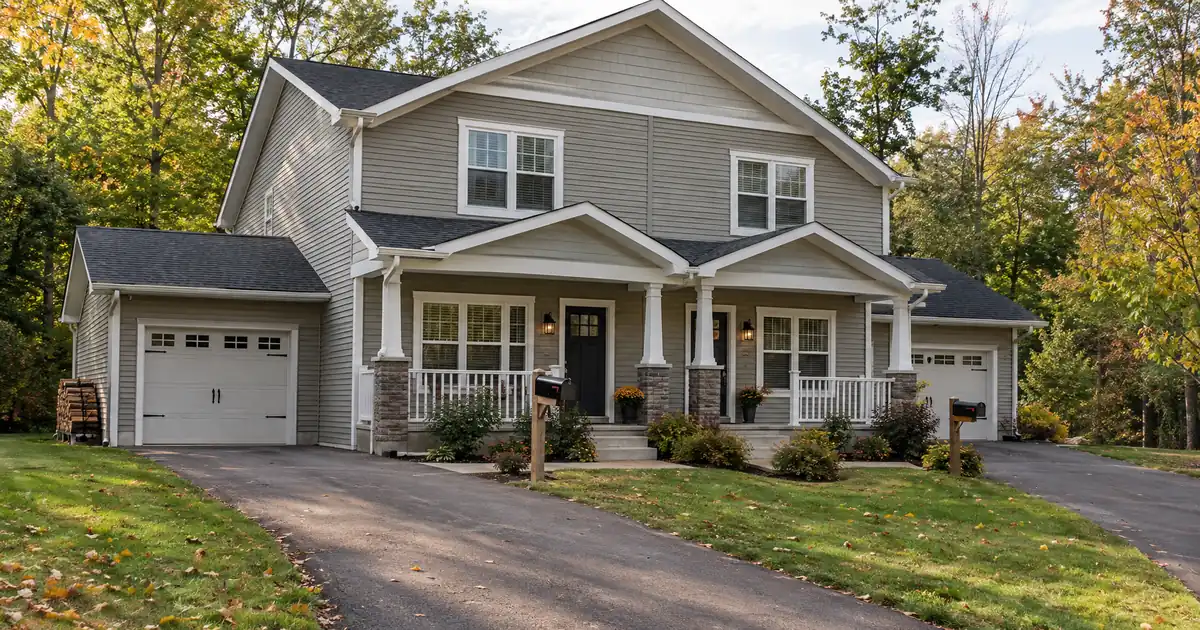
The Quick Read: Usually yes, as long as the roof is still serviceable when the appraiser visits, because the cash from a DSCR cash-out refinance on a rental duplex, triplex, or fourplex can generally be spent on roof work, but a roof that is actively failing can stop the loan before any cash reaches you.
- A rental loan is a business-purpose loan, so repairs and maintenance are normal uses of proceeds, subject to program limits.
- An aging roof with life left usually works; a leaking roof usually means fix first, refinance second.
- Cash-out tops out around 75% LTV on a standard rental, with about 6 months of ownership expected.
- The roof cost is not in the DSCR formula, but the bigger new loan can lower your coverage.
- Clearing 1.00 is not the same as positive cash flow.
Here is the catch. People ask whether the money can pay for the roof. The sharper question is whether the property can get the loan with the roof in its current shape. Those are two different tests, and they fail in different ways.
DSCR Cash-Out Calculator
Run the cash-out numbers in your market
Rate source: Freddie Mac 30-yr average via FRED® — Federal Reserve Bank of St. Louis · effective Oct 15, 2026
Prefilled with starting assumptions — enter your property’s value, balance, taxes, and insurance for a more accurate picture.
Program parameters update from Lendmire’s centralized guideline source. Taxes and insurance are editable estimates.
As of Oct 15, 2026 · General Freddie Mac market benchmark, not a Lendmire loan offer. Property value, balance, taxes, and insurance are editable estimates. Maximum loan-to-value varies by lender, program, property type, and seasoning. Not a Loan Estimate, approval, or commitment to lend. Program availability and eligibility are subject to lender guidelines, credit approval, property review, and underwriting.
Can the Cash Legally Go Toward a Roof?
Yes. Credit used to acquire, improve, or maintain a non-owner-occupied rental is treated as business-purpose, regardless of how many units the building has, per Regulation Z’s business-purpose rule. That exemption fails if you expect to occupy the property more than 14 days in the coming year.
In plain terms, DSCR loans are designed for non-owner-occupied investment properties. Because they are business-purpose investor loans, they are reviewed differently from a standard owner-occupied mortgage.
Two practical points follow:
- The lender is not scoring your roof bill. The loan is reviewed primarily on property-level rental income covering the payment, subject to lender guidelines.
- Programs can still restrict uses. Many wholesale programs limit using proceeds to pay off personal debts or taxes. A roof on the collateral building is about as clean a business use as exists.
Can a Bad Roof Block the Cash-Out?
Yes, and this is where most roof plans break. A DSCR cash-out is a refinance of a rentable, stabilized building. It is not a renovation loan. Across the wholesale network, the appraiser’s condition rating and any flagged deficiencies decide whether the deal can move forward.
An appraisal can come back “subject to” repairs. That means the value is conditional on the roof being fixed, and the lender will want proof, often a re-inspection. You cannot use the loan’s own proceeds to cure the problem that stops the loan.
Appraisers rate condition on a C1 to C6 scale. For contrast only, the agency world treats the lowest tier as ineligible and requires cures first, per the Fannie Mae Selling Guide. DSCR lenders set their own cutoffs, and those cutoffs vary. Most want a building that is rentable today with little deferred maintenance flagged.
| Roof situation | Likely path |
|---|---|
| Minor repair, no leaks | Pay from reserves, or fold into a small cash-out |
| Aging but functional roof | Cash-out is plausible; replace after closing |
| Active leak or failed roof | Fix first, then refinance |
| Roof too far gone to rent safely | Short-term rehab or bridge loan first |
A “functional but tired” roof is the gray zone. Lenders differ, and the appraiser’s judgment drives it. Ask early rather than learning at the appraisal.
What Does the Cash-Out Actually Look Like?
On a standard rental, the cash-out ceiling is 75% LTV. LTV is loan-to-value, the new loan as a share of the appraised value. About 6 months of ownership, measured from title recording, is the usual seasoning expectation. Seasoning is the waiting period between buying a property and refinancing it. Leverage, reserves, and pricing vary by lender and program; the final terms follow the full file review.
Your net cash is the new loan minus your old payoff, closing costs, and prepaids. Prepaids are the taxes and insurance collected up front. A prepayment penalty on the old loan comes out too. Prepayment penalty means a fee for paying a loan off early.
Run the numbers on a triplex with modest equity. If the existing balance is already near the 75% ceiling, there is little to pull, and the roof bill may swallow all of it. If you have owned it for years and the balance is low, the proceeds can cover a replacement with room left. Equity available depends on rent used for lender review, the full payment, reserves, and the 75% cap. It is never a guaranteed figure.
Roofs on 2-4 unit buildings are bigger than single-family roofs, so one project can consume a real share of your proceeds. The calculator on this site can give an illustrative estimate of what the leverage might look like.
Will the Bigger Loan Still Clear Coverage?
This is the part investors skip. DSCR compares monthly rent to PITIA only. PITIA is principal, interest, taxes, insurance, and association dues. The roof cost is not an input.
But cash-out raises the loan balance. A higher balance raises the payment. The same rent now covers a larger obligation, so your ratio can drop. Programs in the network commonly start at 1.00 coverage, and stronger ratios open better pricing and leverage. A separate path through select lenders in the network takes coverage below 1.00, with leverage and terms adjusted.
Insurance is a quiet variable too. Roof age and condition can move the insurance line inside PITIA, which sits in the denominator. Get a fresh insurance quote before you commit to a loan size.
Now the honest warning. Coverage is not cash flow. A building can clear 1.00 and still lose money after vacancy, repairs, management, and utilities, because none of those sit in the formula. If a tenant leaves during a roof job, rent drops while the payment does not.
Cash-Out or Pay First: How to Decide
Consider a fourplex where the roof is near the end of its life but dry. The cash-out route works well here. You refinance, collect the proceeds, hire the roofer, and keep your own cash in reserve. Compare that against paying cash and refinancing later, and the main tradeoff is added debt on the building versus liquidity in your pocket.
Flip the picture. The same fourplex has a stained ceiling in one unit and an active leak. The appraiser flags it. Now the cash-out cannot cure the issue it depends on. Pay for the repair another way, document it, and refinance afterward.
A few rules of thumb:
- Fix it first if there is active water intrusion or the appraisal is likely to come back conditional.
- Cash-out and replace if the roof is aging but dry and your equity is solid.
- Use short-term rehab financing for a full-building replacement in poor shape. That is a rehab, not a refinance.
- Do not refinance only for a roof if you just bought or refinanced. Seasoning may block you, and prepayment penalties on the old note can make a small project expensive.
A repair done before the appraisal may support a higher appraised value, depending on comps and underwriter review. Do not count on a specific lift.
Credit matters too. A 620 floor exists in parts of the network, most programs want around 660, and 700 or more unlocks the strongest leverage tiers. Reserves commonly run about 6 months of PITIA, and about 9 months above $1,500,000. Those figures move by lender, leverage, and loan size. Your complete DSCR loans guide covers the full set.
DSCR vs. conventional financing
There are two common ways to finance an investment property, and they qualify you differently — here’s how investors weigh them.
Why investors choose it
- Qualifies on the property’s rental income — no personal tax returns, W-2s, or pay stubs needed to document income.
- No personal debt-to-income ceiling to clear, so existing mortgages and obligations don’t cap your borrowing the same way.
- Can be closed in an LLC, keeping the property inside a business entity.
- Built for scaling — not held to the limit on number of financed properties that conventional financing applies.
- Underwriting centers on the deal: generally qualifies when the rent covers the payment, a 1.00x coverage ratio being a common baseline (confirmed in underwriting).
- Designed specifically for investment property, including long-term and, where the program allows, short-term rentals.
Where it’s strong
- Often the lowest ongoing financing cost for a buyer who fully qualifies on personal income — a fit for a first property or a cost-first purchase.
Trade-offs for investors
- Requires full personal income documentation and must fit within a debt-to-income limit — salary, existing debts, and other mortgages all count.
- Typically held in your personal name rather than a business entity.
- Caps how many financed properties you can carry, which can become a ceiling as a portfolio grows.
- Evaluates you as a borrower as much as the property, which usually means more paperwork.
How investors usually choose: a first or single property often optimizes for the lowest financing cost; portfolio builders often optimize for leverage, vesting in an LLC, and scaling past conventional caps. The right answer depends on your goals, the property, and current guidelines — both paths run through select lenders in Lendmire’s wholesale network, with eligibility and terms confirmed in underwriting.
If You Plan to Live in One Unit
This changes everything. Once you occupy a unit, you are outside the non-owner-occupied rental lane. The business-purpose treatment can change, and the loan is typically no longer a DSCR product at all. A plan to move in later does not fit either, if you expect to be there more than 14 days in the next year.
Borrowing through an LLC is common, subject to lender program eligibility. It does not change the point that the cash should go to the business purpose.
Records and Tax
Keep the roofer’s estimate, invoices, and proof of payment. Lenders may ask for a business-purpose certification at closing, and clean records protect you if anyone asks later how the proceeds were used. Tax treatment can depend on how the funds are used and how the property is held; investors should keep clear records and speak with a qualified tax professional before relying on any deduction.
Key Terms Defined
- DSCR: debt service coverage ratio, the monthly rent divided by the full monthly housing payment.
- PITIA: principal, interest, taxes, insurance, and association dues, the payment in the denominator.
- Cash-out refinance: a new loan that pays off the old one and returns the extra equity as cash.
- Seasoning: the ownership period a lender wants before it will refinance.
- Capex: capital expenditure, a major building cost like a full roof, as opposed to a small repair.
Frequently Asked Questions
Can I use the proceeds for a roof?
Generally yes. A rental loan is business-purpose, and maintaining the collateral building is a normal use. Programs can still limit certain uses, such as paying personal debts, so confirm the specific program before you plan the spending.
Does a bad roof block the refinance?
It can, depending on its condition. If the appraiser flags active leaks or a poor condition rating, the loan may be conditional on repairs or may not move forward. A roof with age but no active problems is usually treated far more gently, though lenders differ.
Does the roof cost lower my DSCR?
Not directly. The formula is rent over PITIA. The effect is indirect: a larger loan raises the payment, and roof age can raise insurance, both of which can shrink coverage.
Is the cash taxable?
Loan proceeds are generally not treated as income, but how the money is spent affects tax outcomes. A full roof replacement is typically treated differently from a small patch. A qualified tax professional can sort out the details.
What if the roof cannot wait six months?
Pay for it another way first, such as cash or short-term rehab financing, then refinance once seasoning and condition line up. Subject to lender guidelines, a stabilized building refinances more smoothly than one with open repair items.
If you are buying or refinancing a rental property and want to see how the numbers work, Lendmire, a broker arranging DSCR loans through select lenders across 41 markets including Washington, D.C., can help you compare options based on the property income, credit profile, leverage, and investor goals. Reach the team at 828-256-2183, or request a quote.
Roofs get replaced on the building’s schedule, not the loan’s, so the investors who sequence the repair and the refinance deliberately tend to keep the most options open.
About Lendmire
Lendmire is a DSCR-focused mortgage brokerage, NMLS# 2371349, placing investor loans across 41 markets, including Washington, D.C. DSCR eligibility is generally reviewed by the lender around a property’s rental income rather than personal income documentation, which fits LLC-held rentals, self-employed investors, and portfolios scaling past conventional financed-property limits. Scotsman Guide named Lendmire a Top Mortgage Workplace in both 2025 and 2026.
For the mechanics of pulling equity out of a rental property, see Lendmire’s guide to cash-out refinance on an investment property.
Get Started
Ready to find the right loan for you?
In about 30 seconds you can review financing options available for your investment property. No commitment required.
Informational only. Not a Loan Estimate, approval, or commitment to lend. Program availability and eligibility are subject to lender guidelines, credit approval, property review, and underwriting.
References
1. CFPB, Regulation Z §1026.3: Exempt transactions
2. Fannie Mae Selling Guide B4-1.3-06: Property condition and quality of construction
This article is part of Lendmire’s investment property cash-out refinance program — full qualification details, guidelines, and scenarios live on the program page.
Related reading: How to Pay a Fund Capital Call With a DSCR Cash-Out Refinance · Should an Investor With Several Rentals Sell One or Use a DSCR Cash-Out? · How Much a DSCR Cash-Out Can Cover for a Fund Capital Call
Brandon Miller
Founder & CEO, Mortgage Loan Originator, Lendmire LLC
- Mortgage Loan Originator · NMLS# 1129696 · Verify on NMLS Consumer Access
- North Carolina Real Estate Broker · License# 343312 · Verify on NCREC
- North Carolina Insurance Producer · License# 19053198 · Property, Casualty, Life, Health · Verify on NAIC SBS
- Lendmire LLC · Firm NMLS# 2371349 · Verify firm licensure
Important disclosures. Lendmire (NMLS# 2371349) is a licensed mortgage brokerage. Lendmire is not a direct lender, depository institution, or financial advisor. All loan inquiries are subject to lender underwriting; this article does not constitute a commitment to lend. Rates, terms, and program guidelines are subject to change without notice and vary by borrower profile, property type, and state. Information in this article is general in nature and is not financial, legal, or tax advice. Equal Housing Opportunity. NMLS Consumer Access: nmlsconsumeraccess.org.