
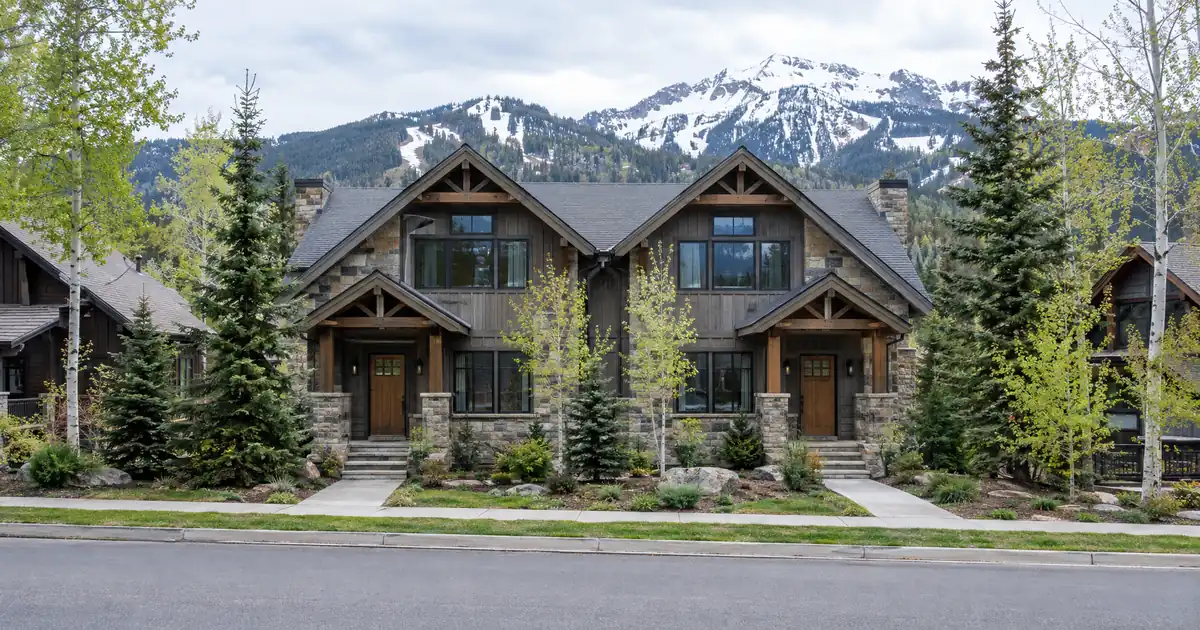
Avery County recorded 0 multi-family units for sale in its most recent Redfin reporting month, next to 141 condos. The town itself has 1,473 residents and a reported rental vacancy rate of 0%. That is a market with plenty of condos and cabins, almost no duplexes, and tenants who have nowhere else to go.
For an investor who already owns here, those facts shape the cash-out file more than any median price does. Equity extraction in Banner Elk is a submarket exercise. This piece covers where the coverage math holds, which appraisal number the file will meet, and what keeps the paperwork clean.
The Quick Read: A cash-out refinance on a Banner Elk, North Carolina rental is underwritten primarily on the property’s rental income measured against its full monthly obligation, including taxes, insurance, and condo dues, with the loan sized under a program LTV ceiling. Documented leases and a complete HOA package decide how clean the file reads.
- A recent condo sale near Sugar Mountain closed at $205,000, against $412,500 for a nearby single-family home (Redfin).
- Reported rental vacancy is 0%, a tight long-term supply (AffordableHousingOnline).
- Buying existing multi-unit stock is mostly off the table, so single units carry the coverage.
- Redfin shows the median sale price up 14.2%; Zillow shows values down 0.3%.
- Cash-out ceilings sit at 75% LTV, with roughly six months of seasoning from title recording.
- Exact terms depend on the lender’s guidelines, property type, leverage, and a full review of the borrower’s file.
Banner Elk Market Snapshot
A quick read on the Banner Elk investor landscape — figures come from the cited sources below. Confirm current property-level numbers before underwriting.
| Metric | Detail |
|---|---|
| Home prices | $625K median (Redfin Housing Market) |
| University enrollment | 910 students (Lees) |
| Population | 1,473 population (Census Reporter (ACS 5-year)) |
| Vacancy | 0% (AffordableHousingOnline.com) |
The Ski-Corridor Condo Tier Is Where Coverage Clears
The condo and chalet stock along the Sugar Mountain and Beech Mountain corridor is the strongest DSCR cash-out candidate in Banner Elk. Acquisition prices run low relative to what a long-term tenant pays. That is the whole coverage story. Stay on the long-term lease side and the file is simple.
A recent Sugar Mountain condo, two bedrooms and two baths at 988 square feet, sold for $205,000 against a $230,000 list. A three-bedroom single-family home in the same reporting window sold for $412,500, per Redfin’s Avery County data. Asking rents on condo listings in that kind of complex sit around $1,450 to $1,900.
Run the numbers on this modeled scenario. These inputs are assumptions, not sourced market data: a condo valued near $205,000, a 75% LTV cash-out, and rent between $1,450 and $1,900. Coverage is calculated on full PITIA, meaning taxes and insurance are included. Before condo dues, that produces a ratio from roughly 1.1x at the low rent to above 1.4x at the high rent. Dues come out of the same denominator, so a heavy HOA assessment pulls the low end toward the 1.00x baseline. Most standard programs are built around that 1.00x benchmark, subject to lender guidelines.
Now model the single-family sale at $412,500 with the same $1,900 rent, again on full PITIA. Coverage lands under 0.8x. Same rent, double the price, and the file stops clearing the baseline. A file like that looks to a lender for compensating factors, lower leverage, or a different structure. None of those is guaranteed.
The ratio itself is plain division. Monthly rent over the full monthly obligation: principal, interest, taxes, insurance, and any HOA dues. For the education version, there is Lendmire’s DSCR walkthrough.
Long-term tenants in the corridor come from the resort and the town: ski-season and summer staff, college faculty, and hospital workers. Sugar Mountain Resort is North Carolina’s largest ski area, with 125 acres of skiable terrain and a 5,300-foot peak. Beech Mountain Resort sits within five miles. Seasonal staffing swells each winter. That is demand from employment, not from a calendar of visitors.
Downtown Cottages and the Lees-McRae Draw
Downtown Banner Elk is the walkable core, and its demand rests on a small number of institutions. Lees-McRae College enrolls about 910 students on a campus at 3,720 feet, the highest elevation of any American college or university east of the Mississippi. In a town of 1,473 year-round residents, that is a lot of students. Add the faculty and staff, and the college generates steady off-campus demand for cottages and small units.
The second anchor is the hospital. Cannon Memorial Hospital, part of UNC Health Appalachian, sits in Linville and has been a designated critical access hospital since December 2005. It is small, but clinical and support staff need housing close by. The school district adds more. Avery County Schools is described as the second-largest employer in the county, though that data is dated and the figure should be treated as directional.
Rents here come with a wide spread. Zillow Rental Manager puts a one-bedroom at $1,200, a three-bedroom at $1,900, and a four-bedroom at $2,850. It shows two-bedrooms at $2,370. A second source shows $1,423 for a two-bedroom. HUD Fair Market Rent runs from $761 to $1,510 depending on unit size, per AffordableHousingOnline. Nobody should read a single figure as the answer. The sample is thin.
About 31% of housing is renter-occupied, per RentCafe, and 31% of rentals are single-family. No building has 50 or more units. A large share of local units are one- and two-bedrooms, which fits the staff and faculty tenant. The flip side: three-bedroom-plus homes draw from a thinner pool. A cottage with a signed lease and a documented rent history is the cleanest downtown file.
Skip the Gated Estates
The golf and mountain-club communities, Elk River, Linville Ridge, Hounds Ears, and Grandfather Golf & Country Club, do not stack well for a long-term-rental cash-out. Prices sit far above the condo tier, and long-term rent does not rise with them. The ratio falls apart before leverage even enters the picture.
These properties skew toward personal use. A file built on a long-term lease of an estate-tier home has coverage that looks like the single-family scenario above, only worse. Investors holding one can still ask a lender to review it. They should expect lower leverage, more reserves, or a structure that leans on something other than long-term rent. That is a conversation, not a plan.
One more property-type note, since this is mountain country. Log homes and barndominiums fall outside the network’s DSCR programs, as do manufactured homes, single- or double-wide. A cabin that looks like a rental candidate may be ineligible on construction type alone. Check that before ordering an appraisal.
No Fourplexes to Buy, So Work With What Exists
The usual DSCR lever for boosting coverage is income stacking. Buy a duplex, triplex, or fourplex, and several rents sit against one loan. In Banner Elk, that lever is mostly unavailable on the acquisition side. With 0 multi-family listings in the county, investors build income one unit at a time or hold the multi-unit property they already own.
That has an effect on cash-out strategy. Investors who already own a legally configured 2-4 unit property near the Tynecastle commercial corridor, the hub at the intersection of NC Highway 105 and NC Highway 184 noted by the Avery County Chamber of Commerce, hold something scarce. Combined rent rolls against a single loan is the cleanest coverage structure available here. Confirm the unit configuration before assuming it. If it isn’t clean, treat it as a single-family file.
For everyone else, the portfolio logic is units of the condo and cottage tier, each cash-flowing on its own, refinanced one at a time. A DSCR cash-out refinance on each is how the equity moves.
Which Number Will the Appraiser Pull?
Banner Elk’s headline prices disagree with each other. Redfin puts the median sale price at $625K, up 14.2% over the year, at $389 per square foot. Zillow puts the average home value at $584,097, down 0.3%. A separate market guide calls the town a stable, long-term hold rather than a rapid appreciation play.
Neither source is wrong. A local agent analysis explains the gap: the town limits, unincorporated Avery County, gated golf enclaves, and the ski-condo belt each behave like their own market. Estate sales pull one median up. Workforce and condo stock flattens another.
Here is the practical consequence. The appraiser pulls comps from the exact submarket, not from a portal. A condo owner who counts on a 14.2% headline gain may find the appraisal built on flat condo comps. An owner who assumes a flat market may be pleasantly surprised. Either way, the cash-out thesis should start from the comp set that matches the property.
(This is also why a Zestimate printout on the file is a weak exhibit.)
Appraisal reconsideration is routine on thin-comp files. A request supported by recent same-submarket sales, with condition and square-footage adjustments laid out, is the standard package. In a town this small, the sale count behind any comp set is low, so one or two closings can move the value. Gather them early.
Seasoning, the 75% Ceiling, and Where the Proceeds Go
Seasoning is the first gate. For a DSCR cash-out refinance, lenders generally look for about six months of ownership, measured from title recording. The settlement statement documents it. Files that assume the clock started at contract get kicked back. Count from recording.
An investor who bought in the last 12 to 18 months may already be past it. That is a real difference from a year-long seasoning window, and it matters more in a market where condo and workforce tiers have moved. But a longer hold gives the appraisal more recent comps to stand on.
The leverage ceiling on a cash-out is 75% LTV. That is not 80%; the higher figure applies to purchases. Other typical parameters, all subject to lender guidelines and borrower, property, and loan scenario:
- A minimum coverage ratio of 1.00, comparing rent used for lender review against full PITIA.
- Credit tiers starting at a 620 floor, with better terms usually available at 660, 680, and 700.
- Reserves of about six months of PITIA, rising to about nine months above $1,500,000.
- Loan amounts up to $3,000,000 on standard programs, with smaller balances routed through select lenders in the network.
Equity available is not a guaranteed figure. It depends on the rent used for lender review, the full obligation, reserves, and the 75% ceiling together. The calculator turns percentages into dollars. This article leaves that to it.
What the proceeds do next is the point. Cash from one Banner Elk condo usually goes into another condo, a cottage, or a reserve position that supports the next file. The reserve requirement shows up again on the next loan, so keeping the proceeds liquid is a reasonable first choice. A broader walkthrough of investment property refinance options covers how rate-and-term and cash-out structures differ.
What Derails These Files
Documentation is where Banner Elk cash-out files lose time, and the problems are predictable.
The HOA package comes first. Roughly 40 to 50 percent of Banner Elk properties sit under a homeowners association, per the same local agent analysis. For a condo, that means a questionnaire and condo certification. An incomplete HOA questionnaire is the most common stall on condo files in resort markets. Dues have to be current in the debt figure. A missing dues number understates the obligation and overstates coverage.
Lease evidence comes second. With rents ranging from $1,423 to $2,370 for a two-bedroom depending on the source, the lender will lean on the actual lease and a market-rent review, not a listing site. A signed lease, deposit proof, and payment history keep that simple. A unit that was personally occupied or run on a seasonal basis needs a market-rent opinion, and that adds one more document to chase.
Entity documents come third. The LLC operating agreement, certificate of good standing, and EIN letter are routine, and they are also the items that sit in a drawer. Title is fourth: a prior-owner lien or an old easement turns up at clearing title and has to be resolved before the deal works.
On resort-adjacent mountain files, the deal desk tends to see the same pattern: the cleaner files from a documentation standpoint arrive with the HOA questionnaire already requested, a lease on hand, and an appraisal-ready comp list from the property’s actual submarket. The common friction point in markets like this one is the gap between the portal price the owner has in mind and the narrower comp set the appraiser uses. Files that close that gap before submission avoid the most expensive surprise.
Taxes, insurance, and local rental rules vary by property and by HOA. Verify them with a local CPA, a licensed insurance agent, and the town or county planning office before underwriting. That covers it. Everything else here is about the loan.
Frequently Asked Questions
How do you qualify for a DSCR loan in Banner Elk?
Qualification centers on the property’s rental income measured against its full monthly obligation, with a baseline of 1.00x on most standard programs. Lenders also review credit, which starts at a 620 floor, plus reserves and the property itself. Condo and HOA documentation is part of the property review. Exact eligibility depends on lender guidelines and the borrower’s file.
What are the requirements for an investment property loan in Banner Elk, North Carolina?
For a cash-out refinance, the typical parameters are up to 75% LTV, about six months of ownership from title recording, and reserves near six months of PITIA. The subject has to be an eligible property type. Manufactured homes, log homes, and barndominiums fall outside the network’s DSCR programs. A signed lease or market-rent review, entity documents for LLC borrowers, and a complete HOA package for condos round out the file. All of it is subject to lender review.
Why do Banner Elk home values look different on every website?
Because the town is a handful of separate markets under one name. Redfin shows a $625K median sale price up 14.2%, while Zillow shows an average value of $584,097, down 0.3%. Estate-tier sales lift one figure, and condo and workforce stock holds the other down. The appraiser uses comps from the property’s own submarket, so that is the number that matters for the loan.
Can a Banner Elk condo work for a cash-out refinance?
Yes, and it is often the best fit in town, with conditions. At sub-$220K values and rents of $1,450 to $1,900, modeled coverage including taxes and insurance can run above the 1.00x baseline, but condo dues pull the number down. The HOA questionnaire and condo certification have to be complete. Lender guidelines and credit approval decide the outcome.
What can slow down a Banner Elk DSCR cash-out refinance?
Incomplete HOA questionnaires, an appraisal built on thin submarket comps, and missing lease evidence are the usual causes. Lendmire arranges DSCR investor loans, and its cash-out programs generally cap at 75% LTV with about six months of seasoning. Collecting the HOA package and the lease before submission removes the most common stall points.
The Real Choice
A Banner Elk owner with seasoned equity faces a two-sided decision. One option is to refinance the condo or cottage now, take the cash, and put it toward another unit in a market with 0% reported vacancy and almost no multifamily for sale. The tradeoff is that the appraisal rides on a thin comp set, and the new obligation has to cover itself on condo dues and all. The other option is to hold, let the sale-price headlines settle, and refinance later against comps that have built up. The tradeoff there is that the equity sits idle while the local price figures keep pointing in opposite directions.
For current guidelines and terms, see Lendmire’s DSCR loan programs page.
About Lendmire
Lendmire, NMLS# 2371349, is a non-QM mortgage broker serving real estate investors in 41 markets, including Washington, D.C., through DSCR investor loan programs. Qualification is generally reviewed around the subject property’s rental income, not the borrower’s W-2 history, which suits LLC-titled portfolios and self-employed investors. All scenarios remain subject to program review and program guidelines. The firm holds two consecutive Scotsman Guide Top Mortgage Workplace recognitions: a 2025 Scotsman Guide Top Workplace and recognized by Scotsman Guide as a 2026 Top Workplace. Investors can request a quote or call 828-256-2183.
For broader investor-financing rules and property-type coverage across the state, see North Carolina DSCR loans.
Get Started
Ready to find the right loan for you?
See your offer in seconds. No credit pull, no obligation.
Informational only. Not a Loan Estimate, approval, or commitment to lend. Program availability and eligibility are subject to lender guidelines, credit approval, property review, and underwriting.
References
1. Redfin
2. Census Reporter — Banner Elk NC
3. AffordableHousingOnline: Banner Elk
4. Redfin: Avery County Housing Market
5. Redfin: Banner Elk Housing Market
6. Wikipedia — Lees 80 College
7. UNC Health Appalachian: Cannon Memorial Hospital
9. Zillow Rental Manager: Banner Elk
11. Avery County Chamber of Commerce
12. Zillow: Banner Elk Home Values
13. Kellyjonesnc.com — what Banner Elks Median Home Price Actually
14. a 2025 Scotsman Guide Top Workplace
15. recognized by Scotsman Guide as a 2026 Top Workplace
This article is part of Lendmire’s investment property cash-out refinance program — full qualification details, guidelines, and scenarios live on the program page.
Related reading: Cash Out Refinance Investment Property Banner Elk North Carolina · DSCR Loans Banner Elk NC: Investor Financing for Sugar Mountain, Beech Mountain, Elk River, Linville Ridge & Real Estate Investors · DSCR Loans Boone NC: Investor Financing for App State, Blue Ridge Parkway, Banner Elk, Blowing Rock & Real Estate Investors
Guides: Investment Property Cash-Out Refinance in Banner Elk, NC · Investment Property Cash-Out Refinance in North Carolina
Brandon Miller
Founder & CEO, Mortgage Loan Originator, Lendmire LLC
- Mortgage Loan Originator · NMLS# 1129696 · Verify on NMLS Consumer Access
- North Carolina Real Estate Broker · License# 343312 · Verify on NCREC
- North Carolina Insurance Producer · License# 19053198 · Property, Casualty, Life, Health · Verify on NAIC SBS
- Lendmire LLC · Firm NMLS# 2371349 · Verify firm licensure
Disclosures. The information presented in this article is general market commentary, not financial, legal, or tax advice. Lendmire is a mortgage brokerage (NMLS# 2371349) — not a direct lender or depository institution — and loan placement is subject to lender underwriting. Nothing in this content represents a commitment to lend. Loan terms, pricing, and program availability vary based on borrower qualifications, property characteristics, and state of subject property, and are subject to change at any time. Lendmire complies with Equal Housing Opportunity requirements. Consumer access: nmlsconsumeraccess.org.