
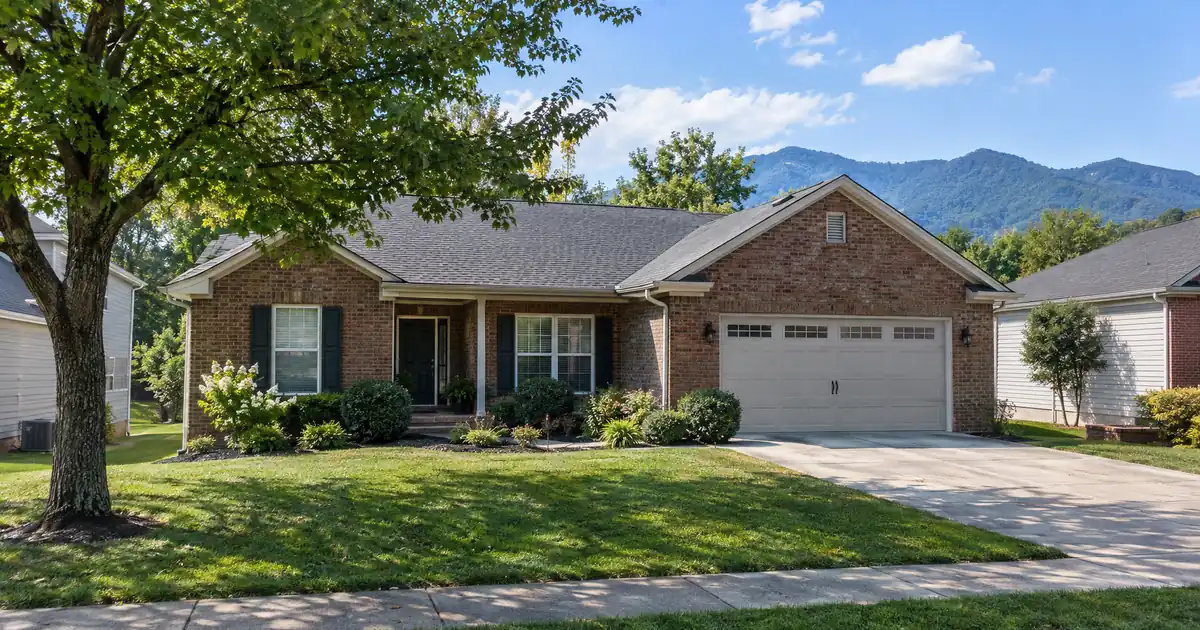
Most investors sizing up a Maryville cash-out are looking for appreciation, and that’s the wrong place to look. Redfin puts the median sale price at $375K, down 1.8% year over year. Equity here comes from how much rent one property can stack against the appraised value the lender will actually use. Two doors on one lot do that better than one.
DSCR Cash-Out Calculator
Run the cash-out numbers in Maryville, TN
Rate source: Freddie Mac 30-yr average via FRED® — Federal Reserve Bank of St. Louis · effective Sep 24, 2026
Prefilled with starting assumptions — enter your property’s value, balance, taxes, and insurance for a more accurate picture.
Program parameters update from Lendmire’s centralized guideline source. Taxes and insurance are editable estimates.
As of Sep 24, 2026 · General Freddie Mac market benchmark, not a Lendmire loan offer. Property value, balance, taxes, and insurance are editable estimates. Maximum loan-to-value varies by lender, program, property type, and seasoning. Not a Loan Estimate, approval, or commitment to lend. Program availability and eligibility are subject to lender guidelines, credit approval, property review, and underwriting.
The Quick Read:
A DSCR cash-out refinance on a Maryville, Tennessee rental is underwritten primarily on the property’s rental income measured against its full monthly obligation. Proceeds are sized by appraised value, the 75% LTV ceiling and reserves rather than personal income documentation, subject to lender guidelines.
- Cash-out is capped at 75% LTV, with about 6 months of ownership seasoning from title recording.
- Maryville’s median sale price sits near $375K and is drifting, so don’t underwrite appreciation.
- Duplexes model in the low-to-mid 1.0s on full PITIA. Single-family houses model just under 1.00.
- Rent sources conflict by hundreds of dollars a month. Name the source before you trust the number. Final terms depend on lender guidelines, property type, leverage, and the borrower’s complete credit picture.
Maryville Market Snapshot
A quick read on the Maryville investor landscape — figures come from the cited sources below. Confirm current property-level numbers before underwriting.
| Metric | Detail |
|---|---|
| Home prices | $400,812 median (Homes.com) |
| University enrollment | 1,151 students (Maryville College Quick Facts) |
The 411 South and Fifth Street Corridor Is Where the Math Points
The strongest cash-out candidates in Maryville are two-door properties on the U.S. 411 S corridor and the infill lots near North Fifth Street. Rent stacks across two doors, the price step per door is smaller than the rent step, and the supply of small multi-unit product is thin.
Per Hoodline, which cites The Daily Times, two new duplex projects are moving forward. One is 13 duplexes off U.S. Highway 411 S and the other is a single duplex on North Fifth Street. The same report cites a forecast need for 1,734 additional housing units over five years. It’s a secondary aggregator, so treat the forecast as directional. The pattern still tells you where builders and buyers see demand.
Homes.com lists Maryville multi-family from $390,000 to $1,650,000, with an average of 39 days on market. One new-build duplex on that page runs 3 bedrooms and 2.5 baths per side. A separate Homes.com new-homes listing describes a city lot approved for a 5-plex and notes that few city lots are available for multifamily. Scarcity of small multi-unit product supports an appraiser’s comps, and it supports your exit if you ever sell.
The catch: I found no sourced fourplex or triplex inventory data for Maryville. Duplexes are the documented product. Anything bigger is a case-by-case conversation.
What the Rent Sources Say
Maryville rent data is a mess. Figures vary widely depending on the source and property type, and the gap between apartments and houses is the whole story. Never quote a single figure without naming where it came from.
| Source | Unit type | Reported rent |
|---|---|---|
| Rentcafe | Apartment, 2BR | $1,503 |
| Rentcafe | Apartment, 3BR | $1,711 |
| Zumper | Average apartment | $1,250 |
| Zumper | Average house | $2,185 |
| Rentcast via Prop:Metrics | 2BR median | $1,410 |
| Rentcast via Prop:Metrics | 3BR median | $2,300 |
Rentcast reports a citywide average of $1,970 and a 7.1% year-over-year gain, measured in ZIP 37801. Rentcafe’s apartment-only data shows a 0.31% decline. Zumper’s listings page shows rents down 3.08% while its research page shows a 6% increase. Those trends can’t all be right.
The practical read is that houses and duplex doors rent well above the average apartment. Underwrite off the lower credible figure, then let the appraiser’s rent schedule confirm the upside. A cash-out file built on the outlier Rentcast growth number is a file that comes back short.
Modeled Coverage: Duplex Versus Single-Family
On modeled inputs, a duplex clears 1.00 with room to spare and a single-family house lands just under it. Full PITIA is the denominator. That includes taxes and insurance, and skipping them is the most common way investors flatter their own math.
Run the numbers on a property appraised at $400,000, which sits just above the low end of the Homes.com multi-family range. Assume 75% LTV. Everything below is a modeled assumption, not sourced market data, and the coverage bands include taxes and insurance. These specifics are subject to lender guidelines and a full review of property, leverage, and credit.
Single-family house. Assume rent between $2,185 (Zumper’s average house) and $2,300 (Rentcast’s 3-bedroom median). Coverage lands around 0.94 to 0.99. That’s sub-1.00.
Duplex, two 2-bedroom doors. Assume $1,250 per door on the low end (Zumper’s average apartment) and $1,410 per door on the high end (Rentcast’s 2-bedroom median). Coverage runs roughly 1.05 to 1.2. A newer 3-bedroom, 2.5-bath build would likely rent above those door figures, but underwriting off the conservative number is the honest approach.
Notice what that comparison does. The duplex’s edge is not an enormous rent premium. It’s two rent streams against a price that doesn’t double. The duplex also spreads vacancy risk, since one empty door leaves half the income running. A single-family house has one tenant and one point of failure.
Sub-1.00 files aren’t dead, but they get harder. Select lenders may review a sub-1.00 program, an interest-only structure or reduced leverage, each with its own pricing and reserve implications. All of it is subject to lender guidelines, credit approval and property review. A house at 0.97 with strong credit and extra reserves is a different conversation than the same house with a 620 score.
The standard benchmark is 1.00x because rent covers the payment at that level. If you’re comparing this to a conventional refinance, the guide “Where DSCR and Conventional Diverge” comes down to this: DSCR looks at the property, conventional looks at you.
Plumbing: Seasoning, Appraisal and the Documents That Slow Files Down
Seasoning is about 6 months of ownership, measured from title recording. The bigger constraint in Maryville is the appraised value, because proceeds depend on it. Given flat pricing, don’t assume a large equity jump after a short hold.
The Kings of Real Estate local brokerage guide puts the median near $350,000, up roughly 4%, with about 2.5 months of supply versus 1.8 months earlier. It says overpriced listings are sitting longer than they were a couple of years ago. It’s a broker marketing source, and its median conflicts with the $400,812 Homes.com figure. Homes.com reflects listing prices while Redfin reflects closed sales, so the spread is partly a methodology gap. The same guide cites new construction in the $320K–$480K range along the Topside Road corridor and near Louisville, which is where appraisers may pull comps. If your older duplex is being measured against new builds, expect the appraisal conversation to be about condition and finish, not just location.
The documentation that usually decides how smoothly a file moves:
- Executed leases on every door, or a market rent schedule if a unit is vacant.
- Proof of hazard insurance that matches the appraised structure, including any required flood coverage.
- Clean entity paperwork if the property sits in an LLC, subject to lender program eligibility.
- Title evidence showing the recording date that starts the seasoning clock.
Property type matters too. Manufactured homes, log homes and barndominiums fall outside these DSCR programs. Maryville has plenty of rural-edge product, so check the structure before you build a plan around it.
Here’s what Lendmire’s deal desk tends to see on files from small, flat-price markets like this one. The friction point is rarely the ratio. It’s a rent figure the borrower assumed from an aggregator that doesn’t match what the appraiser’s schedule supports. The cleaner files come in with leases in hand, an insurance quote priced to the current structure and a clear picture of what the property would appraise for. Files that skip those steps tend to get re-cut mid-process.
Coverage sets the ceiling on what the lender will size. The qualification rules set the frame, and the refinance types are worth comparing side by side. For the equity mechanics specifically, pulling equity out covers the LTV and reserve structure. Typical guidance is about 6 months of PITIA in reserves, rising to about 9 months above $1,500,000, and a credit floor of 620 with tiers at 660, 680 and 700. Standard programs run up to $3,000,000. Review details are subject to lender overlays.
Downtown, College Hill and Heritage Hills (Skip These for Cash-Out Yield)
The historic core is a good place to live and a weak place to build a cash-out thesis. Downtown Maryville and the College Hill Historic District carry character and a strong location, but pricing there reflects that, and nothing in my research supports a rent premium to match. Heritage Hills and Wimbledon are more owner-oriented than duplex-oriented, so there’s little multi-door product to work with.
Student demand is the tempting story, and it’s smaller than it looks. Maryville College reports enrollment of 1,151 on a 263-acre campus, and The Daily Times reports 1,191 confirmed for the coming academic year, a 4.1% increase. US News says 77% of students live in college-affiliated housing. Roughly 270 students are left in the off-campus pool. It’s a supplement, not a foundation. The Kings guide calls rental demand strong near the college, but no source gives a measurable rent premium, so don’t underwrite one.
Honestly, the strongest play might be the corridor over the core for pure coverage, though investors with a long horizon and owner-occupant exit optionality could argue for holding historic-district product regardless.
Who Pays the Rent: Manufacturing, Healthcare and a Relocated Headquarters
Maryville’s tenant base is spread across manufacturing, healthcare and aviation, not one dominant employer. That diversification supports the stable-occupancy story a lender wants to see. The city’s population is 32,392 per Census Reporter, with a median age of 40.8.
Data USA shows 15.8k employed residents. The top sectors are health care and social assistance (2,204), educational services (2,035) and manufacturing (1,683). The Blount Chamber reports more than 100 manufacturing plants in the county and lists DENSO, Blount Memorial, Arconic, ProNova Solutions, Amazon, Smith & Wesson and Cirrus Aircraft among principal employers. Blount County government adds Clayton Homes and the McGhee Tyson ANG Base to its largest-employer list. None of those sources gives headcounts, so don’t cite any.
Blount Memorial is the healthcare anchor. WATE describes it as a 304-bed hospital and the county’s second-largest employer, though that reporting is older. Registered nurses are the top job group among residents of the Maryville and Alcoa area, at 2,194 people. Nurses on shift schedules tend to lease longer and hold steady income, which is what a two-door rental wants.
The differentiator is Smith & Wesson. The Daily Times reported a 650,000-square-foot headquarters campus on Proffitt Springs Road with a wage floor of $25.97. Roughly 550 positions were relocating from Massachusetts. Few Tennessee cities this size land a publicly traded headquarters. Relocating employees rent before they buy, and the airport-and-Proffitt Springs area near McGhee Tyson is where that demand lands first.
Where the Proceeds Go (and What Competes With Them)
Cash-out proceeds are worth what you can redeploy them into, and Maryville’s constraint is product, not capital. Thin city lots and a small duplex pipeline mean the next deal might be a second small multi-unit or a workforce house, not a large acquisition. Proceeds also sit against a market where the median sale price is roughly flat and days on market run 61.
DSCR vs. conventional financing
Two common ways to finance an investment property in Maryville, TN. They qualify you differently — here’s how investors weigh them.
Why investors choose it
- Qualifies on the property’s rental income — no personal tax returns, W-2s, or pay stubs needed to document income.
- No personal debt-to-income ceiling to clear, so existing mortgages and obligations don’t cap your borrowing the same way.
- Can be closed in an LLC, keeping the property inside a business entity.
- Built for scaling — not held to the limit on number of financed properties that conventional financing applies.
- Underwriting centers on the deal: generally qualifies when the rent covers the payment, a 1.00x coverage ratio being a common baseline (confirmed in underwriting).
- Designed specifically for investment property, including long-term and, where the program allows, short-term rentals.
Where it’s strong
- Often the lowest ongoing financing cost for a buyer who fully qualifies on personal income — a fit for a first property or a cost-first purchase.
Trade-offs for investors
- Requires full personal income documentation and must fit within a debt-to-income limit — salary, existing debts, and other mortgages all count.
- Typically held in your personal name rather than a business entity.
- Caps how many financed properties you can carry, which can become a ceiling as a portfolio grows.
- Evaluates you as a borrower as much as the property, which usually means more paperwork.
How investors usually choose: a first or single property often optimizes for the lowest financing cost; portfolio builders often optimize for leverage, vesting in an LLC, and scaling past conventional caps. The right answer depends on your goals, the property, and current guidelines — both paths run through select lenders in Lendmire’s wholesale network, with eligibility and terms confirmed in underwriting.
Watch the apartment competition. RentCafe shows 66% of apartment buildings were built since 2000 and about 95% of rental communities are low-rise garden-style. New product also shows up next door, with Vintage Hunters Crossing described as a brand-new rental community in Alcoa. New garden-style units compete for the same renters as small multi-unit and single-family owners. Underwrite conservatively and don’t assume rent growth in the refinance appraisal.
There’s a mild offset. Zumper says Maryville’s median rent runs about 8% above Alcoa’s, which suggests some pricing power for the city’s product. A house at $2,185 versus an apartment at $1,250 also shows a clear premium for space. Renters wanting 2–3 bedrooms have fewer options in the small multi-unit category, and that’s the niche a duplex fills.
Timing is the other lever. A short hold produces little equity, so the cleaner cash-out cases here are properties bought below market, improved or held past the seasoning mark. DSCR loan options for Tennessee investors cover the broader state picture, and a DSCR quote will show what a specific file supports. For local rules, taxes and insurance, verify current details with qualified local professionals.
Frequently Asked Questions
How do you qualify for a DSCR cash-out refinance in Maryville, Tennessee?
The file is reviewed primarily on the property’s rent against its full PITIA, with 1.00 as the standard minimum. Credit typically starts at a 620 floor, with better terms at 660, 680 and 700, plus reserves of about 6 months. Eligibility depends on lender guidelines, credit approval and property review.
What are the requirements for an investment property loan in Maryville, Tennessee?
Cash-out is capped at 75% LTV, and the property generally needs about 6 months of ownership from title recording. Expect a rent schedule or leases, insurance and an appraisal. Manufactured homes, log homes and barndominiums fall outside these programs, and standard programs go up to $3,000,000.
Does a duplex or a single-family house work better for cash-out in Maryville?
A duplex, on modeled numbers. Two apartment-quality doors at Zumper’s average of $1,250 gross more than Zumper’s $2,185 average house, and the price step per door is smaller than the rent step. Single-family houses model just under 1.00 on full PITIA, so they need stronger credit or reduced leverage to work.
How much equity can I pull if Maryville prices are flat?
Less than you’d hope after a short hold, since proceeds depend on the appraised value and the 75% LTV ceiling. Redfin shows the median sale price down 1.8% year over year, and the Kings guide describes modest appreciation and rising supply. Equity available also depends on rent used for lender review, reserves and PITIA, so it isn’t a guaranteed figure. Terms vary by lender guidelines, property type, leverage, credit profile, and full file review.
Can Lendmire help structure a DSCR cash-out refinance scenario for a Maryville rental property?
For current guidelines and terms, see Lendmire’s DSCR loan programs page.
About Lendmire
Lendmire (NMLS# 2371349) is a mortgage brokerage built around DSCR investor lending, with programs available in 41 markets, including Washington, D.C. DSCR lenders commonly evaluate rental-income coverage instead of personal income paperwork, a practical fit for LLC-owned and multi-property investors. Terms vary by lender, property, leverage and program. The brokerage is recognized as a 2026 Scotsman Guide Top Mortgage Workplace and a 2025 Scotsman Guide Top Workplace.
Get Started
Ready to find the right loan for you?
In about 30 seconds you can review financing options available for your investment property. No commitment required.
Informational only. Not a Loan Estimate, approval, or commitment to lend. Program availability and eligibility are subject to lender guidelines, credit approval, property review, and underwriting.
References
1. Redfin, Maryville housing market
2. Homes.com, Maryville multi-family
3. Maryville College, Quick Facts
4. Hoodline
5. Rentcafe
6. Zumper, Maryville rent research
10. 32,392 per Census Reporter
12. Blount Chamber, Discover Blount County
14. WATE
15. The Daily Times
16. RentCafe
17. a 2026 Scotsman Guide Top Mortgage Workplace
18. a 2025 Scotsman Guide Top Workplace
This article is part of Lendmire’s investment property cash-out refinance program — full qualification details, guidelines, and scenarios live on the program page.
Related reading: Cash Out Refinance Investment Property Maryville Tennessee · Cash Out Refinance Investment Property Knoxville Tennessee · DSCR Cash Out Refinance Knoxville Tennessee
Guides: Investment Property Cash-Out Refinance in Tennessee
Brandon Miller
Founder & CEO, Mortgage Loan Originator, Lendmire LLC
- Mortgage Loan Originator · NMLS# 1129696 · Verify on NMLS Consumer Access
- North Carolina Real Estate Broker · License# 343312 · Verify on NCREC
- North Carolina Insurance Producer · License# 19053198 · Property, Casualty, Life, Health · Verify on NAIC SBS
- Lendmire LLC · Firm NMLS# 2371349 · Verify firm licensure
Important disclosures. Lendmire (NMLS# 2371349) is a licensed mortgage brokerage. Lendmire is not a direct lender, depository institution, or financial advisor. All loan inquiries are subject to lender underwriting; this article does not constitute a commitment to lend. Rates, terms, and program guidelines are subject to change without notice and vary by borrower profile, property type, and state. Information in this article is general in nature and is not financial, legal, or tax advice. Equal Housing Opportunity. NMLS Consumer Access: nmlsconsumeraccess.org.