
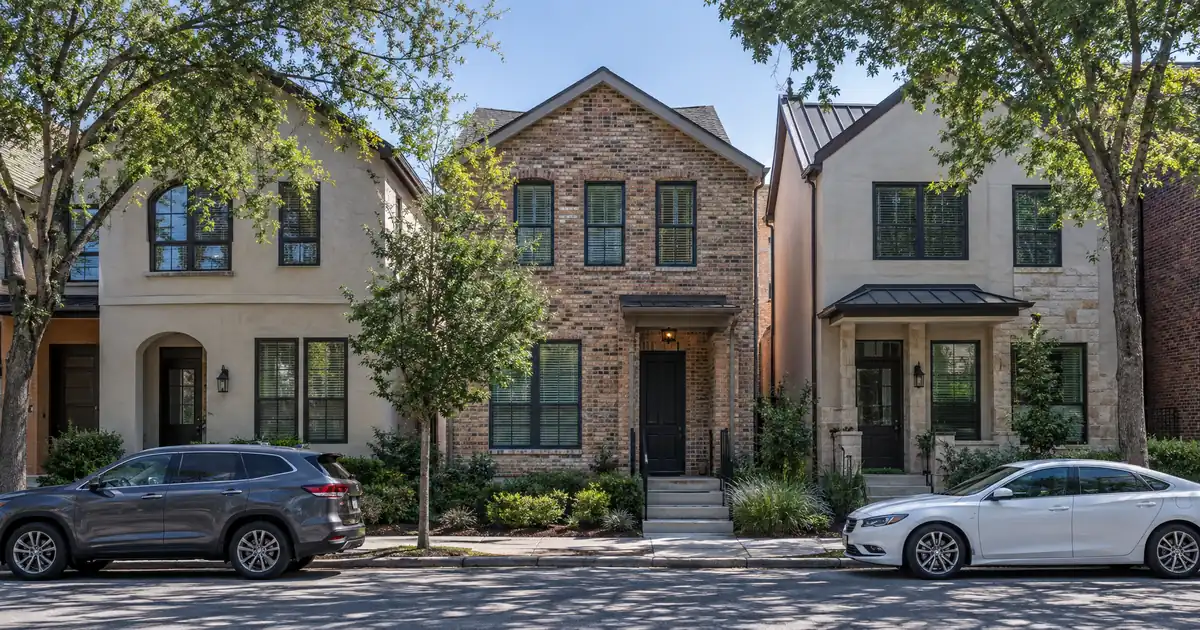
Most cash-out plans stall on the appraisal. The investor owns a rental near Tarleton State, has been told the equity is there, and then finds a small-city comp set that is thin, contradictory, and sometimes years behind the market. Add a rent roll that looks fine for students but awkward on paper, and a refinance that seemed obvious turns into a negotiation. Stephenville is a place where that friction is real, and where a DSCR structure can still work if the property type and the numbers line up. Lendmire (NMLS# 2371349), a DSCR-focused mortgage broker arranging DSCR investor loans across 40 states plus Washington, D.C., sees this pattern often in small university towns.
DSCR Cash-Out Calculator
Run the cash-out numbers in Stephenville, TX
Rate source: Freddie Mac 30-yr average via FRED® — Federal Reserve Bank of St. Louis · effective Sep 24, 2026
Prefilled with starting assumptions — enter your property’s value, balance, taxes, and insurance for a more accurate picture.
Program parameters update from Lendmire’s centralized guideline source. Taxes and insurance are editable estimates.
As of Sep 24, 2026 · General Freddie Mac market benchmark, not a Lendmire loan offer. Property value, balance, taxes, and insurance are editable estimates. Maximum loan-to-value varies by lender, program, property type, and seasoning. Not a Loan Estimate, approval, or commitment to lend. Program availability and eligibility are subject to lender guidelines, credit approval, property review, and underwriting.
The Short Version:
A DSCR cash-out refinance in Stephenville, Texas fits the investor who already owns a near-campus duplex or small unit building and wants to pull equity for the next purchase, because the loan is underwritten primarily on the property’s rental income measured against its full monthly obligation, with proceeds capped by a 75 percent loan-to-value ceiling.
- Tarleton’s enrollment grew 48.58 percent over roughly three years versus 6.36 percent statewide, per Tarleton State News.
- Zillow’s citywide average home value is about $324,964, down 0.6 percent year over year, per Zillow.
- Per-bedroom duplex leasing is the main lever for clearing the 1.00 coverage benchmark.
- Expect about six months of seasoning from title recording before a cash-out is on the table.
The Equity Question in a City of 21,700
The core tension here is a growing demand story sitting on top of a soft pricing story. Stephenville’s population is about 21,682, according to the Census Reporter ACS profile, yet the City of Stephenville reports more than 13,000 students at Tarleton. That ratio is unusual. Students are a very large share of the tenant pool, and they drive how rentals get leased: by the room, not by the house.
Values are a different story. Zillow’s index puts the average home value near $324,964, down 0.6 percent over the past year. Redfin’s sale-price median dropped sharply in the sample the research found, but that sample was only 18 sales, so treat it as noise rather than signal. Movoto’s list prices run well above sale values, and Niche’s Census-style owner-reported value sits far lower. The sources don’t agree, and in a market this small they rarely will.
That matters because cash-out proceeds come from the appraised value, not from list prices or a rosy index. Underwrite a conservative value, expect thin comps, and don’t build a plan that only works if the appraiser lands at the top of the range.
Why Tarleton’s Growth Matters More Than Its Headcount
Tarleton is the demand anchor, and its growth trend is the strongest sourced fact in the market. Tarleton State News reports preliminary fall enrollment above 27,000 across all its campuses and online, a seventh straight record year, with first-time-in-college students up 12 percent. That figure is system-wide, so it overstates what lands in Stephenville. The university’s own releases give inconsistent totals from page to page, which is why the growth percentage is the safer thing to cite.
The practical read: rising freshman classes feed near-campus rental demand right into the window when an investor would order an appraisal and underwrite a refinance. But don’t size your rents off the 27,000 headline. Size them off what comparable units near campus are actually leasing for.
Tarleton is also a state-system university, which makes it a steadier employer than a private college. The SEDA workforce page notes Tarleton confers an average of 2,750 undergraduate degrees a year.
Students aren’t the only tenant base. Per Data USA, the largest resident employment sectors are Educational Services at 1,582 workers, Retail Trade at 1,581, and Accommodation and Food Services at 1,214. Texas Health Stephenville, a 98-bed full-service hospital and Level IV Trauma Center that has served Erath County for nearly a century, adds a steady clinical workforce. On the industrial side, SEDA reports more than $300 million in completed projects across nearly 60 deals, including a $50 million, 300,000-square-foot Schreiber Foods expansion. That gives workforce single-family rentals a second, non-student tenant pool.
Where the Coverage Works (and Where It Doesn’t)
Duplexes and small unit buildings near Tarleton are the best DSCR fit in Stephenville. Single-family rentals are the second fit. Large multifamily barely exists in the research, and rural acreage is a poor fit entirely.
Here’s the arithmetic that drives that ranking. DSCR is monthly rent divided by the full monthly obligation: principal, interest, taxes, insurance, and any HOA dues. A standard program is typically built around a 1.00 benchmark, since rent covers the payment at that level. Some lenders will review lower, but that usually means stronger compensating factors, lower leverage, or more cash in. Exact eligibility depends on lender guidelines, credit, reserves, and the property.
Now look at the rent evidence. Single-family listing examples in the research ran around $2,200 for a three-bedroom and $2,600 for a four-bedroom. Against a citywide average value near $325,000, that is a thin rent-to-value ratio once taxes and insurance are in the obligation. It is not hopeless, but it is tight.
Per-room leasing changes the picture. Near-campus listings can be structured so that each bedroom has its own private bath, which makes leasing by the room a realistic option for some duplex units, per Homes.com. Any such listing is a single asking rent, not a market median. Still, a duplex with both sides leased by the room could produce combined income that a single-family rent may not match, so it is worth underwriting that structure against the actual obligation instead of assuming a single-family comparison applies.
The citywide figures pull the other way. Niche’s Census-derived median rent is $1,134, per Niche, a number that mixes student housing, apartments, and older homes. RentHop’s listing data showed two-bedroom rents rising sharply and three-bedroom rents softening, though the sample is small and volatile. If that pattern holds, one- and two-bedroom unit stacking may outperform big student houses. This is a genuine toss-up, and it depends on which side of campus the property sits.
A Modeled Scenario: Recycling Duplex Equity
Run the numbers on a modeled example. These inputs are assumptions, not sourced market data. Say an investor owns a near-campus duplex, holds it past the roughly six-month seasoning window measured from title recording, and a conservative appraisal comes in at $400,000. The existing mortgage balance sits at about 60 percent of that value. At the 75 percent LTV ceiling, the headroom is about 15 percentage points of value, before closing costs and the required reserves of about six months of PITIA.
Three things shape what the investor actually walks away with:
1. The appraisal. Every point the appraiser cuts comes straight out of the proceeds. In a thin market, that risk is real.
2. The coverage. The new, larger loan has a bigger payment. If the duplex was covering at 1.25 before the refinance, it may be near 1.00 after. If it was already near 1.05, the cash-out may simply not pencil.
3. The use of proceeds. Pulling equity to buy another duplex in the same campus corridor, where coverage works at current pricing, is straightforward. Pulling equity to chase a market where the math doesn’t pencil is a different decision and deserves a stress test first.
The honest caveat: equity available is not a guaranteed cash figure. It depends on rent used for lender review, the full obligation, reserves, and the 75 percent cap, all subject to lender guidelines. A sub-1.00 structure may be available through select lenders, but ask first whether it should be used. Reduced leverage and stronger credit are the usual tradeoff, and if the property only works at sub-1.00, that is often a signal to rethink the property.
DSCR files in markets like this one typically look the same way. The rent roll is student-heavy, leases are by the room, and the appraiser has few true comps within a mile. The files that move cleanly tend to have a lease schedule showing each bedroom, a clear history of collected rent, and a realistic value expectation going in. The files that struggle usually lean on one optimistic comp. While DSCR lenders in this market apply tighter sub-1.00 guidelines, Lendmire’s brokerage approach is to compare programs across its lender network so the structure matches the file, not the other way around.
The Submarkets That Pencil
No neighborhood-level price or rent medians exist in the research, so these profiles are qualitative. They describe the investor relevance of each area, not a guaranteed return.
Tarleton campus edge, around Lillian and Sloan streets. Brick ranch homes, duplexes, and student rentals sit within blocks of campus. Demand comes from students plus Tarleton faculty and staff, and listings skew toward two- and three-bedroom duplex units. This is the core of the per-room leasing thesis, and it is where a duplex refinance is most likely to show coverage above the benchmark.
The Washington Street, West Vanderbilt, and McCart corridor. Listings here show duplexes and small unit buildings near campus, with per-room leasing visible. It is a second option for investors who want the same demand profile at potentially different entry prices, though the research can’t confirm that gap.
DSCR vs. conventional financing
There are two common ways to finance an investment property in Stephenville, TX, and they qualify you differently — here’s how investors weigh them.
Why investors choose it
- Qualifies on the property’s rental income — no personal tax returns, W-2s, or pay stubs needed to document income.
- No personal debt-to-income ceiling to clear, so existing mortgages and obligations don’t cap your borrowing the same way.
- Can be closed in an LLC, keeping the property inside a business entity.
- Built for scaling — not held to the limit on number of financed properties that conventional financing applies.
- Underwriting centers on the deal: generally qualifies when the rent covers the payment, a 1.00x coverage ratio being a common baseline (confirmed in underwriting).
- Designed specifically for investment property, including long-term and, where the program allows, short-term rentals.
Where it’s strong
- Often the lowest ongoing financing cost for a buyer who fully qualifies on personal income — a fit for a first property or a cost-first purchase.
Trade-offs for investors
- Requires full personal income documentation and must fit within a debt-to-income limit — salary, existing debts, and other mortgages all count.
- Typically held in your personal name rather than a business entity.
- Caps how many financed properties you can carry, which can become a ceiling as a portfolio grows.
- Evaluates you as a borrower as much as the property, which usually means more paperwork.
How investors usually choose: a first or single property often optimizes for the lowest financing cost; portfolio builders often optimize for leverage, vesting in an LLC, and scaling past conventional caps. The right answer depends on your goals, the property, and current guidelines — both paths run through select lenders in Lendmire’s wholesale network, with eligibility and terms confirmed in underwriting.
Historic Square and downtown. Character homes sit about three minutes from campus, near the courthouse and the hospital. It’s more of a hold-and-refinance story for workforce and faculty tenants than a student-density play. The older housing stock can complicate the appraisal, so comps matter.
Tarleton Walk. A brand-new townhome community steps from campus. Newer product helps with condition and appraisal, though it is not clear that pricing leaves room for a cash-out soon after purchase.
Harbin Drive, FM 8, and the City Park area. Newer cul-de-sacs with sidewalks leading to the park draw families. This is workforce single-family territory, and given the thin rent-to-value ratio on houses, it is the weaker coverage story of the group.
South and west sides. Newer construction on larger lots commands higher prices, which makes these areas better for owner-occupants than for DSCR cash flow.
Rural acreage and Lingleville Highway. Not a DSCR long-term-rental target. And one note for anyone holding rural property: manufactured homes, log homes, and barndominiums fall outside these DSCR programs entirely, which matters in Erath County, where those property types are common.
Where Most Investors Get It Wrong Here
The usual mistake is underwriting to the enrollment headline instead of the appraisal. A record-enrollment press release says nothing about what an appraiser will find for a duplex three blocks from campus. The sourced numbers disagree by a wide margin: roughly $296,000 from a small Redfin sample, about $325,000 from Zillow’s index, and list prices well above both. Anyone planning cash-out proceeds should assume the low-to-middle of that range and treat anything above as upside.
The second mistake is assuming flat or falling values kill the thesis. They don’t, but they change it. In a market where citywide values are slightly down, cash-out is less about riding appreciation and more about whether the property’s income supports a larger loan. That favors investors who have improved the asset, increased rents by converting to per-room leasing, or bought below market, not those waiting for the market to lift them.
The third: using the proceeds on the wrong deal. If the plan is to buy another duplex near campus, the same coverage logic applies, so run it before pulling the cash. If the plan involves buying into a different city, the math in that market has to stand on its own.
DSCR Versus Conventional for a Stephenville Owner
For one rental held personally by a borrower with strong traditional employment income, the guide “Where DSCR and Conventional Diverge” matters: conventional financing may carry a lower cost and can cash-flow more cleanly. DSCR becomes the practical path for entity-owned portfolios, self-employed investors, or anyone whose personal returns don’t support the rental income. Loans to LLC-titled entities are subject to lender program eligibility, so confirm structure early. If your portfolio already holds four or more financed properties, the conventional lane tends to run out.
To understand how DSCR qualification works, start with the underlying logic: the property’s rent is the story. Credit still matters. Programs typically start around a 620 floor, with better terms at higher tiers, and reserves of about six months of PITIA are standard on most files, subject to lender guidelines.
The Refinance Fit
If you’re comparing options, investor refinance options include rate-and-term and cash-out structures, and the equity recycle pathway covers how proceeds typically move into the next acquisition. For a Texas-wide view of the platform, see Lendmire’s Texas DSCR platform. Investors who want to talk through a Stephenville duplex scenario can reach the team at 828-256-2183.
Before committing to any refinance, check current local rental rules, property taxes, and insurance with qualified local professionals. Those costs sit inside the monthly obligation and can move the coverage number.
Frequently Asked Questions
How do you qualify for a DSCR loan in Stephenville, Texas?
Qualification centers on the property’s rent compared with its full monthly obligation, with 1.00 a common benchmark. Lenders also review credit, typically starting around a 620 floor, reserves of about six months of PITIA, and the property itself. Exact eligibility depends on lender guidelines, so a near-campus duplex with documented per-room leases usually presents a clearer file than a single rent figure on a house.
What are the requirements for an investment property loan in Stephenville, TX?
Expect a property that is a standard rental type, rent that supports coverage, credit above the program floor, and cash reserves. Manufactured homes, log homes, and barndominiums are outside these DSCR programs, which rules out some rural Erath County property. Loan sizes can reach up to $3,000,000 on standard programs, though smaller balances route through select lenders in the network.
How long do you have to own a Stephenville rental before a cash-out refinance?
Plan on about six months of ownership, measured from title recording, though this varies by lender. Seasoning only opens the door. The appraisal, the 75 percent LTV ceiling, and the coverage on the larger new loan decide whether proceeds are meaningful.
Does Tarleton’s growth guarantee a higher appraisal?
No. Enrollment growth supports demand, but appraisers rely on closed sales, and Stephenville has few. Sources disagree on pricing by tens of thousands of dollars, and market indicators point to a flat-to-soft trend with longer time on market. Underwrite a conservative value and treat enrollment as support for rents, not a promise on price.
What can limit DSCR cash-out proceeds in Stephenville?
The appraisal, the 75 percent LTV ceiling, and coverage on the new payment are the main limits. Lendmire arranges DSCR investor loans and its cash-out programs cap leverage at 75 percent, so a soft appraisal on a thinly traded block can shrink proceeds fast. Reserves and credit tier also affect what is available.
For current guidelines and terms, see Lendmire’s DSCR loan programs page.
Get Started
Ready to find the right loan for you?
In about 30 seconds you can review financing options available for your investment property. No commitment required.
Informational only. Not a Loan Estimate, approval, or commitment to lend. Program availability and eligibility are subject to lender guidelines, credit approval, property review, and underwriting.
About Lendmire
As a non-QM mortgage broker (NMLS# 2371349), Lendmire arranges DSCR investor loans across 41 markets, including Washington, D.C. Eligibility is generally reviewed around a property’s rental income rather than personal income documentation, subject to lender guidelines, which suits LLC-structured portfolios and self-employed borrowers who sit outside conventional boxes. The brokerage is recognized as a 2026 Scotsman Guide Top Mortgage Workplace and a 2025 Scotsman Guide Top Workplace.
The most useful next step for anyone eyeing Stephenville is to pull actual duplex rent comps from the blocks around campus and set them next to recent closed sales within a mile, because that single comparison tells you whether the equity and the coverage are real before a lender ever sees the file.
This article is part of Lendmire’s investment property cash-out refinance program — full qualification details, guidelines, and scenarios live on the program page.
Related reading: Cash Out Refinance Investment Property in Stephenville, Texas: How the Rent Math Clears at 75% LTV · Cash Out Refinance Investment Property in Cedar Hill, Texas: How the Rent Math Clears at 75% LTV · Cash Out Refinance Investment Property in Corsicana, Texas: How the Rent Math Clears at 75% LTV
Guides: Investment Property Cash-Out Refinance in Texas
References
1. Freddie Mac 30-yr average via FRED® — Federal Reserve Bank of St. Louis
3. Zillow
4. Census Reporter ACS profile
8. Data USA
10. SEDA
11. Homes.com
12. Niche
Brandon Miller
Founder & CEO, Mortgage Loan Originator, Lendmire LLC
- Mortgage Loan Originator · NMLS# 1129696 · Verify on NMLS Consumer Access
- North Carolina Real Estate Broker · License# 343312 · Verify on NCREC
- North Carolina Insurance Producer · License# 19053198 · Property, Casualty, Life, Health · Verify on NAIC SBS
- Lendmire LLC · Firm NMLS# 2371349 · Verify firm licensure
Disclosure information. Lendmire is a state-licensed mortgage brokerage under NMLS# 2371349. Lendmire is not a depository institution, direct lender, or financial advisor — all loans referenced are placed through wholesale lender partners and are subject to each lender's underwriting standards. This article is provided for general informational purposes and is not a commitment to lend, nor does it constitute financial, legal, or tax advice. Loan programs, terms, rates, and qualification standards change without notice and depend on borrower profile, property type, and the state in which the subject property is located. Equal Housing Opportunity provider. NMLS Consumer Access: nmlsconsumeraccess.org.