
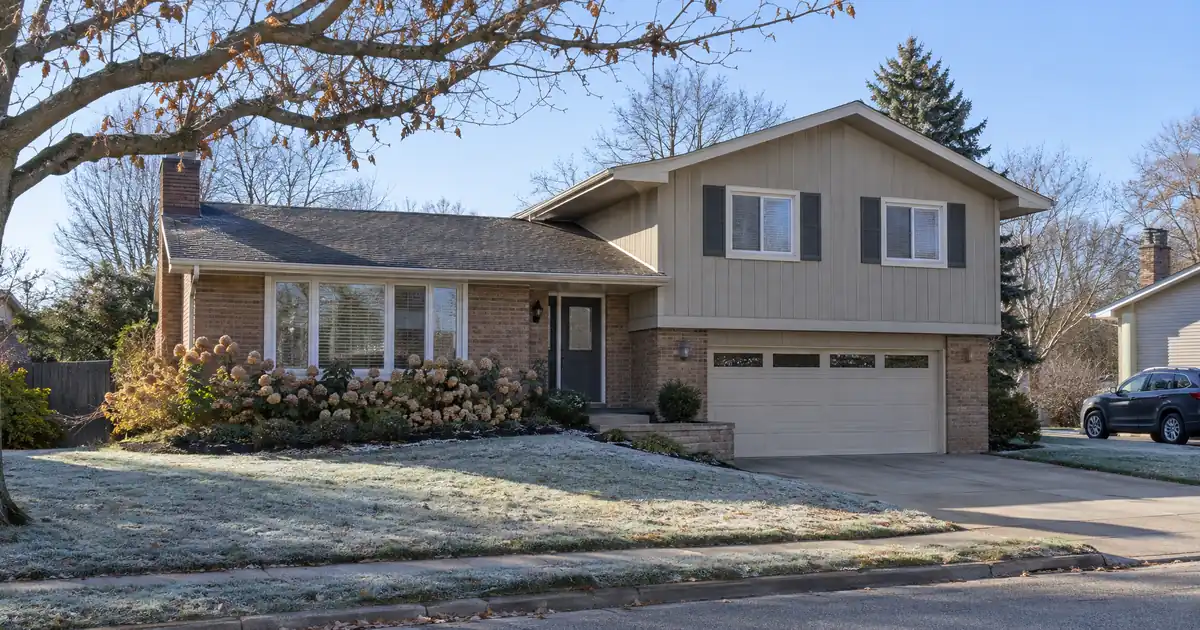
The Quick Read: Meet the requirements by passing the property-level tests: enough equity under the cash-out leverage cap, rent that covers the new, larger payment, and the credit, reserve and seasoning minimums. A loss on Schedule E is not one of those tests, because a DSCR loan is reviewed primarily on property-level rental income covering the payment, subject to lender guidelines.
- Cash-out on a standard rental tops out around 75% LTV across most of the network.
- About 6 months of ownership, measured from title recording, is the common seasoning expectation.
- Coverage is tested on the new payment, so a bigger draw pulls the ratio toward 1.00.
- Credit tiers run from a 620 floor up to 700+, and reserves commonly run about 6 months of PITIA.
- Taxable income, depreciation and Schedule E losses are not inputs to the file.
A rental can lose money on paper and still cash-flow in the real world. That gap is the reason many investors with a negative line on their return assume a cash-out is off the table. On a DSCR file the return is not the underwriting basis. The property is. This article walks through what the lender tests, why the return shows a loss, where the rules bend, and what to adjust when the numbers fall short. For the broader picture, see Lendmire’s complete DSCR loans guide.
DSCR Cash-Out Calculator
Run the cash-out numbers in your market
Rate source: Freddie Mac 30-yr average via FRED® — Federal Reserve Bank of St. Louis · effective Oct 15, 2026
Prefilled with starting assumptions — enter your property’s value, balance, taxes, and insurance for a more accurate picture.
Program parameters update from Lendmire’s centralized guideline source. Taxes and insurance are editable estimates.
As of Oct 15, 2026 · General Freddie Mac market benchmark, not a Lendmire loan offer. Property value, balance, taxes, and insurance are editable estimates. Maximum loan-to-value varies by lender, program, property type, and seasoning. Not a Loan Estimate, approval, or commitment to lend. Program availability and eligibility are subject to lender guidelines, credit approval, property review, and underwriting.
What Does a DSCR Cash-Out Lender Actually Test?
A DSCR cash-out file runs three property-level tests, and the lowest result controls the outcome. Value sets the leverage ceiling. Rent sets the coverage ratio. Seasoning, credit and reserves set eligibility. Personal tax income is not on the list.
A cash-out refinance is a new, larger loan that pays off the old one and returns the difference. Each test works like this:
- Value. The new appraisal sets value, and the cash-out LTV cap applies to it. On a standard rental, the cap is around 75% across most of the network. Short-term-rental collateral is tighter, with cash-out at 70%.
- Rent. The lease and the appraiser’s rent schedule set the rent used for lender review. That rent is divided by the full payment on the new loan. Select programs start at 1.00, and stronger ratios open better pricing and leverage.
- Eligibility. Seasoning, credit score, reserves and property type all have to clear. A 620 floor exists in parts of the network, most programs want around 660, and 700+ unlocks the strongest leverage tiers.
Programs vary, and every file is underwritten individually. These are typical ranges, not commitments to lend.
Why Does the Return Show a Loss When the Rent Covers the Payment?
The return shows a loss mostly because of depreciation, a non-cash deduction. It lowers taxable income without any money leaving your account. A rental can collect more rent than it pays out and still post a negative Schedule E.
Depreciation spreads the building’s cost over many years. It is a paper expense. Add mortgage interest, repairs and other deductions, and the schedule can go negative even when the bank account grows.
There is a second layer. The IRS also applies passive-activity and at-risk limits to rental losses, which is a tax-limitation story rather than a property-performance story. Tax treatment can depend on how the funds are used and how the property is held; investors should keep clear records and speak with a qualified tax professional before relying on any deduction.
For DSCR purposes, none of that matters. The lender is not reading line 18. It is comparing rent to the payment.
Return vs. Lender View: Side by Side
The same rental looks different through two lenses. The return measures taxable income after non-cash deductions. The DSCR file measures whether rent covers the monthly obligation.
| Item | On the tax return | In the DSCR file |
|---|---|---|
| Depreciation | Lowers taxable income | Not used |
| Schedule E loss | Reduces or erases income | Not an input |
| Rent | Reported as collected | Lease and appraiser rent schedule |
| Mortgage interest | Deducted | Part of the full payment |
| Taxes and insurance | Deducted | Part of the full payment |
| Repairs, vacancy, capex | Deducted as incurred | Outside the ratio |
Note the last row. Clearing 1.00 is not the same as positive cash flow. Repairs, vacancy, management, utilities and capex sit outside the calculation, so a thin ratio leaves little room for real-world costs.
How Does Underwriting Treat the Rent Figure?
The file usually leans on a current lease and the appraiser’s market rent schedule. Where the two disagree, the lower number often controls.
The appraisal forms behind the market rent schedule are standard report formats. They do not bring agency program rules into a DSCR file.
Two situations catch investors:
- Legacy lease below market. A tenant at an old rent can cap coverage until the lease ends or renews.
- Rent shortfall on the appraisal. Value and rent are separate problems. A value miss lowers the loan ceiling. A rent miss lowers coverage. Fixing one does not fix the other.
One definitional trap: some general sources define DSCR as net operating income divided by debt service. Residential DSCR products in the network compare rent to PITIA, so be sure which formula a calculator or article is using before comparing numbers.
Worked Example in Ratios
Picture an investor with a single-family rental that has been owned well past the seasoning window. The return shows a loss because of depreciation. The lease and the appraiser’s rent schedule both point to rent that covers the existing payment at roughly 1.35x.
The investor asks for a cash-out at the 75% cap. The new loan is larger, so the payment is larger. Run the numbers on that new payment and coverage drops to roughly 1.10x. It still clears 1.00 for programs that start there.
Now say the investor wants more cash and the appraisal lands light. Coverage slips toward 1.00, and the cap, not the return, becomes the limit. Pulling less cash would restore cushion. These ratios are modeled for illustration, not market data.
The Requirements Checklist for a Rental Cash-Out
The requirements are the same whether the return shows a profit or a loss. Here is the cash-out list across most of the network:
- Seasoning: about 6 months of ownership, measured from title recording.
- Leverage: around 75% LTV on standard rentals; 70% on short-term-rental collateral.
- Coverage: 1.00 is where many select programs start, on the new payment.
- Credit: a 620 floor in parts of the network, around 660 for most programs, 700+ for the strongest tiers.
- Reserves: commonly about 6 months of PITIA, with loans above $1,500,000 typically stepping up to about 9 months.
- Loan size: up to $3,000,000 on standard programs, with smaller balances routed through select lenders.
- Entity documents: if an LLC holds title, those documents have to be complete and consistent, subject to lender program eligibility.
- Package: application, credit authorization, bank statements for reserves, leases and insurance.
What the file does not contain: traditional personal-income documentation, W-2s, Schedule E, Form 4562 or AGI. The property is not exempt from documentation, though. It just uses different documents.
Not offered in the network: manufactured homes (single- and double-wide), log homes and barndominiums.
If the Numbers Don’t Work: Five Levers
When coverage or equity falls short, there are five levers. Each has a cost.
| Lever | Effect | Trade-off |
|---|---|---|
| Take less cash | Smaller payment, higher ratio | Less capital out |
| Longer or interest-only term | Lowers the payment tested | Select lenders only; slower paydown |
| Better rent evidence | Lifts rent used for lender review | Needs a real lease or appraisal support |
| Wait for lease renewal | Resets rent to market | Delays the file |
| Sub-1.00 path | Allows lower coverage | Select lenders, with leverage and terms adjusted |
Extended terms (40-year) and interest-only periods are available through select lenders in the network, and ARM structures exist for investors who want them. Coverage below 1.00 is a separate select-lender path, not a lower floor on the same program. No-ratio structures are available only through select lenders, generally for borrowers who already own a primary residence.
A larger down payment on a purchase lowers the payment and can lift coverage. It never erases leverage caps, credit floors, reserve rules or property eligibility. The strongest files clear both tests: enough equity and enough rental coverage.
Where the Rules Bend
The general rule is that the property decides. The edges depend on the collateral and the history.
- Recent renovation or BRRRR exits. Seasoning clocks and cost-basis sizing can override an after-repair appraisal on early exits.
- Recent purchase. Files that assume the roughly 6-month seasoning period doesn’t apply are the ones that get kicked back.
- Return and lease disagree. If a recent renovation raised rent after the tax year, the lease and appraisal carry the file, not the return.
A Ten-Minute Self-Test Before You Apply
Run these steps before submitting a file:
1. Confirm seasoning. Check the recorded title date against the roughly 6-month expectation.
2. Gather rent evidence. Pull the current lease and note whether it sits below market.
3. Estimate the new payment. Include principal, interest, taxes, insurance and HOA on the larger loan, not the old one.
4. Divide rent by that payment. If the ratio sits near 1.00, plan to draw less.
5. Check the equity cap. Compare the loan you want against the 75% ceiling on the likely appraised value.
6. Confirm reserves, credit and entity papers. Reserves are commonly about 6 months of PITIA.
7. Leave the tax return out of the math. It does not change any step above.
Plan seasoning, the appraisal and lease renewals before applying, not during underwriting.
DSCR vs. conventional financing
There are two common ways to finance an investment property, and they qualify you differently — here’s how investors weigh them.
Why investors choose it
- Qualifies on the property’s rental income — no personal tax returns, W-2s, or pay stubs needed to document income.
- No personal debt-to-income ceiling to clear, so existing mortgages and obligations don’t cap your borrowing the same way.
- Can be closed in an LLC, keeping the property inside a business entity.
- Built for scaling — not held to the limit on number of financed properties that conventional financing applies.
- Underwriting centers on the deal: generally qualifies when the rent covers the payment, a 1.00x coverage ratio being a common baseline (confirmed in underwriting).
- Designed specifically for investment property, including long-term and, where the program allows, short-term rentals.
Where it’s strong
- Often the lowest ongoing financing cost for a buyer who fully qualifies on personal income — a fit for a first property or a cost-first purchase.
Trade-offs for investors
- Requires full personal income documentation and must fit within a debt-to-income limit — salary, existing debts, and other mortgages all count.
- Typically held in your personal name rather than a business entity.
- Caps how many financed properties you can carry, which can become a ceiling as a portfolio grows.
- Evaluates you as a borrower as much as the property, which usually means more paperwork.
How investors usually choose: a first or single property often optimizes for the lowest financing cost; portfolio builders often optimize for leverage, vesting in an LLC, and scaling past conventional caps. The right answer depends on your goals, the property, and current guidelines — both paths run through select lenders in Lendmire’s wholesale network, with eligibility and terms confirmed in underwriting.
Key Terms Defined
DSCR: Debt service coverage ratio, the property’s rent used for lender review divided by its full monthly payment.
PITIA: Principal, interest, taxes, insurance and any association dues, the full monthly obligation.
Seasoning: How long you have owned the property, measured from title recording, before cash-out is available.
Depreciation: A non-cash tax deduction that spreads a building’s cost over many years and can push a return negative.
Form 1007 / Form 1025: The appraiser’s rent schedule for single-family homes and the small residential income report for 2-4 units.
Cash-out refinance: A new, larger loan that pays off the old one and returns the difference.
For deeper background on the passive-loss limits discussed here, see IRS Publication 527.
Frequently Asked Questions
Will the lender look at my tax return?
The return is not an underwriting input on a DSCR cash-out. The file qualifies primarily on property-level rental income covering the payment, subject to lender guidelines. The documents come from the property: leases, an appraisal rent schedule, credit, reserves, insurance and entity papers.
Does depreciation hurt my chances?
It does not. Depreciation is a non-cash deduction, and the lender is not testing taxable income. Depreciation continues on your original basis regardless of the refinance.
What if the lease and the appraiser’s rent disagree?
The lower figure can control coverage, so plan around it. A legacy lease below market can cap the ratio until renewal. A low appraiser rent lowers coverage even if value is strong, and the two issues have to be fixed separately.
Can I do a cash-out right after buying?
Usually not. About 6 months of ownership, measured from title recording, is the common expectation. Early exits after renovation can be sized off cost basis rather than the after-repair value, depending on the program.
Does the test use my old payment or the new one?
The new one. Coverage is rent divided by the full payment on the new, larger loan, so a rental can cover its old loan and miss on the new one. Drawing less cash is often the cleanest fix.
If you are buying or refinancing a rental property and want to see how the numbers work, Lendmire can help you compare DSCR loan options based on the property income, credit profile, leverage, and investor goals.
For current guidelines and terms, see Lendmire’s DSCR loan programs page.
About Lendmire
Lendmire, NMLS# 2371349, is a mortgage brokerage focused on investor financing, arranging DSCR loans in 40 states plus Washington, D.C. — 41 markets total. Qualification is based on the property’s income rather than personal income documentation, subject to lender guidelines, making it a fit for LLC-held rentals and scaling portfolios. Scotsman Guide named Lendmire a Top Mortgage Workplace in both 2025 and 2026.
A deeper walk-through of investment-property equity extraction lives in Lendmire’s guide to cash-out refinance on an investment property.
Get Started
Ready to find the right loan for you?
In about 30 seconds you can review financing options available for your investment property. No commitment required.
Informational only. Not a Loan Estimate, approval, or commitment to lend. Program availability and eligibility are subject to lender guidelines, credit approval, property review, and underwriting.
References
This article is part of Lendmire’s investment property cash-out refinance program — full qualification details, guidelines, and scenarios live on the program page.
Related reading: Super Jumbo DSCR vs Traditional Jumbo Occupancy and Doc Requirements · How a Luxury Rental DSCR Loan Works · Can an Acreage Luxury Rental Close With a Sub-1.0 DSCR?
Brandon Miller
Founder & CEO, Mortgage Loan Originator, Lendmire LLC
- Mortgage Loan Originator · NMLS# 1129696 · Verify on NMLS Consumer Access
- North Carolina Real Estate Broker · License# 343312 · Verify on NCREC
- North Carolina Insurance Producer · License# 19053198 · Property, Casualty, Life, Health · Verify on NAIC SBS
- Lendmire LLC · Firm NMLS# 2371349 · Verify firm licensure
Compliance and disclosures. Lendmire (NMLS# 2371349) is a licensed mortgage broker and is not a direct lender, depository institution, financial advisor, or tax professional. Content in this article is general market analysis and educational information — not financial, legal, or tax advice for any specific situation. Lendmire does not guarantee loan approval; every transaction is subject to underwriting by the funding lender. Mortgage pricing and loan program guidelines are subject to change at any time without notice and vary by borrower characteristics, property type, and state regulations. Lendmire complies with Equal Housing Opportunity. Licensure verification: NMLS Consumer Access.